



Baby Swing or Bouncer – What Do You Need?
6 minute read
August 11, 2025
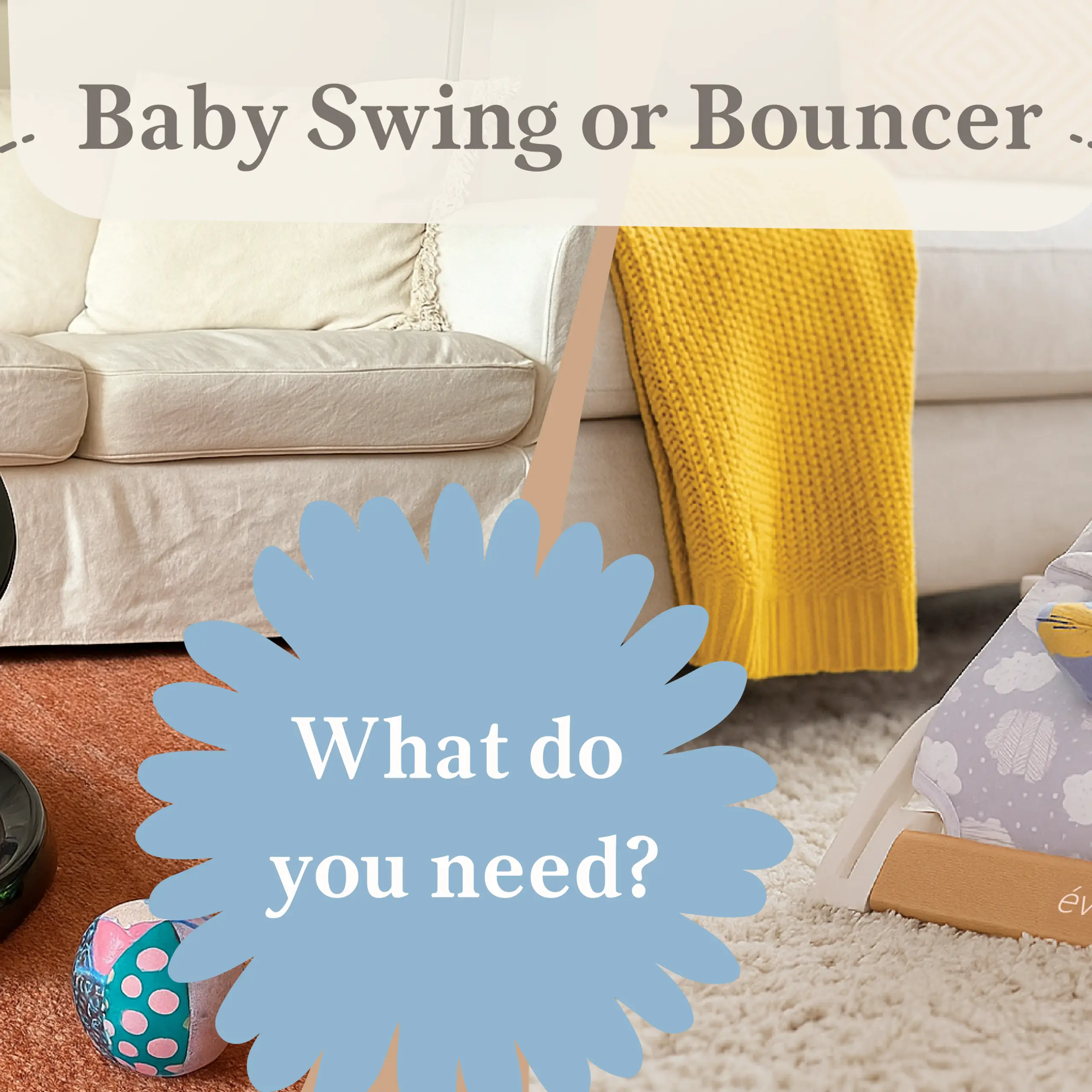
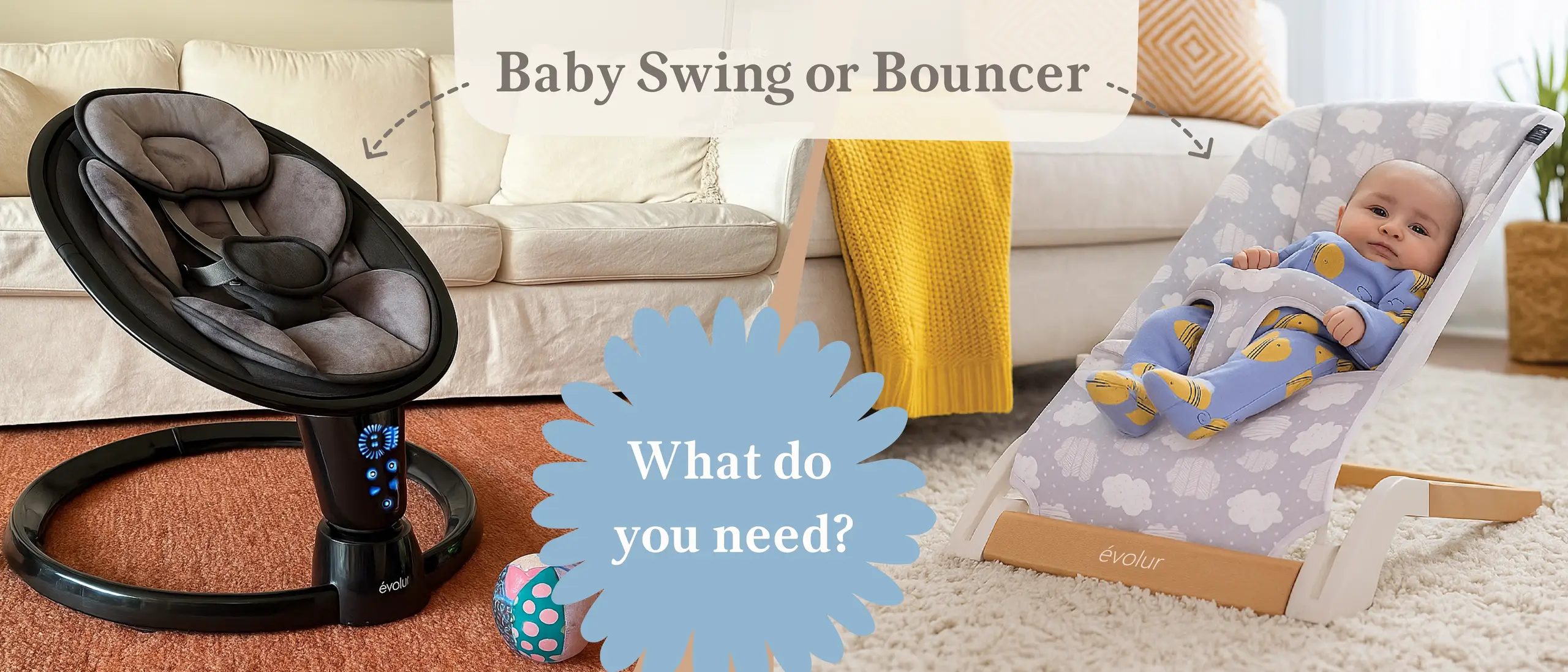
Baby Swing or Bouncer – What Do You Need?
Every parent knows the joy of seeing their baby happy and content, especially when they’re entertained independently for a while. Baby swings and bouncers are two popular options that provide both entertainment and comfort for your baby. But what do you really need? Should you opt for a baby swing, a baby bouncer, or both?
In this guide, we'll dive into the key features, pros, cons, and the best choices when it comes to baby swings and bouncers for newborns and infants. By the end, you'll have a clear understanding of which gear is right for your little one.
What is a Baby Swing?
A baby swing is a larger, more substantial piece of gear designed to soothe and entertain your baby through rocking motions. These swings are usually powered either manually or by batteries, and they come with a variety of adjustable speeds, reclining positions, and even entertainment features like music and lights. Baby swings are typically designed to hold babies from birth up to about 12 months, or until they reach the recommended weight limit.
Key Features of a Baby Swing:
- Adjustable rocking speeds and reclining positions
- Music, lights, and toys for entertainment
- Built-in harness for safety
- Powered by battery or plug-in
- Larger and bulkier than bouncers
Pros of Baby Swings:
- Can be used from birth to 12 months (or longer with some models)
- Great for soothing fussy babies with gentle rocking motions
- Versatile features like music and toys keep babies entertained
- Some swings are designed to be convertible for toddlers, offering longer usage
Cons of Baby Swings:
- Can be bulky and take up more space
- Typically more expensive than bouncers
- Not always portable, especially larger models
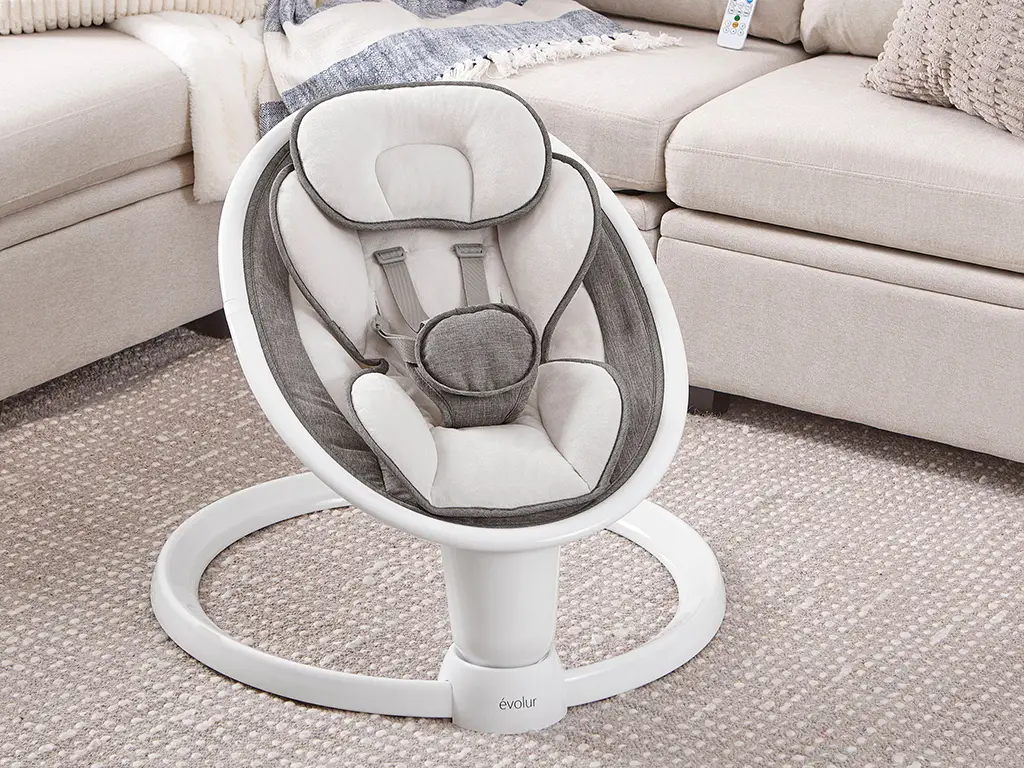
Product Featured - Evolur SootheSway Swing
What is a Baby Bouncer?
A baby bouncer is a compact, cushioned chair that rocks or bounces gently with the baby’s movements or with a battery-powered mechanism. Designed to offer soothing vibrations, bouncers are perfect for short playtimes or naps. Most bouncers are ideal for newborns up to around 6 months of age, or until your baby can sit up unsupported.
Key Features of a Baby Bouncer:
- Compact and lightweight
- Bouncing or vibrating motion
- Portable and easy to fold
- Usually has a 3-point harness for safety
- Many models are powered by either battery or manual motion
Pros of Baby Bouncers:
- Portable and easy to store
- Can be used right from birth
- Less expensive than swings
- Encourages independent play and strengthens muscles
- Helps soothe fussy babies with gentle vibrations
Cons of Baby Bouncers:
- Age-limited: typically only up to 6 months
- Limited features compared to swings (no music or lights in some models)
- Can cause dependency if used too frequently for naps
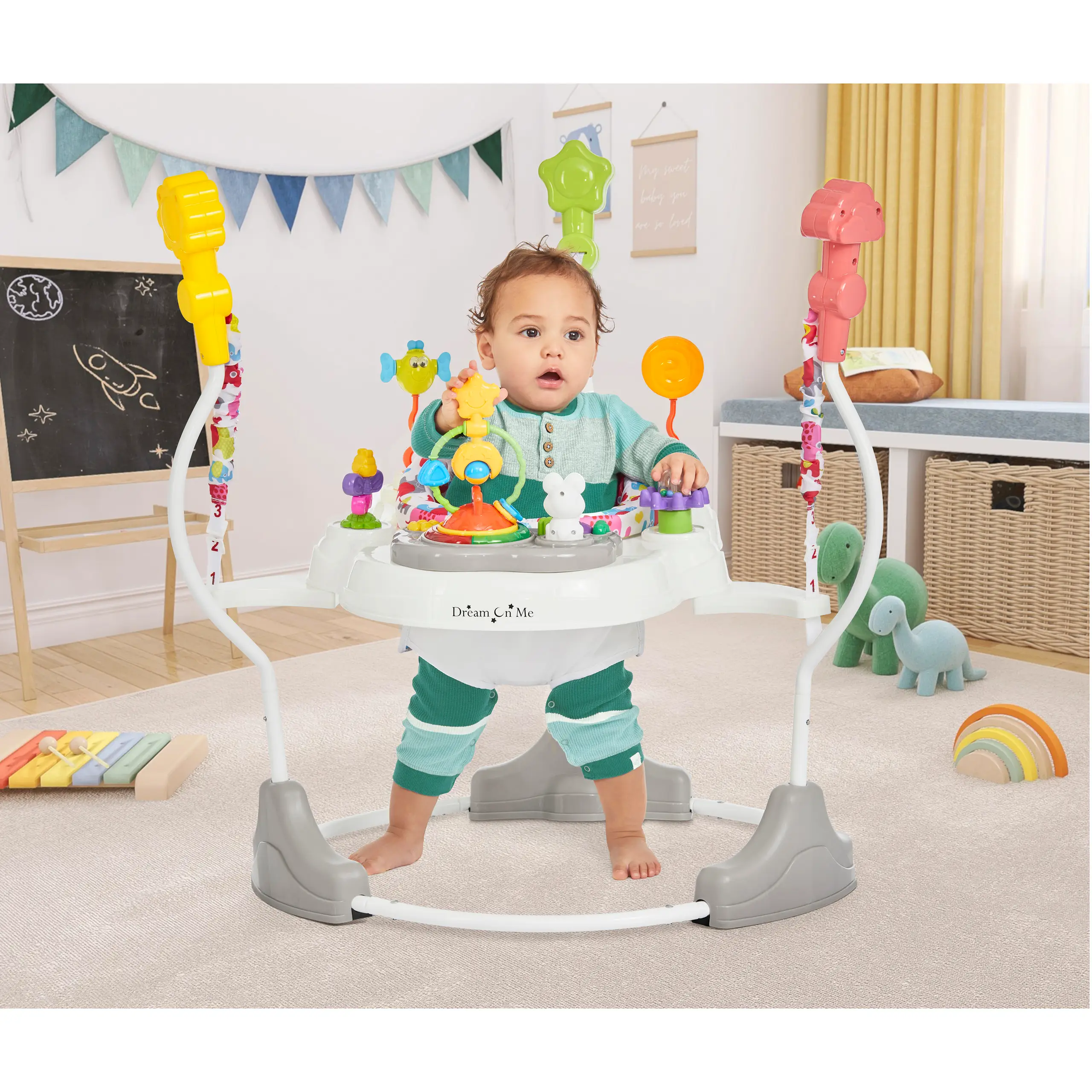
Product Featured - Dream On Me Zany 2-in-1 Activity Center & Bouncer
Baby Swing or Bouncer - What Should You Choose?
Deciding between a baby swing or a baby bouncer largely depends on your preferences and your baby's needs. Here's a breakdown to help you choose:
When to Choose a Baby Swing:
- Your baby is older than 6 months and can support their head and neck
- You want a multi-functional piece of gear with entertainment features (music, lights, toys)
- You need a more long-term solution that can transition into toddlerhood
When to Choose a Baby Bouncer:
- Your baby is under 6 months old and still needs neck support
- You want something portable, compact, and easy to store
- You prefer an affordable option for short periods of soothing and play
Our Picks: Best Swings and Bouncers for Newborns
- Dream On Me Zany 2-in-1 Activity Center & Bouncer Perfect for soothing and keeping your baby entertained with gentle bouncing movements.
- Evolur SootheSway Swing Provides ultimate comfort for your baby while they nap in their swing
FAQs
Is a swing or bouncer better for a baby?
Both options serve different purposes. Swings are ideal for soothing and helping babies sleep, while bouncers are more suitable for short periods of self-play and entertainment. It ultimately depends on your baby’s age and needs.
Can newborns go in a swing?
Yes, as long as the swing has a flat recline, a supportive cushion under the baby’s head, and a five-point harness. Always follow the manufacturer’s guidelines for age and weight.
When should a baby stop using a bouncer?
Bouncers are typically used until your baby can sit unsupported or reaches the manufacturer’s weight limit, which is usually around 20-25 lbs.
What age can a baby go on a swing?
Most swings can be used from birth up to 12 months (or the weight limit, whichever comes first). Always check the manufacturer’s recommendations.
Is it bad to keep a baby in a swing all night?
Yes, it’s not safe for babies to sleep in a swing for extended periods, especially overnight. The American Academy of Pediatrics (AAP) recommends transferring your baby to a crib for sleep to avoid potential risks like suffocation or SIDS.
The Bottom Line: Baby Bouncer or Swing?
Both baby bouncers and baby swings offer unique benefits, and the best choice depends on your baby’s age, needs, and your space requirements. Swings tend to be a better long-term option for soothing older babies, while bouncers are ideal for younger infants who need comfort and a safe place to relax.
Ultimately, both baby bouncers and swings for newborns can enhance your baby’s playtime and help you get some much-needed rest. Choose wisely based on your lifestyle, budget, and your baby’s needs.
Suggested For You
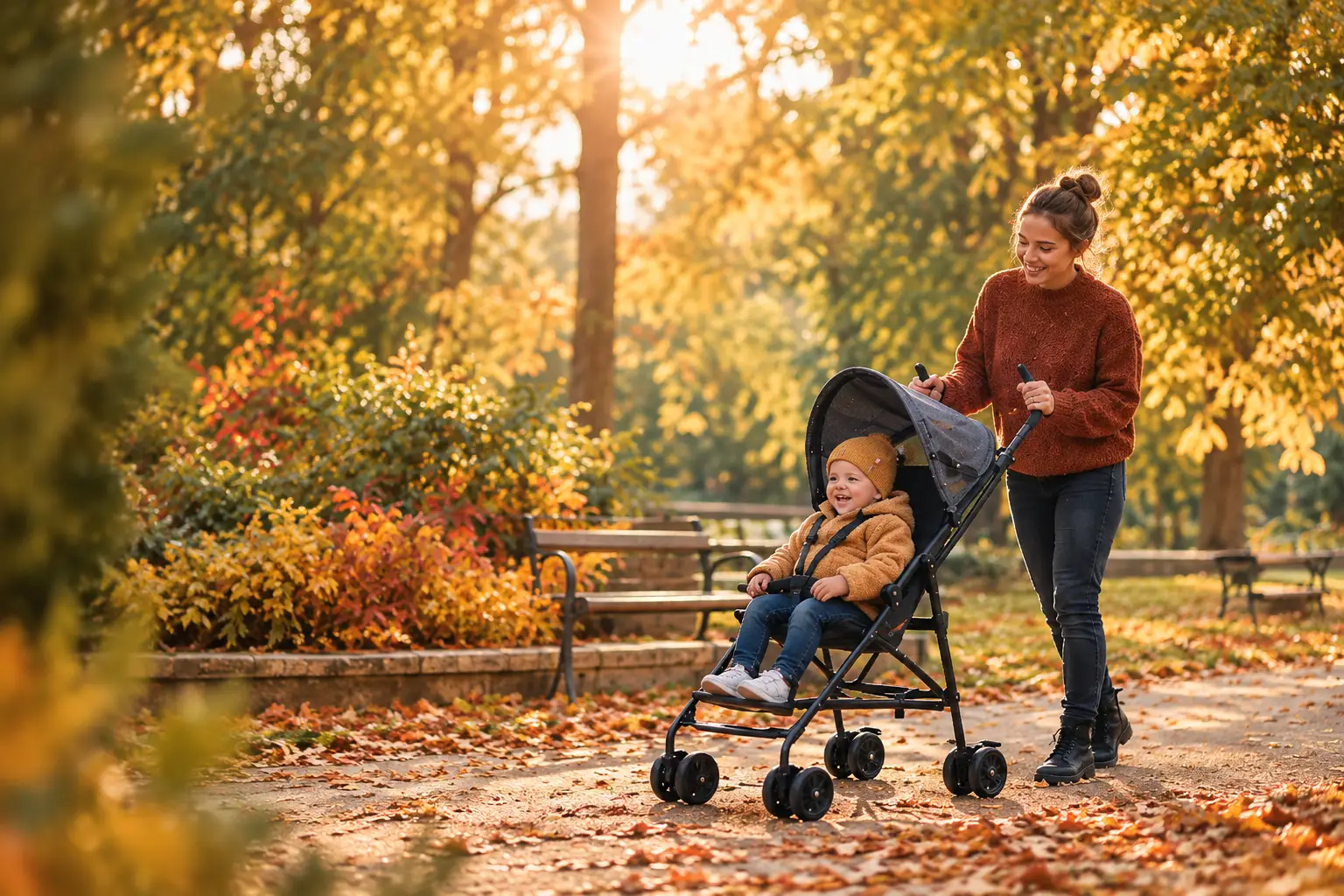
Best Baby Gear for Fall Walks in Chicago, Boston & New York
Fall walks in Chicago, Boston, and New York come with cooler temperatures, changing weather, busy sidewalks, and plenty of opportunities to get outside with your baby. From the right stroller to weather-ready accessories, here's the baby gear that can make city walks more comfortable and practical.
Read more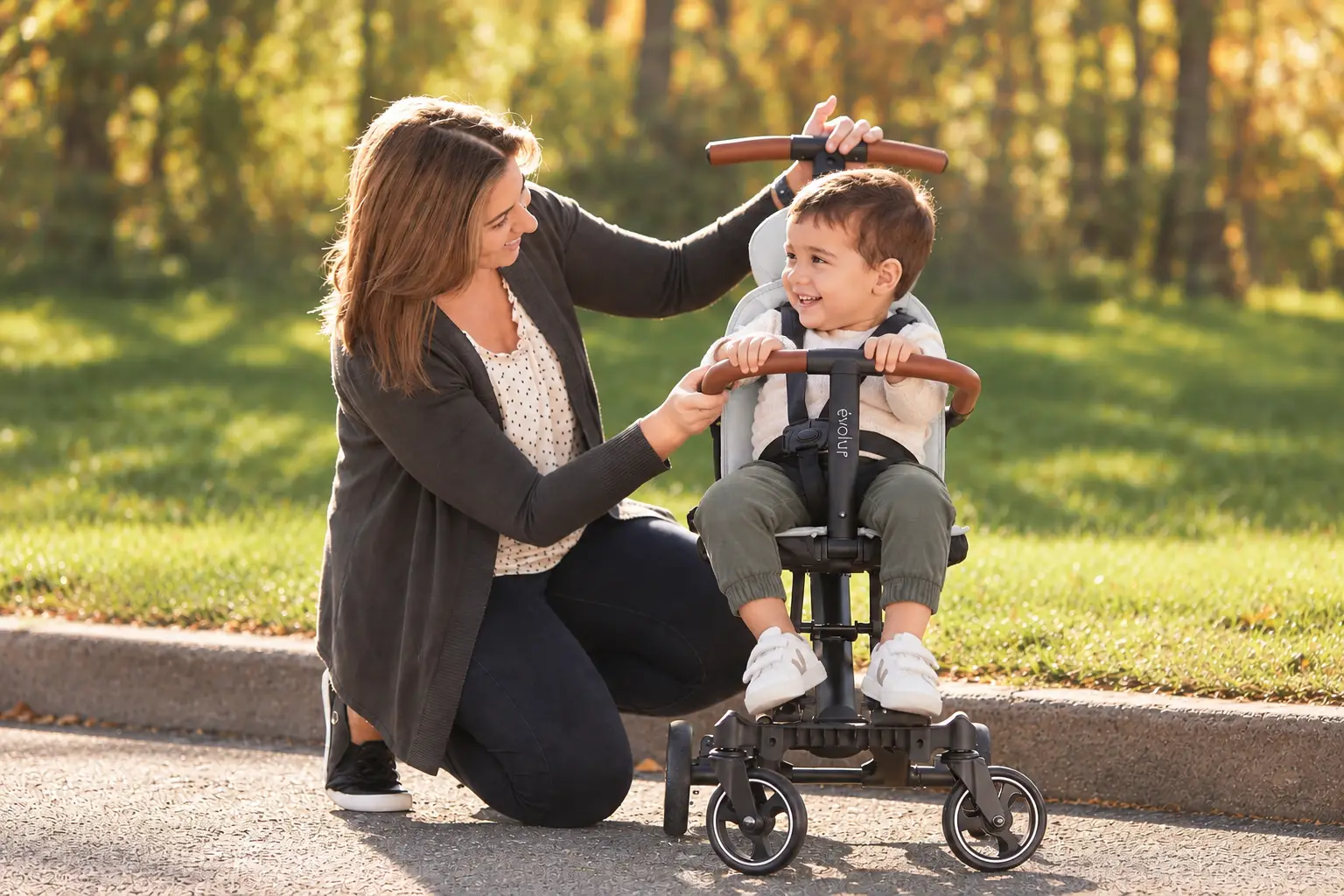
Baby Gear That Looks Safe but Isn’t: What Parents Should Watch For
Baby gear is designed to make parenting easier, but appearance alone doesn't tell you whether a product is safe. From sleep products and loungers to high chairs and changing gear, certain features can create risks that aren't immediately obvious. Here's what parents should look for before bringing baby gear into their home—and the warning signs that shouldn't be ignored.
Read more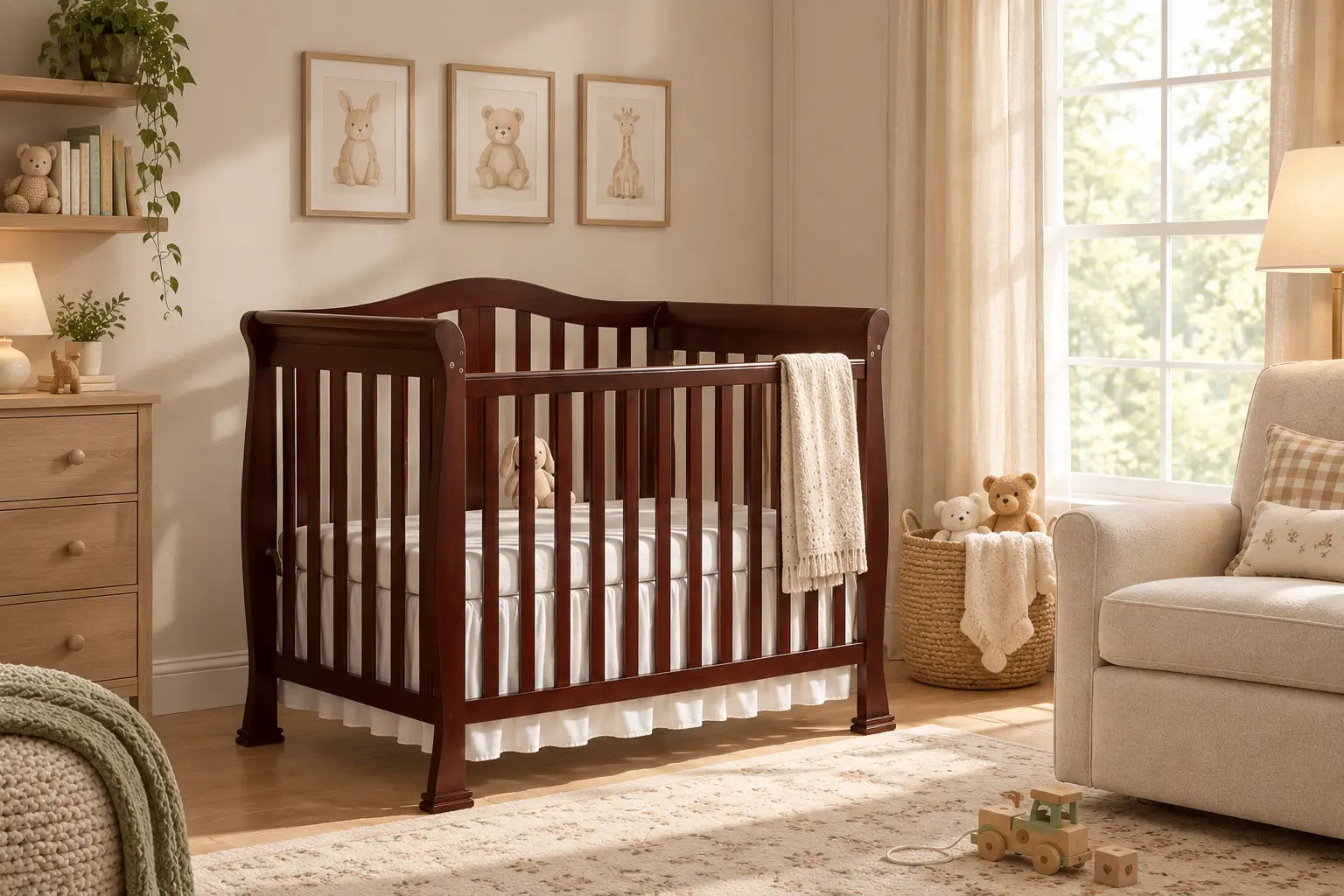
Boston Apartments Are Tiny. These Cribs Were Designed for Them
In Boston, a nursery doesn't always mean a dedicated room. From historic brownstones and walk-up apartments to compact city bedrooms, parents often have to make every square foot count. The right crib can make a surprisingly big difference. Here's how to choose a safe, functional crib that fits a smaller Boston apartment without sacrificing style or room to grow.
Read more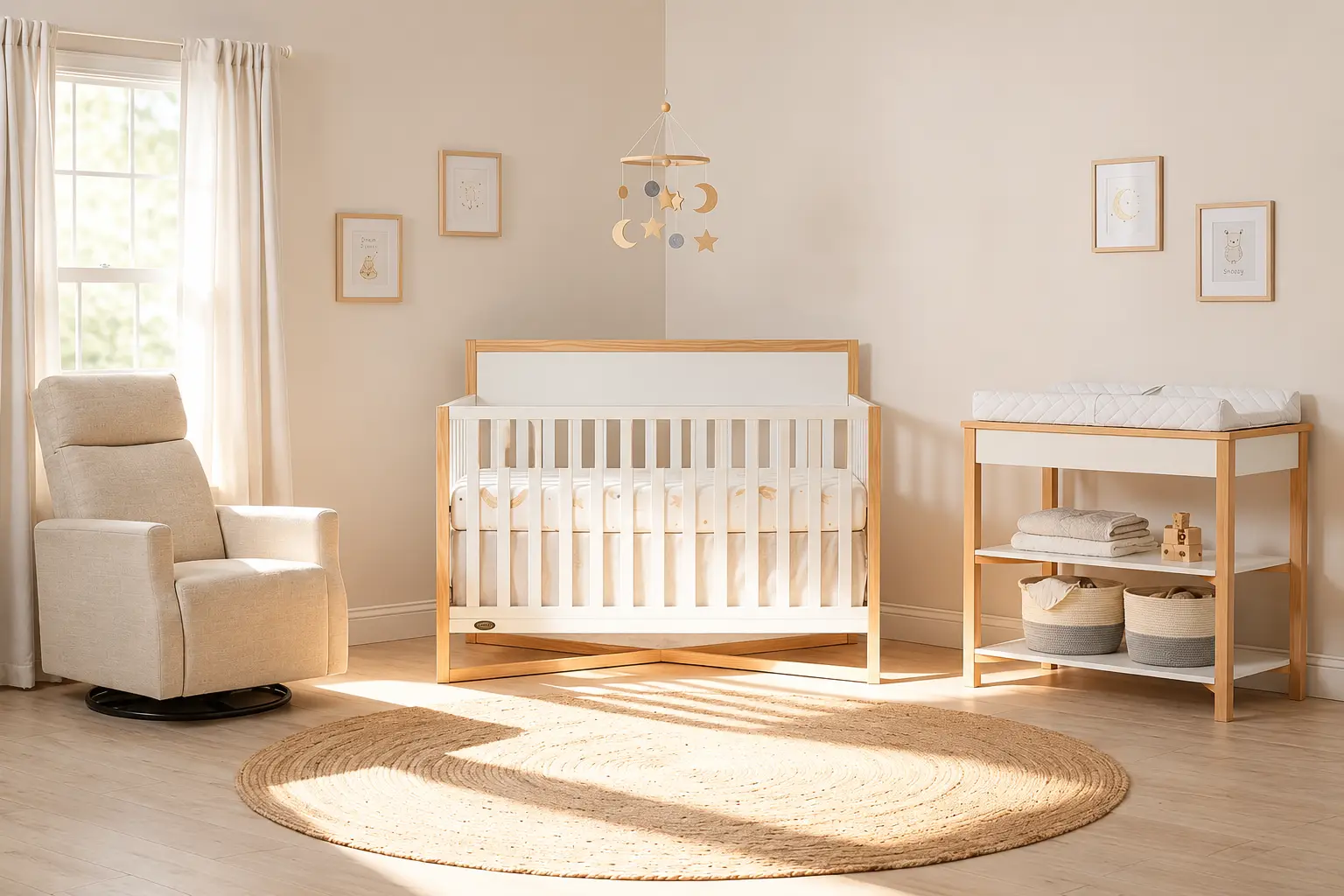
The Hidden Hazards in NYC Apartments That Every Baby Safety Guide Completely Ignores
Babyproofing a New York City apartment isn't quite the same as babyproofing a suburban home. Radiators, fire escapes, narrow layouts, old windows, exposed pipes, and limited storage can create safety challenges that standard babyproofing checklists don't always address. Here's what NYC parents should look for before a baby starts exploring.
Read more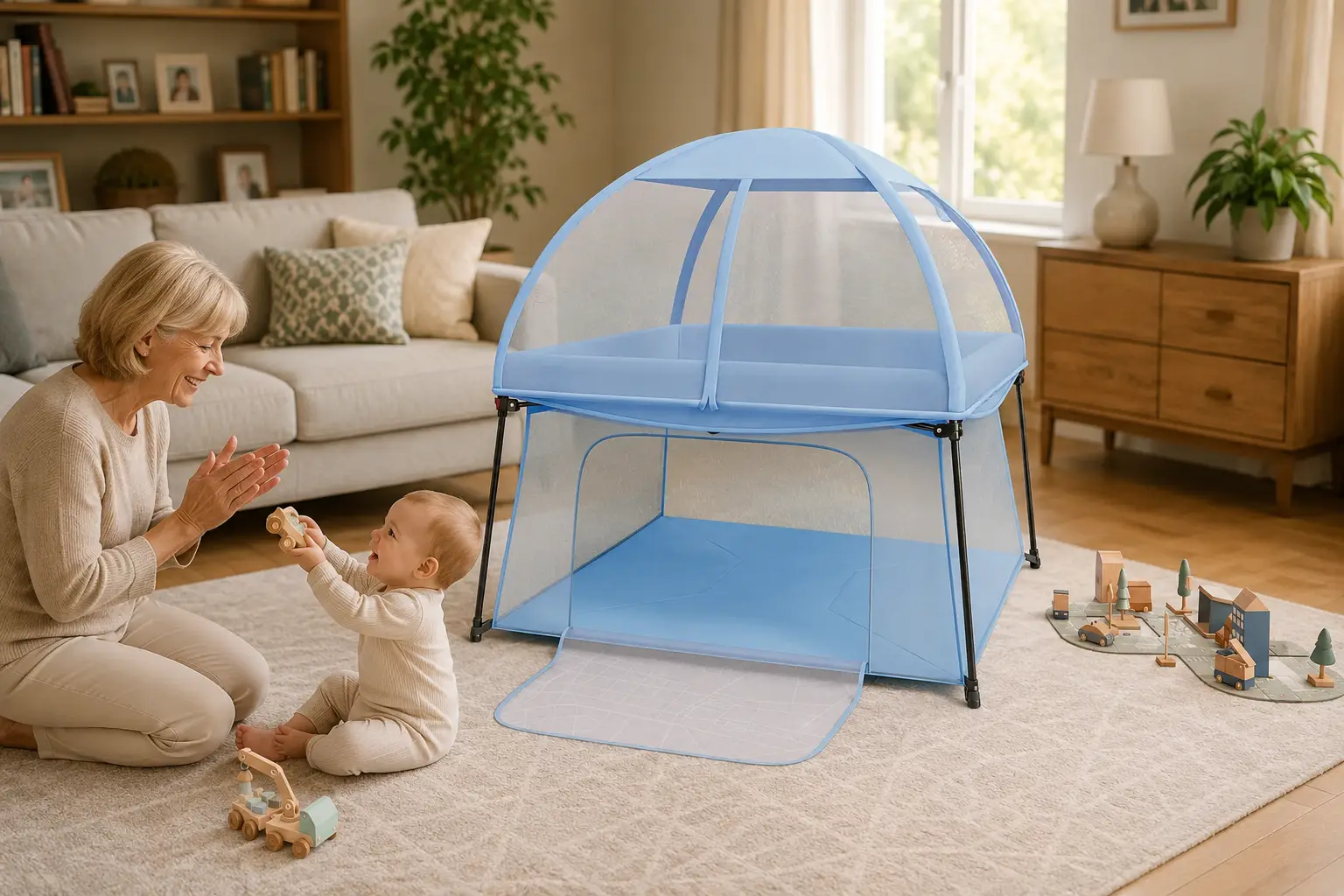
The Grandparents’ Guide to a Baby-Safe Home: What’s Changed Since You Raised Kids
Grandparents have plenty of parenting wisdom to share—but baby safety recommendations have changed significantly over the years. From sleep environments and car seats to cribs and babyproofing, here’s a practical guide to the updated safety advice grandparents should know when preparing their homes for a new grandbaby.
Read more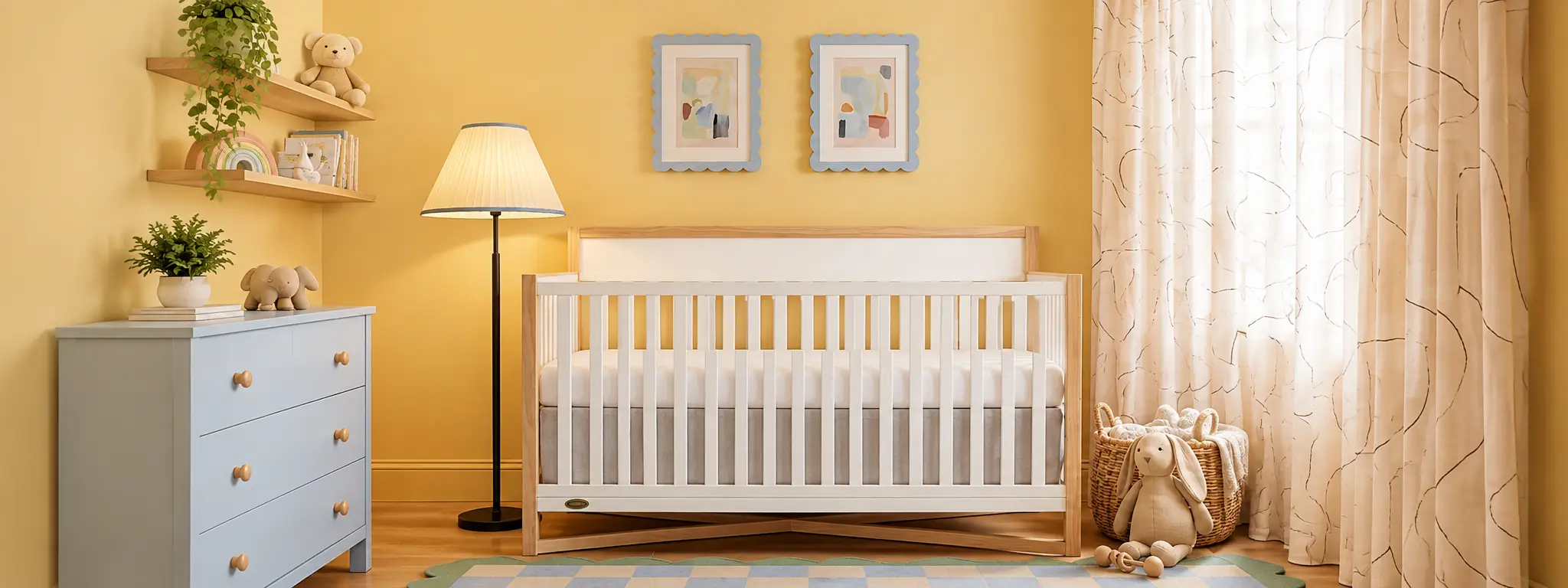
You Can Design a Beautiful Nursery in 80 Square Feet
You don't need a large room to create a nursery that feels beautiful, functional, and calming. Whether you're working with a city apartment, a shared bedroom, or a compact home, thoughtful design choices can make every square foot count. From convertible cribs to vertical storage and light-enhancing color palettes, here's how to create a nursery that works just as hard as you do.
Read more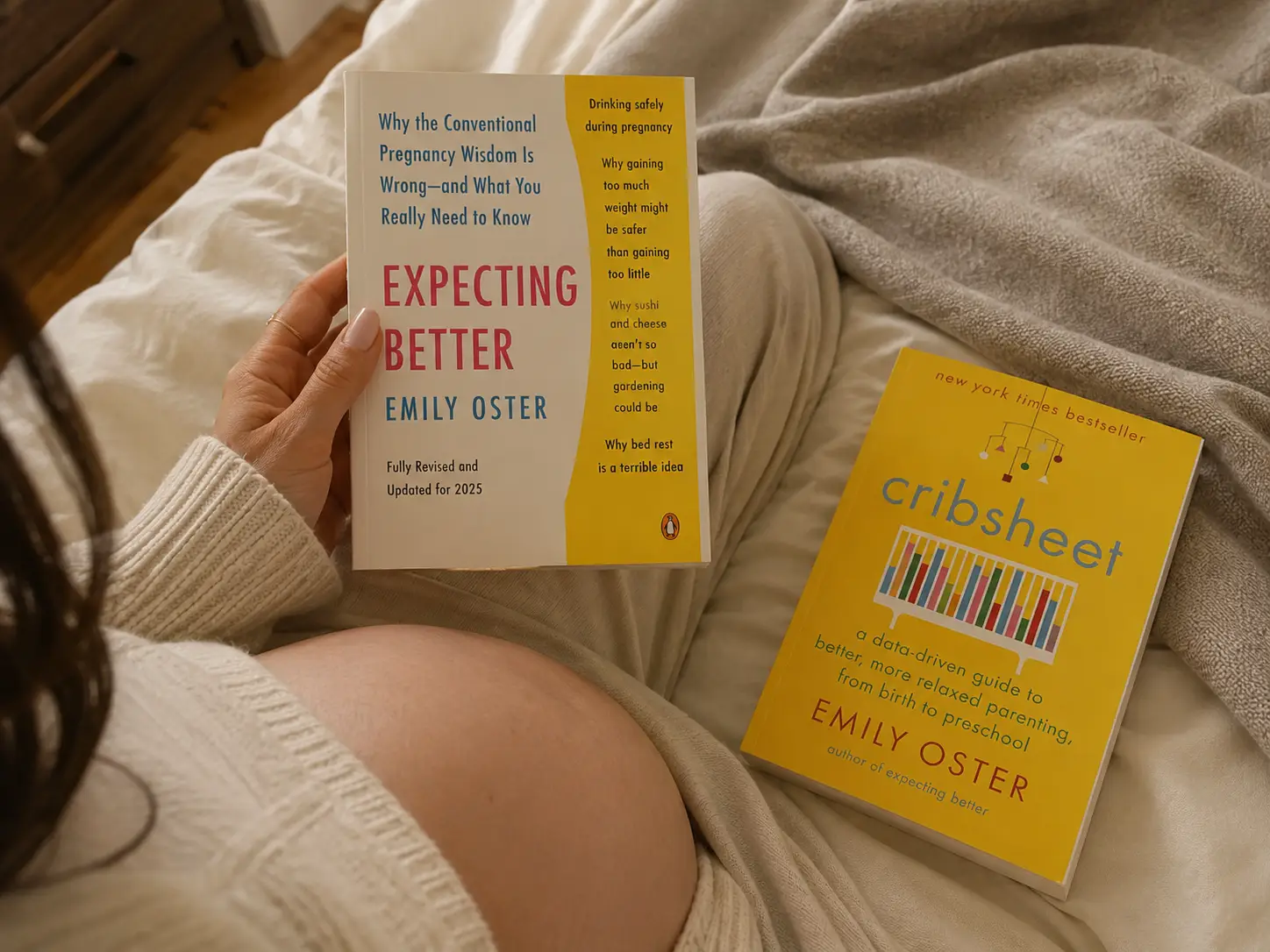
Must-Read List: 10 Best Books for Parents Before Baby Arrives (2026)
Preparing for your baby's arrival goes beyond buying nursery essentials—it also means preparing yourself. Discover the best books for parents, from evidence-based pregnancy guides and newborn care resources to relationship advice and safe sleep recommendations. This curated reading list will help you enter parenthood with confidence.
Read more


