



The Hidden Hazards in NYC Apartments That Every Baby Safety Guide Completely Ignores
7 minute read
September 15, 2026
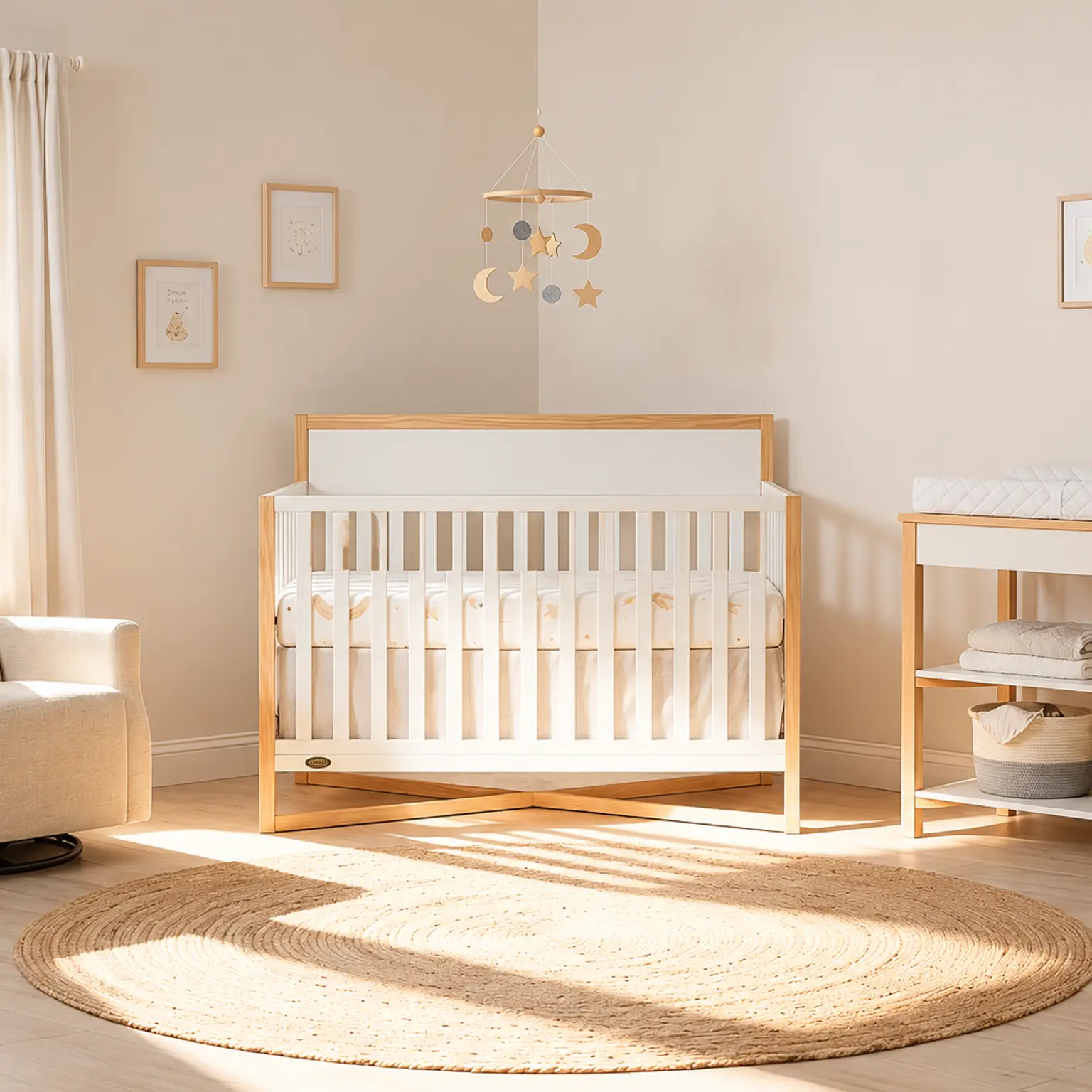
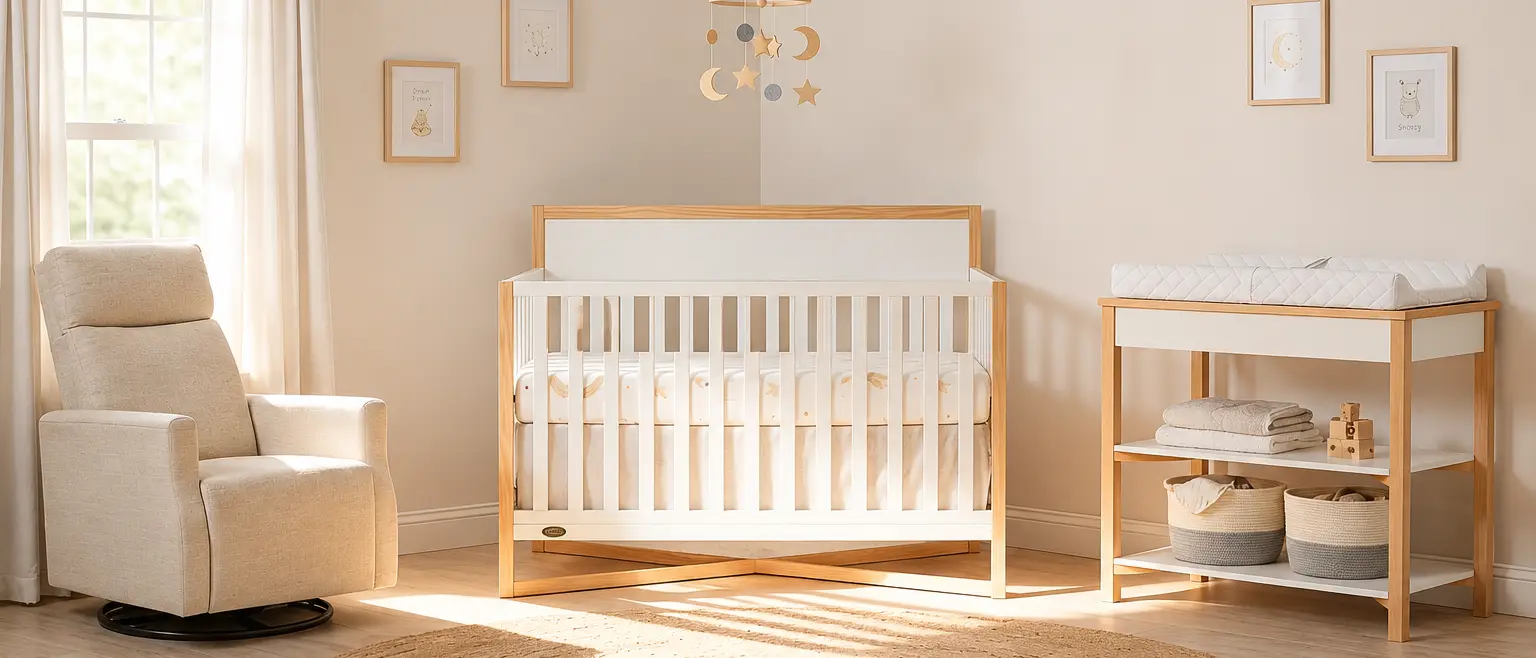
Babyproofing a home usually starts with a familiar checklist: cover the outlets, lock the cabinets, anchor the furniture, and put the cleaning supplies somewhere your baby can't reach.
But babyproofing a New York City apartment can be a little different.
Maybe your nursery is also your home office. Your living room may be the playroom, dining room, and storage area. There's a radiator under the only available window, the kitchen is separated by a narrow walkway, and your building may have windows, fire escapes, pipes, or architectural features that simply don't exist in a typical suburban house.
That doesn't mean an NYC apartment can't be a safe place for a baby.
It just means you have to look at your home differently.
The Biggest Babyproofing Mistake NYC Parents Make: Treating a Small Apartment Like a Small House
When space is limited, every piece of furniture has to work harder.
A dresser might double as storage. A dining table may sit inches from the kitchen. A sofa could be right beside a window. And the baby's crib may have to fit into the only open corner of the room.
The problem isn't necessarily having less space. It's that less space can bring hazards closer together.
Start by thinking about how your baby will move through the apartment rather than simply checking items off a babyproofing list.
Get down on the floor and look around.
What can your baby reach once they're crawling? What can they pull themselves up on? Which cords cross the floor? Which furniture pieces are close enough to become climbing steps?
Then look at the apartment vertically.
Shelves, windowsills, hanging cords, wall-mounted objects, and furniture within climbing distance all become more important once your baby starts pulling up.
The goal isn't to make every inch of the apartment inaccessible. It's to identify the areas where your baby's growing mobility and your apartment's layout could overlap.
Where You Put the Crib Matters More When You Don't Have Much Space
In a larger home, you may have several options for where to place a crib.
In a New York apartment, you may have one.
But don't let convenience be the only factor.
A crib shouldn't be positioned directly beside a window, especially if a baby could eventually climb or reach the window. NYC Health specifically advises keeping beds, chairs, and other furniture away from windows, and screens should never be treated as a substitute for approved window guards.
Think about what's above and around the crib, too.
Avoid placing it directly beneath shelves, hanging décor, cords, or anything else that could become accessible as your baby grows.
And don't forget the sleep surface itself. A safe crib and cradle paired with a properly fitting crib mattress gives you a much better starting point than trying to improvise a sleep space around the limitations of a small room.
The crib doesn't have to be the centerpiece of the apartment. It just needs to be in a location that stays safe as your baby becomes more mobile.
Furniture Tip-Overs in Small, Crowded Spaces
Furniture tip-over hazards aren't unique to NYC, but small apartments can make them easier to overlook.
When furniture is packed closely together, it's tempting to push a dresser against another piece, place a television on the nearest available surface, or use a bookshelf as both storage and room divider.
But once a baby starts climbing, those everyday decisions can become safety issues.
The U.S. Consumer Product Safety Commission recommends anchoring furniture, televisions, and appliances that could tip over. Children may climb, pull themselves up, or use furniture in ways adults don't anticipate.
Pay particular attention to:
Dressers and changing tables
Bookshelves and storage units
Freestanding televisions
Tall cabinets
Furniture placed near a crib or play area
Anything a child could use as a climbing step
In a small apartment, also look at furniture placement.
A dresser next to a window isn't just a furniture issue. A chair pushed against that dresser might give a crawling or climbing baby another way to reach the window.
One hazard can create another when everything is close together.
The Radiator Problem: How to Plan a Nursery Around NYC's Built-In Heat
Radiators are one of those things that can disappear into the background when you're used to seeing them.
Until you have a crawling baby.
A radiator can become hot enough to cause burns, while its pipes and surrounding area may also become interesting to a curious toddler.
If your apartment has radiators in the nursery or living area, don't simply arrange the furniture around them and assume you're done.
Think about how the space will work once your baby can crawl, pull up, and walk.
Keep the crib, changing area, and other baby furniture positioned so your child can't easily reach a hot radiator or pipe. Avoid using furniture as a makeshift barrier if it could itself become a climbing opportunity.
You should also make sure any radiator cover or guard you use is appropriate for the specific heating system and doesn't create additional hazards.
If you're unsure about the temperature or condition of a radiator, talk to your building management or a qualified professional rather than improvising a solution.
The same principle applies to exposed pipes and other permanent fixtures.
You may not be able to remove them—but you can plan the room around them.
Cords, Outlets, and Appliances in Compact Kitchens
NYC kitchens can be tiny, which means appliances, outlets, cords, and work surfaces often end up close together.
That makes the kitchen another area worth babyproofing early.
Start with accessible outlets and cords. Keep appliance cords away from the edge of counters and anywhere a baby could eventually pull on them.
Pay particular attention to dangling cords from window coverings. The CPSC recommends cordless window coverings in homes with young children because accessible cords can create strangulation hazards.
Then look at the appliances themselves.
A toaster, coffee maker, air fryer, or kettle may seem harmless when you're thinking about a baby who can't move. Once that baby can reach up and grab a cord, the situation changes.
Keep cleaning products, sharp objects, medications, and other hazardous items secured rather than simply placing them toward the back of a counter.
And don't forget the trash.
In a compact kitchen, a trash can may be within easy reach of a curious toddler. If it contains food scraps, packaging, medication, or other potentially hazardous objects, consider moving it behind a secured cabinet or using a child-resistant solution.
The NYC Apartment Safety Walk-Through Every New Parent Should Do
Before your baby starts crawling, spend 15 minutes walking through your apartment at their level.
Don't just look for the hazards you've already heard about. Look for the ones created by your particular building and layout.
Check:
Windows: Are approved window guards or appropriate limiting devices installed where required? Screens are not a substitute for window guards. NYC rules require approved window guards or limiting devices in many apartments where children 10 or younger reside.
Window AC units: If you have a window air conditioner, make sure it is securely and permanently installed according to NYC requirements. Improper AC installation has been linked to child window falls.
Fire escapes: Keep children away from fire escapes, balconies, terraces, and rooftops unless an adult is directly supervising them. Windows that provide access to fire escapes are treated differently under NYC's window-guard rules because they may serve as emergency exits.
Furniture: Anchor dressers, bookshelves, televisions, and other furniture that could tip.
Radiators: Identify every hot radiator and exposed pipe your baby could eventually reach.
Cords: Check window coverings, lamps, chargers, and appliances for dangling or accessible cords.
Kitchen: Secure cleaning products, sharp objects, medications, appliances, and anything else within reach.
Crib area: Keep the crib away from windows, cords, shelves, and other hazards.
Changing area: Make sure the changing setup is stable and that supplies can be reached by you without leaving the baby unattended.
Floor level: Look for small objects, loose cords, furniture gaps, and anything else a crawling baby could grab.
If your apartment is especially tight on space, don't feel like you need to buy more furniture to make it safer.
Sometimes the safest change is simply moving something you already own.
A changing table may work better against a different wall. A bookshelf may need to be anchored and moved away from the crib. A chair might need to be relocated from beneath a window.
The best babyproofing plan is the one that works with your apartment instead of fighting against it.
FAQs
How do I babyproof an NYC apartment?
Start with windows, furniture, radiators, cords, outlets, kitchens, and any areas where your baby's growing mobility intersects with the apartment's layout. NYC apartments often require more attention to permanent fixtures and limited space than a typical suburban home.
Are radiators dangerous for babies?
Radiators and exposed heating pipes can become burn hazards when they are hot and accessible to a crawling or walking child. Keep baby furniture away from them and use only appropriate safety solutions for your specific heating system.
Do NYC apartments require window guards?
In many NYC residential buildings with three or more apartments, approved window guards or limiting devices are required when a child age 10 or younger resides in the apartment. There are exceptions for certain emergency-exit windows, including windows providing access to fire escapes.
How can I make apartment windows safer for my baby?
Use approved window guards or appropriate limiting devices where required, keep furniture away from windows, and never rely on window screens to prevent falls. If you have a window AC unit, make sure it is securely installed according to NYC requirements.
How do I secure furniture in a small apartment?
Anchor dressers, bookshelves, televisions, and other furniture that could tip. Also consider the surrounding layout: chairs, tables, or other furniture can unintentionally create climbing routes toward windows or other hazards.
How do I babyproof a small NYC apartment?
Think in zones rather than rooms. Create a safe sleep area, a secure play area, and protected pathways through the kitchen and living spaces. You don't need a large nursery—you need a layout that remains safe as your baby becomes more mobile.
Are fire escapes safe for babies?
Fire escapes are emergency exits, not play areas. NYC Health advises that children should never play unsupervised on fire escapes, balconies, terraces, or rooftops.
What are the biggest baby safety hazards in older NYC apartments?
Older apartments can have a combination of hazards, including unguarded or improperly guarded windows, radiators and exposed pipes, older window coverings with cords, tight furniture layouts, and limited storage. Focus on the features unique to your particular apartment rather than assuming a standard babyproofing checklist covers everything.
Wrapping Up
Babyproofing an NYC apartment isn't about making a small space look like a showroom for baby safety products.
It's about understanding how your apartment actually works.
The radiator that has always been part of the living room. The window beside the sofa. The bookshelf you thought was too heavy to move. The kitchen appliance with a cord hanging just a little too low.
Those are the details worth noticing.
Walk through your apartment at your baby's level, make the changes you can, ask your landlord or building management about building-specific safety requirements, and revisit the space as your baby becomes more mobile.
Because in a New York apartment, baby safety isn't always about having more room.
It's about making the room you have work safely for the little person who's about to explore every inch of it.
Suggested For You
The Grandparents’ Guide to a Baby-Safe Home: What’s Changed Since You Raised Kids
Grandparents have plenty of parenting wisdom to share—but baby safety recommendations have changed significantly over the years. From sleep environments and car seats to cribs and babyproofing, here’s a practical guide to the updated safety advice grandparents should know when preparing their homes for a new grandbaby.
Read more
You Can Design a Beautiful Nursery in 80 Square Feet
You don't need a large room to create a nursery that feels beautiful, functional, and calming. Whether you're working with a city apartment, a shared bedroom, or a compact home, thoughtful design choices can make every square foot count. From convertible cribs to vertical storage and light-enhancing color palettes, here's how to create a nursery that works just as hard as you do.
Read more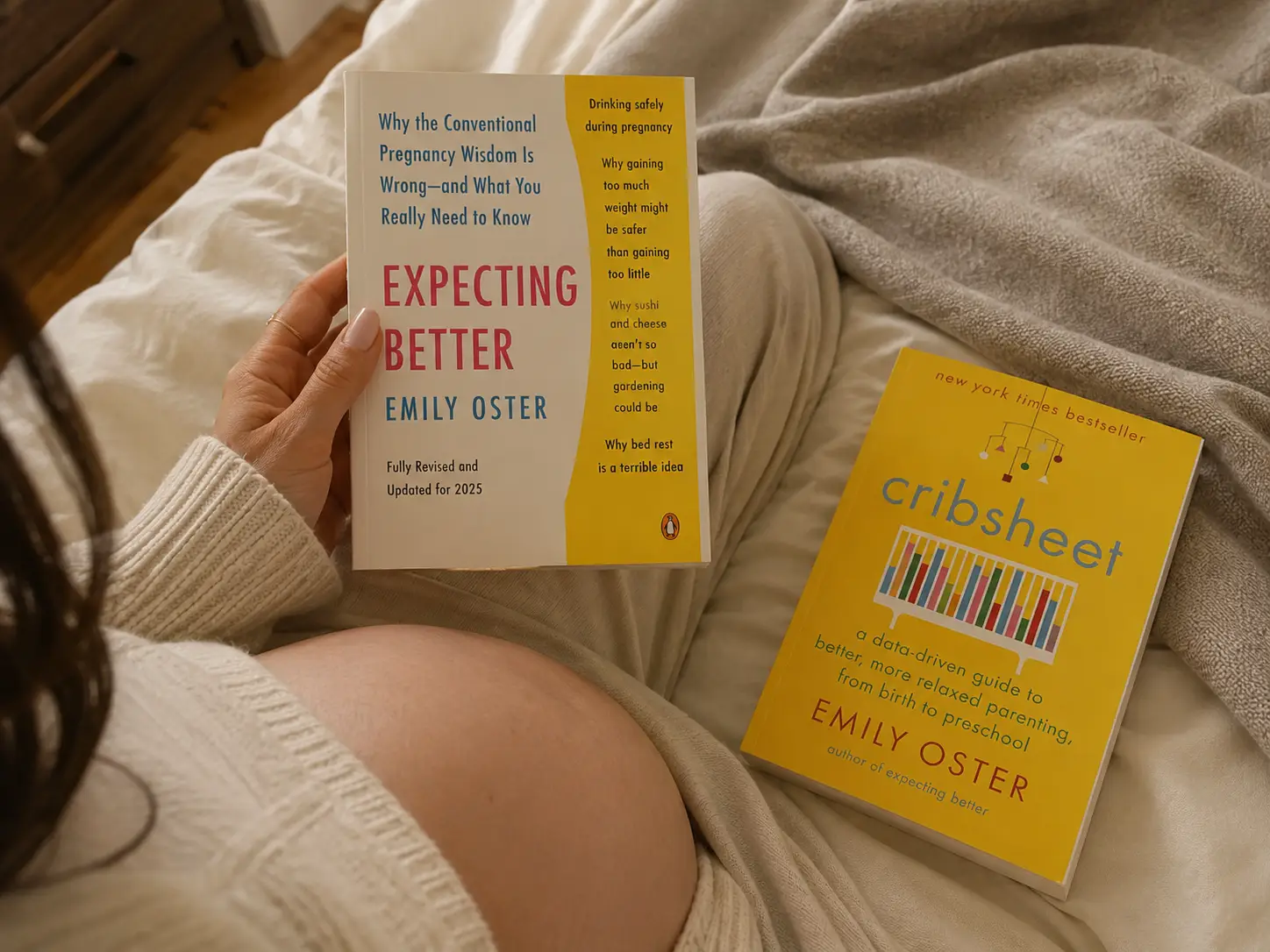
Must-Read List: 10 Best Books for Parents Before Baby Arrives (2026)
Preparing for your baby's arrival goes beyond buying nursery essentials—it also means preparing yourself. Discover the best books for parents, from evidence-based pregnancy guides and newborn care resources to relationship advice and safe sleep recommendations. This curated reading list will help you enter parenthood with confidence.
Read more
Beach, Travel, and Naps on the Go: The Best Baby Gear for Summer Adventures
Planning summer adventures with your little one? The right baby gear can make every beach day, road trip, and family getaway easier. From spacious diaper bags and all-terrain double strollers to portable pack n plays and travel-friendly high chairs, here's everything you need to keep your baby safe, comfortable, and happy on the go.
Read more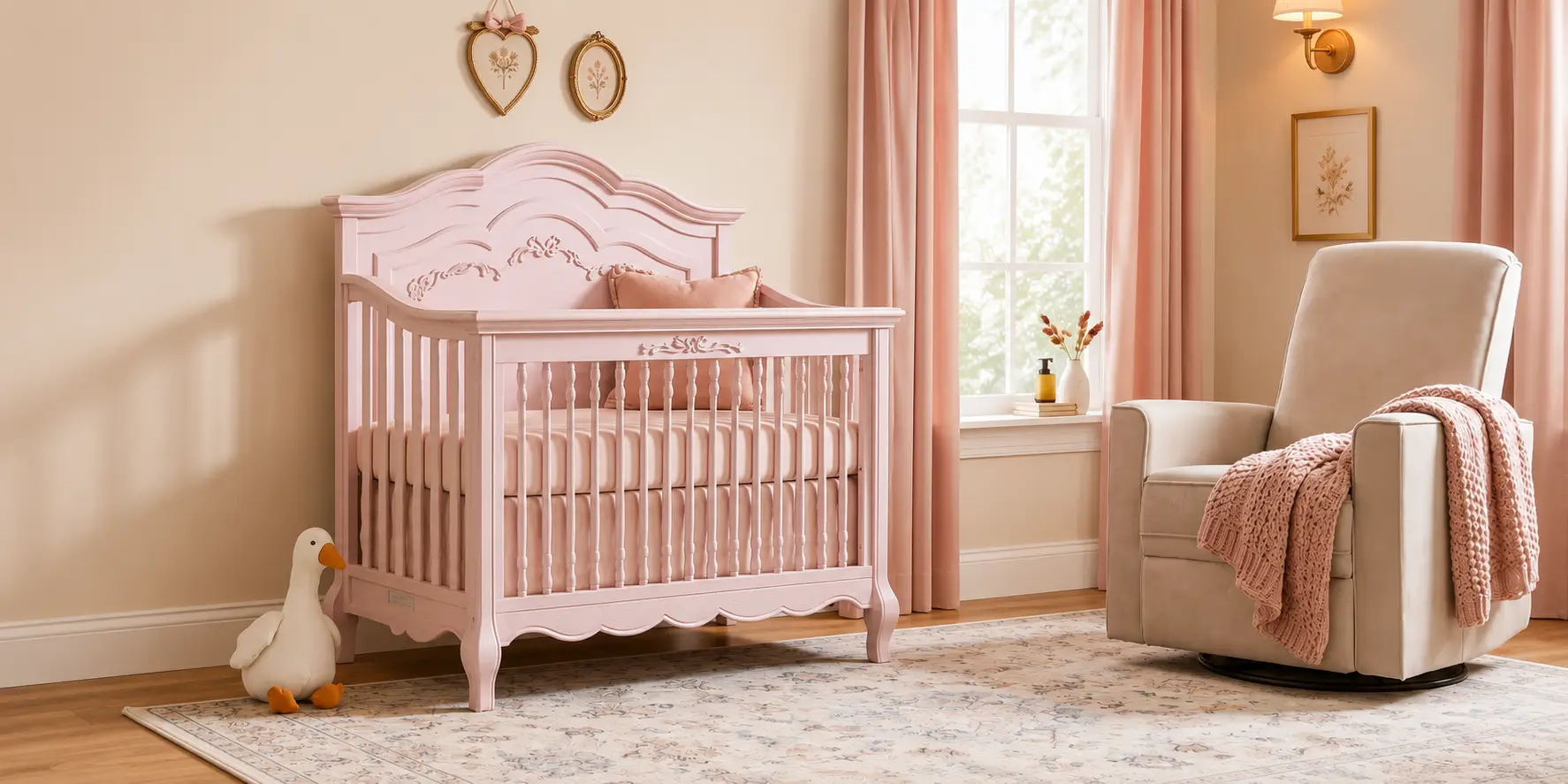
From Crib to Big Kid Bed: How Convertible Cribs Actually Work (and When to Make the Switch)
Convertible cribs are designed to grow with your child—but knowing how they convert and when to make the switch matters just as much as the crib itself. Here’s how to transition safely, confidently, and without disrupting sleep.
Read more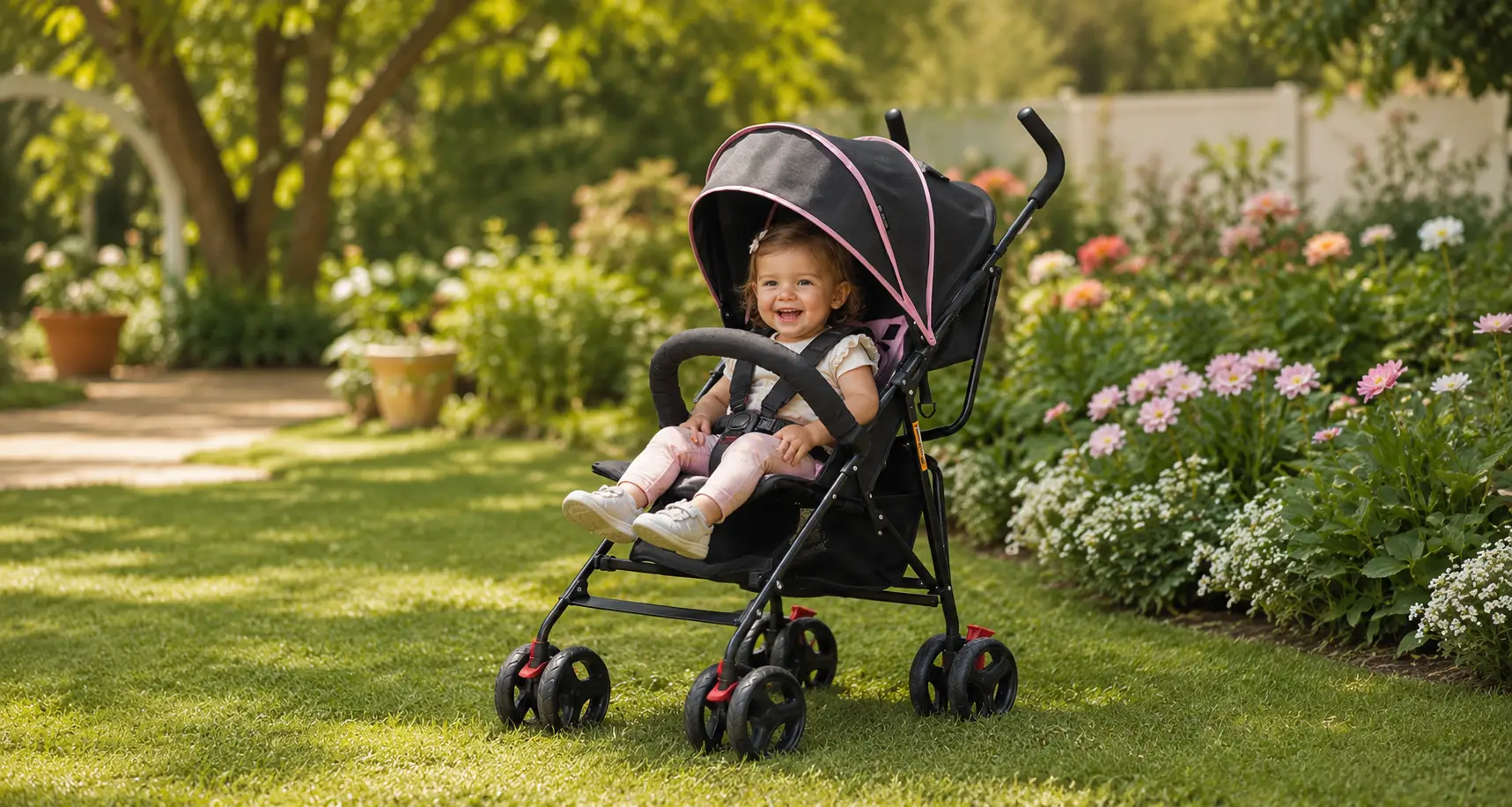
Worth It or Not? The Baby Products Parents Absolutely Swear By in 2026
Not all baby products are created equal. With endless options and price points, modern parents are becoming more selective, investing in high-utility essentials and skipping items that don’t deliver long-term value. This guide breaks down the baby products parents genuinely swear by in 2026, with expert-backed insights and trusted recommendations.
Read more
Why Every Parent Needs a Functional Diaper Bag in 2026
From daycare drop-offs and pediatrician visits to weekend errands and travel, parents need gear that works as hard as they do. That’s why the modern diaper bag has evolved far beyond a simple tote, it’s now a daily command center. Today’s best diaper bags combine thoughtful organization, durability, safety-conscious materials, and style that fits seamlessly into everyday life.
Read more


