



Rainy Fall Days in Seattle: Indoor Activities for Babies and Toddlers
5–6 minute read
October 15, 2026
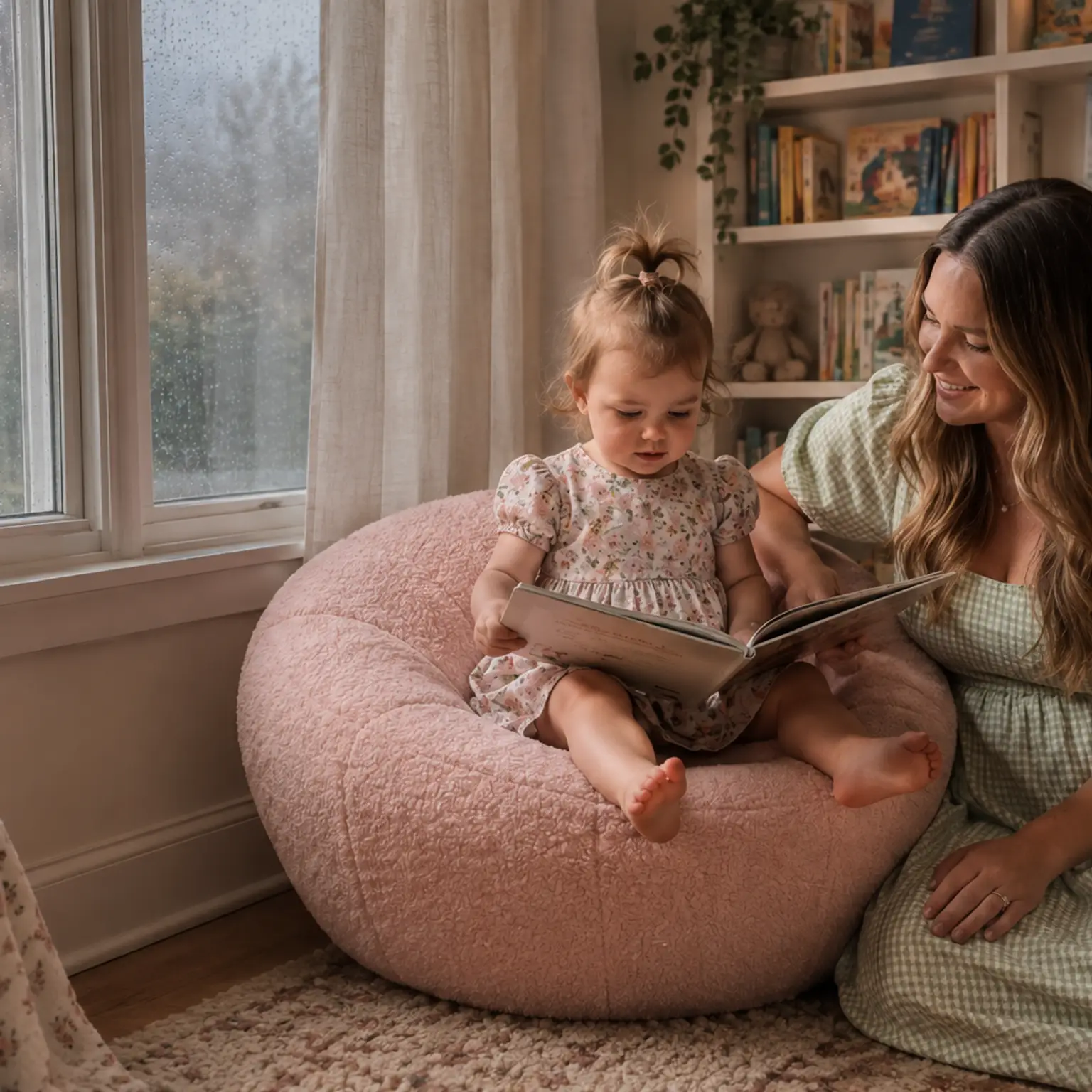
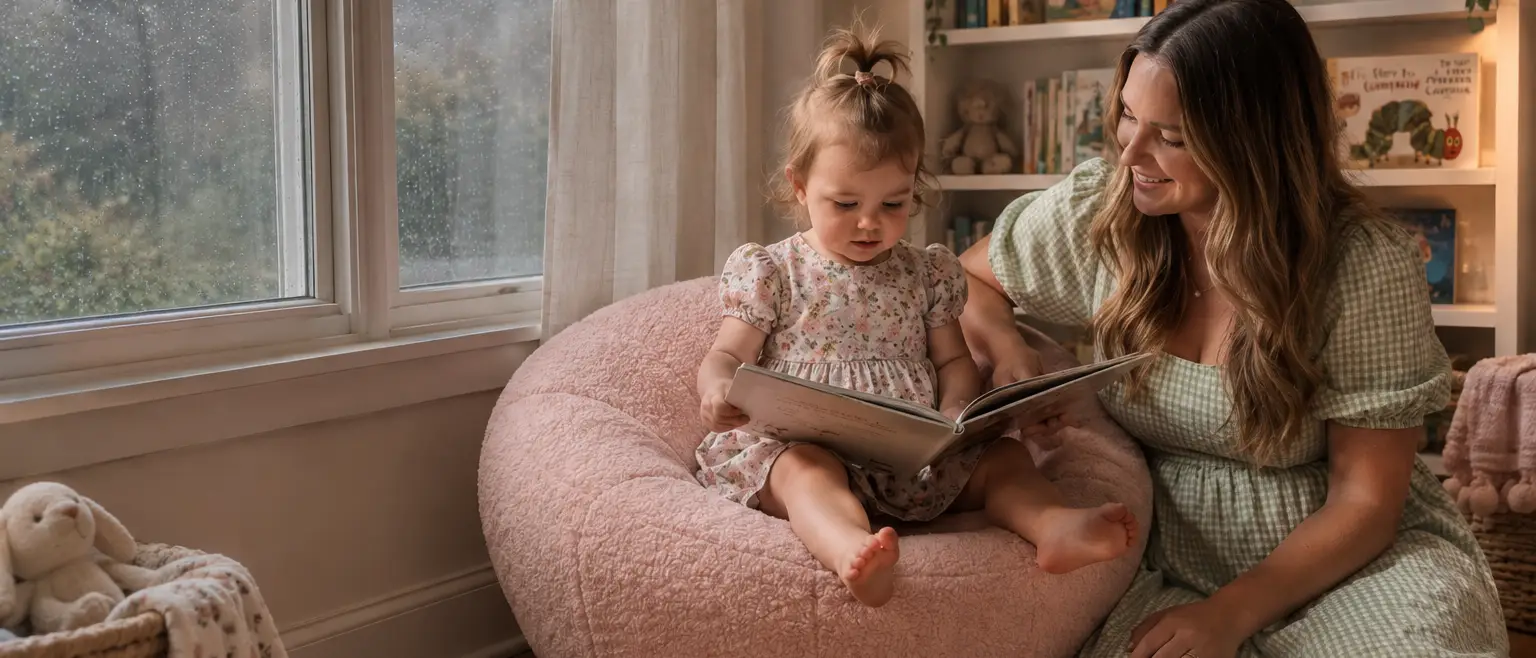
Rainy days are part of life in Seattle, especially once fall settles in. And when you have a baby or toddler at home, a full afternoon indoors can sometimes feel much longer than it actually is.
But staying inside doesn't have to mean spending the day trying to keep your little one entertained.
A few simple activities can turn your living room into a play space, while Seattle has plenty of indoor options when everyone needs a change of scenery. From library visits and children's museums to swimming and hands-on play, there are plenty of ways to make a rainy fall day feel a little more exciting.
Here are some easy indoor activities for babies and toddlers to try at home and around Seattle.
Why Rainy Days Can Be Great for Indoor Play
Rainy weather naturally slows things down.
Instead of rushing from one activity to another, you may have more time to sit on the floor with your baby, read a few extra books, or let your toddler explore an activity at their own pace.
Indoor play can also create opportunities for different kinds of development. Babies can practice reaching, grasping, looking, listening, and moving, while toddlers can work on coordination, problem-solving, language, and imaginative play.
And the best part? You don't need a house full of new toys to make it happen.
Sometimes a basket of safe household objects, a stack of books, or a few cushions on the floor is enough to create something new.
Easy Indoor Activities to Try at Home
When the rain is coming down outside, start with activities that are simple to set up and easy to adapt to your child's age.
Sensory Play
Babies and toddlers are naturally curious about how things look, feel, sound, and move.
For younger babies, you can offer supervised opportunities to explore different safe textures, such as a soft blanket, a crinkly fabric book, or a textured baby toy.
For toddlers, try a simple sensory bin using age-appropriate materials they can safely handle. You could add large household objects with different textures, cups for scooping, or soft fabric pieces.
Keep sensory activities age-appropriate and closely supervise your child, particularly around anything small enough to become a choking hazard.
You can also make sensory play even simpler. Fill a container with water and let your toddler explore it with cups and spoons, or give them a damp cloth and let them "wash" washable toys.
The activity doesn't have to be complicated to be interesting.
Reading & Cozy Corners
Rainy afternoons are made for books.
Create a small reading corner with a few favorite books, a soft rug or blanket, and a comfortable place for you and your child to sit together.
For babies, reading doesn't have to mean getting through an entire story. Point to pictures, make sounds, name objects, and let your baby turn or touch the pages.
Toddlers can choose the next book, point out familiar objects, or help complete repeated phrases in a familiar story.
You can even rotate the books you keep in the corner so that a few older favorites feel new again.
Movement & Indoor Play
Rain doesn't mean your toddler has to sit still all day.
Clear a safe area and create a simple indoor movement course using cushions, soft toys, or a play tunnel. Encourage your toddler to crawl, walk around obstacles, reach, stretch, or carry lightweight objects from one side of the room to another.
For younger babies, floor time can be as simple as placing an age-appropriate toy just within reach and encouraging them to move toward it.
Music can also turn a rainy afternoon into a mini dance party. Put on a few favorite songs and encourage your toddler to clap, march, jump, or copy your movements.
Keep the setup simple and make sure the play area is free from sharp edges, unstable furniture, and objects that could cause falls.
Simple Arts & Crafts
Arts and crafts don't need to become a Pinterest project.
For toddlers, try washable crayons, large sheets of paper, stickers, or simple stamping activities. You can also give your child a cardboard box and let them decorate it or turn it into a pretend house, car, or shop.
For babies who aren't ready for traditional crafts, focus on watching and exploring. Let them look at colorful paper, listen to the sounds of crinkling materials, or explore age-appropriate art supplies only when they can be used safely under close supervision.
The goal isn't a perfect finished project. It's giving your child a chance to explore and create.
Baby- and Toddler-Friendly Places to Visit in Seattle
Sometimes everyone simply needs to get out of the house.
Seattle offers several indoor options for families, and what's best will depend on your child's age, interests, and how much activity you're looking for.
Seattle Children's Museum
Located at Seattle Center, Seattle Children's Museum offers hands-on play experiences designed with young children in mind. Visit Seattle highlights areas specifically suited to younger children, including a designated space for children under three.
It's a good option when your toddler needs more active, hands-on play than you can provide at home.
Seattle Public Library
A library visit can be an easy, low-key rainy-day outing. Check your local Seattle Public Library branch for children's programming, storytimes, and family activities before heading out.
A library can also become part of your regular rainy-day routine: choose a few books, spend some quiet time reading, and head home with something new to explore.
Seattle Aquarium
For a rainy-day outing that feels more like an adventure, the Seattle Aquarium offers an indoor way to explore marine life with your child. The aquarium is open daily, with regular hours of 9:30 a.m. to 6 p.m. and last entry at 5 p.m.; families should check for special hours before visiting.
It's also located on Seattle's central waterfront and is accessible by public transportation, which can make planning the trip easier for families without a car.
Seattle Parks & Recreation Community Centers
Seattle Parks & Recreation operates 26 community centers around the city, with programs and activities that vary by location and season. Several locations offer toddler indoor play areas, including Tot Gyms and toddler playrooms.
Check your neighborhood community center before heading out because schedules, age requirements, and availability can change.
Indoor pools are another option for families. Seattle Parks & Recreation currently operates eight indoor pools, with schedules and programs varying by location.
Family Programs & Events
Seattle Parks & Recreation also offers family programs, arts activities, toddler programs, and seasonal events throughout the city. Fall programming changes throughout the season, so check the current schedule before making plans.
For a broader look at family-friendly things to do around the city, Visit Seattle also maintains a guide to family activities and age-specific ideas.
Create a Cozy Fall Play Space at Home
You don't need a dedicated playroom to create a comfortable indoor space for your little one.
Choose one area of your home and make it easy for your child to explore. A playard can provide a defined space for supervised play, while a soft mat, a few favorite toys, and a small collection of books can make the area feel inviting.
You could include:
- A comfortable play mat
- A few age-appropriate toys
- Soft books or board books
- A small basket for easy toy rotation
- Cushions for supervised floor play
- A comfortable chair or seating area for you
- A playard when you need a defined play space
The Ever & Ever Playards collection (https://everandeverbaby.com/collections/playards) can be a useful addition to an indoor setup when you want a dedicated space for your baby's supervised play.
Keep the space simple rather than filling every corner. Rotating toys every few days can make familiar items feel interesting again without adding more clutter.
Indoor Activities That Grow With Your Child
The same rainy afternoon can look completely different depending on your child's developmental stage.
For Young Babies
Focus on simple sensory and connection-based activities:
- Tummy time with an age-appropriate toy nearby
- Looking at picture books together
- Singing songs and making different sounds
- Exploring safe textures
- Reaching for toys
- Gentle movement and floor play
At this stage, your attention is often the most interesting part of the activity.
For Mobile Babies
Once your baby is crawling, sitting, or pulling up, movement becomes a bigger part of play.
Try:
- Creating a safe crawling area
- Placing toys at different reachable positions
- Playing peekaboo
- Rolling a soft ball back and forth
- Exploring a supervised toy basket
- Moving between different play stations
Make sure the area is babyproofed before encouraging more independent movement.
For Toddlers
Toddlers are ready for activities that involve more choice and imagination.
Try:
- Simple obstacle courses
- Building with large blocks
- Pretend play
- Sticker activities
- Drawing with washable crayons
- Sorting objects by color or size
- Dance parties
- Helping with simple household tasks
You can also let your toddler choose between two activities rather than presenting them with an entire list. A little independence can make a familiar activity feel much more exciting.
Rainy-Day Essentials for Seattle Parents
If you're heading outside despite the rain, a little preparation can make the outing much easier.
Your baby gear for fall might include:
- A stroller suited to your everyday routine
- A stroller rain cover or weather accessory approved for your stroller
- An organized diaper bag
- An extra outfit
- A warm layer
- Socks or other weather-appropriate clothing
- Diapers and wipes
- Feeding supplies
- A small comfort item
- One compact toy or book for waiting time
If you're using a stroller rain cover, follow the manufacturer's instructions and make sure the accessory is intended for your stroller model. Avoid covering a stroller in ways that could interfere with ventilation or visibility.
A well-organized diaper bag can also make rainy outings easier. Keep frequently used items in accessible pockets so you aren't digging through the entire bag while standing under an awning.
The Ever & Ever Strollers collection (https://everandeverbaby.com/collections/strollers-accessories) and Diaper Bags collection (https://everandeverbaby.com/collections/changing-diapering) can help you build a practical setup for everyday outings.
Frequently Asked Questions
What can I do with my baby on a rainy day in Seattle?
Try simple indoor activities such as reading, supervised sensory play, tummy time, music, floor play, and exploring age-appropriate toys. For an outing, consider a children's museum, library program, aquarium, community center, or indoor pool, depending on your baby's age and the day's schedule.
What are the best indoor activities for toddlers?
Toddlers often enjoy activities that let them move, explore, and make choices. Try obstacle courses, pretend play, simple crafts, building activities, sensory play, dancing, and indoor play spaces.
Where can I take my toddler on a rainy day in Seattle?
Seattle Children's Museum, local library programs, the Seattle Aquarium, and Seattle Parks & Recreation community centers are all options to consider. Programs and hours can vary, so check the destination's current schedule before visiting.
What are easy indoor activities for babies?
Reading together, tummy time, singing, peekaboo, supervised sensory exploration, and reaching for age-appropriate toys are all simple options. You don't need elaborate activities to keep a young baby engaged.
How can I keep my toddler active indoors?
Create a safe space where your toddler can move. Try a simple obstacle course, dancing, crawling games, balloon-free movement games, or a "treasure hunt" where they walk around the room looking for familiar objects.
What should I pack for a rainy-day outing with a baby?
Pack diapers, wipes, a changing pad, an extra outfit, a warm layer, feeding supplies, and a small comfort item. If you're heading outside, consider weather protection for both your baby and stroller and keep a compact toy or book handy for indoor stops.
Wrapping Up
Rainy fall days don't have to mean being stuck at home with nothing to do.
Sometimes the best activity is a blanket, a few books, and an hour on the floor together. Other days, everyone may need a change of scenery, whether that's a children's museum, library, aquarium, or community center.
The key is to keep your options simple.
Create a cozy play space. Rotate a few toys. Get outside when the weather allows. And when the rain really settles in, remember that a slow afternoon at home can be just as meaningful as a busy day out.
You don't have to beat the rain. You just need a few good ways to enjoy the day around it.
Suggested For You
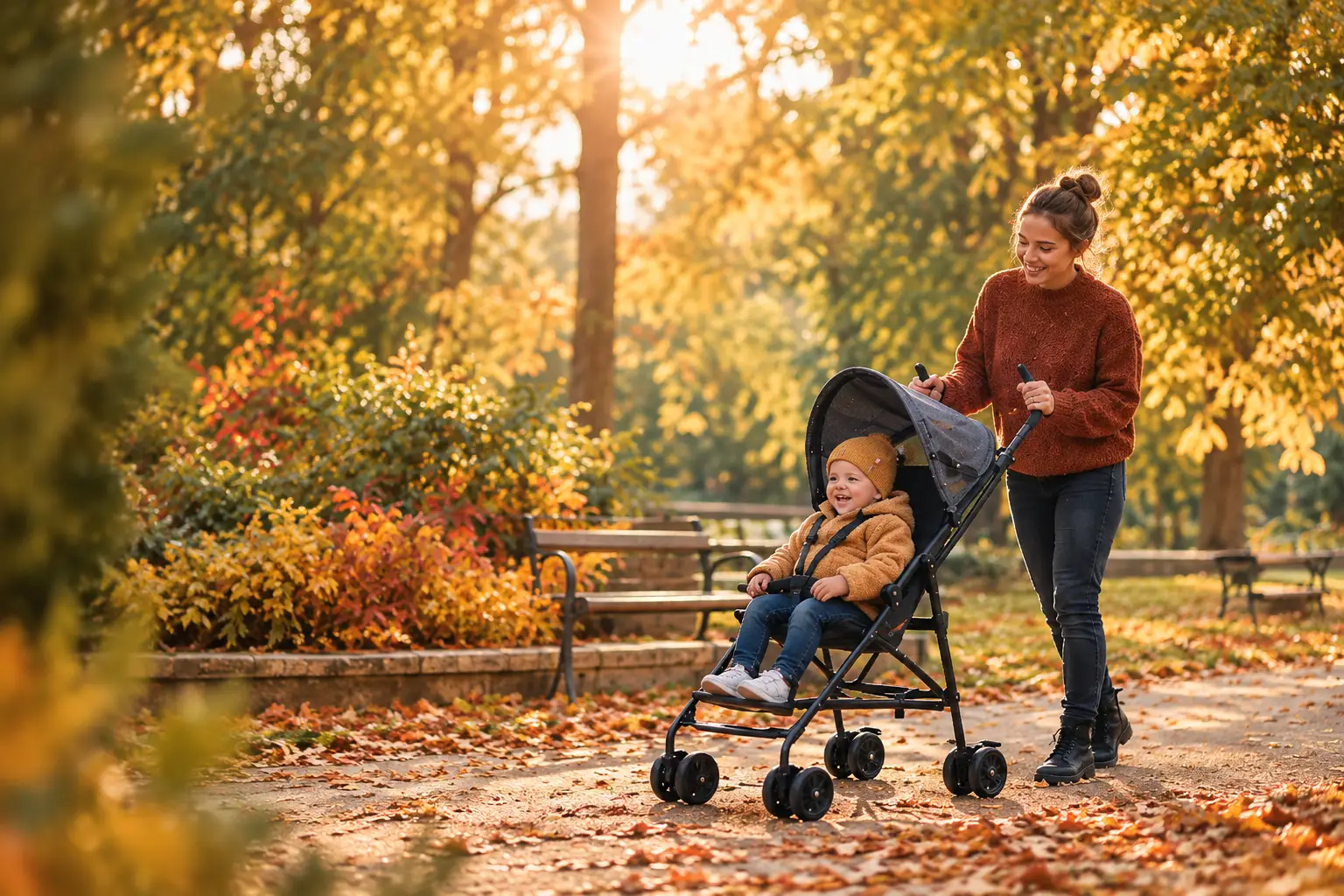
Best Baby Gear for Fall Walks in Chicago, Boston & New York
Fall walks in Chicago, Boston, and New York come with cooler temperatures, changing weather, busy sidewalks, and plenty of opportunities to get outside with your baby. From the right stroller to weather-ready accessories, here's the baby gear that can make city walks more comfortable and practical.
Read more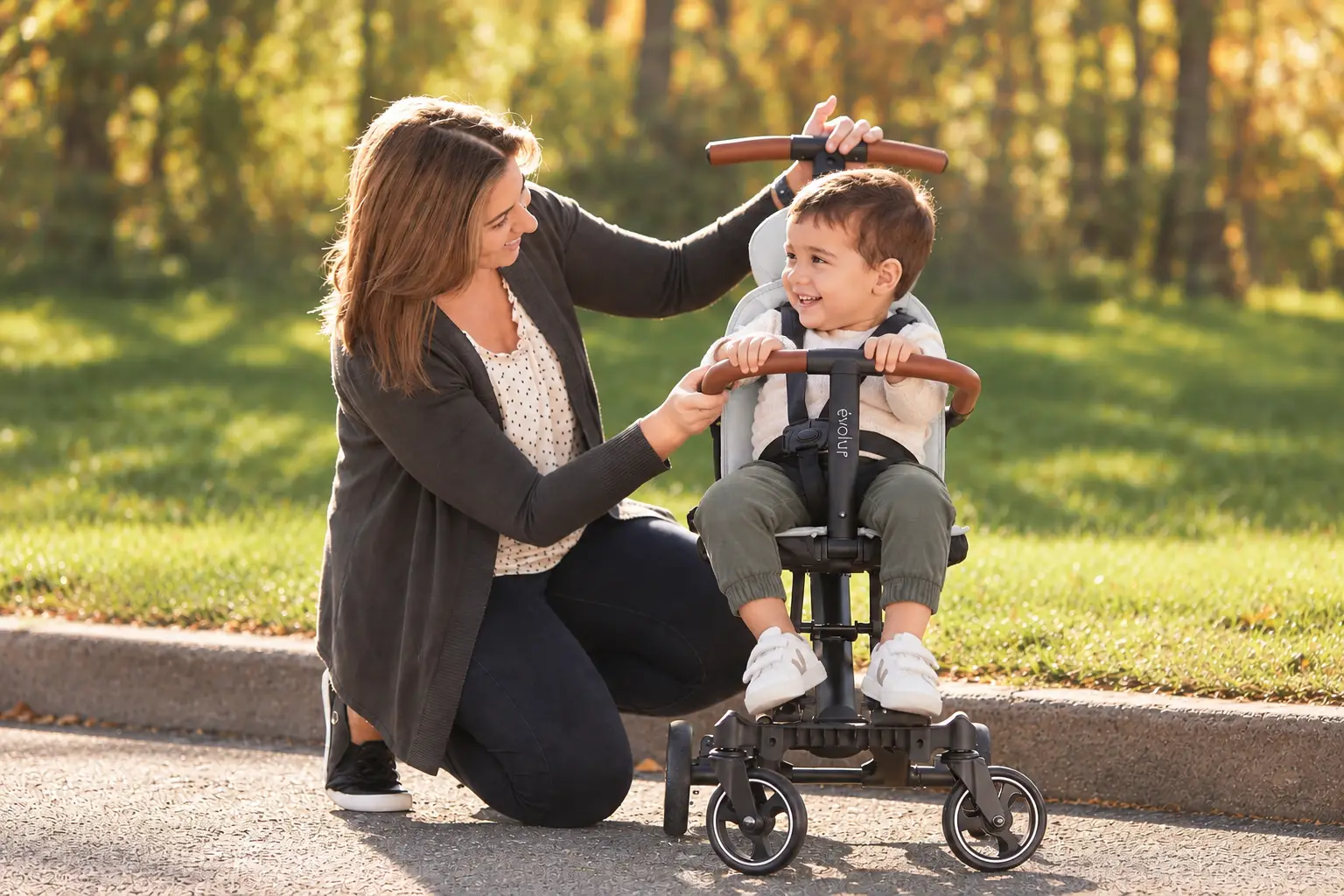
Baby Gear That Looks Safe but Isn’t: What Parents Should Watch For
Baby gear is designed to make parenting easier, but appearance alone doesn't tell you whether a product is safe. From sleep products and loungers to high chairs and changing gear, certain features can create risks that aren't immediately obvious. Here's what parents should look for before bringing baby gear into their home—and the warning signs that shouldn't be ignored.
Read more
Boston Apartments Are Tiny. These Cribs Were Designed for Them
In Boston, a nursery doesn't always mean a dedicated room. From historic brownstones and walk-up apartments to compact city bedrooms, parents often have to make every square foot count. The right crib can make a surprisingly big difference. Here's how to choose a safe, functional crib that fits a smaller Boston apartment without sacrificing style or room to grow.
Read more
The Hidden Hazards in NYC Apartments That Every Baby Safety Guide Completely Ignores
Babyproofing a New York City apartment isn't quite the same as babyproofing a suburban home. Radiators, fire escapes, narrow layouts, old windows, exposed pipes, and limited storage can create safety challenges that standard babyproofing checklists don't always address. Here's what NYC parents should look for before a baby starts exploring.
Read more
The Grandparents’ Guide to a Baby-Safe Home: What’s Changed Since You Raised Kids
Grandparents have plenty of parenting wisdom to share—but baby safety recommendations have changed significantly over the years. From sleep environments and car seats to cribs and babyproofing, here’s a practical guide to the updated safety advice grandparents should know when preparing their homes for a new grandbaby.
Read more
You Can Design a Beautiful Nursery in 80 Square Feet
You don't need a large room to create a nursery that feels beautiful, functional, and calming. Whether you're working with a city apartment, a shared bedroom, or a compact home, thoughtful design choices can make every square foot count. From convertible cribs to vertical storage and light-enhancing color palettes, here's how to create a nursery that works just as hard as you do.
Read more
Must-Read List: 10 Best Books for Parents Before Baby Arrives (2026)
Preparing for your baby's arrival goes beyond buying nursery essentials—it also means preparing yourself. Discover the best books for parents, from evidence-based pregnancy guides and newborn care resources to relationship advice and safe sleep recommendations. This curated reading list will help you enter parenthood with confidence.
Read more


