



Baby Gear That Looks Safe but Isn’t: What Parents Should Watch For
6–7 minute read
October 3, 2026
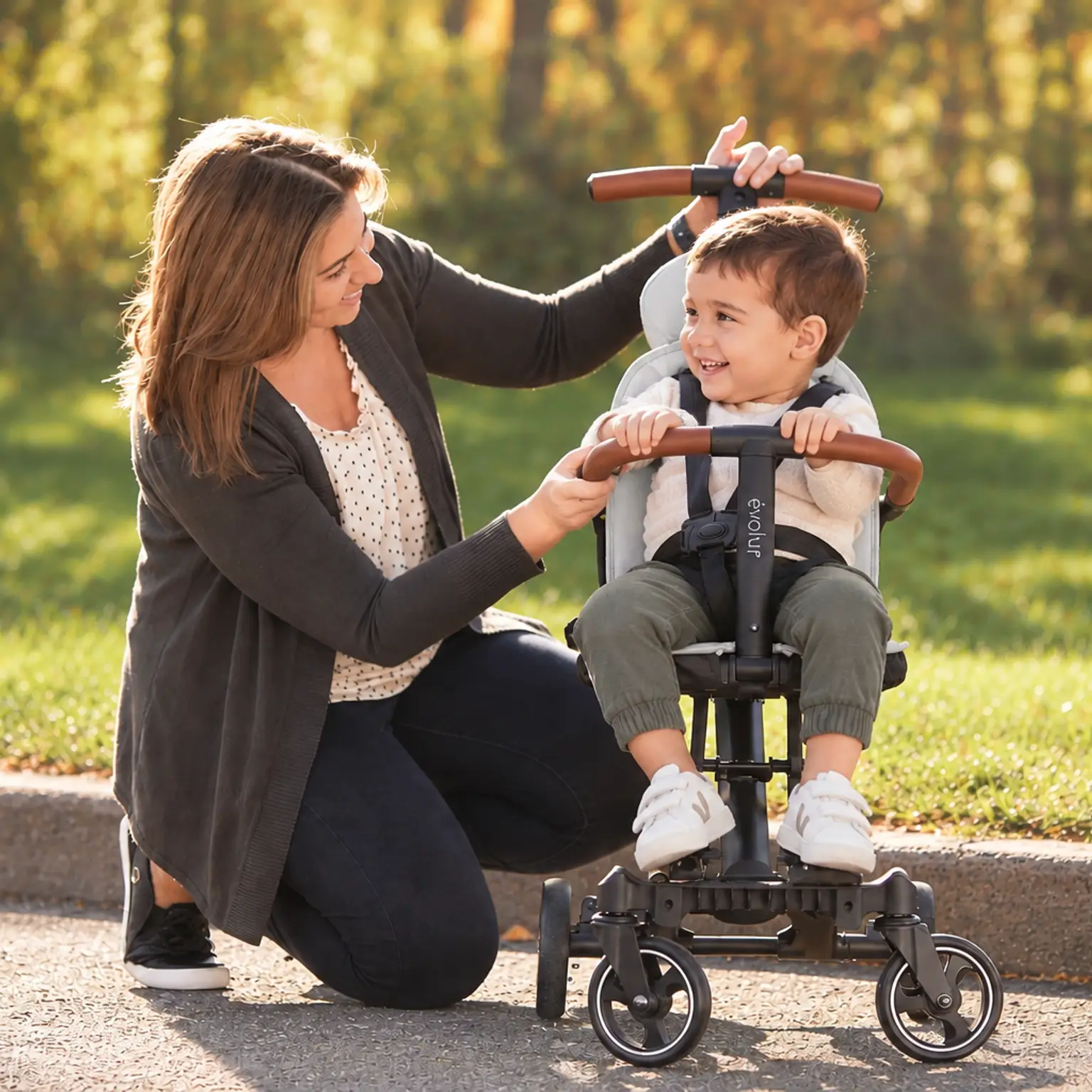
Baby gear is supposed to make life with a little one easier.
A crib creates a dedicated sleep space. A high chair makes mealtimes more manageable. A changing table keeps diaper changes organized. A lounger or rocker can give you a place to put your baby down while you get something done.
But a product looking well-designed, comfortable, or convenient doesn't automatically make it safe.
Some risks aren't obvious until you know what to look for. Gaps, unstable bases, missing hardware, loose restraints, soft padding, and unclear instructions can all turn an everyday product into a potential hazard.
That's why baby gear safety isn't just about choosing products from trusted brands. It's also about checking how a product is designed, whether it's being used as intended, whether it has been recalled, and whether it is still in good condition.
Here are the warning signs worth knowing before your baby uses a piece of gear.
Why Baby Gear Can Look Safe Without Actually Being Safe
<Banner Link>
<Alt Text:>
Safety isn't always something you can see at first glance.
A product can look sturdy but still have a stability problem. A soft, padded surface can look comfortable while being inappropriate for infant sleep. A high chair can appear secure even when its restraint isn't adjusted correctly.
This is particularly important with products that put babies in elevated, seated, reclined, or enclosed positions. The way a product positions a baby can create risks that aren't immediately obvious from its appearance.
The American Academy of Pediatrics recommends that babies sleep on a firm, flat, non-inclined surface and that products such as cribs, bassinets, portable cribs, and play yards used for sleep meet current safety standards.
In other words, comfortable-looking doesn't necessarily mean safe—especially when sleep is involved.
7 Baby Gear Red Flags Parents Should Never Ignore
You don't need to become a product-safety expert to spot some of the most important warning signs. Start with these.
Products With Gaps or Openings That Can Trap a Baby
Openings are one of the first things worth checking.
A gap that looks harmless to an adult may create an entrapment risk for a small child. This can be especially important around seating, changing products, cribs, and other gear where a baby's body could shift into an opening.
Look carefully at the spaces between components and make sure the product is being used exactly as the manufacturer intended.
Unstable or Easily Tipped-Over Gear
A product shouldn't wobble, shift, or feel unstable during normal use.
For high chairs, stability is an important part of federal safety requirements, which address risks including tip-overs and falls. CPSC also advises parents to use high-chair restraints correctly and supervise children during use.
The same principle applies more broadly: if a product feels unstable before your baby even uses it, stop and investigate rather than assuming it's fine.
Loose, Broken, or Missing Parts
Hardware matters.
A missing screw, broken latch, loose wheel, damaged buckle, or missing component can change how a product functions. Don't substitute a random replacement part or improvise a repair unless the manufacturer specifically provides instructions for doing so.
For sleep products in particular, the AAP advises against using cribs that are broken, missing hardware, or missing instructions.
If you can't confirm that a damaged or incomplete product can be safely repaired, it may be time to retire it.
Products With Soft Padding in Unsafe Sleep Spaces
This is one of the most important distinctions for new parents: a product can be perfectly appropriate for supervised awake time and still be inappropriate for sleep.
Loungers, nursing pillows, rockers, bouncers, swings, and similar products should not be treated as substitutes for a dedicated infant sleep space. The AAP recommends a firm, flat, non-inclined surface for infant sleep and advises moving a baby who falls asleep in a sitting or inclined product to an appropriate sleep surface.
CPSC similarly recommends keeping soft objects and loose bedding out of infant sleep spaces.
If a product is soft, inclined, enclosed, or designed primarily for lounging or sitting, check the manufacturer's intended use before assuming it's suitable for sleep.
Restraints That Don't Fit or Secure Properly
A restraint only helps if it is being used correctly.
Look for straps that are intact, securely attached, and adjustable enough to fit your baby as intended. Never assume that a tray, bumper, or other feature can substitute for a required restraint.
CPSC's high-chair guidance specifically emphasizes using the safety straps and adjusting them to fit the child snugly.
If the buckle doesn't close properly, the straps are damaged, or you can't figure out how they're supposed to fit, don't use the product until you've confirmed the correct setup.
Sharp Edges, Exposed Hardware, or Pinch Points
Run a visual and hands-on check around the product.
Look for exposed screws or hardware, rough or sharp edges, cracked plastic, splintered wood, or areas where little fingers could become pinched.
These problems can develop with regular use, too. A product that was safe when it came out of the box may need attention after months of movement, cleaning, folding, or assembly and disassembly.
Products Without Clear Safety Information or Current Instructions
Instructions aren't just packaging that gets thrown away.
They tell you how the product is supposed to be assembled, which components belong together, what weight or age limits apply, and how features such as restraints or attachments should be used.
If you're buying secondhand, make sure you can identify the exact product and access its current instructions. The AAP specifically advises against using a crib without instructions, and NHTSA recommends having the instruction manual when evaluating a secondhand car seat.
If you can't establish what a product is, how it should be assembled, or how it should be used, that's a meaningful safety concern.
The Baby Products That Deserve the Closest Safety Check
Not every piece of baby gear carries the same level of risk, and some categories deserve extra attention because of how they're used.
Cribs and bassinets are especially important because they are sleep products. Look for a current, appropriate product, check for recalls, make sure the mattress fits correctly, and keep the sleep space free of pillows, blankets, bumpers, and other soft objects.
For parents shopping for a crib, the Ever & Ever cribs & cradles (https://everandeverbaby.com/collections/cribs-cradles) collection can be a useful place to explore nursery furniture designed specifically for baby's space.
Changing tables should be checked for stability, structural condition, and appropriate barriers. CPSC's changing-product requirements specifically address falls, structural or mechanical failures, instability, entrapment, and suffocation hazards.
High chairs (https://everandeverbaby.com/collections/highchairs) deserve a close look at stability, restraints, trays, locks, and overall condition. CPSC's standards address tip-over, falls, tray disengagement, and entrapment.
Playards and strollers should be checked for functioning locks, intact fabric or mesh, stable frames, and damaged or missing parts.
And products such as gliders, rockers, and loungers deserve a clear distinction between supervised use and sleep. The AAP (https://www.healthychildren.org/English/ages-stages/baby/sleep/Pages/a-parents-guide-to-safe-sleep.aspx)specifically notes that sitting and inclined products aren't appropriate routine sleep spaces.
How to Check Baby Gear Before Your Baby Uses It
A quick safety check can become part of your normal setup routine.
Start with the manufacturer's instructions. Make sure the product is assembled exactly as directed and that you're using the right components together.
Then check the basics:
- Is the product stable?
- Are all parts present and securely attached?
- Are there cracks, tears, sharp edges, or exposed hardware?
- Do locks and latches work properly?
- Are restraints intact and correctly adjusted?
- Are you using the product only for its intended purpose?
- Is there a weight, height, age, or developmental limit you need to follow?
- Has the product been recalled?
Don't forget to check products periodically, not just when you first open the box. Babies grow, products get moved, and hardware can loosen with repeated use.
For nursery furniture and gear, regular checks can be as simple as looking for loose hardware, damaged components, instability, or anything that no longer works the way it did when new.
What Parents Should Know About Recalls, Secondhand Gear & Missing Parts
A product being secondhand doesn't automatically make it unsafe. But it does mean you'll need to do more of the checking yourself.
Before accepting or buying used baby gear, identify the exact model and manufacture date where available. Search for recalls, confirm that all parts are present, look for damage, and make sure you can access the manufacturer's instructions.
The CPSC recommends checking recalled products and registering eligible baby products so that you can receive safety notifications.
Car seats require additional caution. NHTSA's secondhand car-seat checklist recommends confirming that the seat has not been involved in a moderate or severe crash, checking its labels and recall status, making sure all parts are present, and obtaining the instruction manual.
If you're unsure about the history of a safety-critical product, especially a car seat or sleep product, it's worth getting specific guidance before using it.
For more everyday nursery safety information, our baby safety guides can help you work through common safety considerations room by room.
When "Extra Features" Can Actually Create Extra Risk
More features don't automatically mean a product is safer or more useful.
A product may have extra padding, an added cushion, an incline, a detachable accessory, a positioner, or a feature that promises to make a baby more comfortable. But every additional feature changes how the product is used—and sometimes introduces a new risk.
Sleep products are a particularly important example. The AAP advises against using products that don't follow safe-sleep recommendations and specifically warns against soft sleep surfaces, inclined products, sleep positioners, nests, and similar accessories.
This doesn't mean every accessory is inherently dangerous. It means parents should ask a simple question before adding one:
What is this feature actually designed to do, and is it approved for the way I plan to use it?
If you're adding a cushion, attachment, insert, toy, or other accessory, check the manufacturer's instructions first. Avoid assuming that because something fits a product, it is automatically safe to use with it.
FAQs
How can I tell if baby gear is safe?
Start by checking the manufacturer's instructions, age and weight limits, required restraints, assembly, stability, and overall condition. Then check whether the specific product has been recalled. For sleep products, make sure the product meets current safe-sleep recommendations.
What are the biggest baby gear safety risks?
Common concerns include falls, tip-overs, entrapment, broken or missing parts, improper restraints, sharp edges, and unsafe use of products for sleep. The specific risk depends on the product category and how it is being used.
How do I check if a baby product has been recalled?
Search the product's exact name, model, and identifying information through the U.S. Consumer Product Safety Commission's recall resources. For car seats and certain vehicle equipment, NHTSA also provides a recall search.
Is secondhand baby gear safe to use?
Some secondhand products may be usable, but they should be checked carefully. Confirm the model, recall status, condition, parts, instructions, and intended use. For car seats, NHTSA recommends additional checks including crash history and expiration-related information.
What baby products should never be used for sleep?
The AAP recommends a firm, flat, non-inclined sleep surface designed for infant sleep. Products such as loungers, swings, rockers, bouncers, car seats, and other sitting or inclined devices should not be used as routine sleep spaces.
What should I look for when buying a crib?
Look for a crib that meets current applicable safety standards, has complete instructions and hardware, and has not been recalled. The mattress should fit correctly, and the sleep space should remain free of pillows, blankets, bumpers, and other soft objects.
How often should I check baby gear for damage?
Check gear when you first assemble it, after moving or adjusting it, and periodically during regular use. Pay particular attention to restraints, locks, hardware, wheels, frames, fabric, and any parts that experience repeated movement or folding.
Wrapping Up
Baby gear can look safe at first glance, but the details matter.
A sturdy-looking product can still have a stability issue. A comfortable-looking lounger may not be designed for sleep. A secondhand crib may be missing hardware or instructions. A high chair may appear secure even when its restraints aren't being used correctly.
The goal isn't to make parents suspicious of every product they bring home. It's to make safety checks part of the process.
Read the instructions. Check the condition. Look for recalls. Use products only as intended. And when something doesn't seem right, pause before putting your baby in it.
Because when it comes to baby gear, looking safe and being safe aren't always the same thing.
Suggested For You
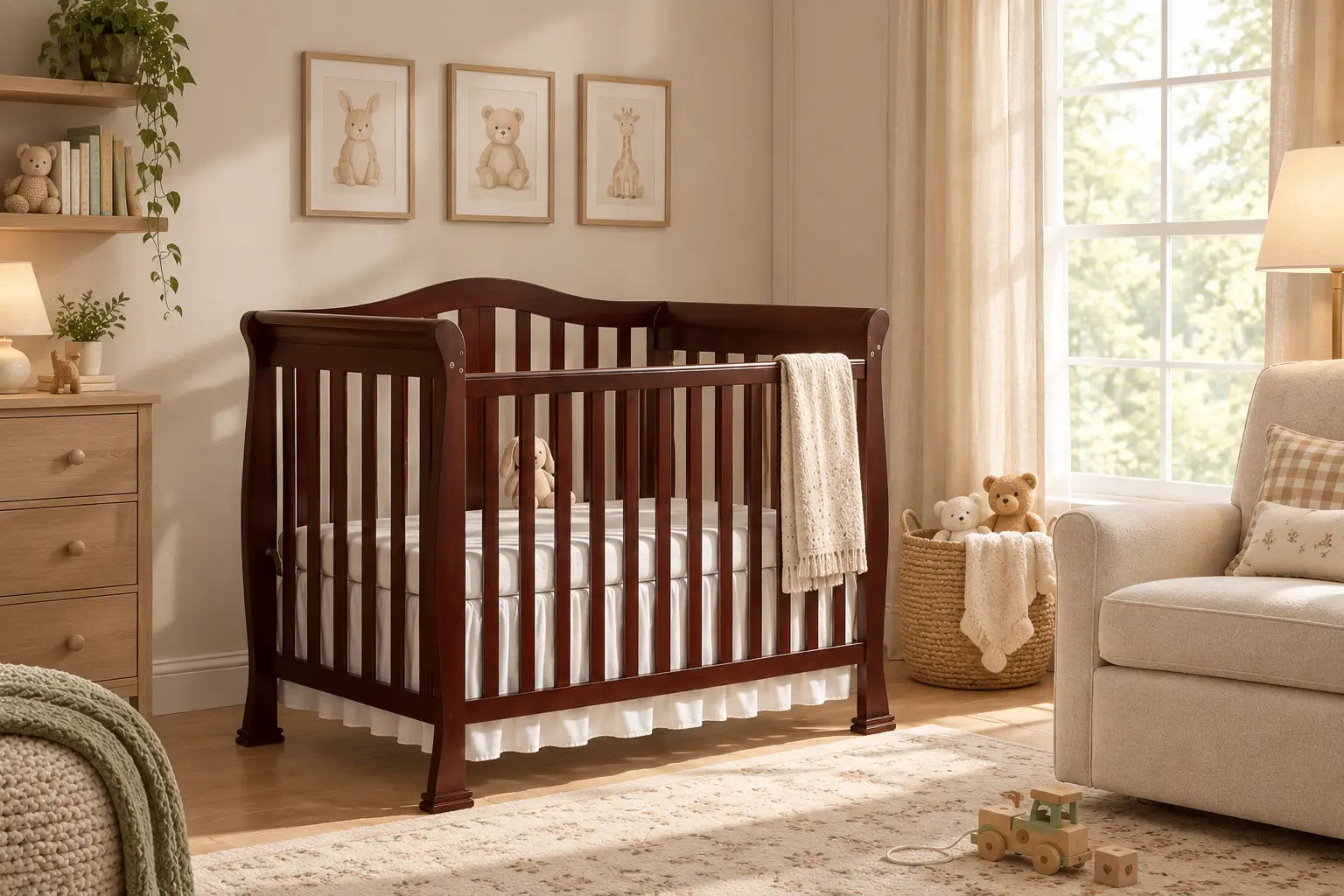
Boston Apartments Are Tiny. These Cribs Were Designed for Them
In Boston, a nursery doesn't always mean a dedicated room. From historic brownstones and walk-up apartments to compact city bedrooms, parents often have to make every square foot count. The right crib can make a surprisingly big difference. Here's how to choose a safe, functional crib that fits a smaller Boston apartment without sacrificing style or room to grow.
Read more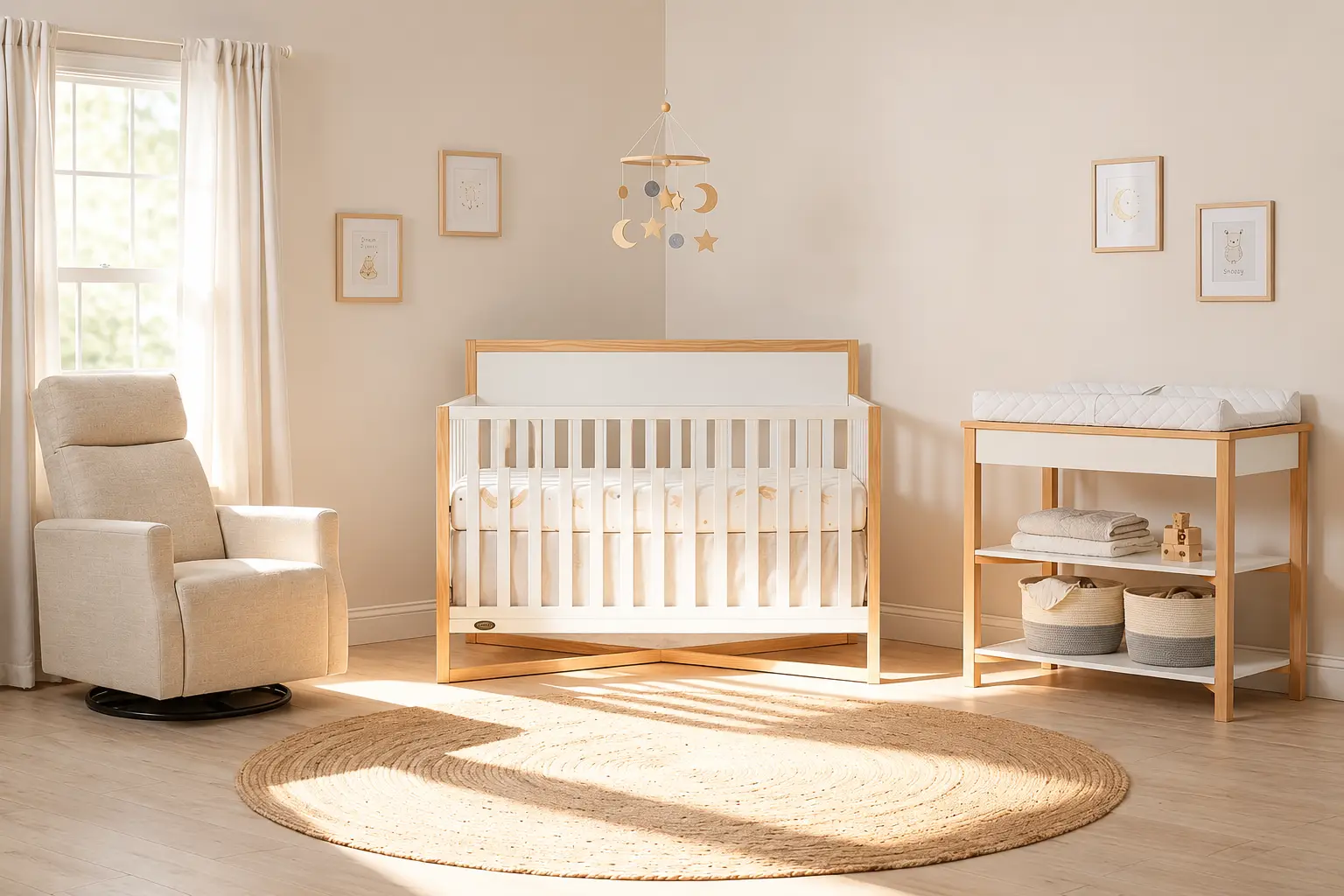
The Hidden Hazards in NYC Apartments That Every Baby Safety Guide Completely Ignores
Babyproofing a New York City apartment isn't quite the same as babyproofing a suburban home. Radiators, fire escapes, narrow layouts, old windows, exposed pipes, and limited storage can create safety challenges that standard babyproofing checklists don't always address. Here's what NYC parents should look for before a baby starts exploring.
Read more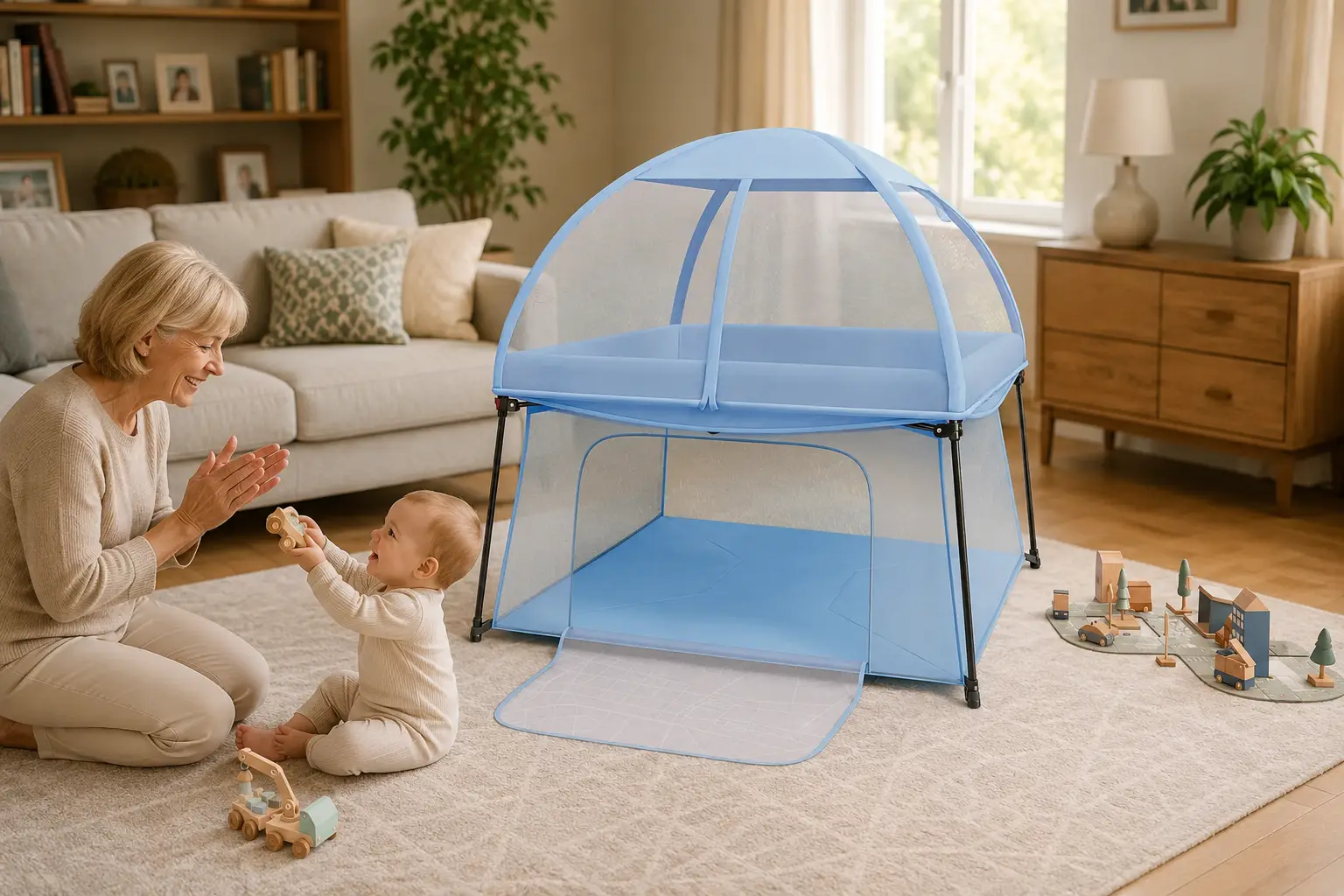
The Grandparents’ Guide to a Baby-Safe Home: What’s Changed Since You Raised Kids
Grandparents have plenty of parenting wisdom to share—but baby safety recommendations have changed significantly over the years. From sleep environments and car seats to cribs and babyproofing, here’s a practical guide to the updated safety advice grandparents should know when preparing their homes for a new grandbaby.
Read more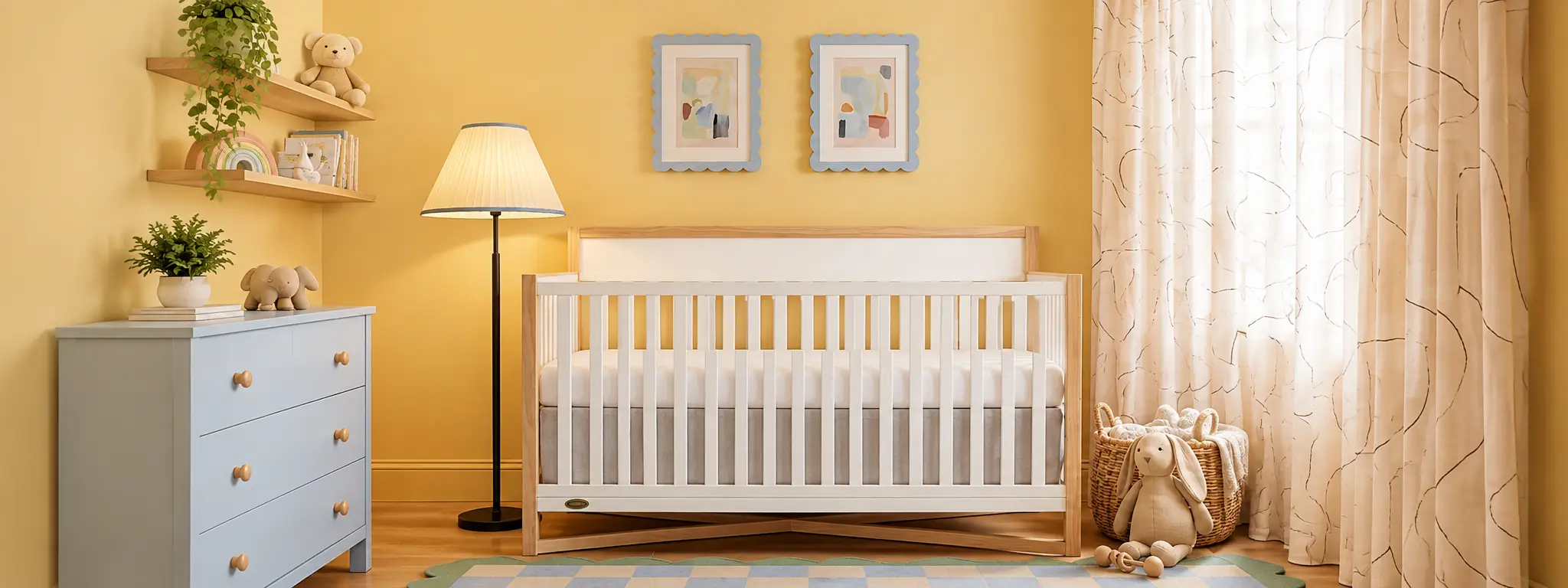
You Can Design a Beautiful Nursery in 80 Square Feet
You don't need a large room to create a nursery that feels beautiful, functional, and calming. Whether you're working with a city apartment, a shared bedroom, or a compact home, thoughtful design choices can make every square foot count. From convertible cribs to vertical storage and light-enhancing color palettes, here's how to create a nursery that works just as hard as you do.
Read more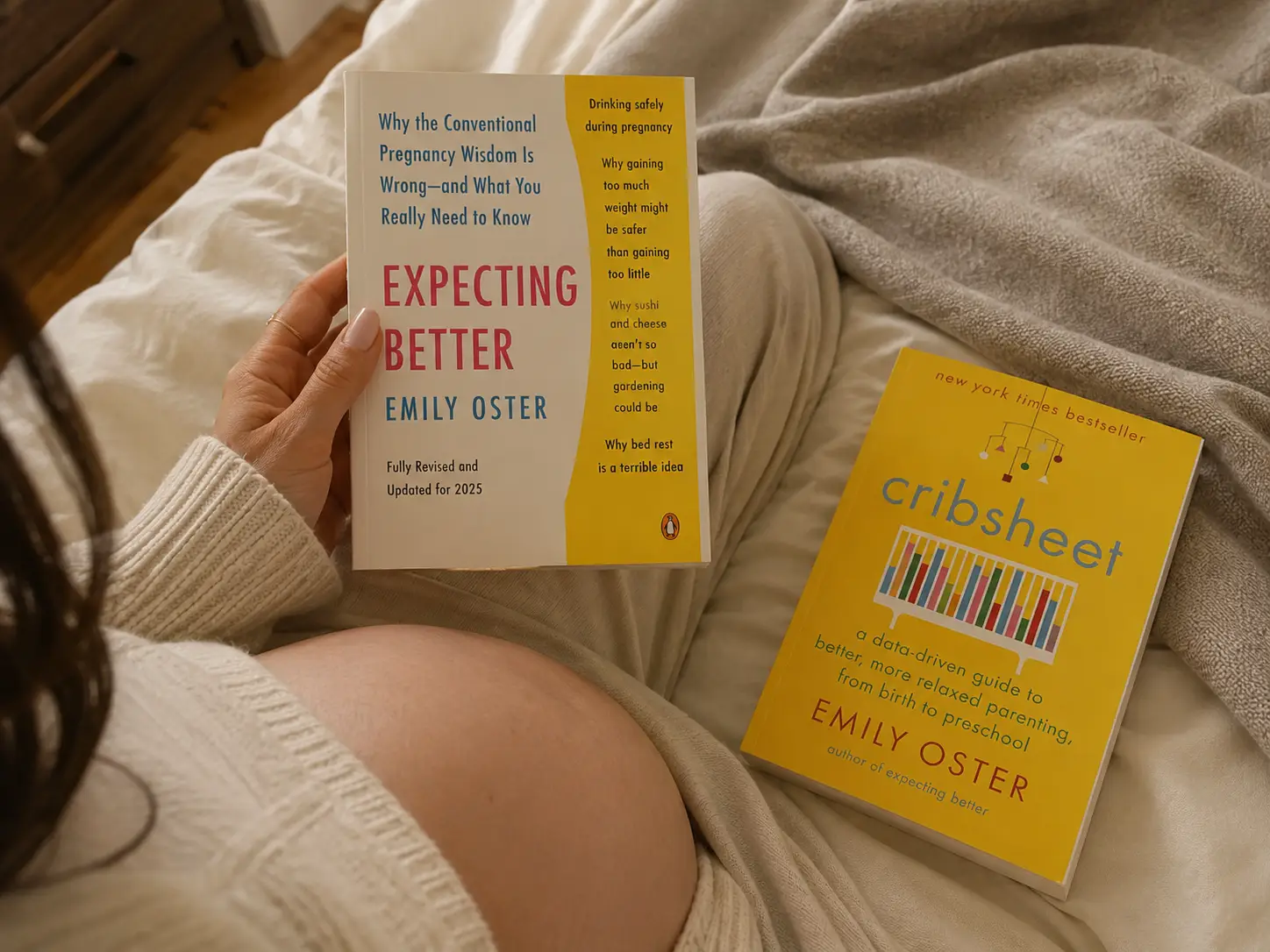
Must-Read List: 10 Best Books for Parents Before Baby Arrives (2026)
Preparing for your baby's arrival goes beyond buying nursery essentials—it also means preparing yourself. Discover the best books for parents, from evidence-based pregnancy guides and newborn care resources to relationship advice and safe sleep recommendations. This curated reading list will help you enter parenthood with confidence.
Read more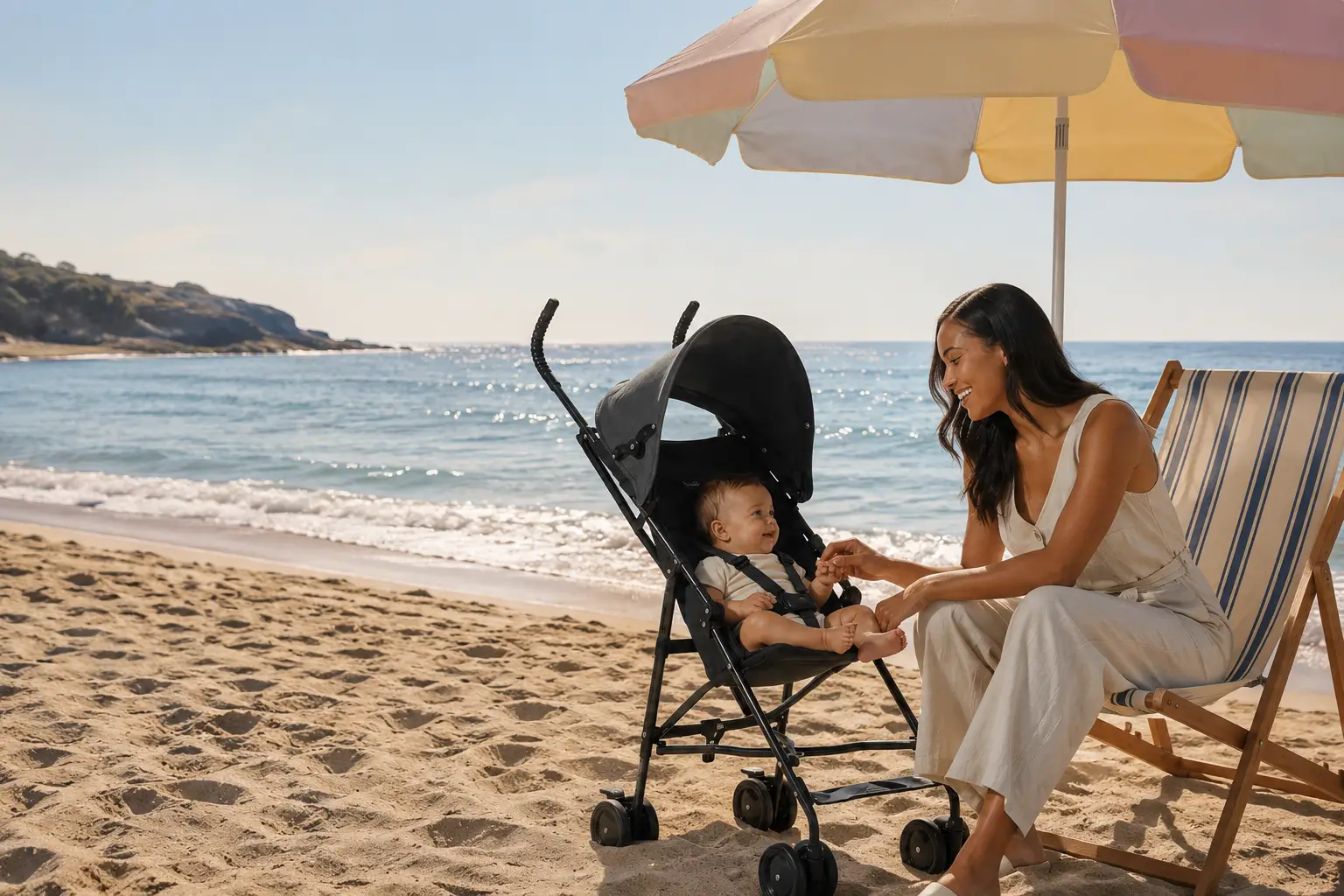
Beach, Travel, and Naps on the Go: The Best Baby Gear for Summer Adventures
Planning summer adventures with your little one? The right baby gear can make every beach day, road trip, and family getaway easier. From spacious diaper bags and all-terrain double strollers to portable pack n plays and travel-friendly high chairs, here's everything you need to keep your baby safe, comfortable, and happy on the go.
Read more


