


Types of Strollers & How to Choose the Right One
7 minute read
August 5, 2025
Types of Strollers & How to Choose the Right One
Whether you're expecting your first baby or upgrading for your growing family, a stroller is one of the most important pieces of baby gear you’ll buy. It’s not just about getting from point A to point B—it’s about comfort, convenience, safety, and matching your everyday lifestyle.
But with so many options out there, how do you choose the one that fits you best?
We’re here to roll through it all with you—from types of strollers to what features matter most—so you can find your perfect match without the stress.
1. Types of Strollers
There’s no one-size-fits-all when it comes to strollers—just the right fit for your family and your day-to-day. Here’s a breakdown of the most popular types:
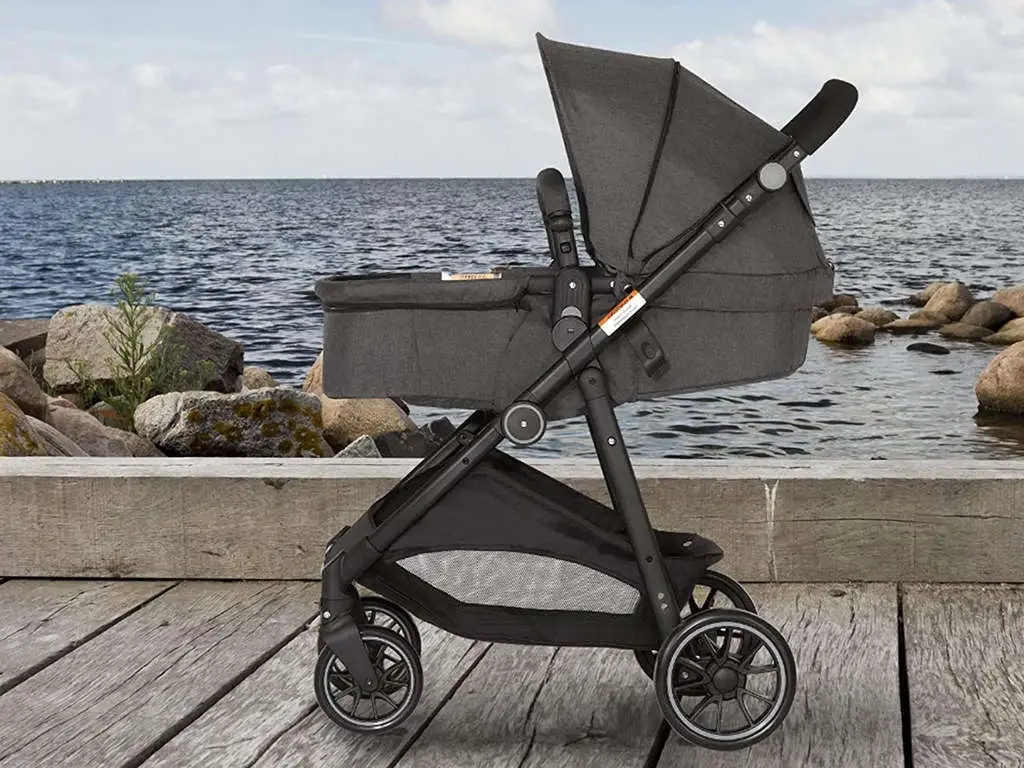
a. Full-Size Stroller
Your everyday go-to. Full-size strollers are designed to be durable, versatile, and comfy enough for daily walks and weekend errands alike.
Pros: Long-lasting, roomy seats, great storage space, and smooth rides
Cons: Heavier and bulkier to fold/store
Best for: Families who want a reliable, all-in-one stroller from newborn to toddler stage
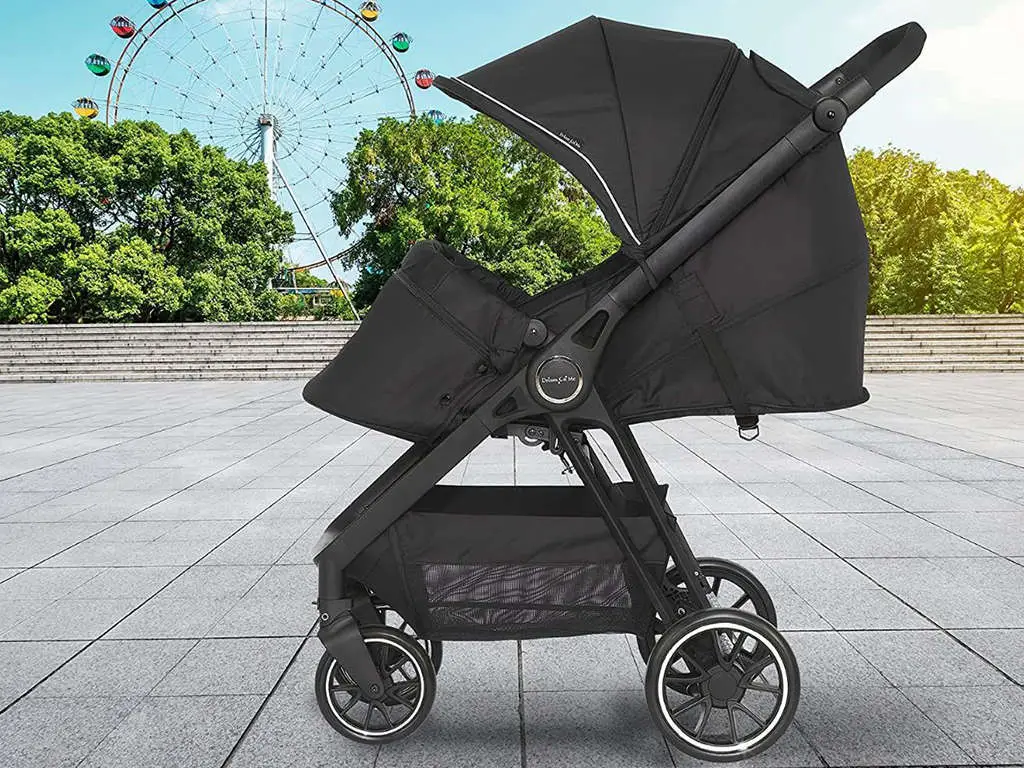
b. Lightweight/Umbrella Stroller
Slim, foldable, and easy to carry—these are ideal for travel, errands, and quick trips.
Pros: Lightweight, compact fold, budget-friendly
Cons: Less suspension and fewer features
Best for: City dwellers, travel lovers, or as a second stroller
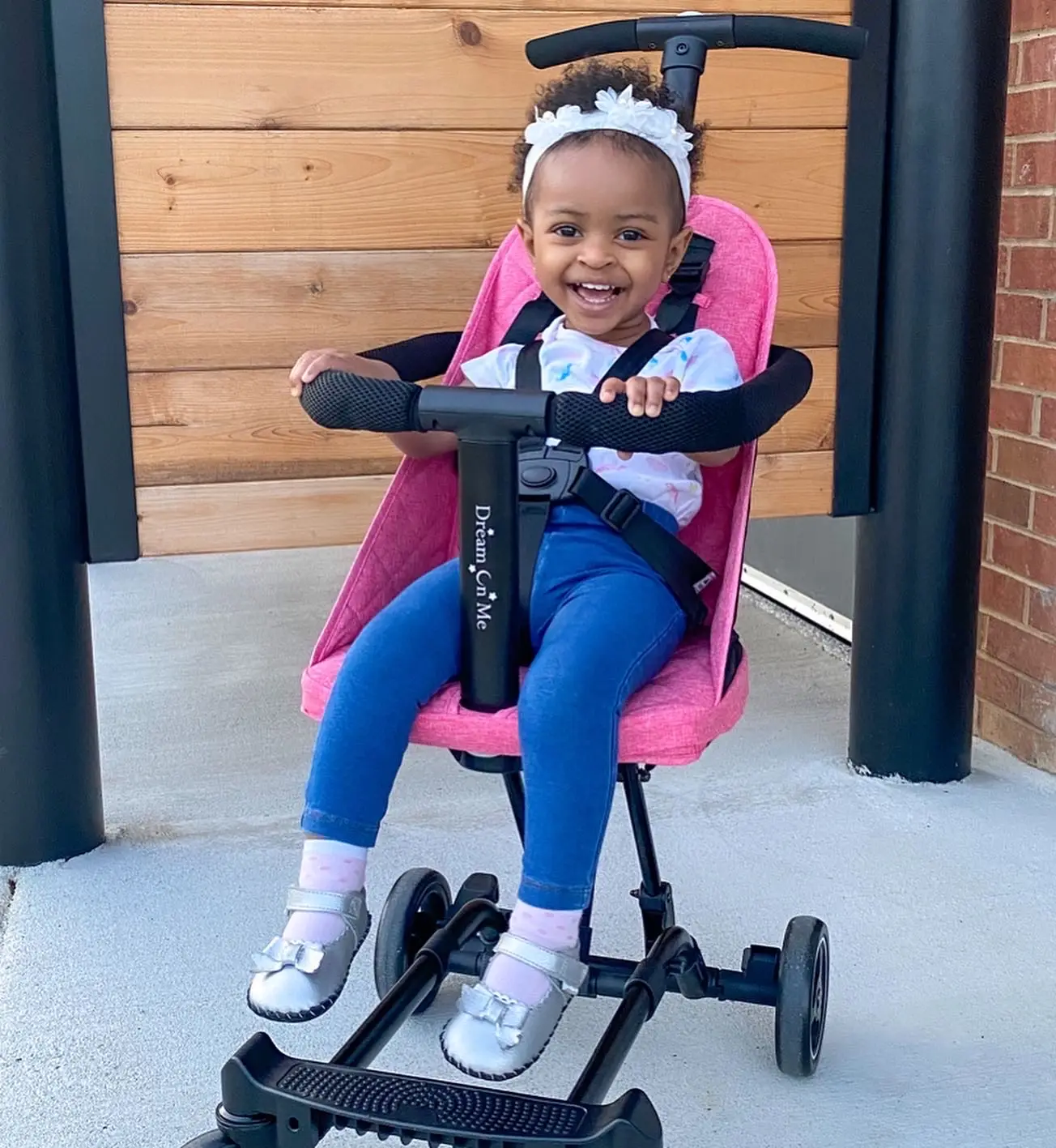
Product Featured - Dream On Me Lightweight and Compact Coast Rider Stroller
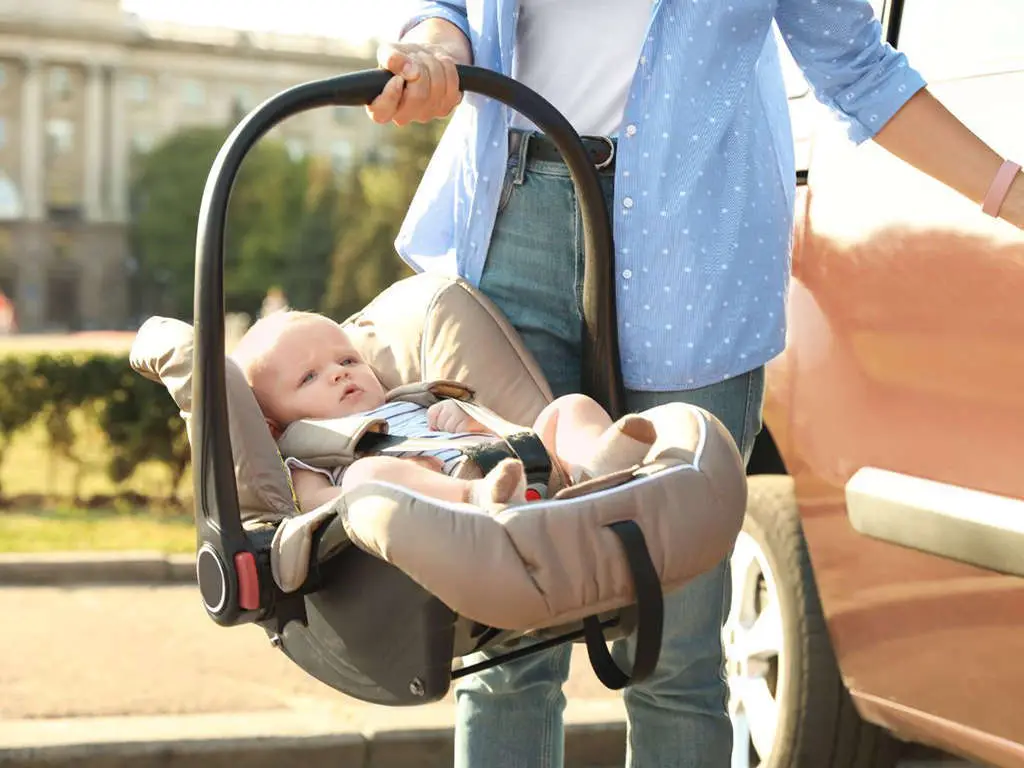
c. Travel System
A stroller + infant car seat combo that clicks together seamlessly—no waking baby required.
Pros: Convenient transitions from car to stroller
Cons: Can be heavier, not as compact
Best for: Newborns and parents who want an all-in-one solution from day one
d. Jogging Stroller
Designed for speed and smooth terrain, jogging strollers feature three wheels and shock absorption for active parents.
Pros: Excellent for running, trails, and uneven sidewalks
Cons: Bulky and not ideal for tight indoor spaces
Best for: Runners, hikers, and outdoor-loving families
e. Double Stroller
Got two in tow? These strollers come in side-by-side or tandem (one in front, one behind) styles for siblings or twins.
Pros: One stroller for two kids, many configurations
Cons: Larger footprint, may not fit all doorways
Best for: Parents with twins or two close-in-age kids
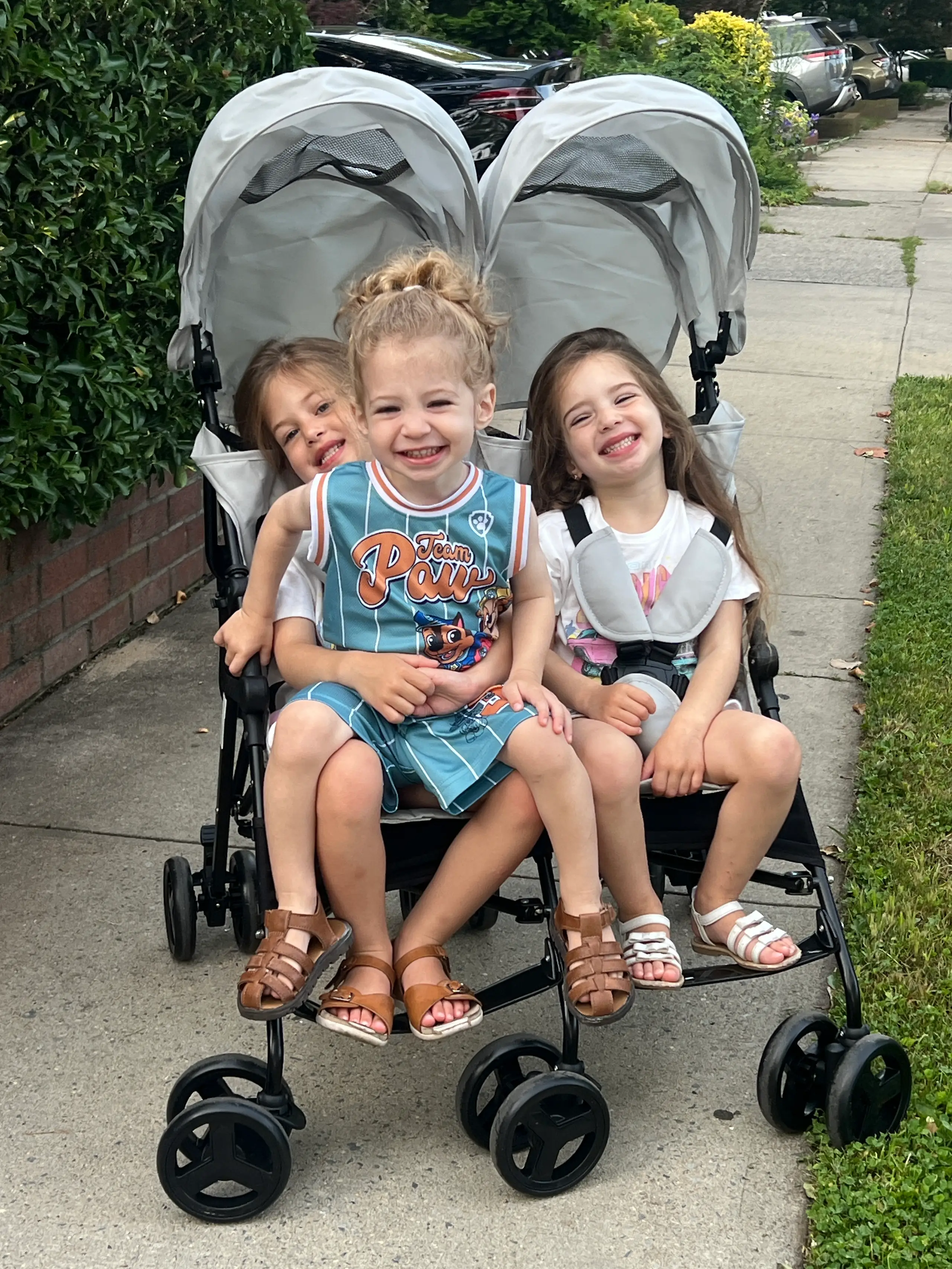
Product Featured - Dream On Me Twin Venture Umbrella Stroller
f. Compact/Travel Stroller
Ultra-light and foldable to fit overhead bins or small trunks. These are must-haves for families on the move.
Pros: Super compact, travel-ready, lightweight
Cons: Less storage and cushioning
Best for: Travel, flying, or minimalist parenting
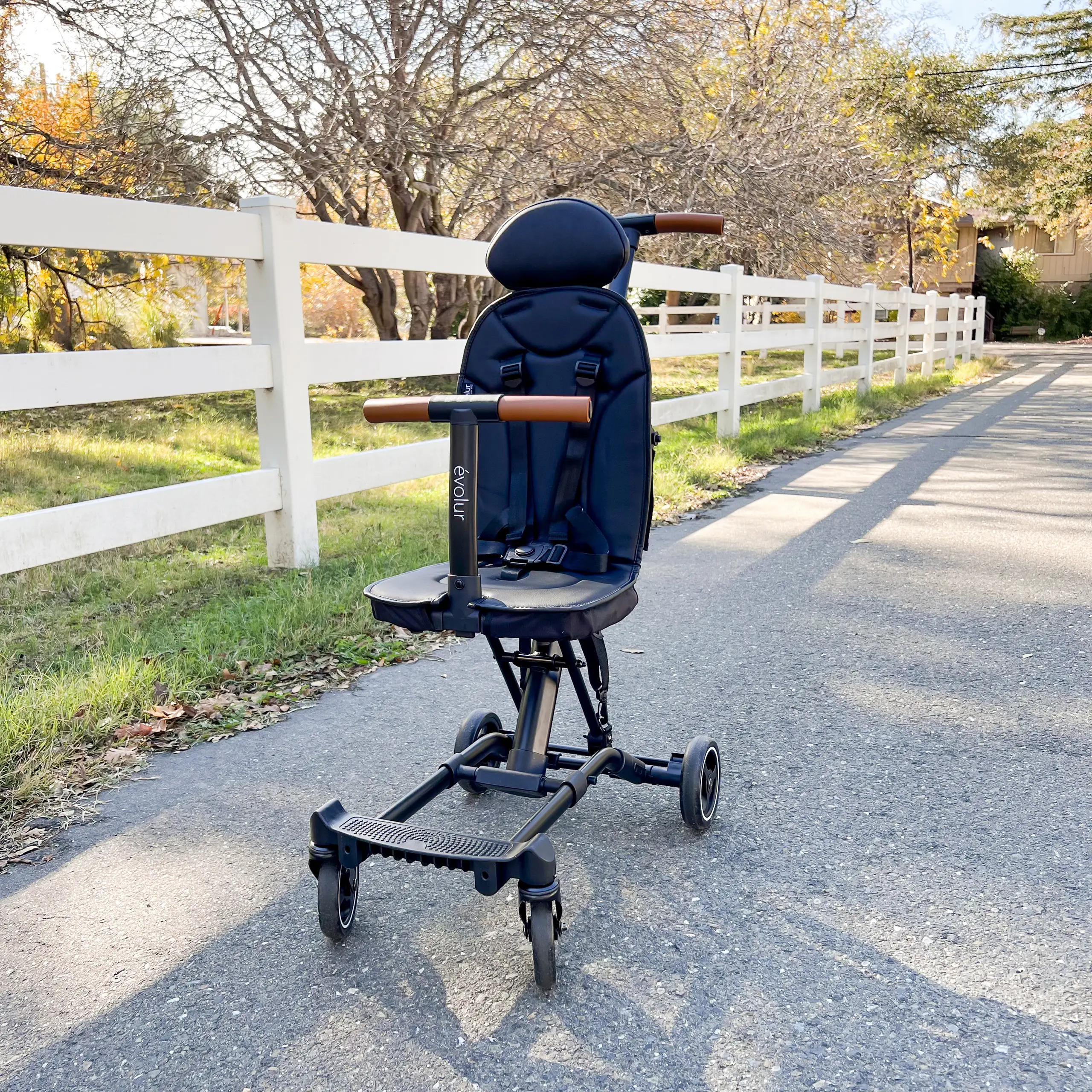
Product Featured - Evolur Cruise Rider Stroller
2. Safety Certifications
Safety should never be an afterthought. Look for:
- JPMA Certified: Meets or exceeds ASTM and federal safety standards
- 5-point harness: Securely straps baby in at shoulders, waist, and between legs
- Reliable brakes: Easy to engage and lock when stopped
- Sturdy frame and wheels: For long-term stability
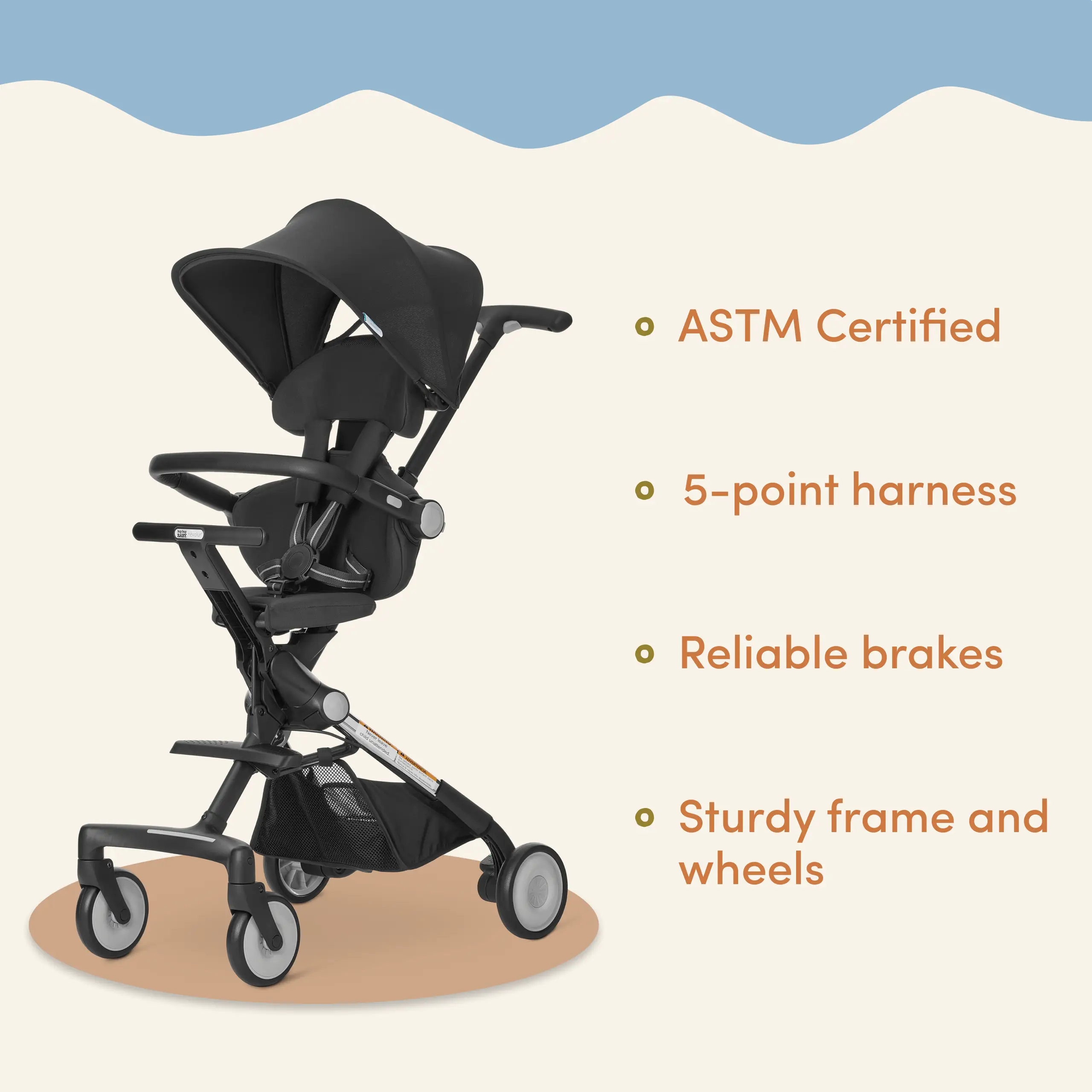
Product Featured - Evolur Velo Rider Stroller
3. Lifestyle & Terrain Compatibility
Your daily routine matters. Ask yourself:
- Do you need to fit the stroller in a small trunk or hallway?
- Will you be navigating city sidewalks or bumpy trails?
- Do you plan to jog or run with it?
- Do you want to use it from newborn stage?
Pro tip: Consider your stroller’s folded size, storage space, and weight—especially if you’ll be lifting it often.
4. Features That Make Life Easier
Look for:
- Adjustable handlebar: Ideal if caregivers are different heights
- Reversible seat: Lets baby face you or face forward
- Large canopy: For sun and weather protection
- Storage basket: For your diaper bag, groceries, or snacks
- One-hand fold: A total game changer when you're juggling baby + bags
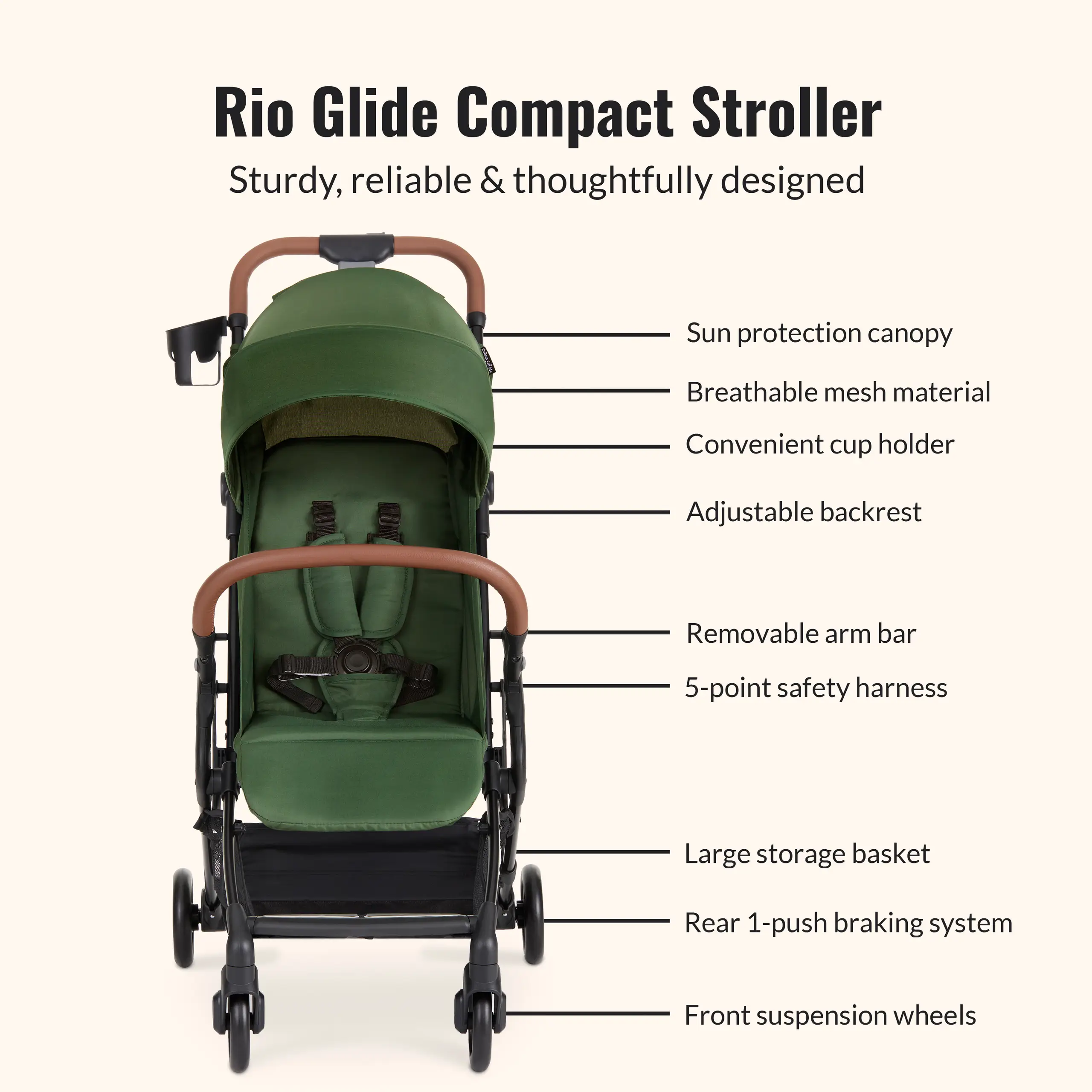
Product Featured - Dream On Me RioGlide Compact Stroller
5. Pros & Cons at a Glance
Full-Size Stroller
- Pros- Durable, comfy, lots of features
- Cons- Bulky, takes more space
Lightweight Stroller
- Pros- Portable, easy to store
- Cons- Minimal padding and storage
Travel System Stroller
- Pros- Convenient with car seat combo
- Cons- Heavier, more parts to manage
Jogging Stroller
- Pros- Great for outdoor use
- Cons- Not great for small spaces
Double Stroller
- Pros- Ideal for two children
- Cons- Heavier, wide or long frame
Compact/Travel Stroller
- Pros- Super light and plane-friendly
- Cons- Basic features, may outgrow quickly
6. FAQs
1. When should I buy a stroller?
Most parents shop during the second trimester and have it ready by month 7 or 8.
2. Do I need more than one stroller?
Possibly! Many parents use a full-size or travel system at home, plus a lightweight stroller for errands and travel.
3. How much should I spend?
Strollers range from $100 to $1,500+. Set your budget based on features, usage, and how long you’ll need it.
4. Can newborns use any stroller?
Only strollers that fully recline or accept a car seat are safe for newborns. Always check manufacturer guidelines.
Ready to roll?
The perfect stroller is the one that fits your life—not the one with the most features or fanciest name. Whether you’re walking city blocks, navigating airport terminals, or strolling through your neighborhood park, your stroller should make every outing easier, smoother, and more enjoyable.
At Ever & Ever, we offer thoughtfully chosen strollers from trusted brands—designed for safety, comfort, and real-life parenting. Because every adventure, big or small, starts with a good ride.
Shop StrollersSuggested For You
A City-by-City Guide to Baby Gear: What Parents Need in NYC, LA & Chicago
Baby gear isn’t one-size-fits-all, especially when city life looks different from one place to another. From navigating NYC sidewalks and LA car trips to Chicago’s changing seasons, here’s what parents should consider when choosing gear for their city’s everyday routines
Read more
Baby’s First Holiday Season: Essentials for New Parents to Have on Hand
A baby’s first holiday season can feel exciting and overwhelming all at once. From everyday baby essentials to travel gear and thoughtful preparations for gatherings, here’s what new parents should have on hand to make the season more comfortable and manageable.
Read more
Rainy Fall Days in Seattle: Indoor Activities for Babies and Toddlers
Seattle's rainy fall days don't have to mean staying cooped up at home. From simple sensory play and cozy reading corners to baby-friendly outings, discover ways to keep babies and toddlers engaged when the weather keeps you indoors.
Read more
Best Baby Gear for Fall Walks in Chicago, Boston & New York
Fall walks in Chicago, Boston, and New York come with cooler temperatures, changing weather, busy sidewalks, and plenty of opportunities to get outside with your baby. From the right stroller to weather-ready accessories, here's the baby gear that can make city walks more comfortable and practical.
Read more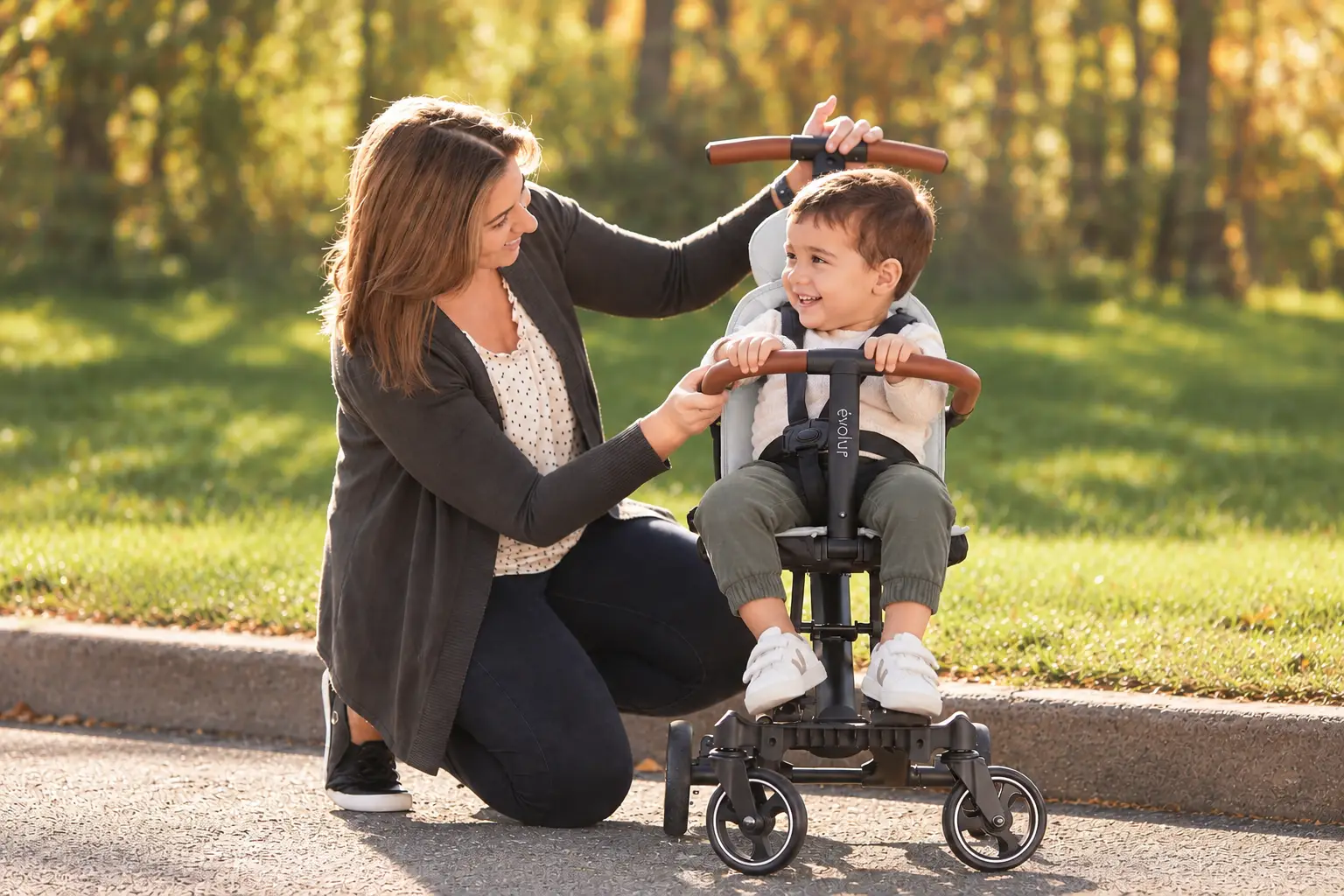
Baby Gear That Looks Safe but Isn’t: What Parents Should Watch For
Baby gear is designed to make parenting easier, but appearance alone doesn't tell you whether a product is safe. From sleep products and loungers to high chairs and changing gear, certain features can create risks that aren't immediately obvious. Here's what parents should look for before bringing baby gear into their home—and the warning signs that shouldn't be ignored.
Read more
Boston Apartments Are Tiny. These Cribs Were Designed for Them
In Boston, a nursery doesn't always mean a dedicated room. From historic brownstones and walk-up apartments to compact city bedrooms, parents often have to make every square foot count. The right crib can make a surprisingly big difference. Here's how to choose a safe, functional crib that fits a smaller Boston apartment without sacrificing style or room to grow.
Read more
The Hidden Hazards in NYC Apartments That Every Baby Safety Guide Completely Ignores
Babyproofing a New York City apartment isn't quite the same as babyproofing a suburban home. Radiators, fire escapes, narrow layouts, old windows, exposed pipes, and limited storage can create safety challenges that standard babyproofing checklists don't always address. Here's what NYC parents should look for before a baby starts exploring.
Read more


