



Boston Apartments Are Tiny. These Cribs Were Designed for Them
5–6 minute read
September 24, 2026
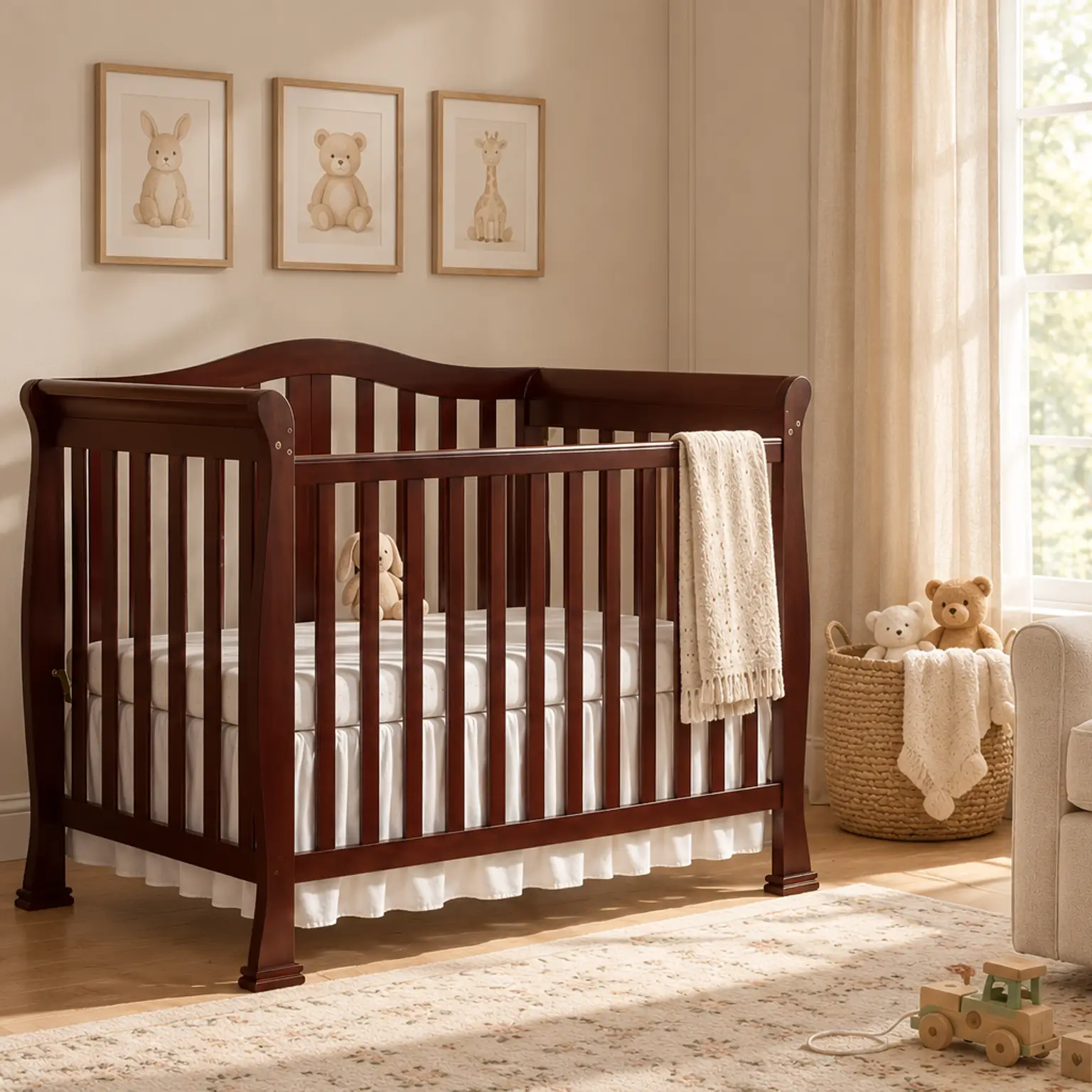
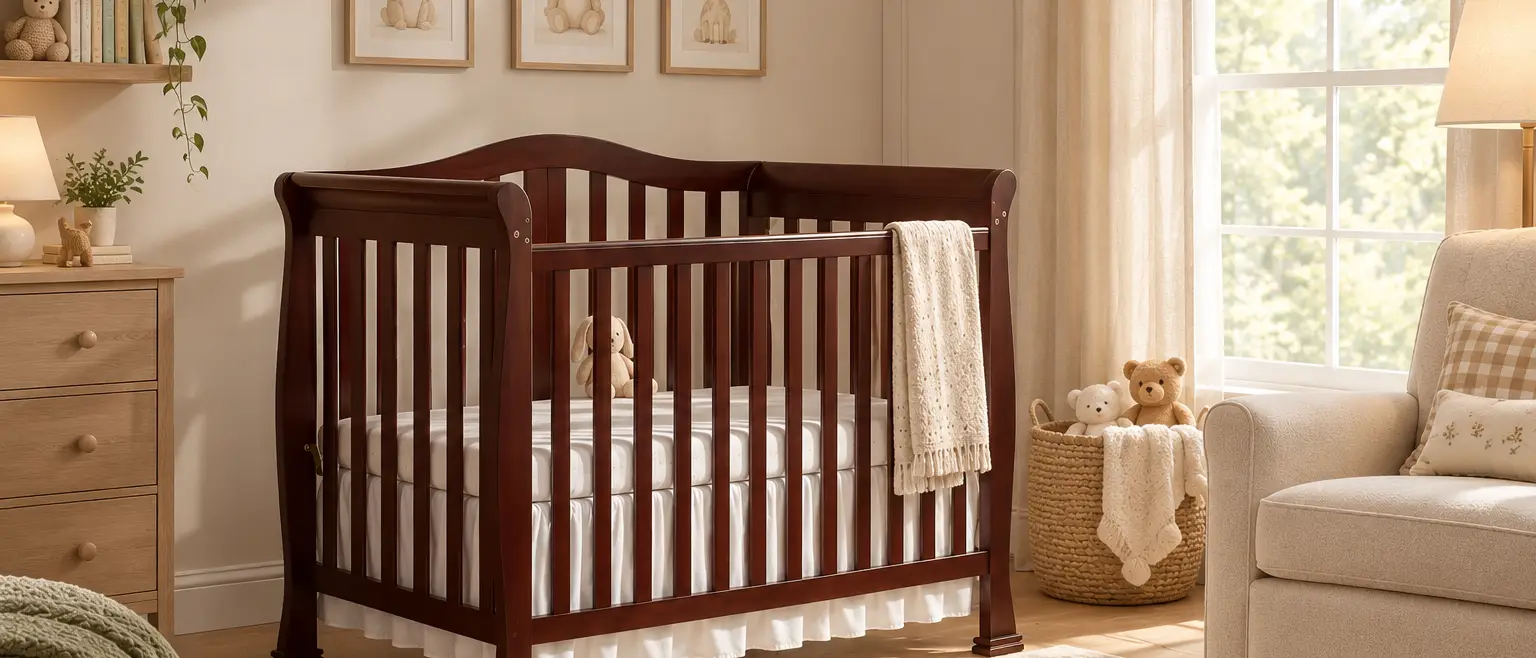
In Boston, preparing for a baby doesn't always mean setting up a nursery in a spare bedroom. Sometimes, it means finding room for a crib in your own bedroom, making a corner of the living room work, or rethinking how your furniture fits together.
Between historic brownstones, walk-up apartments, and compact city bedrooms, space can be limited. And when you're preparing for a new arrival, every square foot suddenly feels important.
The good news? You don't necessarily need a dedicated nursery to create a comfortable, functional space for your baby. Choosing the right crib, keeping furniture purposeful, and making thoughtful use of the room you already have can make a real difference.
If you're looking for cribs for small spaces, here's what to consider—from mini cribs and convertible designs to practical ways to arrange a nursery in a smaller Boston apartment.
Why Choosing a Crib Is Different When You Live in a Small Apartment
When space is limited, choosing a crib isn't just about finding one that looks good. It's about understanding how it fits into the room you'll actually be using every day.
In many Boston apartments, the nursery may share space with the parents' bedroom or sit in a corner of a multipurpose room. That means the crib has to work alongside existing furniture, walkways, storage, and the everyday routines of caring for a baby.
A full-size crib may be exactly what your family needs, while a mini crib could make more sense if you're working with a particularly compact room. Neither option is automatically right for every apartment.
It's also worth thinking beyond the newborn stage. A crib that fits comfortably today should still leave enough room to move around, access storage, and make adjustments as your baby grows.
The goal is to create a functional nursery that fits your home—not to squeeze in as much furniture as possible.
What to Look for in a Crib for a Small Space
Before choosing a crib, take a few measurements and think about how you'll use the room.
Here are some practical considerations:
- Overall footprint: Check the crib's external dimensions, not just the mattress size. The frame and legs can take up more room than you expect.
- Room to move: Make sure you can comfortably reach the crib, get in and out of bed, and move through the room without constantly shifting furniture.
- Mattress compatibility: Use a mattress specifically designed for the crib, with a snug fit and no gaps.
- Long-term use: Consider whether a convertible design could suit your family's needs as your child grows.
- Assembly and access: Think about doorways, narrow hallways, stairs, and whether the crib can be brought into the room and assembled comfortably.
For safety, a smaller footprint should never mean compromising on the crib's construction or sleep surface. The U.S. Consumer Product Safety Commission provides crib and infant sleep product safety guidance (https://www.cpsc.gov/SafeSleep), including recommendations to use products that meet applicable federal safety requirements and check for recalls.
5 Crib Styles That Work Especially Well in Compact Boston Nurseries
Not every small apartment needs the same kind of crib. The right option depends on your available floor space, how long you plan to use it, and whether the nursery is a dedicated room or part of a shared space.
Here are five crib styles worth considering.
1. Mini Cribs
Mini cribs (https://everandeverbaby.com/collections/mini-cribs) are designed with a smaller sleep space than standard full-size cribs, making them an option for bedrooms where floor space is limited.
They can be particularly useful when you're setting up a nursery corner or sharing a bedroom with your baby. Just remember to check the actual dimensions, since mini crib sizes can vary by model.
You'll also need a compatible mattress and fitted sheet specifically intended for that crib.
2. Convertible Cribs
A convertible crib can transition into other bed configurations when used with the appropriate conversion parts. Depending on the model, this may allow the furniture to remain useful as your child grows.
For apartment living, that can be helpful if you want to avoid replacing the entire bed as your family’s needs change.
However, convertible doesn't automatically mean compact. Check the crib's dimensions in its initial configuration and consider how much space the converted bed will require later.
3. Compact Full-Size Cribs
If you want a full-size crib (https://everandeverbaby.com/collections/cribs-cradles) but don't have room for an oversized frame, look for designs with a relatively streamlined footprint.
Some full-size cribs have simpler frames and less bulky visual details, which can make them easier to incorporate into a smaller room.
Compare the external dimensions carefully, and remember that a compact-looking design isn't necessarily smaller than another full-size crib.
4. Cribs With Space-Saving Features
Some crib designs include features that can make everyday nursery routines more manageable.
Depending on the model, these might include adjustable mattress heights, a compact frame, or a design that works well alongside other nursery furniture.
Think about what would genuinely make your room easier to use. A feature is only helpful if it fits your space and your family's routine.
Always follow the manufacturer's instructions for assembly, mattress positioning, and use.
5. Cribs Designed to Grow With Your Child
When you're furnishing a small apartment, it's worth considering how your nursery might change over the next few years.
A crib designed to convert into another bed configuration may help you make longer-term use of your nursery furniture. This can be particularly relevant when moving to a larger apartment isn't part of your immediate plans.
Just make sure you understand which conversion parts are included, which may need to be purchased separately, and the dimensions of the converted configuration.
A little planning now can help you choose furniture that works for more than one stage of your child's life.
How to Arrange a Crib When Every Inch of Your Nursery Counts
Once you've chosen your crib, the way you arrange the rest of the room can make just as much difference.
Start by measuring the space and marking out where the crib will go. Then consider how the other furniture pieces fit around it.
A few ideas to keep in mind:
- Start with the crib. Choose its location first, keeping it away from windows, curtain cords, and other potential hazards.
- Use the walls thoughtfully. A narrow dresser or vertical storage unit may help you make use of available space, provided it's stable and properly secured.
- Keep pathways clear. Leave enough room to access the crib and move around comfortably, rather than filling every available gap with furniture.
- Make use of existing storage. If you already have a dresser or closet, see whether it can accommodate baby essentials before adding another large piece.
- Think about shared rooms. If the crib is in your bedroom, arrange the furniture so you can care for your baby without blocking your own everyday routines.
There's no universal measurement that works for every apartment layout. The amount of space you'll need depends on the furniture, doorways, and how the room is used.
Safety should guide the arrangement, too. The American Academy of Pediatrics (https://www.healthychildren.org/English/ages-stages/baby/sleep/Pages/a-parents-guide-to-safe-sleep.aspx) recommends room-sharing without bed-sharing, with the baby's separate sleep space kept in the parents' room for at least the first six months. The crib should have a firm, flat sleep surface and a fitted sheet, with no loose bedding or soft objects.
The Other Nursery Essentials You Actually Need in a Small Apartment
A crib may be the biggest piece of nursery furniture, but it's rarely the only thing you'll need. The trick is choosing a few useful essentials without making your apartment feel crowded.
Here are some pieces to consider:
- Compact dresser or changing table: A dresser with a changing setup can help combine storage and diaper-changing needs in one area.
- Glider: If you have room for nursery seating (https://everandeverbaby.com/collections/gliders-rockers), consider where it will fit without blocking access to the crib or other furniture.
- Bassinet: A bassinet may be useful during the early months if you need a smaller sleep space beside your bed. Choose one intended for infant sleep that meets applicable safety requirements, and follow its instructions for use and when to transition your baby.
- Crib mattress: Make sure you choose a firm, flat mattress designed specifically for your crib, with a snug fit.
- Space-saving storage: Drawer organizers, closet storage, and compact baskets can help keep everyday essentials organized without adding another large piece of furniture.
Before buying anything new, take stock of what you already own. A dresser you already have might work for baby clothes, and a closet shelf could provide enough room for diapers and other essentials.
FAQs
What is the best crib for a small apartment?
The best crib depends on your available space, your baby's needs, and how long you want to use it. A mini crib may suit a particularly compact room, while a streamlined full-size or convertible crib may work well if you have more room.
Are mini cribs safe for newborns?
A mini crib can be appropriate for a newborn if it's designed and marketed for infant sleep and meets applicable safety requirements. Use only its compatible mattress and fitted sheet, and follow the manufacturer's instructions.
What is the difference between a mini crib and a standard crib?
A mini crib has a smaller sleep space than a standard full-size crib. Exact dimensions vary by model, so check the manufacturer's measurements before purchasing a mattress or planning your nursery layout.
Can a convertible crib save space?
A convertible crib may help you avoid replacing the entire bed as your child grows. However, it isn't necessarily smaller than a standard crib, and the converted configuration may require additional space.
How much space should you leave around a crib?
There isn't one universal clearance measurement for every nursery layout. Make sure the crib is positioned safely away from windows, cords, and other hazards, and leave enough room to access it and move around comfortably. Follow the manufacturer's placement instructions.
How do you fit a nursery into a small apartment?
Start with the crib, then add only the furniture you genuinely need. Use existing storage, consider compact furniture, keep walkways clear, and think about whether your nursery will share space with your bedroom or another room.
Wrapping Up
Living in a small Boston apartment doesn't mean you have to give up on creating a nursery that feels comfortable, thoughtful, and personal.
The right crib can make a difference, but so can the way you arrange your furniture, use your storage, and decide which essentials you actually need.
Whether you choose a mini crib, a compact full-size design, or a convertible option, start with your available space and your family's needs. Measure carefully, prioritize safety, and leave room for everyday life.
Because a nursery doesn't need an entire room to feel like home. It just needs to work for you and your growing family.
Suggested For You
The Hidden Hazards in NYC Apartments That Every Baby Safety Guide Completely Ignores
Babyproofing a New York City apartment isn't quite the same as babyproofing a suburban home. Radiators, fire escapes, narrow layouts, old windows, exposed pipes, and limited storage can create safety challenges that standard babyproofing checklists don't always address. Here's what NYC parents should look for before a baby starts exploring.
Read more
The Grandparents’ Guide to a Baby-Safe Home: What’s Changed Since You Raised Kids
Grandparents have plenty of parenting wisdom to share—but baby safety recommendations have changed significantly over the years. From sleep environments and car seats to cribs and babyproofing, here’s a practical guide to the updated safety advice grandparents should know when preparing their homes for a new grandbaby.
Read more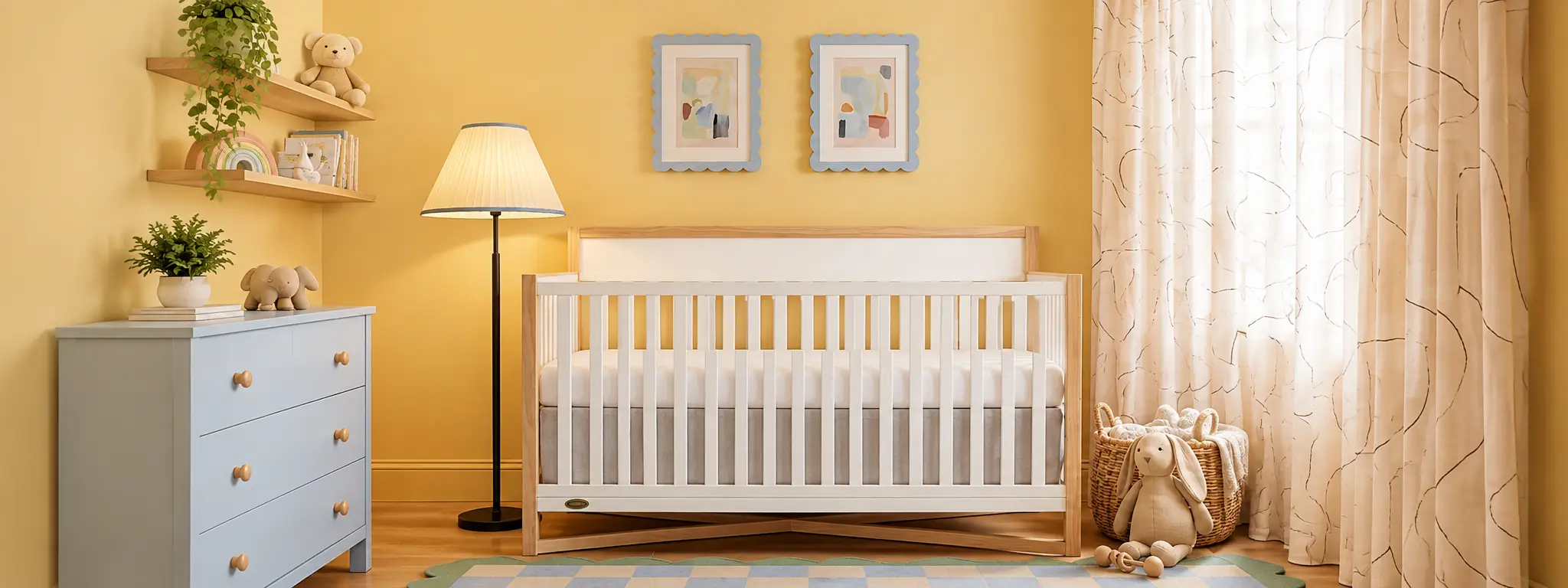
You Can Design a Beautiful Nursery in 80 Square Feet
You don't need a large room to create a nursery that feels beautiful, functional, and calming. Whether you're working with a city apartment, a shared bedroom, or a compact home, thoughtful design choices can make every square foot count. From convertible cribs to vertical storage and light-enhancing color palettes, here's how to create a nursery that works just as hard as you do.
Read more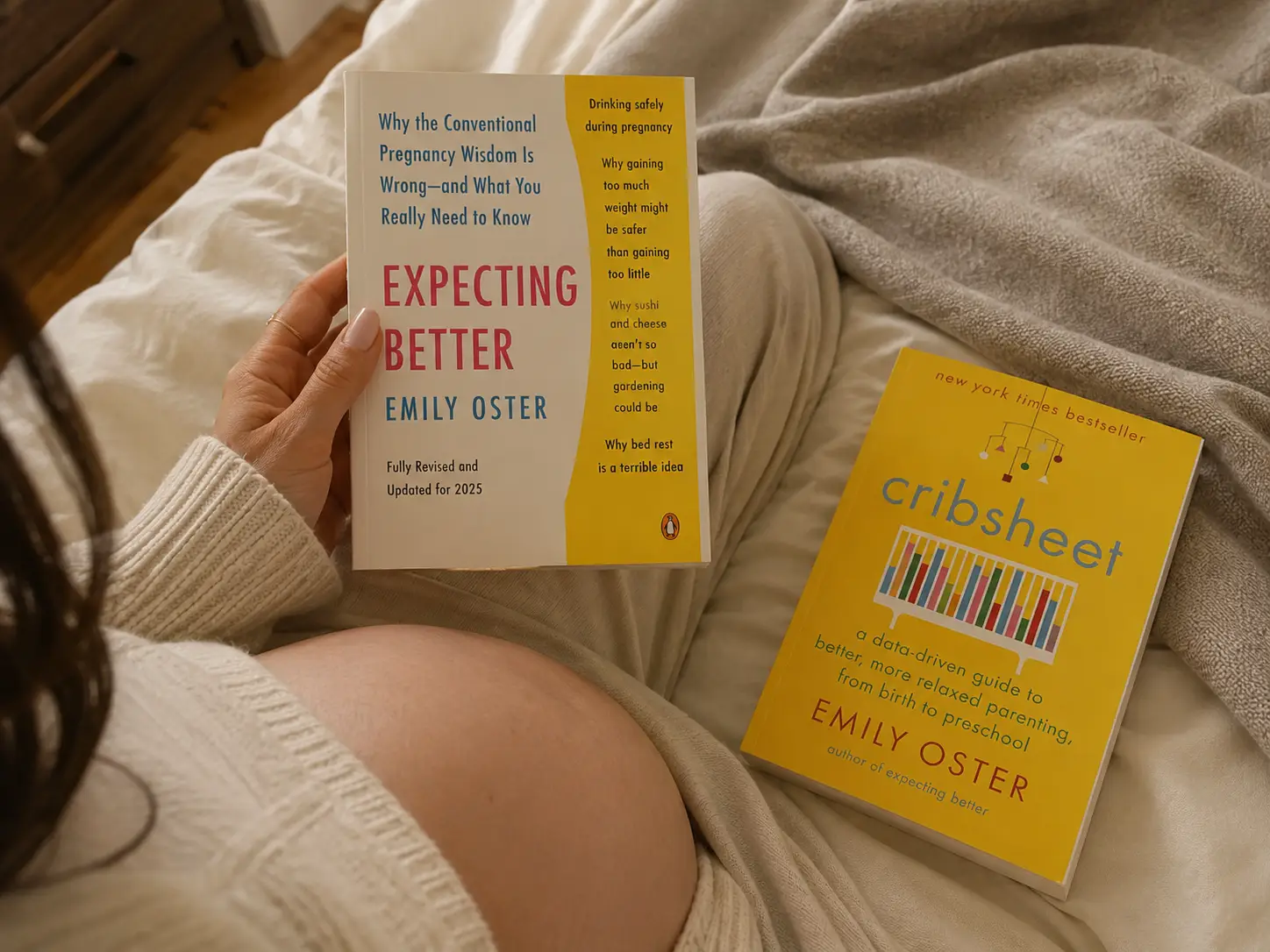
Must-Read List: 10 Best Books for Parents Before Baby Arrives (2026)
Preparing for your baby's arrival goes beyond buying nursery essentials—it also means preparing yourself. Discover the best books for parents, from evidence-based pregnancy guides and newborn care resources to relationship advice and safe sleep recommendations. This curated reading list will help you enter parenthood with confidence.
Read more
Beach, Travel, and Naps on the Go: The Best Baby Gear for Summer Adventures
Planning summer adventures with your little one? The right baby gear can make every beach day, road trip, and family getaway easier. From spacious diaper bags and all-terrain double strollers to portable pack n plays and travel-friendly high chairs, here's everything you need to keep your baby safe, comfortable, and happy on the go.
Read more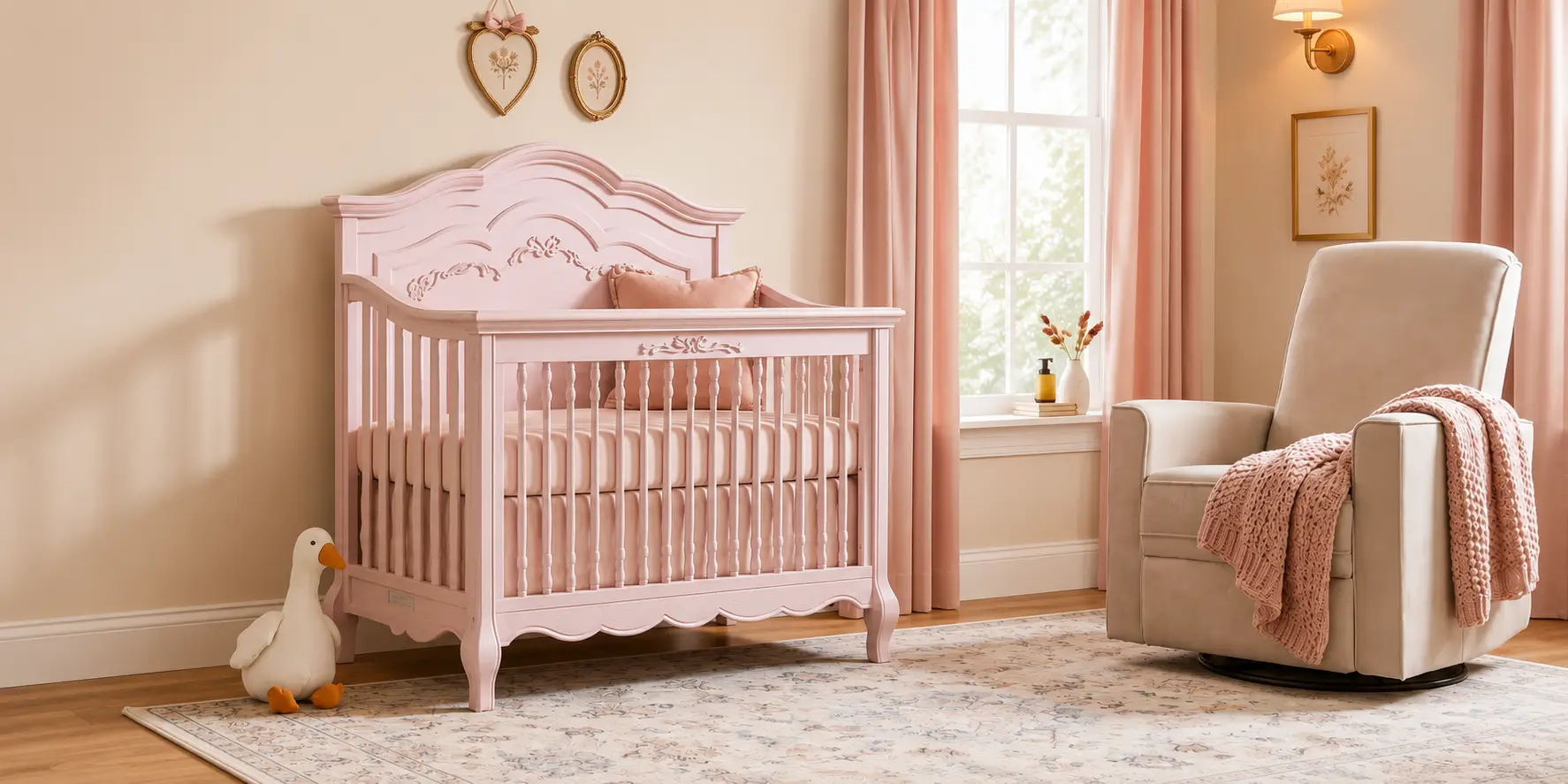
From Crib to Big Kid Bed: How Convertible Cribs Actually Work (and When to Make the Switch)
Convertible cribs are designed to grow with your child—but knowing how they convert and when to make the switch matters just as much as the crib itself. Here’s how to transition safely, confidently, and without disrupting sleep.
Read more


