



Best Baby Gear for Fall Walks in Chicago, Boston & New York
6–7 minute read
October 13, 2026
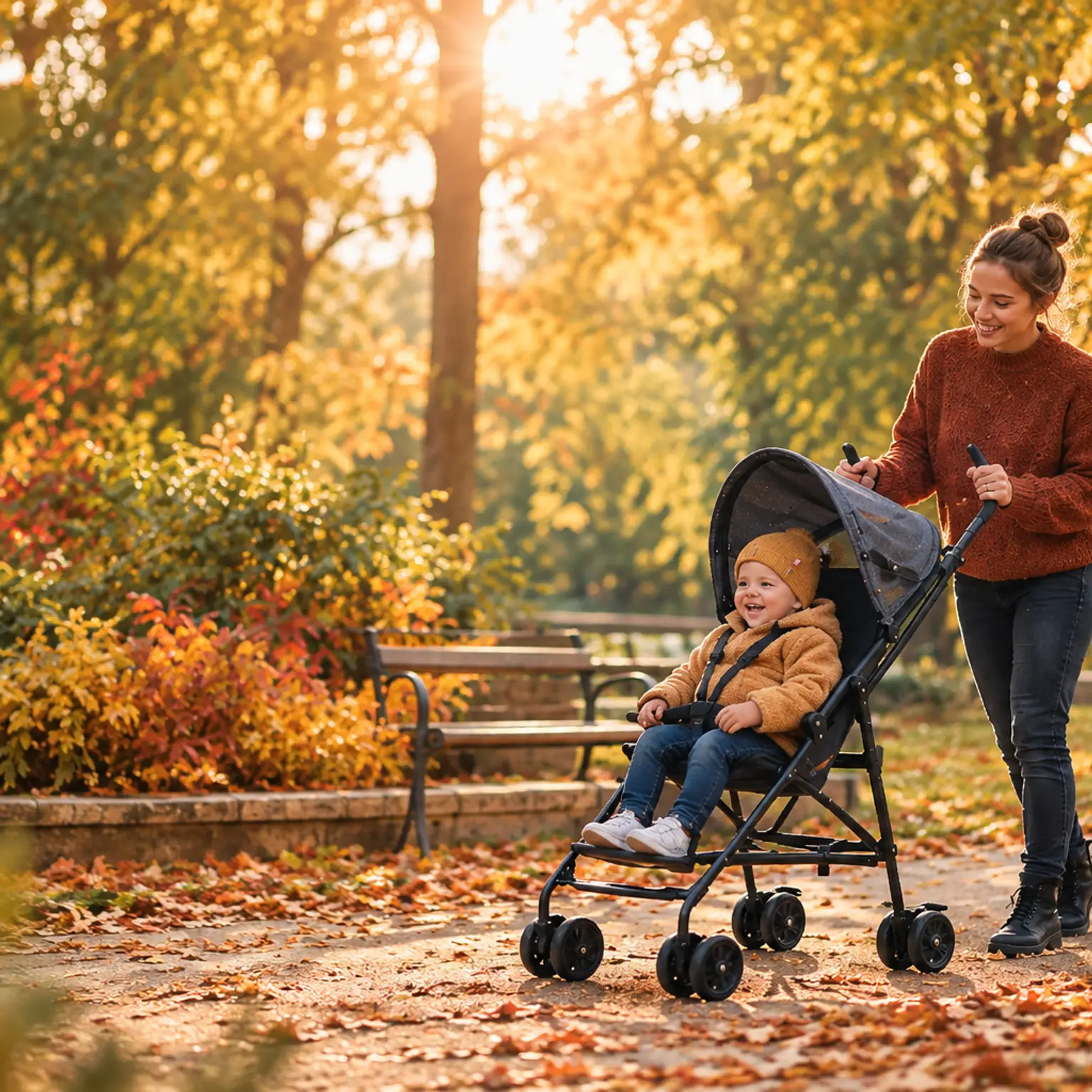
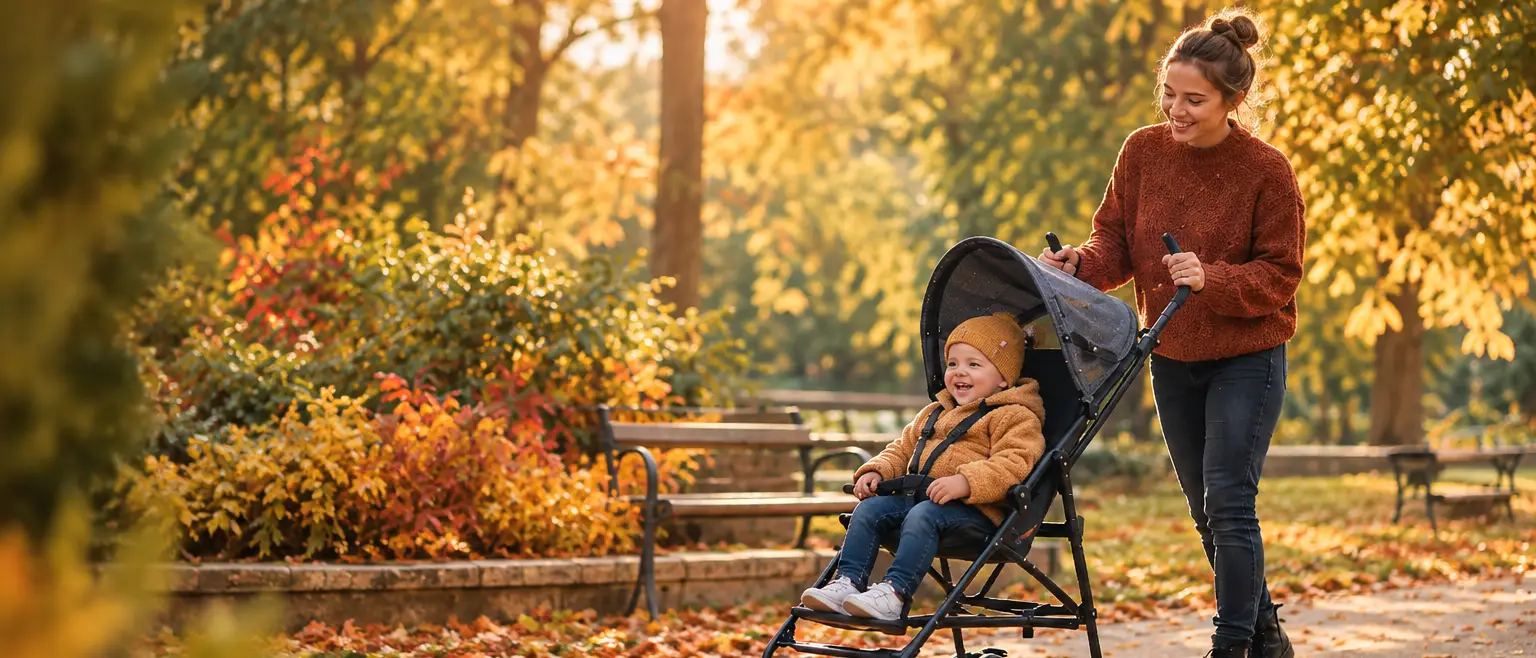
Fall in the city has a rhythm of its own. The air gets cooler, sidewalks get busier, and a simple walk to the park can turn into a longer outing with a coffee stop, grocery run, or quick trip on public transportation.
For parents with a baby, those everyday walks often require a little more planning.
The stroller needs to handle busy sidewalks. Your diaper bag needs to hold an extra layer. And when the weather changes halfway through your walk, having the right gear can make the difference between heading home early and enjoying another hour outside.
Whether you're walking through a neighborhood in Chicago, exploring Boston's historic streets, or navigating New York's crowded sidewalks, the goal isn't to pack everything. It's to choose baby gear that works for the way you actually move through the city.
Here's what to consider before your next fall walk.
What Makes Fall City Walks Different?
Fall walks aren't necessarily difficult, but they can be less predictable than summer outings.
Temperatures can change throughout the day, and wind or light rain can make a cool afternoon feel much colder. City sidewalks can also mean uneven pavement, curb cuts, crowded areas, stairs, and frequent stops.
That makes versatility especially useful.
A stroller that is easy to steer, a diaper bag that keeps essentials organized, and clothing that can be added or removed as temperatures change can help you stay comfortable without overpacking.
The best baby gear for fall walks (https://everandeverbaby.com/collections/gear-travel) should make it easier to adapt—not give you another complicated routine to manage.
Essential Baby Gear for Fall Walks
You don't need a completely new collection of gear for fall. A few dependable essentials can make your existing setup much more practical for cooler-weather walks.
A City-Friendly Stroller
Your stroller will probably do most of the work, so start here.
For city walks, look for a stroller that's easy to maneuver through narrow sidewalks and crowded areas, while still providing a comfortable ride for your baby. A manageable fold can also be helpful if your day includes public transportation, elevators, restaurants, or smaller spaces.
Useful features to consider include:
- Easy steering for navigating busy sidewalks
- Wheels suited to everyday pavement and uneven surfaces
- A comfortable seat with an appropriate harness
- Accessible storage for everyday essentials
- A practical fold for transportation and storage
- A canopy that provides protection from the elements
A stroller doesn't need to be oversized to handle city life. In many cases, a lightweight design that's easy to maneuver and carry can be more useful for everyday urban outings.
Explore the Ever & Ever Strollers & Accessories collection (https://everandeverbaby.com/collections/strollers-accessories) for options designed for everyday travel and life on the go.
Layers & Weather Protection
Fall weather is all about layers.
Instead of dressing your baby in one heavy outfit, lightweight layers make it easier to adjust their clothing as the temperature changes. The American Academy of Pediatrics recommends several thin layers for keeping babies and children warm in colder weather and notes that infants may generally need one more layer than an adult in the same conditions.
Depending on the weather and your baby's age, your walk may call for:
- A comfortable base layer
- A warmer top layer
- Socks and appropriate footwear
- A hat for cooler days
- A stroller canopy for shade or light weather
- A stroller cover designed for your specific stroller, when appropriate
The important thing is to check your baby regularly rather than assuming that more layers always mean better protection. If the weather becomes particularly cold, wet, or windy, consider shortening the outing and taking a warm indoor break.
Diaper Bag & On-the-Go Essentials
A fall walk can easily turn into a much longer outing than planned, so your diaper bag should be ready for the unexpected.
A practical fall-walk packing list might include:
- Diapers and wipes
- A changing pad
- One or two spare outfits
- An extra lightweight layer
- Bottles or feeding supplies, when age-appropriate
- Snacks, when age-appropriate
- Burp cloths
- Pacifier or comfort item
- Small bags for wet or soiled clothing
- Weather-appropriate accessories
Organization matters just as much as capacity. A bag with dedicated compartments can make it easier to find what you need without unpacking everything on a park bench.
The Ever & Ever Diaper Bags collection (https://everandeverbaby.com/collections/changing-diapering) includes options from Hannah & Sophia designed around everyday diapering and travel needs.
Babywearing for Short Trips
A stroller may be your go-to for longer walks, but a baby carrier can be useful when you're making a quick stop or navigating a particularly crowded area.
For example, you might use a carrier for a short walk from the car to a café, while using the stroller for the rest of the afternoon.
The two don't necessarily have to compete. For many city families, a stroller and carrier can serve different purposes depending on the length of the outing, the baby's age, and where you're going.
Always follow the carrier manufacturer's instructions for positioning, weight limits, and age requirements.
Fall Walks in Chicago, Boston & New York: What to Consider
You don't need different baby gear for every city, but your surroundings can influence which features become most useful.
In Chicago, changing temperatures and wind can make weather protection particularly important as fall progresses. A stroller with a practical canopy and easy maneuverability can be useful when you're moving between exposed streets and more sheltered areas.
In Boston, walks may involve a mix of sidewalks, older streets, parks, and public transportation. Compact, manageable gear can make it easier to navigate changes in your route.
In New York, crowded sidewalks, subway entrances, elevators, and frequent stops can make maneuverability and portability especially valuable. A stroller that's easy to steer and doesn't feel cumbersome can make everyday trips much simpler.
Across all three cities, the same principle applies: choose gear around how you move, not just how it looks in the store.
Think about your usual walk. Are you using public transportation? Walking several blocks at a time? Making frequent stops? Going to a neighborhood park? Those answers can tell you more about the stroller and gear you need than a long list of features ever could.
How to Dress Baby for a Fall Walk
The goal is to keep your baby comfortably warm without allowing them to overheat.
The American Academy of Pediatrics recommends layering clothing in colder weather and checking your baby's comfort rather than relying on a fixed number of layers.
For a fall walk, you might start with a comfortable base layer and add a sweater, fleece, or another lightweight layer depending on the temperature. A hat, socks, and weather-appropriate outer layer can provide additional warmth when needed.
Check your baby during the walk, especially if you've moved from a cool outdoor environment into a warmer indoor space. If your baby feels sweaty or unusually warm, remove a layer.
Also pay attention to the weather itself. If conditions become extremely cold, wet, or windy, it's better to shorten the outing rather than trying to make your gear compensate for unsafe conditions. The National Weather Service recommends taking extra caution with children in cold conditions because its wind-chill guidance is based on adult testing.
Fall Stroller Safety Checklist
Before heading out, take a quick look at your stroller and make sure everything is ready for the walk.
- Use the harness: Secure your baby according to the stroller manufacturer's instructions.
- Check the brakes: Engage the brakes whenever you're stopped.
- Check the wheels: Make sure they're secure and moving as intended.
- Keep the pathway clear: Watch for curbs, uneven pavement, leaves, and other obstacles.
- Use weather accessories correctly: Follow the stroller manufacturer's instructions for covers and other accessories.
- Don't overload the handles: Hanging heavy bags from the handles can affect stroller stability. Use the designated storage basket instead.
- Keep loose items away from your baby: Make sure blankets, bags, toys, and other items aren't creating a hazard.
- Check the stroller before use: Make sure it is fully open and locked before placing your baby inside.
The AAP recommends using a five-point harness, engaging the brakes whenever the stroller is stopped, and avoiding bags or other items hanging from the stroller handles because they can increase the risk of tipping.
If your baby falls asleep during the walk, keep them within your sight and follow the stroller manufacturer's guidance. For routine sleep, the AAP recommends moving babies who fall asleep in a stroller to a firm, flat sleep surface as soon as possible.
Frequently Asked Questions
What baby gear do I need for fall walks?
The basics include a city-friendly stroller, weather-appropriate layers, a well-organized diaper bag, and any accessories your stroller manufacturer recommends for changing weather. A baby carrier can also be useful for shorter trips or crowded areas.
What should a baby wear in a stroller in the fall?
Dress your baby in comfortable, breathable layers that can be adjusted as temperatures change. The AAP recommends several thin layers in colder weather and generally suggests that babies wear about one more layer than an adult in the same conditions.
What stroller is best for city walks?
The best stroller depends on your routine, but useful features for city living include easy maneuverability, practical storage, a comfortable harness, reliable brakes, and a manageable fold. If you'll regularly use public transportation or navigate crowded sidewalks, portability can be especially valuable.
How do I keep my baby warm in a stroller?
Use lightweight layers and adjust them according to the temperature and your baby's comfort. A stroller canopy or manufacturer-approved weather accessory can provide additional protection when appropriate. Check your baby regularly and take indoor breaks when the weather becomes particularly cold.
Can you walk with a baby in cold weather?
Yes, babies can generally spend time outdoors in cold weather when appropriately dressed and conditions are suitable. However, very cold or severe weather requires additional caution. The AAP recommends dressing children in several thin layers and watching for signs of cold exposure.
What should I keep in my diaper bag for fall walks?
Pack diapers, wipes, a changing pad, spare clothes, an extra layer, feeding supplies as needed, and small bags for wet or soiled clothing. For longer walks, you may also want a hat, socks, comfort item, and any weather-specific essentials your baby regularly uses.
Wrapping Up
Fall is one of the best seasons to make city walks part of your everyday routine with your baby.
You don't need to prepare for every possible weather change or pack your entire nursery before leaving the house. Instead, focus on a few dependable essentials: a stroller that's easy to navigate, layers that can be adjusted, a diaper bag that keeps everything organized, and weather-ready accessories when you need them.
Whether you're walking through Chicago, Boston, or New York, the right setup should make getting outside feel easier—not more complicated.
Choose gear that fits your routine, check the weather, layer thoughtfully, and leave room for the unexpected.
Suggested For You
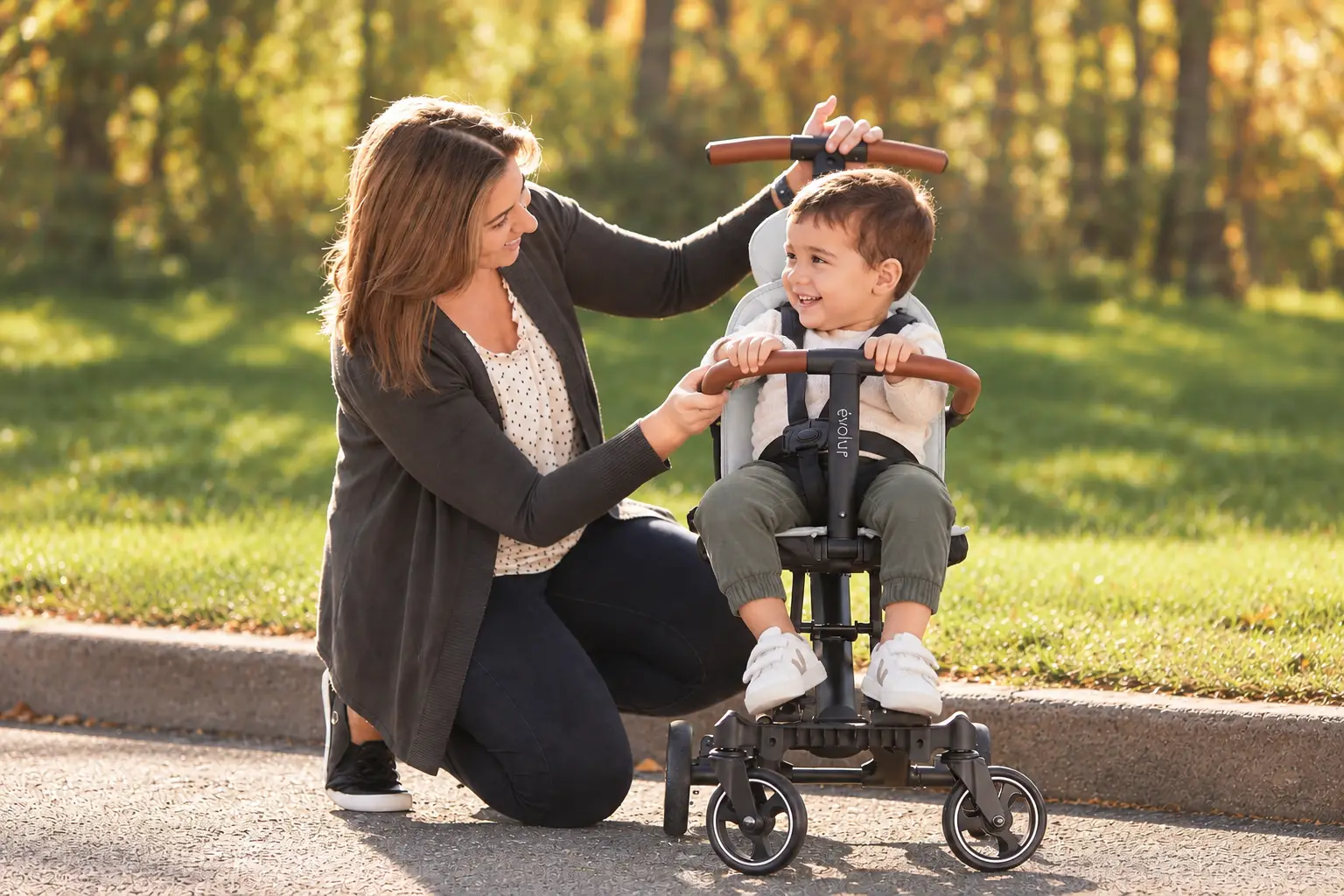
Baby Gear That Looks Safe but Isn’t: What Parents Should Watch For
Baby gear is designed to make parenting easier, but appearance alone doesn't tell you whether a product is safe. From sleep products and loungers to high chairs and changing gear, certain features can create risks that aren't immediately obvious. Here's what parents should look for before bringing baby gear into their home—and the warning signs that shouldn't be ignored.
Read more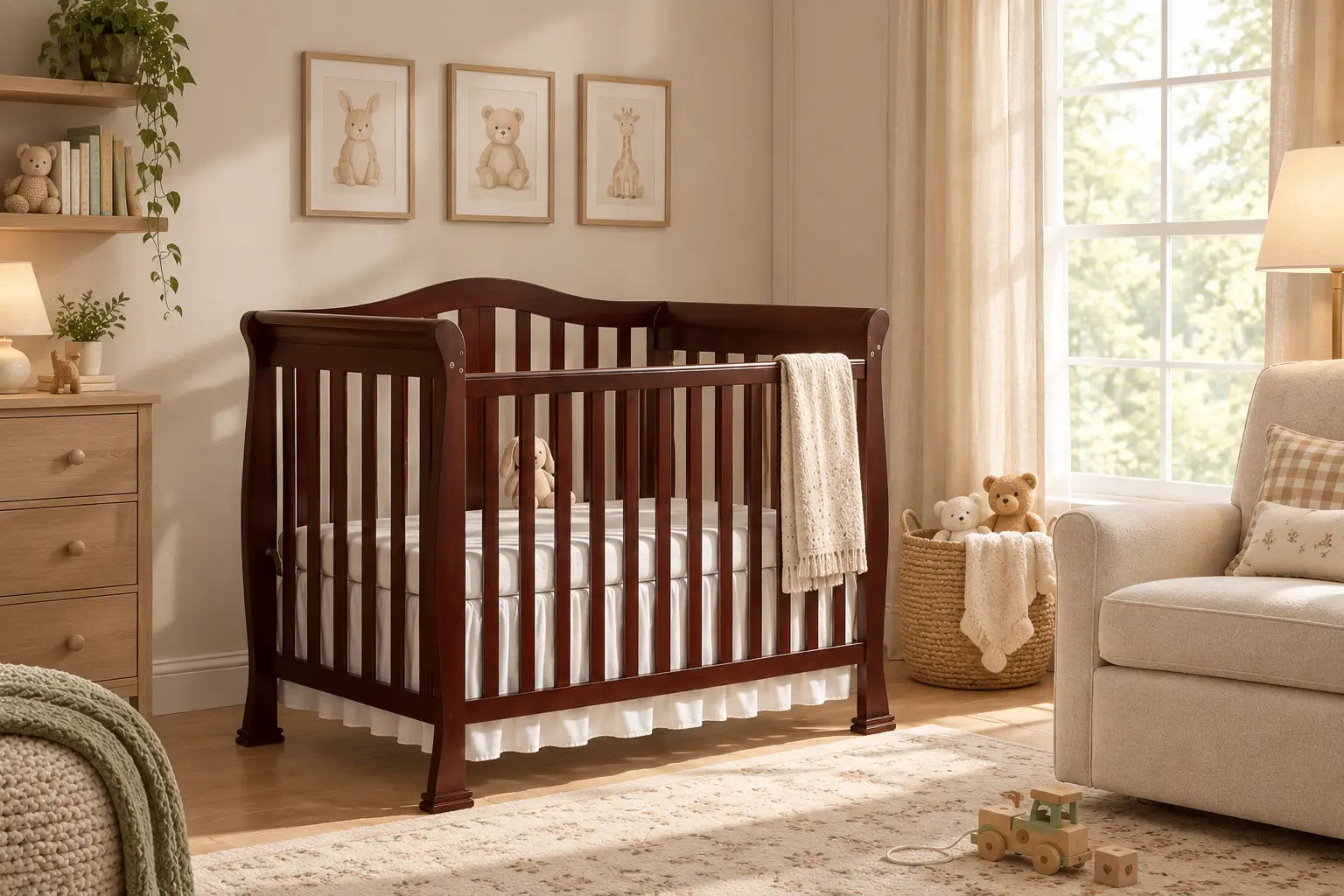
Boston Apartments Are Tiny. These Cribs Were Designed for Them
In Boston, a nursery doesn't always mean a dedicated room. From historic brownstones and walk-up apartments to compact city bedrooms, parents often have to make every square foot count. The right crib can make a surprisingly big difference. Here's how to choose a safe, functional crib that fits a smaller Boston apartment without sacrificing style or room to grow.
Read more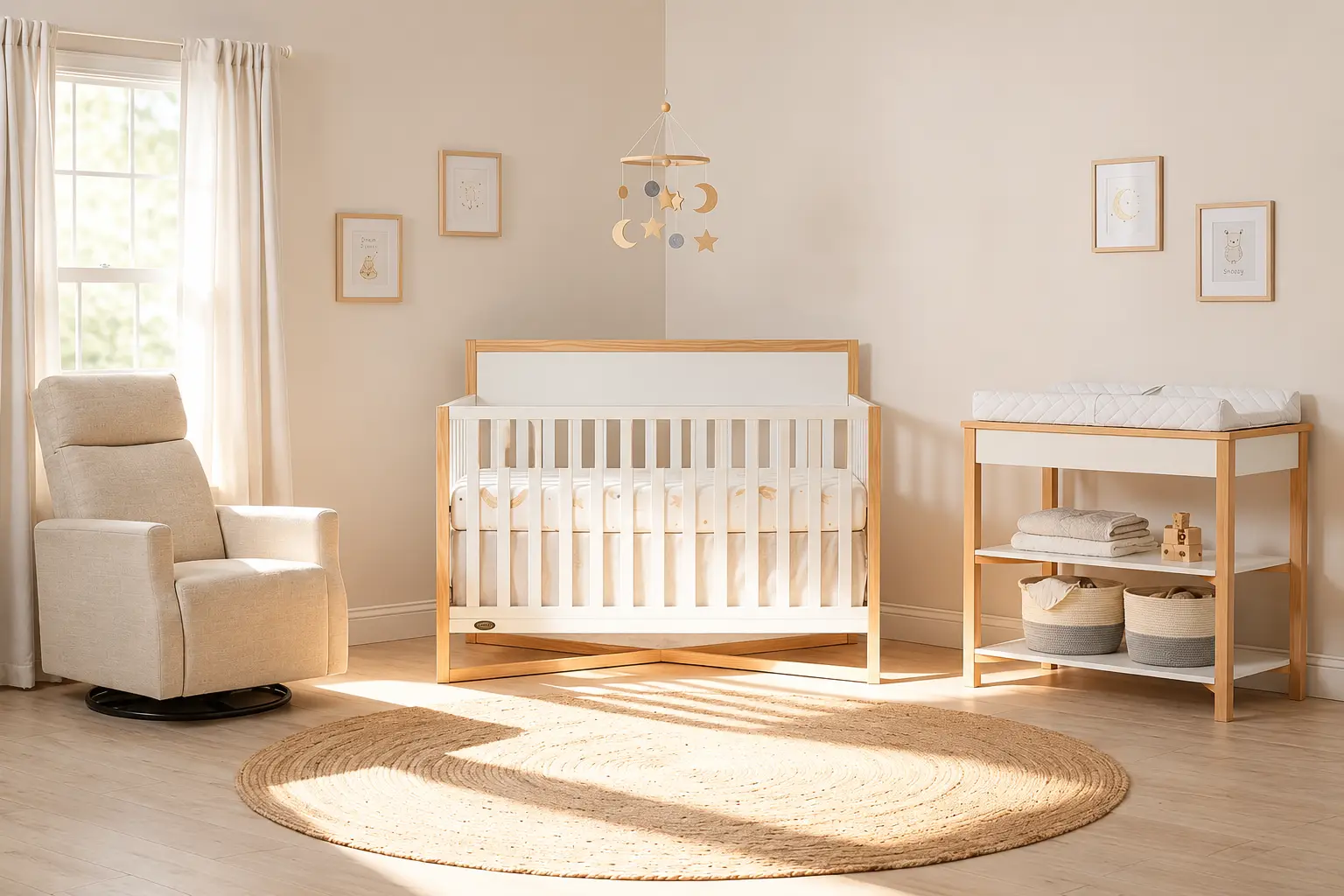
The Hidden Hazards in NYC Apartments That Every Baby Safety Guide Completely Ignores
Babyproofing a New York City apartment isn't quite the same as babyproofing a suburban home. Radiators, fire escapes, narrow layouts, old windows, exposed pipes, and limited storage can create safety challenges that standard babyproofing checklists don't always address. Here's what NYC parents should look for before a baby starts exploring.
Read more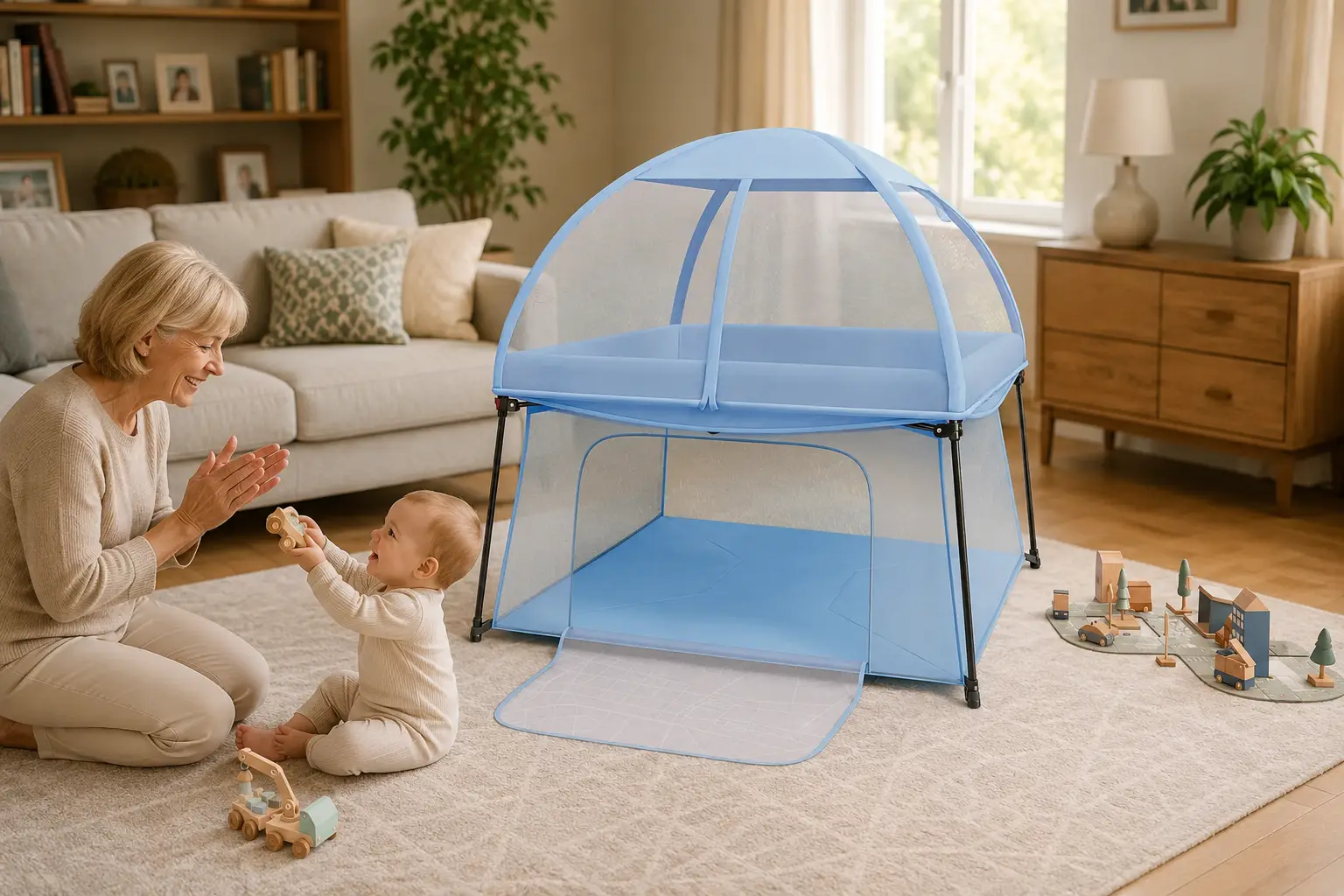
The Grandparents’ Guide to a Baby-Safe Home: What’s Changed Since You Raised Kids
Grandparents have plenty of parenting wisdom to share—but baby safety recommendations have changed significantly over the years. From sleep environments and car seats to cribs and babyproofing, here’s a practical guide to the updated safety advice grandparents should know when preparing their homes for a new grandbaby.
Read more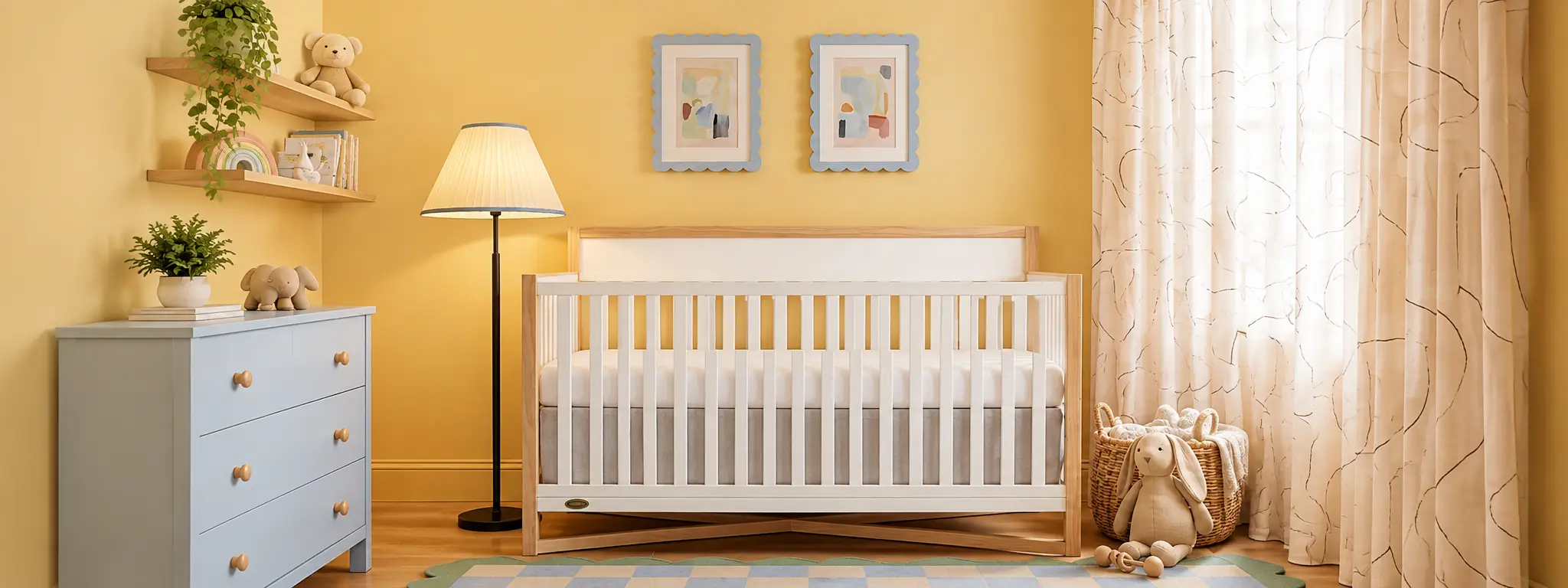
You Can Design a Beautiful Nursery in 80 Square Feet
You don't need a large room to create a nursery that feels beautiful, functional, and calming. Whether you're working with a city apartment, a shared bedroom, or a compact home, thoughtful design choices can make every square foot count. From convertible cribs to vertical storage and light-enhancing color palettes, here's how to create a nursery that works just as hard as you do.
Read more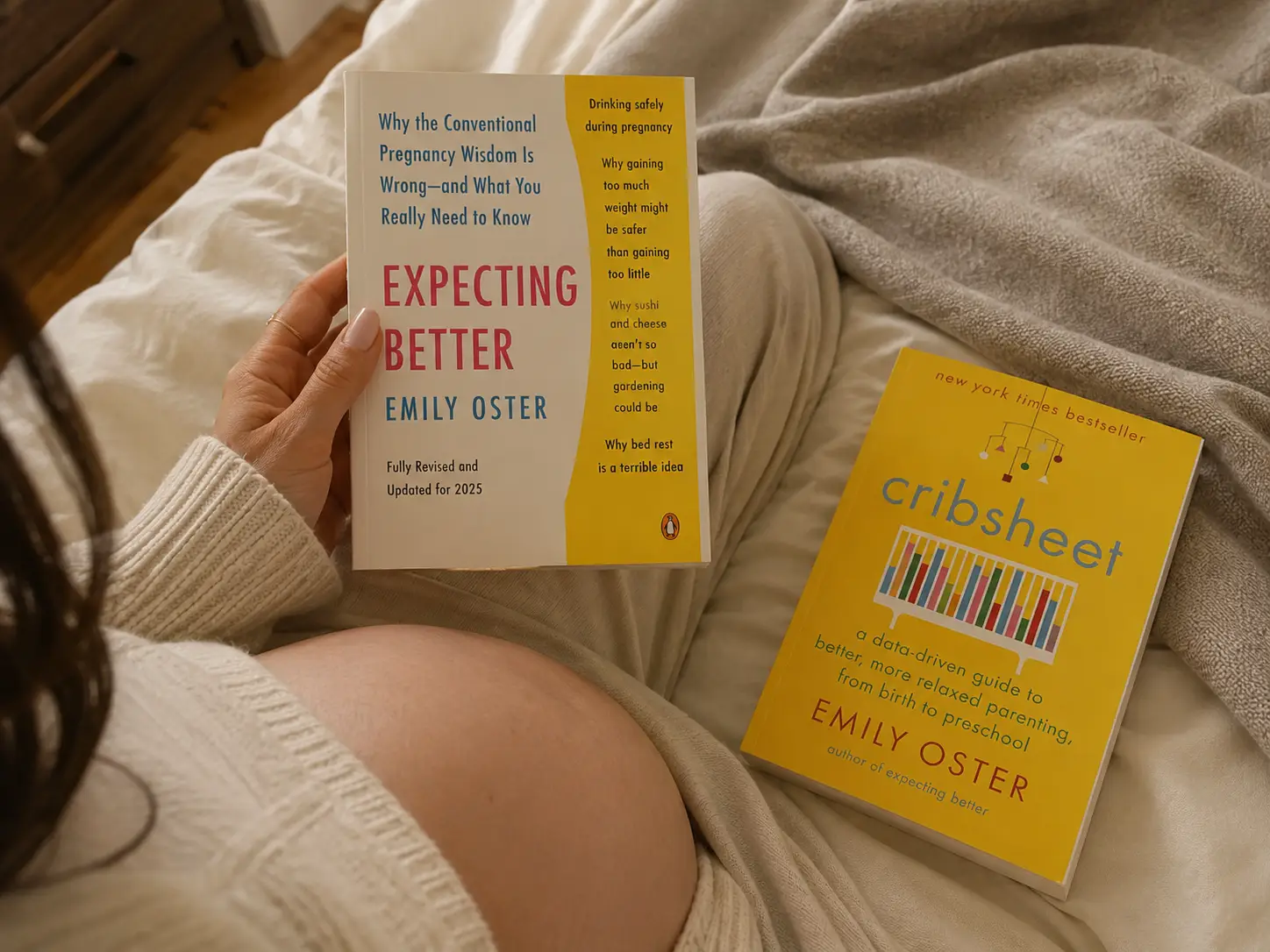
Must-Read List: 10 Best Books for Parents Before Baby Arrives (2026)
Preparing for your baby's arrival goes beyond buying nursery essentials—it also means preparing yourself. Discover the best books for parents, from evidence-based pregnancy guides and newborn care resources to relationship advice and safe sleep recommendations. This curated reading list will help you enter parenthood with confidence.
Read more


