



You Can Design a Beautiful Nursery in 80 Square Feet
6–7 minute read
August 12, 2026
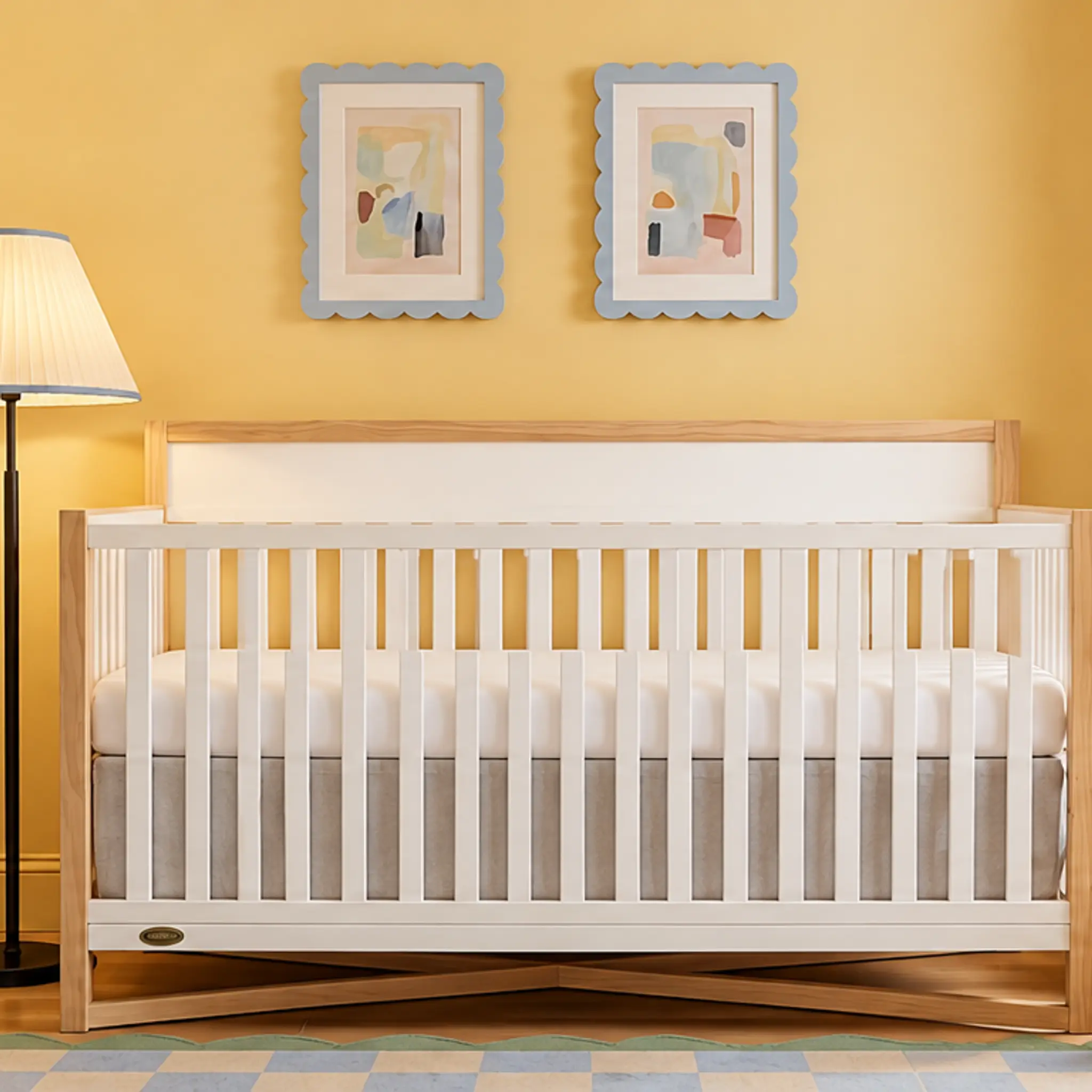
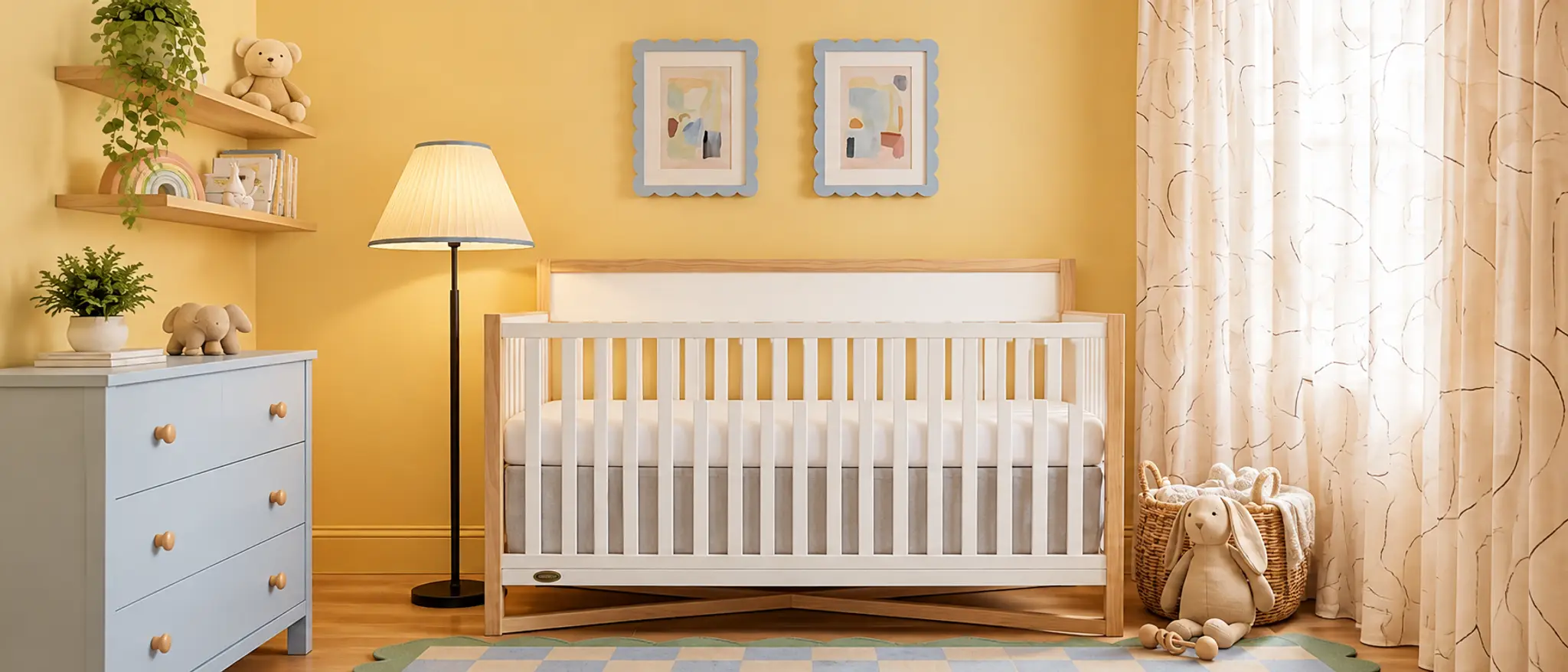
A nursery doesn't have to be large to feel special.
In fact, a smaller room can encourage a more thoughtful approach to design. When every piece of furniture has a purpose, it's easier to create a space that feels calm, organized, and comfortable without filling every corner.
Whether you're working with an apartment bedroom, a compact guest room, or a small nursery tucked into a larger space, 80 square feet can be enough for the essentials. The key is to prioritize what your baby actually needs, choose furniture carefully, and make the most of the space you already have.
Here's how to create a nursery that feels beautiful without feeling crowded.
Small Space, Big Potential: Planning Your Nursery Layout First
Before choosing paint colors or ordering furniture, start with the layout.
Measure the room—including doors, windows, closets, outlets, and any awkward corners. Then think about how you'll actually move through the space. You should be able to reach the crib easily, open drawers without blocking a walkway, and move comfortably between the areas you use most.
For a small nursery, it helps to think in terms of zones rather than furniture:
- Sleep zone : crib or mini crib and a small amount of surrounding space
- Changing zone: changing surface and diapering essentials
- Storage zone: dresser, shelves, baskets, or closet space
- Comfort zone: a compact chair or glider if the room allows
You don't necessarily need a separate piece of furniture for every function. A dresser with a changing setup, for example, can combine storage and diapering in one footprint.
And don't feel pressured to fill empty corners. Negative space is useful in a small nursery because it keeps the room easier to navigate and visually calmer.
When planning your sleep zone, safety should always take priority over aesthetics. The American Academy of Pediatrics recommends a firm, flat sleep surface in a crib, bassinet, portable crib, or play yard that meets applicable safety standards, with only a fitted sheet in the sleep space.
Choose Furniture That Works Harder Than It Looks
In an 80-square-foot nursery, furniture needs to earn its place.
That doesn't necessarily mean choosing the smallest pieces available. Instead, look for furniture that gives you more than one stage of use or serves multiple everyday purposes.
A mini crib can be a practical option when floor space is limited, particularly if you don't need a full-size crib immediately. A convertible crib can make more sense for families who want a longer-term solution and have enough room for the larger footprint.
Convertible designs are especially useful because they can adapt as your child grows, reducing the need to replace a major piece of furniture after just a few years.
The same principle applies to storage. Instead of adding a separate cabinet, bookshelf, and changing table, consider whether one larger piece can handle two or three of those jobs.
The goal isn't to buy more furniture. It's to make each piece you buy work harder.
Use Vertical Space to Maximize Storage Without Adding Clutter
When floor space is limited, look up.
Walls can provide valuable storage without taking away from the area your baby needs for movement and everyday care.
Depending on your setup, you can use:
- Wall-mounted shelves for books and small essentials
- Closet organizers to maximize existing storage
- Baskets for diapers, burp cloths, and blankets
- Drawer dividers to keep small items organized
- Hooks for lightweight items such as bags or clothing
Just remember that anything mounted or placed within a child's reach needs to be securely installed and regularly reassessed as your baby becomes more mobile.
You can also use the space underneath furniture more intentionally. Storage baskets under a dresser or changing table can hold less frequently used items without adding another bulky storage unit.
The trick is to keep frequently used items accessible and everything else contained. A small room can quickly feel chaotic when surfaces become catch-all spaces.
Light, Color & Texture: Simple Design Tricks That Make Small Nurseries Feel Bigger
You don't have to rely on an all-white nursery to make a small room feel spacious.
Light, warm neutrals, soft greens, muted blues, clay tones, and gentle natural shades can create a welcoming atmosphere without visually overwhelming the room.
If you want to introduce stronger color, consider using it strategically through one accent wall, textiles, artwork, or smaller décor pieces instead of covering the entire room in a bold shade.
Natural light can also make a significant difference. Keep windows as visually open as possible and use lightweight window treatments that allow daylight into the room while still giving you the privacy you need.
Mirrors can help reflect light and make a room appear more open, but they should always be securely installed and positioned safely away from the crib or other areas where a baby could reach them.
Texture can add warmth without taking up space. A woven basket, soft curtain, simple artwork, or textured rug can make the nursery feel finished without requiring additional furniture.
The Nursery Essentials You Actually Need (and What You Can Skip)
Small nurseries benefit from a little editing.
Before adding something to your registry or shopping list, ask: Will we actually use this regularly?
For most families, the basics include a safe sleep space, a suitable crib mattress, clothing storage, diapering supplies, and somewhere comfortable to sit if you'll be feeding or soothing your baby in the room.
Beyond those essentials, everything else depends on your lifestyle.
You may not need a full changing table if a dresser can accommodate your setup. You may not need a large bookshelf if you only have a small collection of books. And you probably don't need multiple storage units just because you have an empty wall.
Think about the routines that happen in your nursery and design around those routines.
A small basket beside the changing area can hold diapers and wipes. Another can keep extra clothes nearby. A compact organizer can make nighttime feedings easier without requiring an additional piece of furniture.
For sleep spaces, resist the temptation to use the crib as storage. The AAP recommends keeping pillows, blankets, toys, bumpers, and other loose or soft items out of the baby's sleep area.
A beautiful nursery doesn't need to be filled with accessories. Often, the most functional spaces are the ones that leave room to breathe.
Designing for Today—and the Toddler Years Ahead
One of the smartest ways to maximize a small nursery is to think beyond the newborn stage.
Your baby's needs will change quickly. The furniture you choose today may eventually need to accommodate a toddler, so longevity can be more valuable than having the trendiest setup for the first few months.
This is where convertible furniture can make a difference.
A convertible crib that transitions into another sleeping configuration can extend the useful life of a major nursery investment. Similarly, a sturdy dresser can move from the nursery into a toddler's room or another part of the home later.
Before buying, consider:
- How long can this piece realistically be used?
- Does it adapt as my child grows?
- Can it work in another room later?
- Will the design still feel relevant in a few years?
- Does it solve an actual problem in our daily routine?
This approach can also help prevent the nursery from becoming overcrowded with products your baby will quickly outgrow.
For families exploring longer-term nursery solutions, Evolur's nursery collection offers convertible furniture designed with growing families in mind.
Safety Still Comes First in a Small Nursery
A compact nursery shouldn't mean compromising on safety.
In fact, smaller spaces can make safety planning even more important because furniture, cords, windows, and storage may be positioned closer together.
Keep the crib away from window cords and other hazards, secure furniture that could tip, and make sure pathways remain clear. As your baby becomes more mobile, reassess the room rather than assuming the original setup will continue to work.
When choosing baby furniture, look for products that comply with applicable safety requirements and consider third-party safety verification where available. The Baby Safety Alliance's Verified Seal indicates that products in its program have undergone independent testing against applicable safety and performance standards.
Most importantly, don't let décor take priority over the basics. A beautiful nursery is wonderful—but a safe, functional nursery is what matters most.
Making 80 Square Feet Feel Like Enough
Designing a small nursery is ultimately less about making the room look bigger and more about making it work better.
Choose furniture with purpose. Use vertical storage. Keep the palette cohesive. Leave enough open space to move comfortably. And whenever possible, choose pieces that can grow with your child instead of needing to be replaced after a short period.
You don't need a picture-perfect nursery with matching furniture in every corner. You need a space that supports the everyday moments that happen there—from middle-of-the-night feedings to diaper changes, cuddles, story time, and eventually those first independent steps.
Frequently Asked Questions
How small can a nursery realistically be?
An 80-square-foot room can work as a nursery when the layout is carefully planned and furniture is chosen based on the space available. Prioritize a safe sleep space, essential storage, and enough open floor area to move comfortably around the room.
How do I make a small nursery look bigger?
Use light or warm neutral colors, maximize natural light, keep the floor as open as possible, and use vertical storage instead of adding more furniture. Choosing furniture with a smaller footprint or multiple functions can also help the room feel less crowded.
What furniture is essential for a small nursery?
The essentials typically include a safe crib or sleep space, a suitable crib mattress, clothing and diaper storage, and a comfortable place for feeding or soothing if space allows. A dresser that doubles as a changing station can help combine functions.
Should I choose a mini crib or a full-size convertible crib?
It depends on your available space and how long you want to use the crib. A mini crib can be useful in particularly compact rooms, while a convertible crib may offer greater long-term value if you have enough floor space for its footprint.
How do I organize a nursery with very little storage?
Make use of vertical space, closet organizers, baskets, drawer dividers, and under-furniture storage. Keep everyday essentials within easy reach and avoid adding storage furniture unless it serves a specific purpose.
Wrapping Up: Small Space, Thoughtful Design
A beautiful nursery doesn't depend on square footage. With thoughtful planning, versatile furniture, and a focus on what your family actually uses, even 80 square feet can become a comfortable space for your baby's earliest years.
The best nursery is the one that feels calm, functional, and easy to live in—because that's what makes a small space feel like home.
Suggested For You
Boston Apartments Are Tiny. These Cribs Were Designed for Them
In Boston, a nursery doesn't always mean a dedicated room. From historic brownstones and walk-up apartments to compact city bedrooms, parents often have to make every square foot count. The right crib can make a surprisingly big difference. Here's how to choose a safe, functional crib that fits a smaller Boston apartment without sacrificing style or room to grow.
Read more
The Hidden Hazards in NYC Apartments That Every Baby Safety Guide Completely Ignores
Babyproofing a New York City apartment isn't quite the same as babyproofing a suburban home. Radiators, fire escapes, narrow layouts, old windows, exposed pipes, and limited storage can create safety challenges that standard babyproofing checklists don't always address. Here's what NYC parents should look for before a baby starts exploring.
Read more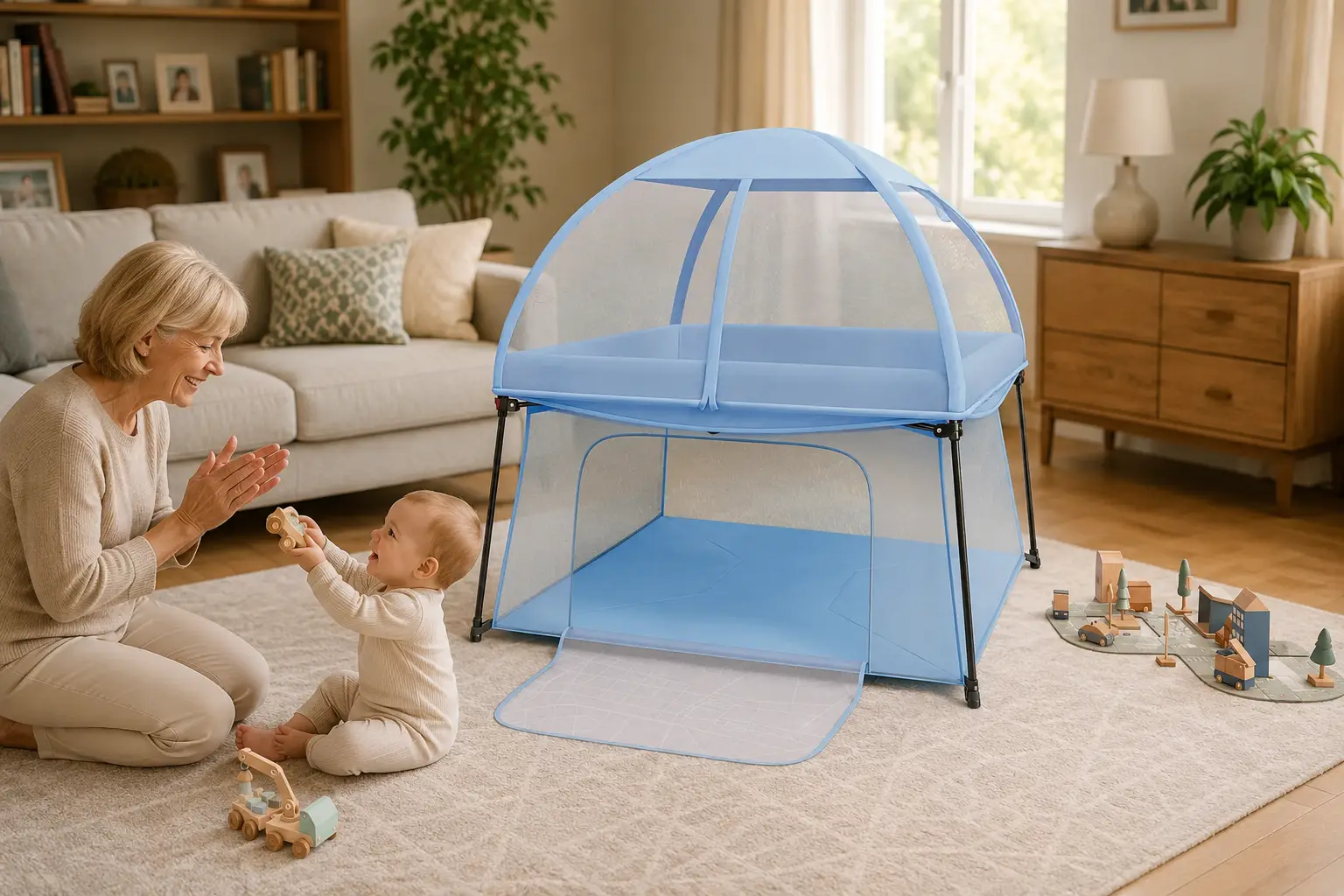
The Grandparents’ Guide to a Baby-Safe Home: What’s Changed Since You Raised Kids
Grandparents have plenty of parenting wisdom to share—but baby safety recommendations have changed significantly over the years. From sleep environments and car seats to cribs and babyproofing, here’s a practical guide to the updated safety advice grandparents should know when preparing their homes for a new grandbaby.
Read more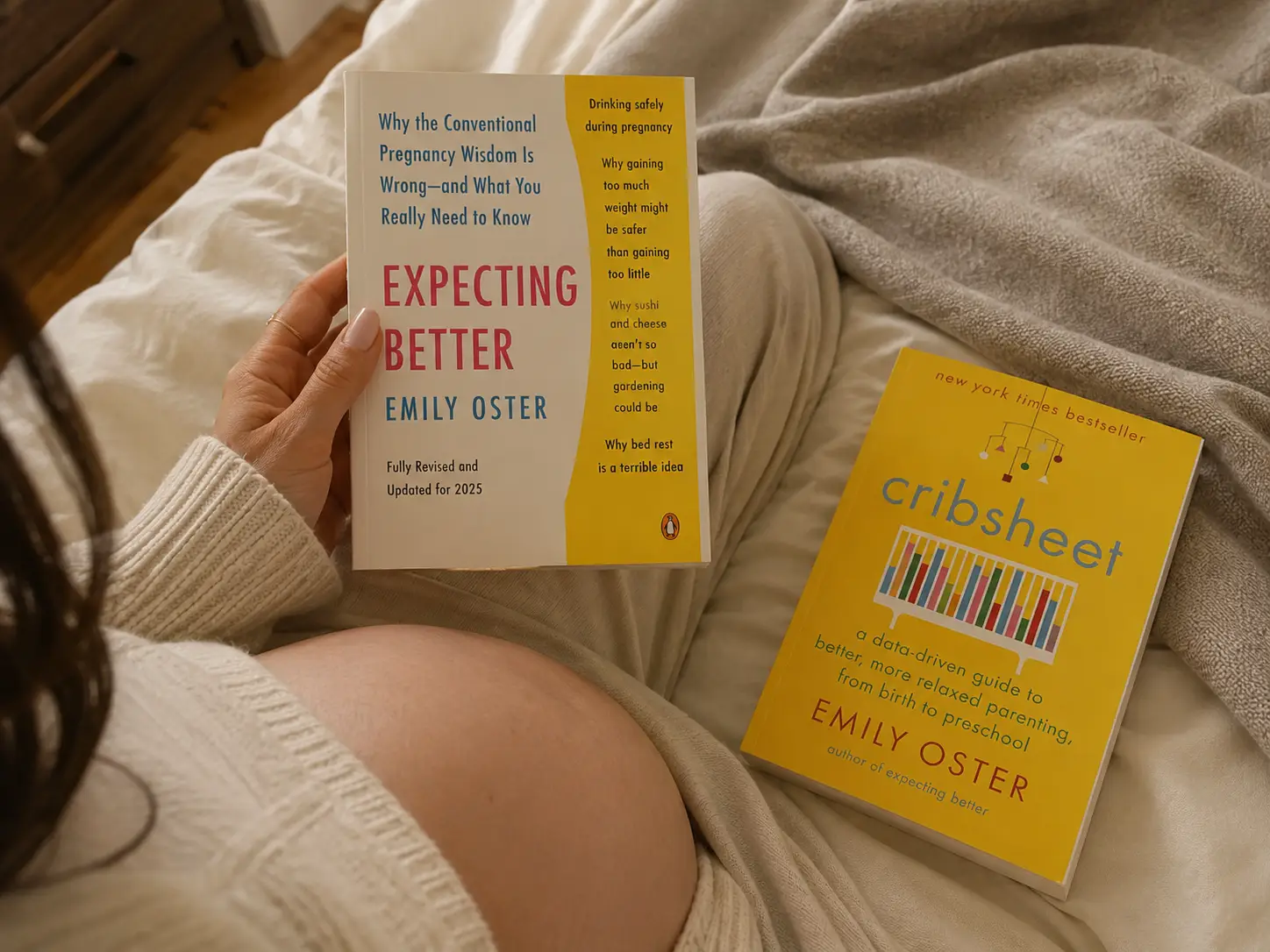
Must-Read List: 10 Best Books for Parents Before Baby Arrives (2026)
Preparing for your baby's arrival goes beyond buying nursery essentials—it also means preparing yourself. Discover the best books for parents, from evidence-based pregnancy guides and newborn care resources to relationship advice and safe sleep recommendations. This curated reading list will help you enter parenthood with confidence.
Read more
Beach, Travel, and Naps on the Go: The Best Baby Gear for Summer Adventures
Planning summer adventures with your little one? The right baby gear can make every beach day, road trip, and family getaway easier. From spacious diaper bags and all-terrain double strollers to portable pack n plays and travel-friendly high chairs, here's everything you need to keep your baby safe, comfortable, and happy on the go.
Read more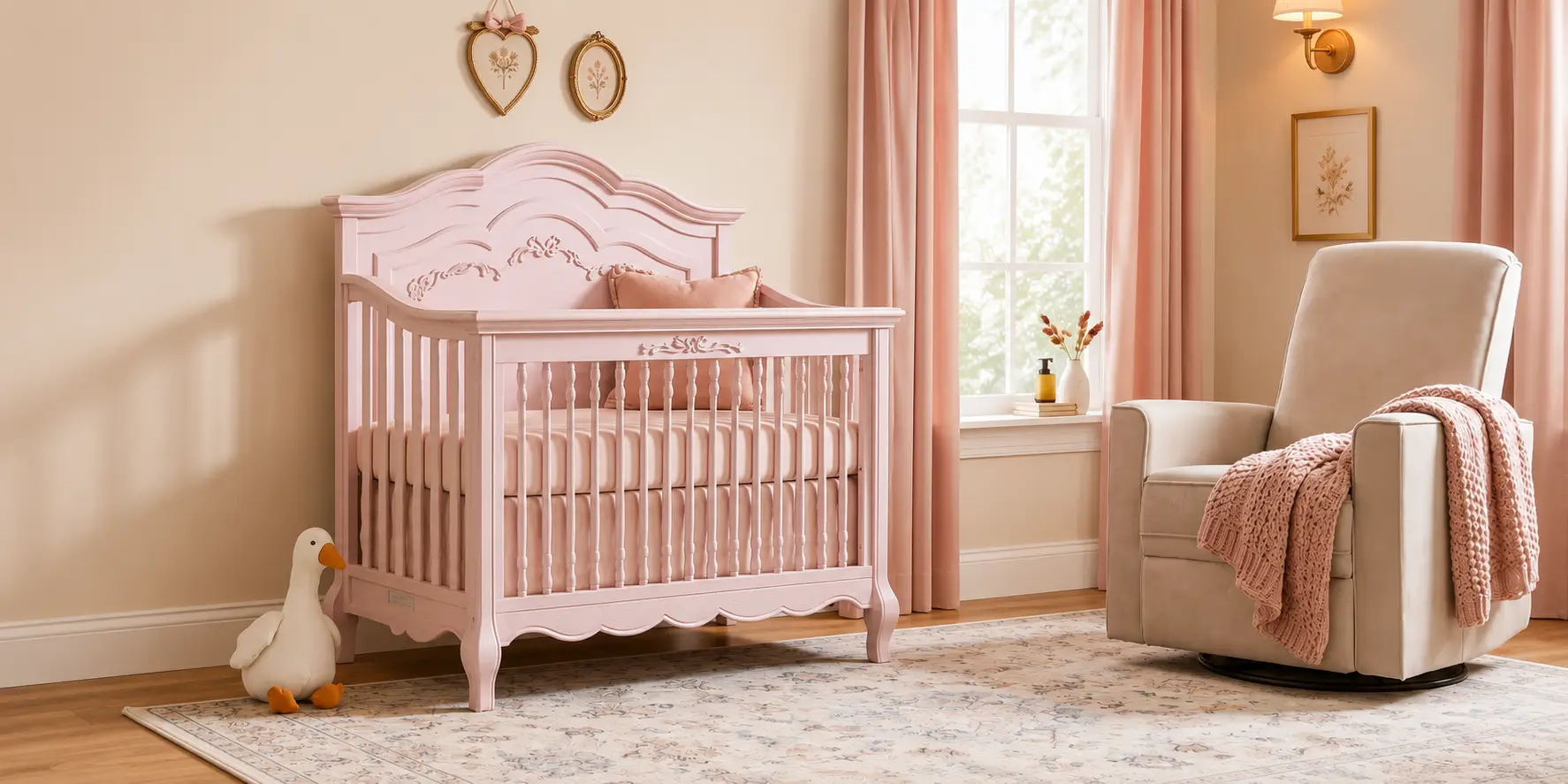
From Crib to Big Kid Bed: How Convertible Cribs Actually Work (and When to Make the Switch)
Convertible cribs are designed to grow with your child—but knowing how they convert and when to make the switch matters just as much as the crib itself. Here’s how to transition safely, confidently, and without disrupting sleep.
Read more


