



Design a Nursery That Works for Your Newborn and Your Toddler
6 minute read
November 7, 2026
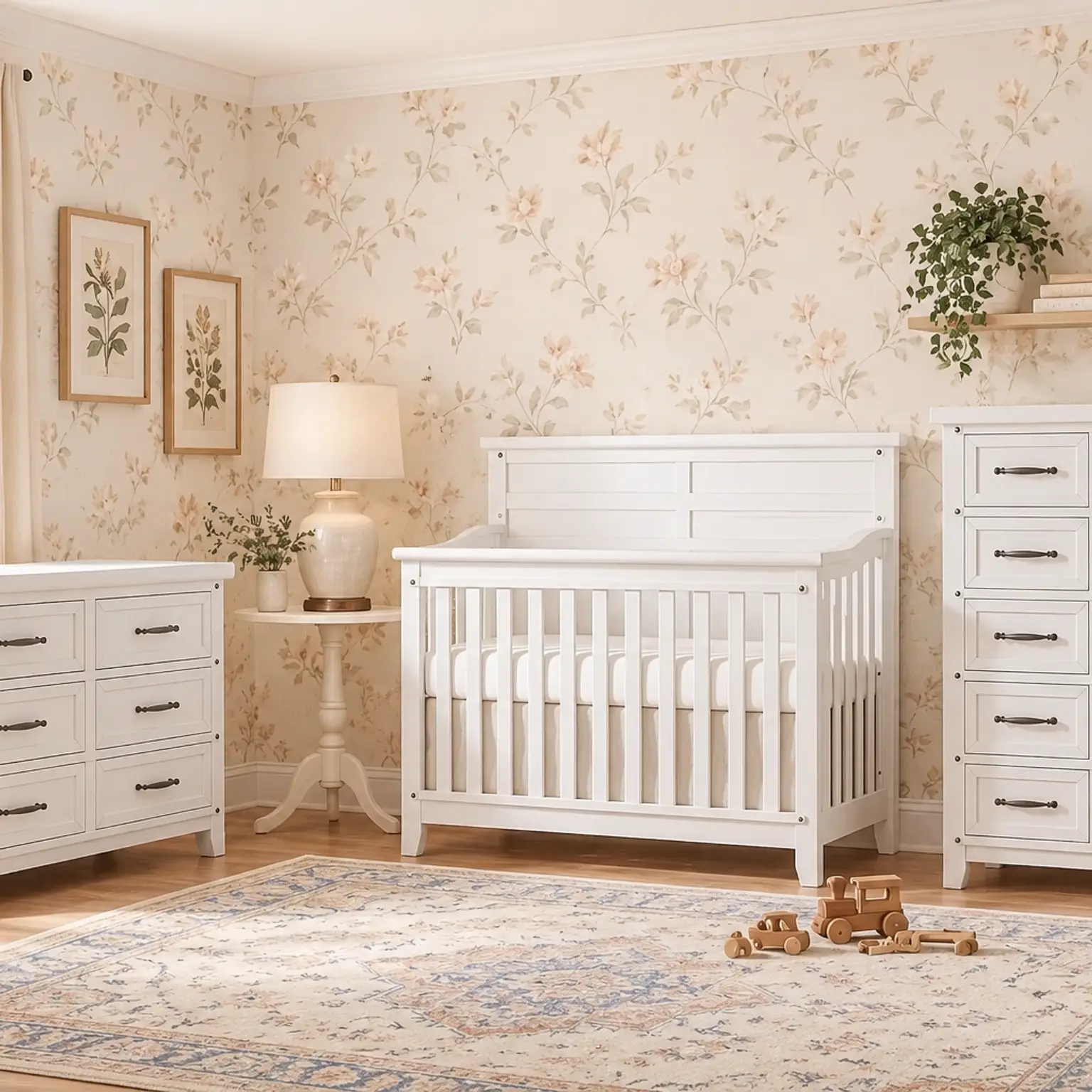
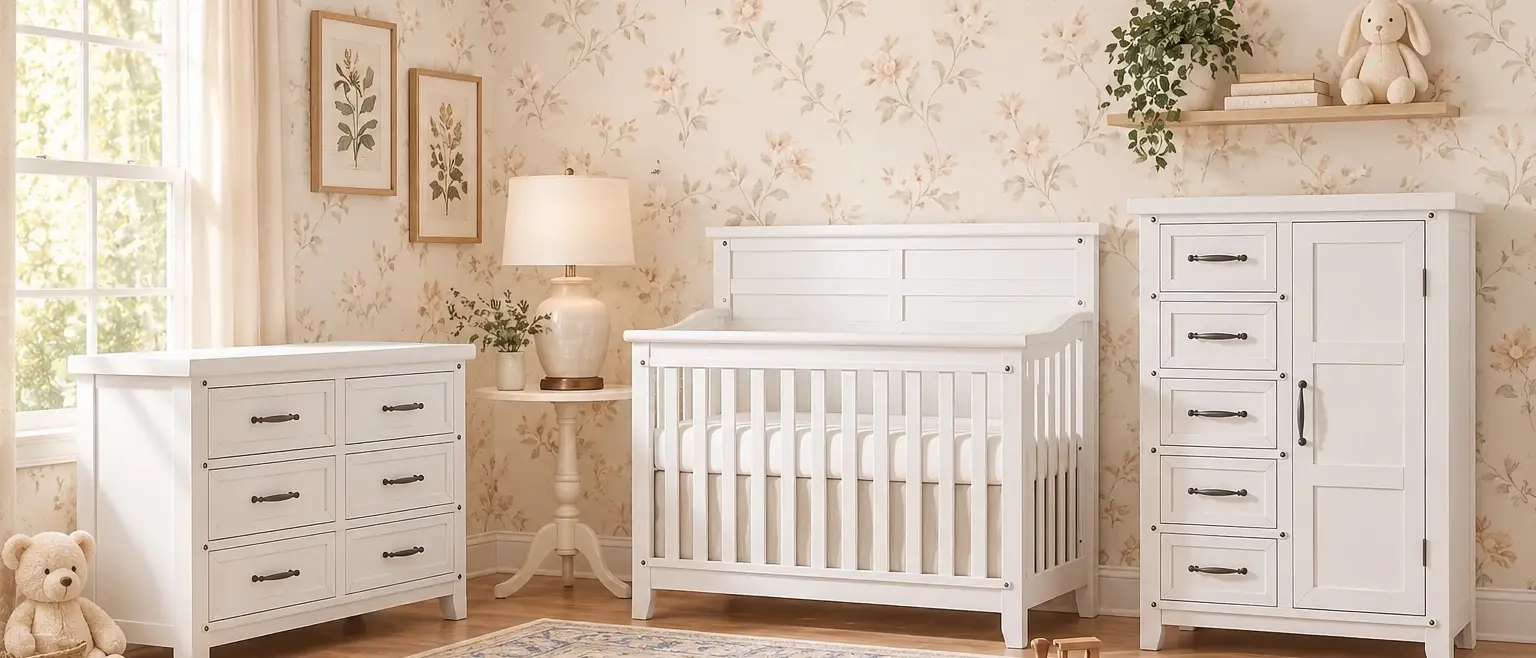
When you’re setting up a nursery, it’s easy to focus on the newborn stage: the crib, the changing station, the cozy chair for late-night feeds. But that tiny baby will soon be rolling, crawling, pulling up, and eventually running around the room.
The good news is that you don’t have to start over every time your child reaches a new stage. With a little planning, you can design a nursery that works beautifully for your newborn and grows right along with them into the toddler years.
Here’s how to create a space that’s ready for both.
Why Planning Ahead Saves Time and Money
Redoing a nursery every year or two can get expensive, not to mention time-consuming. A grow-with-me approach focuses on choosing pieces and design elements that can adapt as your child’s needs change.
Instead of buying a new bed, dresser, and décor for each stage, you invest in versatile foundations and update smaller details over time. The result is a room that evolves naturally, without a full makeover every time your little one hits a milestone.
It also means fewer big decisions during the busy early years, which most new parents will happily take.
Start With Convertible Furniture
Furniture is usually the biggest investment in a nursery, so it makes sense to choose pieces that last.
Convertible cribs (https://everandeverbaby.com/search?q=convertible%20cribs): Many convertible cribs can transition from a crib to a toddler bed, and some convert into a daybed or full-size bed later on. That means the piece your newborn sleeps in can keep working well into childhood. Choose a crib that meets current CPSC safety standards and has multiple mattress height settings so you can lower the mattress as your baby grows.
Dressers that outlast the changing years: A sturdy dresser (https://everandeverbaby.com/collections/storage-dressers) with a removable changing topper works as a changing station during the diaper years, then becomes everyday storage once your child is potty-trained.
Gliders and chairs: A comfortable glider (https://everandeverbaby.com/collections/gliders-ottomans)for feeding can later become the perfect reading chair for bedtime stories.
Explore the Ever & Ever Convertible Cribs Collection, Toddler Beds Collection, and Dressers Collection for furniture designed to grow with your family. To compare changing setups, check out Changing Table vs. Changing Dresser on the Ever & Ever Blog.
Choose a Timeless Base, Then Layer In Personality
The easiest way to keep a nursery feeling fresh is to separate the parts that stay from the parts that change.
Keep the base timeless: Choose neutral or soft wall colors, classic furniture finishes, and simple window treatments. Warm whites, soft grays, beiges, sage, and muted blues tend to work well for babies and toddlers alike.
Layer in personality: Add color and character through items that are easy to swap: crib sheets, rugs, wall art, pillows, and small décor. As your child’s interests develop, whether it’s animals, vehicles, or a favorite color, you can update these details without repainting or replacing furniture.
This approach gives you a calm, soothing space for the newborn stage and an easy path to a playful, personalized toddler room.
Plan Storage That Changes With Them
Storage needs change a lot between the newborn and toddler years.
Newborn stage: You’ll need easy access to diapers, wipes, burp cloths, sleep sacks, and tiny clothes, ideally within reach of the changing station.
Toddler stage: Storage shifts toward toys, books, and bigger clothes. This is also when your child starts wanting to grab things on their own.
A few ways to plan ahead:
- Choose a dresser with deep drawers that can hold diaper supplies now and clothes later
- Use baskets and bins that can switch from baby essentials to toys
- Add low, open shelving or forward-facing bookshelves that toddlers can reach safely
- Choose open bins or toy boxes without heavy lids. CPSC warns that toy chests with hinged lids should have lid supports that hold the lid open, to help prevent injuries.
Low, reachable storage also helps toddlers build independence, like choosing a book or putting toys away.
Make Room for Play as Well as Sleep
A nursery isn’t just a place to sleep. It’s also where your baby will play, explore, and learn.
In the early months, open floor space gives you room for supervised tummy time, which the AAP recommends starting from the first days at home, while your baby is awake and watched. A soft, washable rug or play mat makes a comfortable spot for floor play.
As your baby grows, that same space becomes the place to crawl, practice standing, stack blocks, and play pretend. Try to keep the center of the room open rather than filling it with furniture, and plan to add a small reading nook or play corner as your child gets older.
Toddler-Proof Before You Need To
Babies become mobile faster than most parents expect, so it’s worth toddler-proofing the nursery early.
- Anchor furniture: CPSC’s (https://www.cpsc.gov/Safety-Education/Safety-Education-Centers/AnchorItgov)Anchor It! campaign warns that dressers, bookcases, and TVs can tip over onto young children. Anchor all tall or heavy furniture to the wall.
- Secure cords: Keep electrical cords out of reach, and choose cordless window coverings, which CPSC recommends in homes with young children.
- Cover outlets: Use outlet covers or tamper-resistant outlets on any outlet within reach.
- Keep the crib clear: Position the crib away from windows, cords, and wall décor, and lower the mattress as your baby begins sitting and standing. For a stage-by-stage guide, read When to Lower Your Crib Mattress on the Ever & Ever Blog.
- Check décor: Hang art securely and keep small decorative items out of reach.
The AAP also recommends looking at your home from your child’s eye level to spot hazards you might otherwise miss.
Signs It’s Time to Update the Space
Your child’s development will tell you when it’s time to make changes. Watch for:
Climbing: If your child starts trying to climb out of the crib, or is about 35 inches tall, or the crib rail is below their chest while standing, it’s time to think about converting to a toddler bed, as the AAP suggests.
New routines: Once your child is out of diapers, you can remove the changing topper and use the dresser for clothes and storage.
Growing independence: If your toddler wants to choose their own books, clothes, or toys, it may be time to add lower storage, a small table and chair, or a reading nook.
New interests: When your child develops favorite colors, characters, or hobbies, refresh the bedding, art, and accessories to reflect their personality.
FAQs
How do I design a nursery that grows with my child? Start with convertible furniture and a timeless, neutral base. Then add personality through easy-to-swap bedding, art, and accessories, and plan storage and floor space that can adapt from baby to toddler.
Is a convertible crib worth it? For many families, yes. A convertible crib can transition into a toddler bed and sometimes a full-size bed, so it can stay in use for years, often making it a better long-term value than buying separate beds for each stage.
What nursery colors work for both babies and toddlers? Soft neutrals like warm white, beige, and gray, along with muted shades like sage and dusty blue, work well at every stage. Add brighter colors through accessories that are easy to change.
When should I convert a crib to a toddler bed? The AAP suggests transitioning when your child is about 35 inches tall, when the crib rail falls below their chest while standing, or when they start climbing out of the crib.
How do I toddler-proof a nursery? Anchor furniture to the wall, secure or remove cords, cover outlets, choose cordless window coverings, keep small objects out of reach, and position the crib away from windows and wall décor.
Wrapping Up
A nursery that grows with your child doesn’t have to be complicated. Start with versatile furniture, keep the foundation simple and timeless, and let the smaller details change as your child does.
With a little planning, the same room that welcomes your newborn home can become the place where your toddler plays, reads, and learns to do things on their own.
It’s not about designing the perfect room for just one stage. It’s about creating a space that’s ready for every new one.
Suggested For You
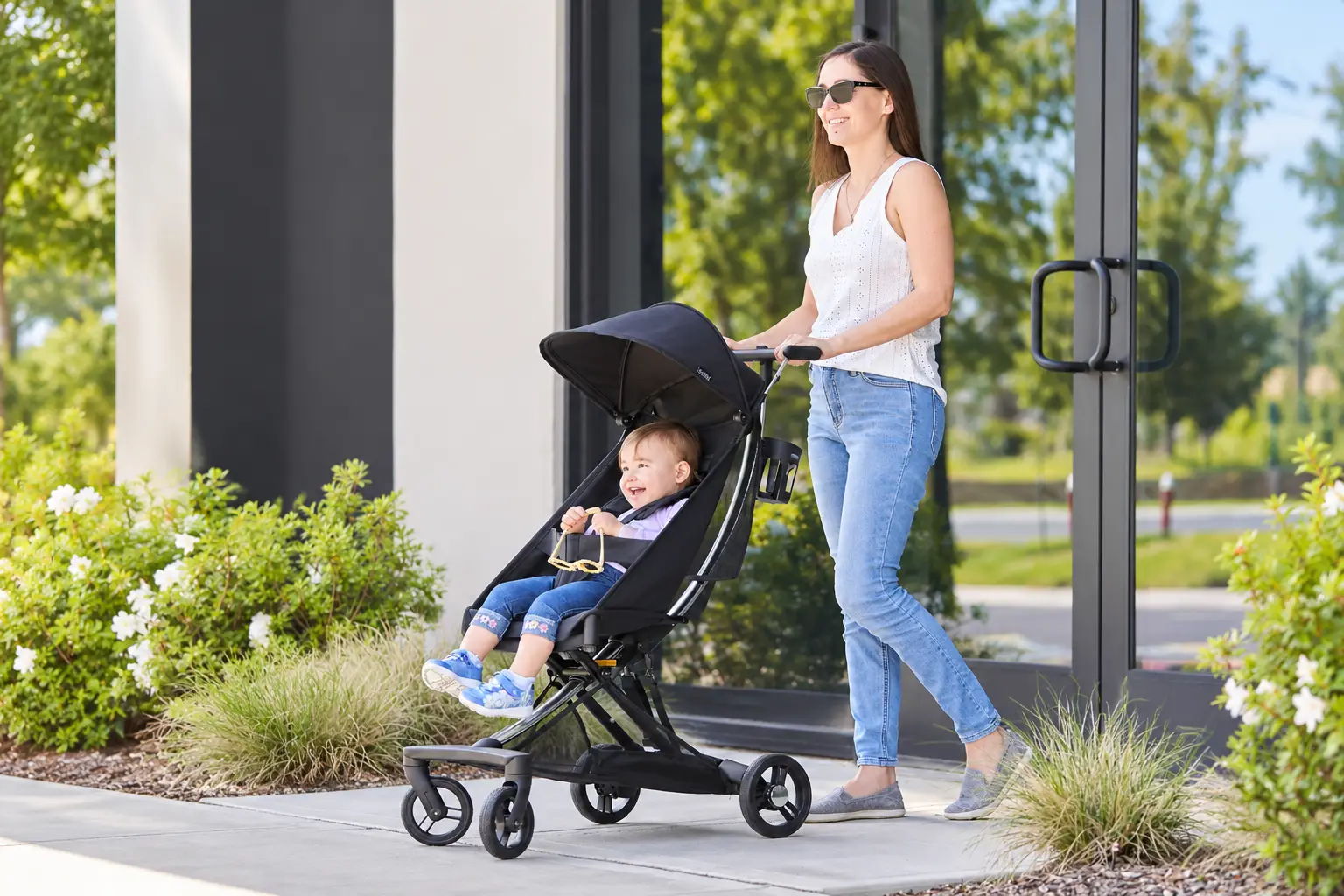
A City-by-City Guide to Baby Gear: What Parents Need in NYC, LA & Chicago
Baby gear isn’t one-size-fits-all, especially when city life looks different from one place to another. From navigating NYC sidewalks and LA car trips to Chicago’s changing seasons, here’s what parents should consider when choosing gear for their city’s everyday routines
Read more
Baby’s First Holiday Season: Essentials for New Parents to Have on Hand
A baby’s first holiday season can feel exciting and overwhelming all at once. From everyday baby essentials to travel gear and thoughtful preparations for gatherings, here’s what new parents should have on hand to make the season more comfortable and manageable.
Read more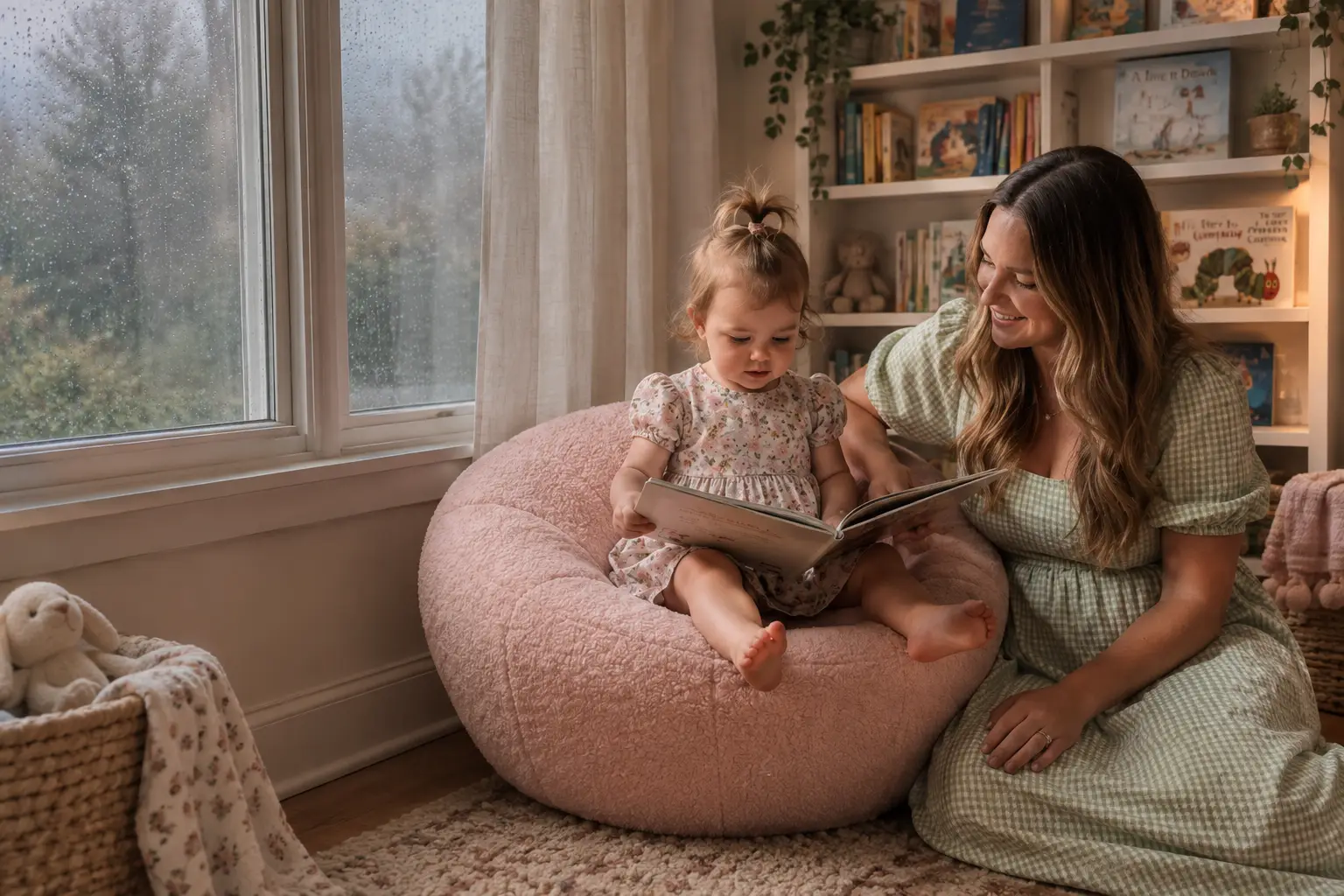
Rainy Fall Days in Seattle: Indoor Activities for Babies and Toddlers
Seattle's rainy fall days don't have to mean staying cooped up at home. From simple sensory play and cozy reading corners to baby-friendly outings, discover ways to keep babies and toddlers engaged when the weather keeps you indoors.
Read more
Best Baby Gear for Fall Walks in Chicago, Boston & New York
Fall walks in Chicago, Boston, and New York come with cooler temperatures, changing weather, busy sidewalks, and plenty of opportunities to get outside with your baby. From the right stroller to weather-ready accessories, here's the baby gear that can make city walks more comfortable and practical.
Read more
Baby Gear That Looks Safe but Isn’t: What Parents Should Watch For
Baby gear is designed to make parenting easier, but appearance alone doesn't tell you whether a product is safe. From sleep products and loungers to high chairs and changing gear, certain features can create risks that aren't immediately obvious. Here's what parents should look for before bringing baby gear into their home—and the warning signs that shouldn't be ignored.
Read more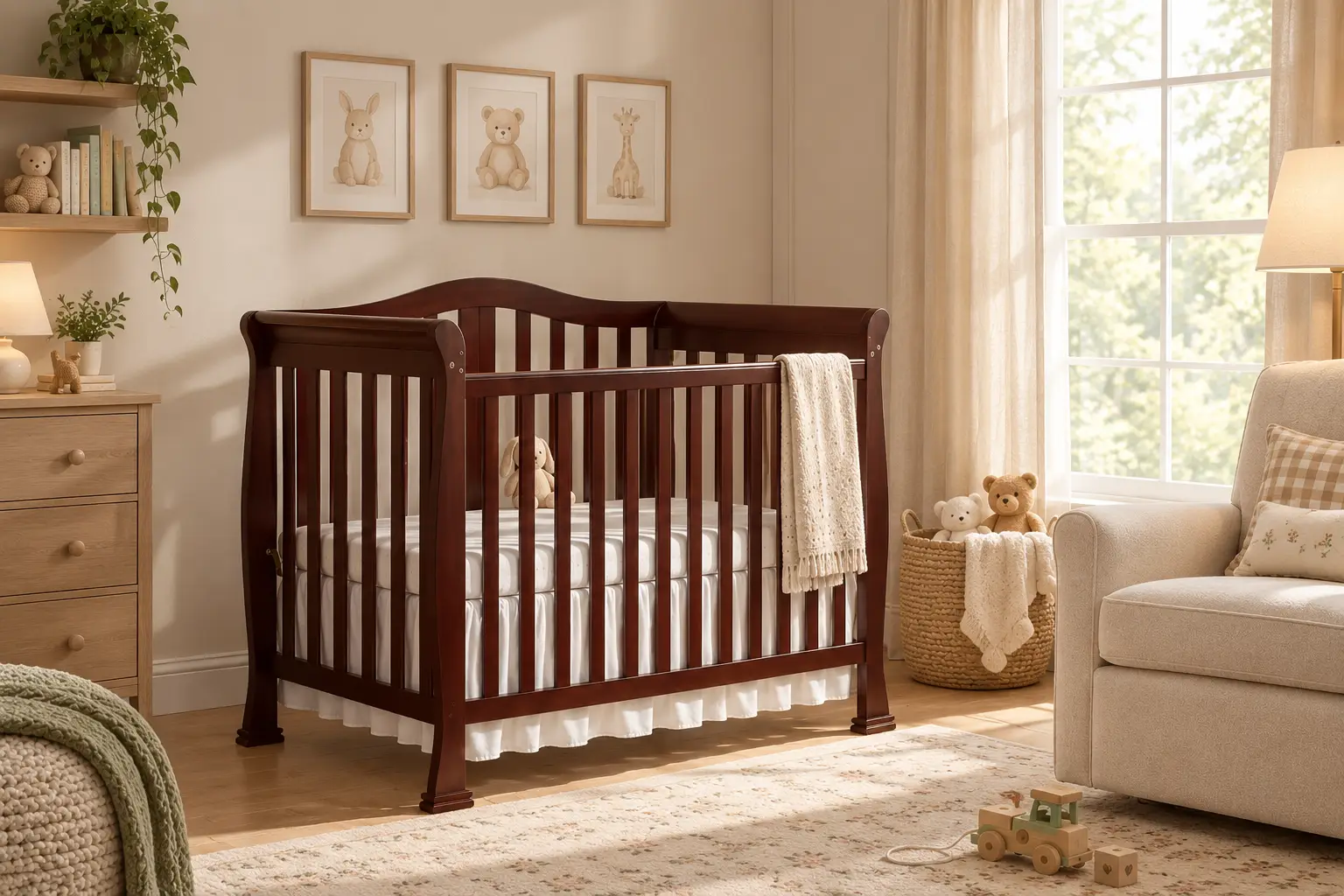
Boston Apartments Are Tiny. These Cribs Were Designed for Them
In Boston, a nursery doesn't always mean a dedicated room. From historic brownstones and walk-up apartments to compact city bedrooms, parents often have to make every square foot count. The right crib can make a surprisingly big difference. Here's how to choose a safe, functional crib that fits a smaller Boston apartment without sacrificing style or room to grow.
Read more


