



The Grandparents’ Guide to a Baby-Safe Home: What’s Changed Since You Raised Kids
6–7 minute read
September 10, 2026
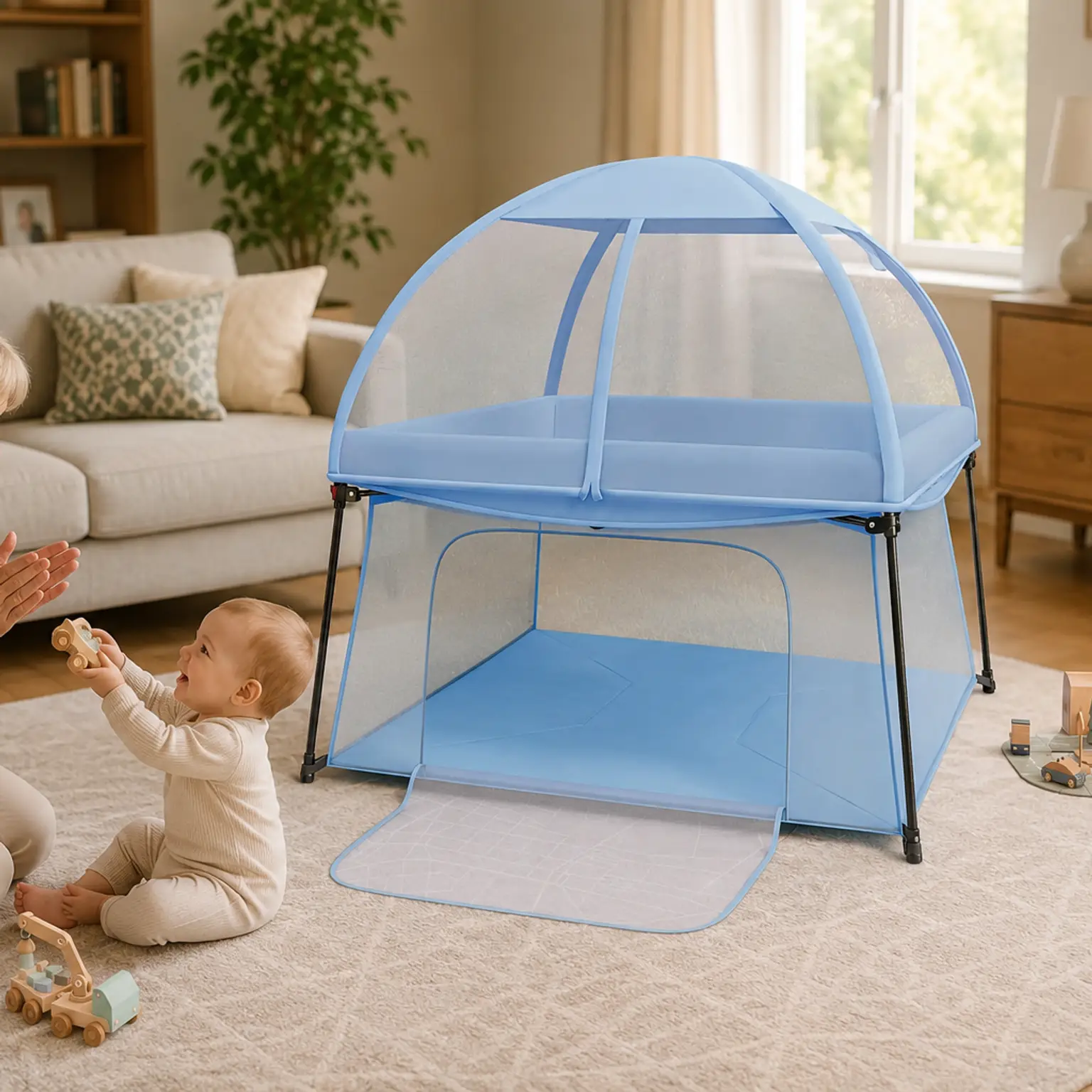
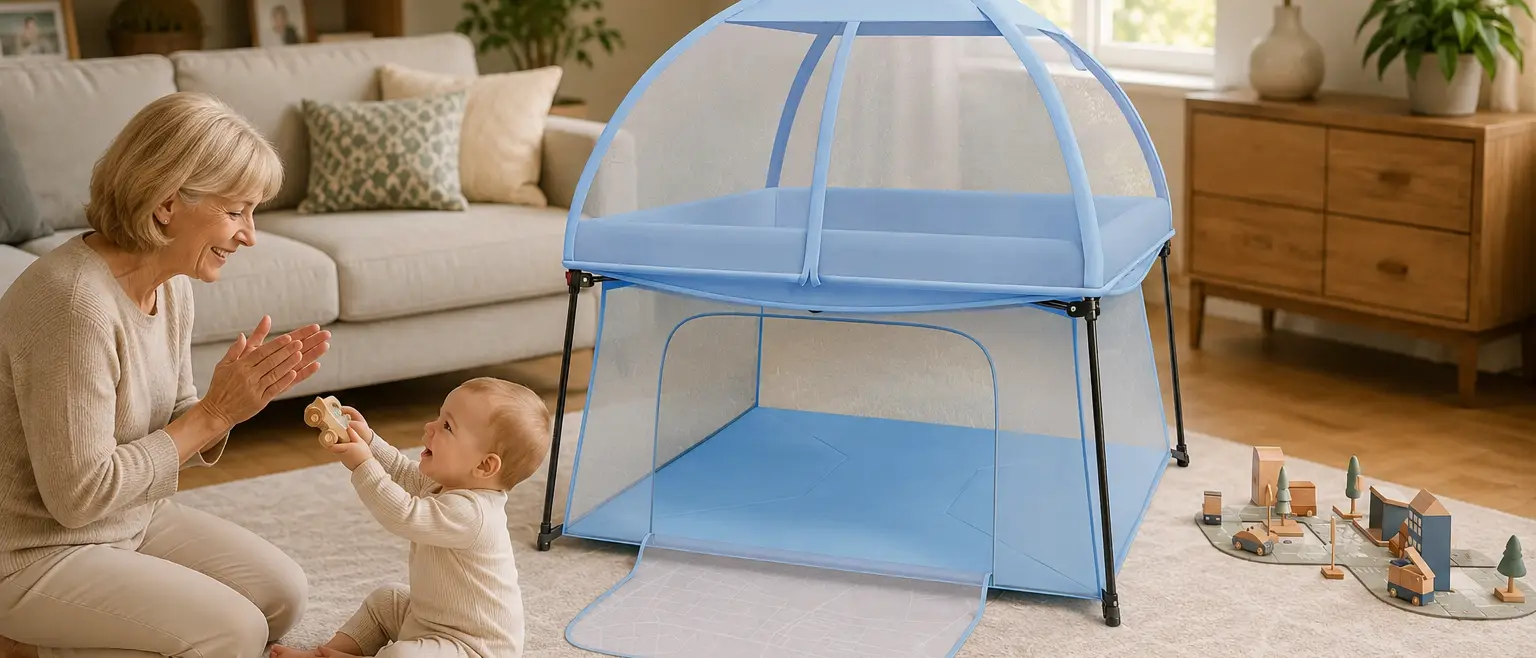
Becoming a grandparent comes with a lot of excitement—and often a healthy dose of déjà vu. You remember the late-night feedings, diaper changes, baby gear and all the little routines that came with raising a child.
But there’s one important difference this time around: some of the safety advice has changed.
That doesn't mean everything you did as a parent was wrong. It means research, safety standards and baby products have evolved. What was considered perfectly normal decades ago may not be the recommendation today, particularly when it comes to infant sleep, car seats and babyproofing.
If your grandchild is going to spend time at your house, you don't need to turn the entire home into a nursery. A few thoughtful updates can make your space safer while still keeping it comfortable and familiar.
Why Baby Safety Looks Different Today
One of the biggest changes grandparents may notice is how much more specific modern baby-safety guidance has become.
Parents today may talk about firm, flat sleep surfaces, rear-facing car seats, furniture anchors, window-cord safety and keeping soft objects out of a baby's sleep space. These recommendations are based on research and updated safety standards that weren't necessarily available when today's grandparents were raising their own children.
The American Academy of Pediatrics specifically encourages grandparents and other caregivers to learn current safe-sleep practices rather than relying on what was recommended years ago.
The good news? You don't have to memorize every new guideline.
Start by asking the baby's parents what rules they follow at home, then make sure the essentials at your house match those expectations.
Safe Sleep: The Biggest Change Grandparents Should Know
If there's one area where grandparents should pay especially close attention, it's sleep.
The current recommendation is straightforward: babies should be placed on their backs for every sleep, on a firm, flat sleep surface designed for infant sleep. That can include a crib, bassinet, portable crib or play yard that meets current safety standards. The sleep space should have a fitted sheet and be free of pillows, blankets, bumpers, stuffed animals and other loose or soft items.
That means some familiar practices from years ago—like putting a pillow under a baby's head, adding a thick blanket or letting a baby sleep on a sofa—are no longer considered safe.
If your grandchild falls asleep somewhere else, such as a stroller or car seat, the AAP recommends moving them to a firm, flat sleep surface when possible.
For grandparents preparing an overnight space, a dedicated crib, bassinet or portable play yard is a much better solution than improvising with an adult bed, couch or other household furniture.
And if you're unsure about whether an older crib or baby product is still appropriate, check its condition, instructions and current safety requirements before using it.
Secure the Everyday Hazards You Never Had to Think About Before
Babyproofing isn't only about obvious dangers. Once a baby starts crawling, pulling up and exploring, ordinary household items can become surprisingly interesting.
Start with the basics:
- Keep medications, cleaning products and other potentially harmful substances out of reach.
- Secure furniture and TVs so they can't tip over.
- Use safety gates where appropriate, particularly around stairs.
- Keep electrical cords and other hazards away from areas where babies crawl and play.
- Check windows and window coverings for accessible cords.
- Keep small objects off the floor and other surfaces within reach.
- Make sure drawers and cabinets containing hazardous items are secured.
The U.S. Consumer Product Safety Commission recommends anchoring furniture and appliances that could tip, securing cabinets and drawers, using appropriate stair gates and addressing window hazards. It also emphasizes that no safety device can completely replace supervision.
You don't necessarily need to install every babyproofing product available. Think about the baby's developmental stage and focus on the areas they can actually access.
Make Your Living Spaces Safe Without Turning Them Into a Nursery
A grandparent's home doesn't need to look like a second nursery.
Instead, create a baby-safe zone in the spaces where your grandchild will spend the most time. This could be a section of the living room, a guest bedroom or another comfortable area where you can supervise them easily.
Keep everyday items such as remotes, medicines, small decorations, coins and cords out of reach. If there are stairs, fireplaces, pets or other potential hazards, plan ahead for how you'll manage them when the baby visits.
It's also worth getting down to the baby's level—literally.
Crawl around the room and look at it from the perspective of a curious baby. What's within reach? What could be pulled down? What could fit into a tiny mouth? What could be climbed?
This simple exercise can reveal hazards that aren't obvious when you're looking at the room from an adult's height.
If Baby Is Staying Overnight, Create a Safe Sleep Space
If overnight visits are part of the plan, sleep arrangements should be one of the first things you organize.
A baby shouldn't be placed to sleep in an adult bed, on a sofa or in another improvised sleeping space. Instead, set up a dedicated infant sleep product that meets current safety requirements.
A crib or cradle can make sense if your grandchild will stay frequently, while a compliant portable sleep space or play yard may be more practical if visits are occasional.
Keep the sleep space simple: a firm, flat mattress with a properly fitted sheet and nothing else inside.
And don't assume an older baby product is automatically safe because it was safe when your own children used it. Check for missing hardware, damage, recalls and whether the product still meets current requirements. The CPSC recommends checking infant sleep products for compliance and recalls.
The Baby Gear Grandparents Actually Need on Hand
You don't need to buy an entire nursery just because your grandchild visits.
Focus on the gear that supports the routines you'll actually handle.
For frequent visits, that might include a safe sleep space, a changing setup, age-appropriate feeding equipment and a few essentials for everyday care. If your grandchild is still an infant, having a dedicated crib mattress that fits the sleep space correctly is also important.
For older babies and toddlers, you may need practical additions such as a high chair or booster, play space and age-appropriate safety equipment.
The goal isn't to duplicate everything the baby's parents own. It's to make your home ready for the moments when you're responsible for your grandchild.
A changing table can be useful for frequent caregiving, while a playard can provide a designated space for play or, when the specific product is approved for sleep, a suitable sleep environment.
And if you'll be driving your grandchild anywhere, don't forget the car seat. NHTSA recommends using the appropriate seat for the child's age and size, installing it according to the manufacturer's instructions and ensuring the harness is properly secured.
The 10-Point Grandparent Home Safety Checklist
Before your grandchild's next visit, take five minutes to walk through the house with this checklist:
- Safe sleep space: Is there an appropriate crib, bassinet or play yard available?
- Bare crib: Is the sleep space free from pillows, blankets, toys and other loose items?
- Medication storage: Are medicines stored safely out of reach?
- Cleaning supplies: Are household chemicals secured?
- Furniture: Are dressers, bookshelves and TVs anchored where needed?
- Windows: Are windows and window coverings free from accessible hazards?
- Stairs: Are appropriate safety gates installed where necessary?
- Small objects: Have you removed choking hazards from reachable areas?
- Car seat: If you'll be driving, is the correct car seat available and properly installed?
- Emergency information: Do you have the parents' contact information, pediatrician details and any important instructions readily available?
This doesn't need to be a one-time exercise. As babies become more mobile, their reach—and their ability to find trouble—changes quickly.
FAQs
What are the biggest changes in baby safety since grandparents raised children?
The biggest changes include updated safe-sleep recommendations, modern car-seat guidance, stronger crib and infant-product safety standards, and greater emphasis on securing furniture, windows and household hazards.
What is the safest way for a baby to sleep at a grandparent’s house?
Place the baby on their back on a firm, flat sleep surface designed for infant sleep, such as a compliant crib, bassinet or play yard. Keep the sleep space free of pillows, blankets, toys and other loose items.
Do grandparents need a crib at their house?
Not necessarily. If a grandchild visits frequently or stays overnight, having an appropriate crib, bassinet or compliant portable sleep space can make caregiving much easier and safer.
What baby products are no longer considered safe?
Safety recommendations and product standards have changed over time. Instead of assuming an older product is safe because it was previously used, check its current safety requirements, condition and recall status before using it.
How should grandparents babyproof their home?
Start with medications and cleaning supplies, furniture and TV anchors, stairs, windows, electrical hazards and small objects. Then adjust your babyproofing as your grandchild becomes more mobile.
Can babies sleep in a playard at a grandparent’s house?
Some play yards are designed and approved for infant sleep. Always follow the specific product's instructions and use only the sleep surface and accessories approved for that product.
What should grandparents know about modern car seat safety?
Use a car seat appropriate for the child's age and size, install it according to the manufacturer's instructions and make sure the harness is properly fitted. NHTSA also offers car-seat inspection resources for caregivers who want installation help.
What should grandparents keep at home for an overnight baby visit?
At minimum, plan for a safe sleep space, changing supplies, feeding essentials, appropriate clothing and any medications or care items the parents provide. The exact setup will depend on the baby's age and routine.
Wrapping Up
The biggest lesson for grandparents isn't that everything you learned about raising children was wrong. It's that baby safety continues to evolve.
The safest approach is to stay curious, ask the baby's parents about the routines and recommendations they follow, and make a few practical updates to your home before your grandchild arrives.
You don't need to transform your house into a nursery. A safe sleep space, a few thoughtful babyproofing changes and the right essentials can go a long way toward making your home a comfortable place for your grandchild to grow, explore and spend time with you.
And perhaps the best part? You get to bring all that grandparent wisdom to the table—while letting today's safety guidance handle the rest.
Suggested For You
A City-by-City Guide to Baby Gear: What Parents Need in NYC, LA & Chicago
Baby gear isn’t one-size-fits-all, especially when city life looks different from one place to another. From navigating NYC sidewalks and LA car trips to Chicago’s changing seasons, here’s what parents should consider when choosing gear for their city’s everyday routines
Read more
Baby’s First Holiday Season: Essentials for New Parents to Have on Hand
A baby’s first holiday season can feel exciting and overwhelming all at once. From everyday baby essentials to travel gear and thoughtful preparations for gatherings, here’s what new parents should have on hand to make the season more comfortable and manageable.
Read more
Rainy Fall Days in Seattle: Indoor Activities for Babies and Toddlers
Seattle's rainy fall days don't have to mean staying cooped up at home. From simple sensory play and cozy reading corners to baby-friendly outings, discover ways to keep babies and toddlers engaged when the weather keeps you indoors.
Read more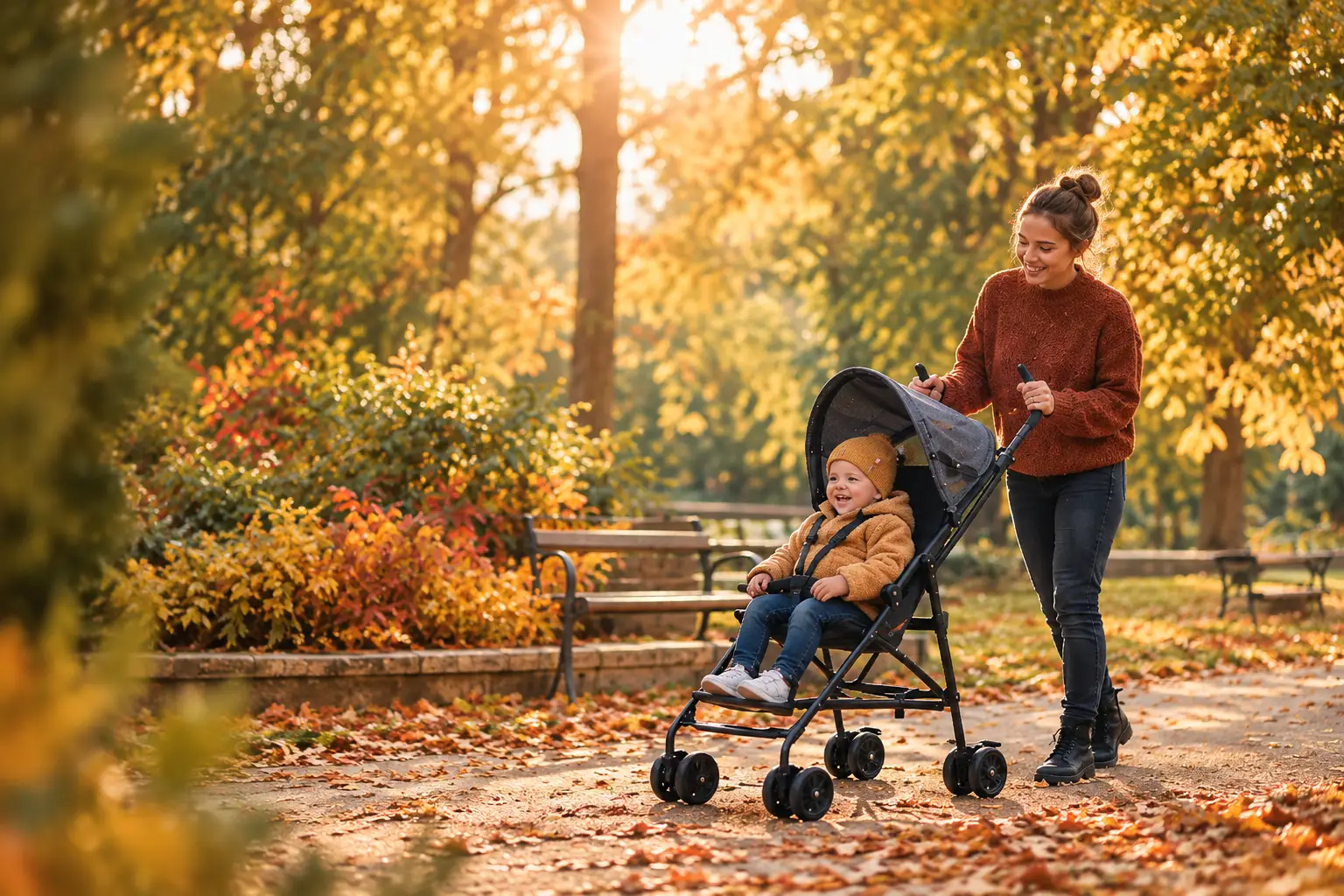
Best Baby Gear for Fall Walks in Chicago, Boston & New York
Fall walks in Chicago, Boston, and New York come with cooler temperatures, changing weather, busy sidewalks, and plenty of opportunities to get outside with your baby. From the right stroller to weather-ready accessories, here's the baby gear that can make city walks more comfortable and practical.
Read more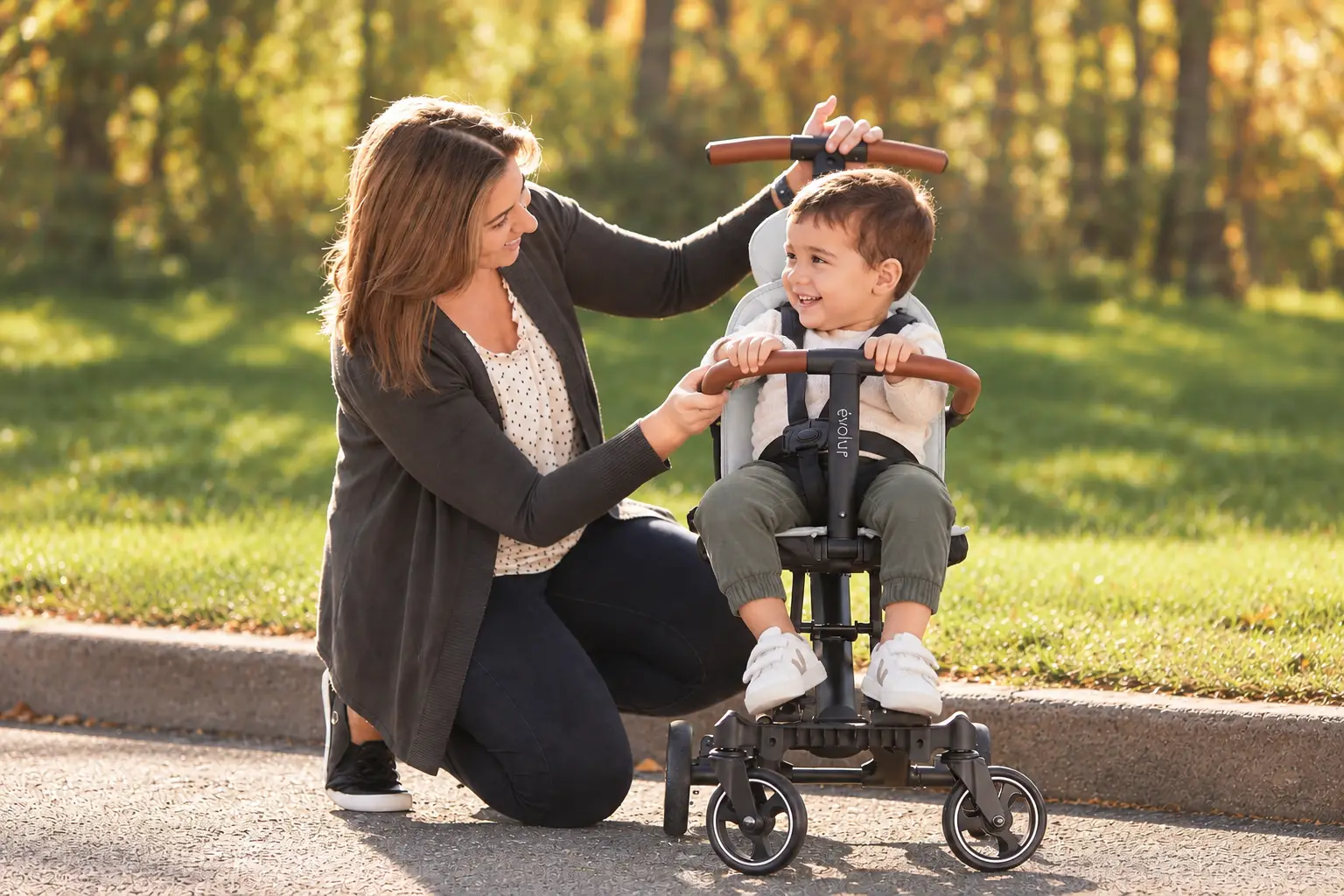
Baby Gear That Looks Safe but Isn’t: What Parents Should Watch For
Baby gear is designed to make parenting easier, but appearance alone doesn't tell you whether a product is safe. From sleep products and loungers to high chairs and changing gear, certain features can create risks that aren't immediately obvious. Here's what parents should look for before bringing baby gear into their home—and the warning signs that shouldn't be ignored.
Read more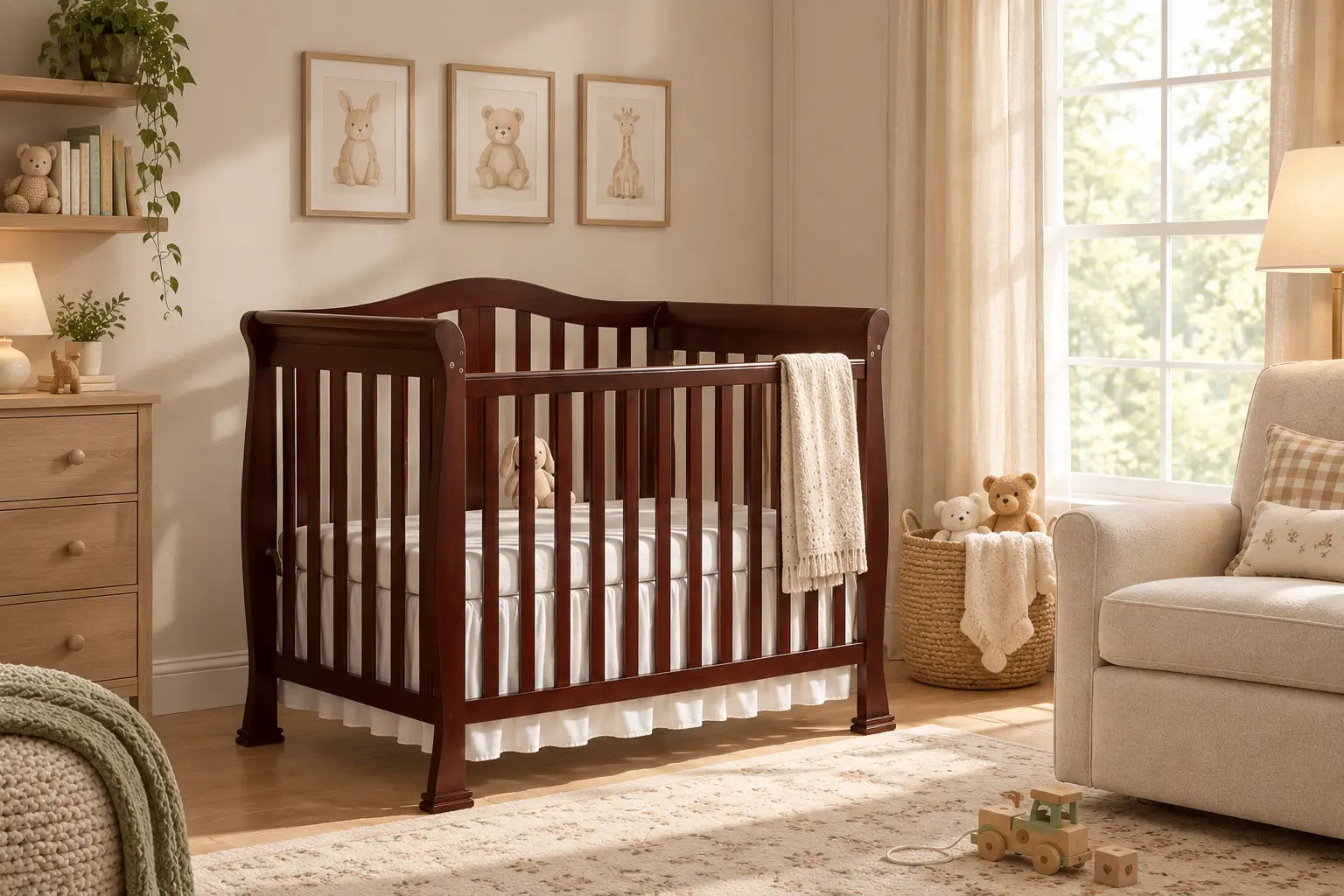
Boston Apartments Are Tiny. These Cribs Were Designed for Them
In Boston, a nursery doesn't always mean a dedicated room. From historic brownstones and walk-up apartments to compact city bedrooms, parents often have to make every square foot count. The right crib can make a surprisingly big difference. Here's how to choose a safe, functional crib that fits a smaller Boston apartment without sacrificing style or room to grow.
Read more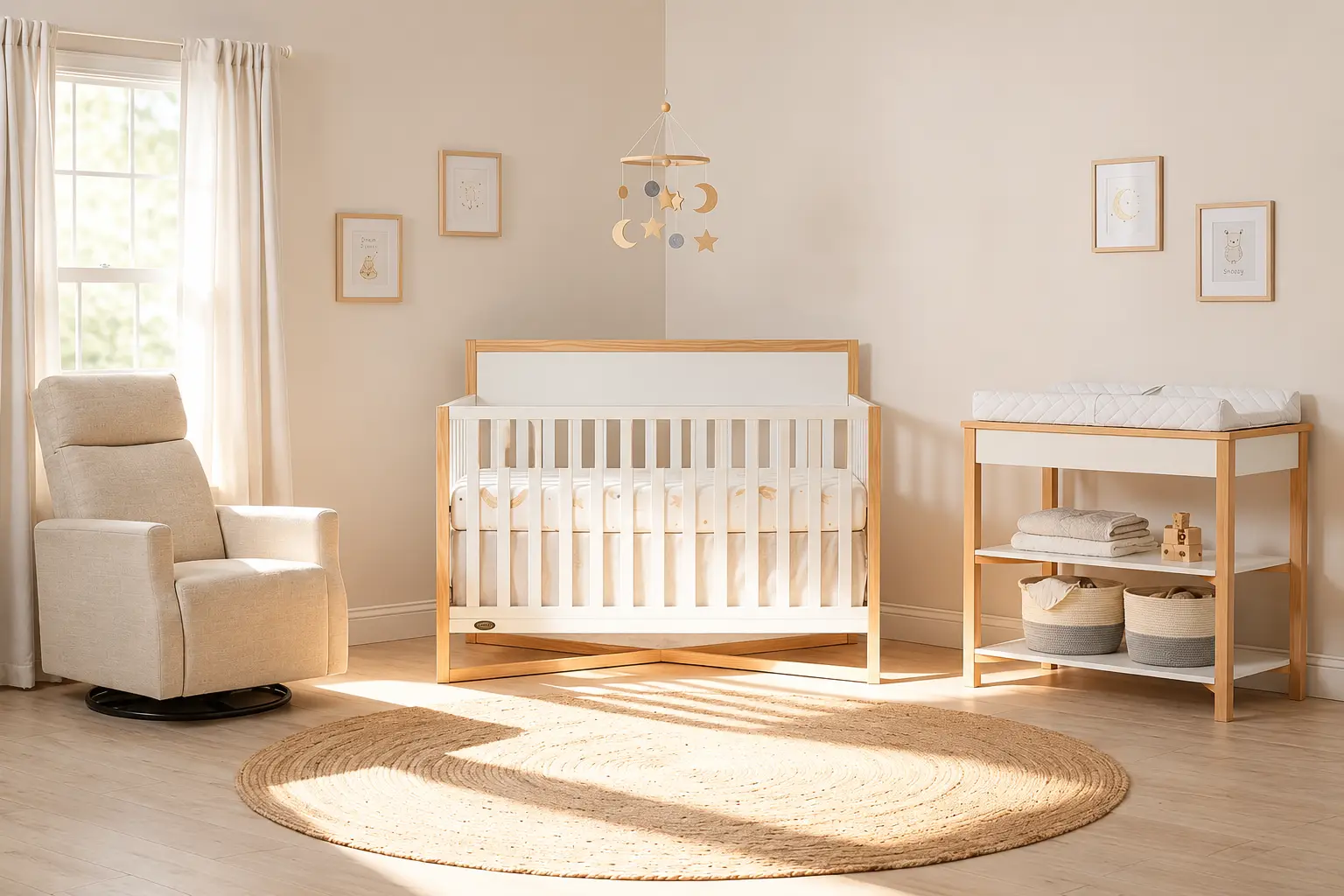
The Hidden Hazards in NYC Apartments That Every Baby Safety Guide Completely Ignores
Babyproofing a New York City apartment isn't quite the same as babyproofing a suburban home. Radiators, fire escapes, narrow layouts, old windows, exposed pipes, and limited storage can create safety challenges that standard babyproofing checklists don't always address. Here's what NYC parents should look for before a baby starts exploring.
Read more


