



Screen-Free Indoor Activities for Toddlers: Easy Ways to Keep Them Engaged at Home
6 minute read
April 16, 2026
Why Screen-Free Indoor Play Is Essential for Toddler Development
According to the American Academy of Pediatrics, excessive screen time for young children may impact language development, sleep quality, and emotional regulation. Screen-free activities, on the other hand, support:
- Fine and gross motor skills
- Problem-solving and creativity
- Emotional regulation and focus
- Independent play and confidence
The AAP recommends prioritizing interactive, hands-on play over digital entertainment for children under age five. Source
5 Best Indoor Activities for 2-Year-Olds and Energetic Toddlers
These fun indoor activities work especially well for toddlers who need movement, structure, and sensory input—without overwhelming them.
Sensory Bins: The Ultimate “Quiet Time” Activity
Sensory play is a proven boredom buster. Fill a shallow bin with items like:
- Dry rice or oats
- Scoops and measuring cups
- Soft toys or stacking blocks
This type of sensorial activity helps toddlers develop focus, hand-eye coordination, and early math concepts—all while staying calm and engaged.
Pro tip: Place the bin on a washable mat inside a playard or defined play space to contain mess and keep play safe.
Painter’s Tape Tracks: Getting Active When You’re Stuck Inside
Painter’s tape on the floor can transform your living room into:
- Roads for cars
- Balance lines
- Hopscotch paths
This low-cost idea is perfect for high-energy toddlers and encourages gross motor movement indoors.
Indoor Obstacle Courses for Gross Motor Skills
Use pillows, tunnels, and soft furniture to create a mini obstacle course:
- Crawl under chairs
- Step over cushions
- Toss soft balls into bins
Obstacle courses provide “heavy work,” which helps toddlers regulate emotions and burn energy—especially helpful during long afternoons inside.
Creative Things to Do Inside Using Household Items
You don’t need fancy toys to spark creativity. Everyday objects become play tools with a little imagination:
- Cardboard boxes → forts or cars
- Scarves → dress-up or peekaboo
- Pots + wooden spoons → music exploration
These fun things to do inside support open-ended play and child-led exploration.
Setting Up a “Safe Play Zone” in Your Living Room
A designated safe play zone gives toddlers freedom while giving parents peace of mind.
A good setup includes:
- Soft flooring or mats
- Age-appropriate toys
- A secure boundary like a playard or gated area
Many families use portable playards from Dream On Me to create flexible indoor play spaces that adapt to apartments, open floor plans, or shared rooms.
Explore practical indoor-friendly gear
How to Transition from Screen Time to Active Play
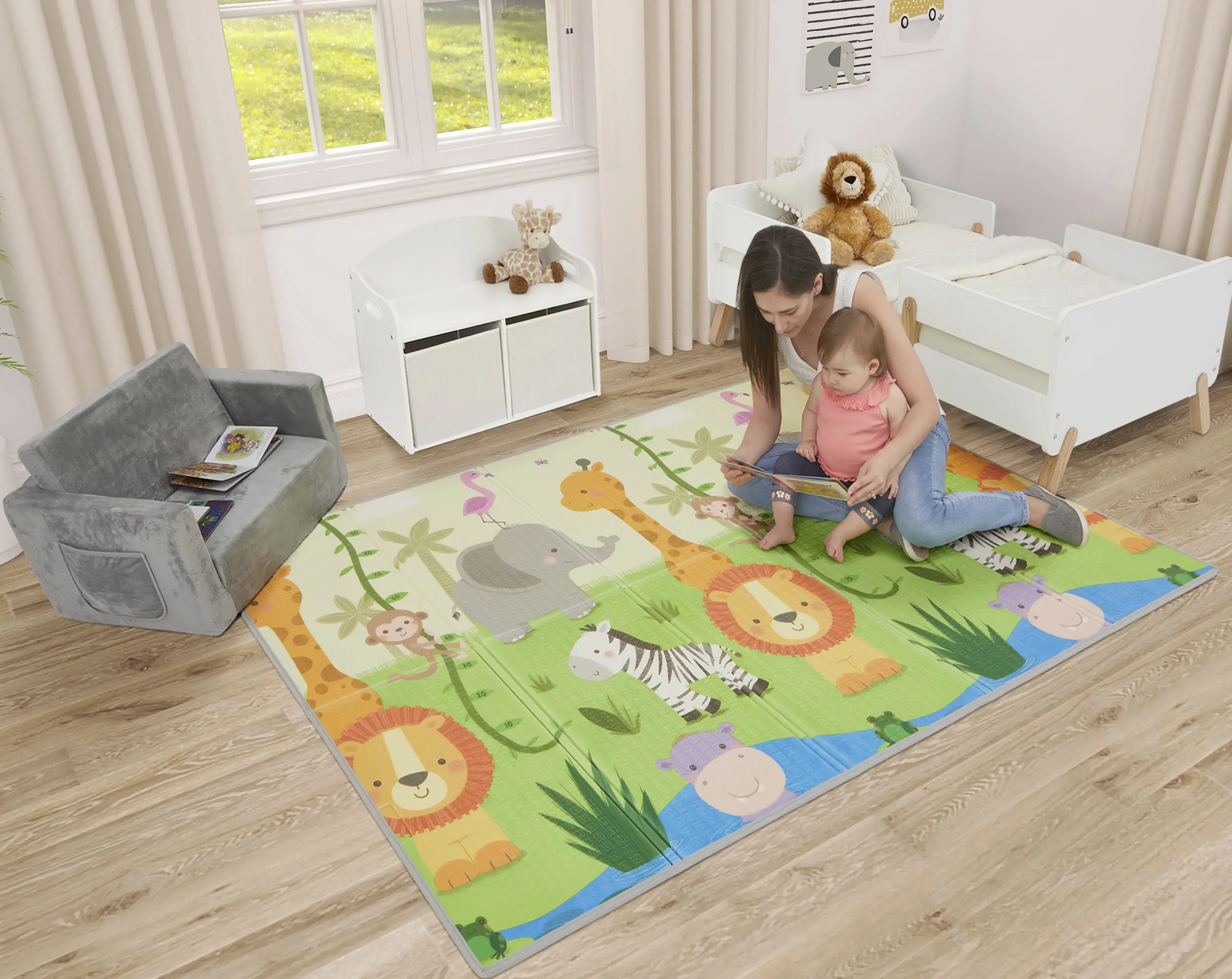
Product Featured: Dream On Me Play Time Reversible Baby Play Mat
If your toddler is used to screens, the transition doesn’t have to be abrupt or stressful.
Try this approach:
- Replace screen time with a predictable activity (sensory bin, puzzle, stacking toys)
- Start with short screen-free intervals
- Play together at first, then step back
Consistency matters more than perfection. Over time, toddlers naturally gravitate toward indoor activities that meet their need for movement and curiosity.
Product Picks That Support Screen-Free Indoor Play
- Open-ended toys & puzzles that grow with your toddler
- Contained play solutions like lightweight playards for safe exploration
- Soft climbing and stacking toys that encourage independent play
These essentials help transform everyday spaces into engaging, development-friendly environments—without relying on screens.
Frequently Asked Questions
How can I keep my toddler busy indoors without a screen?
Focus on sensory play, movement-based activities, and open-ended toys that allow your toddler to explore independently.
What are the best indoor activities for a high-energy 2-year-old?
Obstacle courses, tape tracks, and “heavy work” activities like pushing, carrying, and climbing help toddlers release energy indoors.
How do I create a safe indoor play area for toddlers?
Use a designated play zone with soft surfaces, minimal furniture, and secure boundaries like a playard to allow safe, independent play.
Wrapping Up: Small Moments, Big Development
Screen-free indoor activities don’t need to be elaborate to be effective. With a few thoughtful setups and the right environment, everyday moments at home can become opportunities for movement, creativity, and connection.
At Ever & Ever, we believe play should feel natural, safe, and supportive of real family life. From developmentally appropriate toys to flexible indoor gear, we’re here to help you create engaging spaces where toddlers can thrive—rain or shine.
Explore screen-free play essentials designed for growing minds at Ever & Ever.
Suggested For You
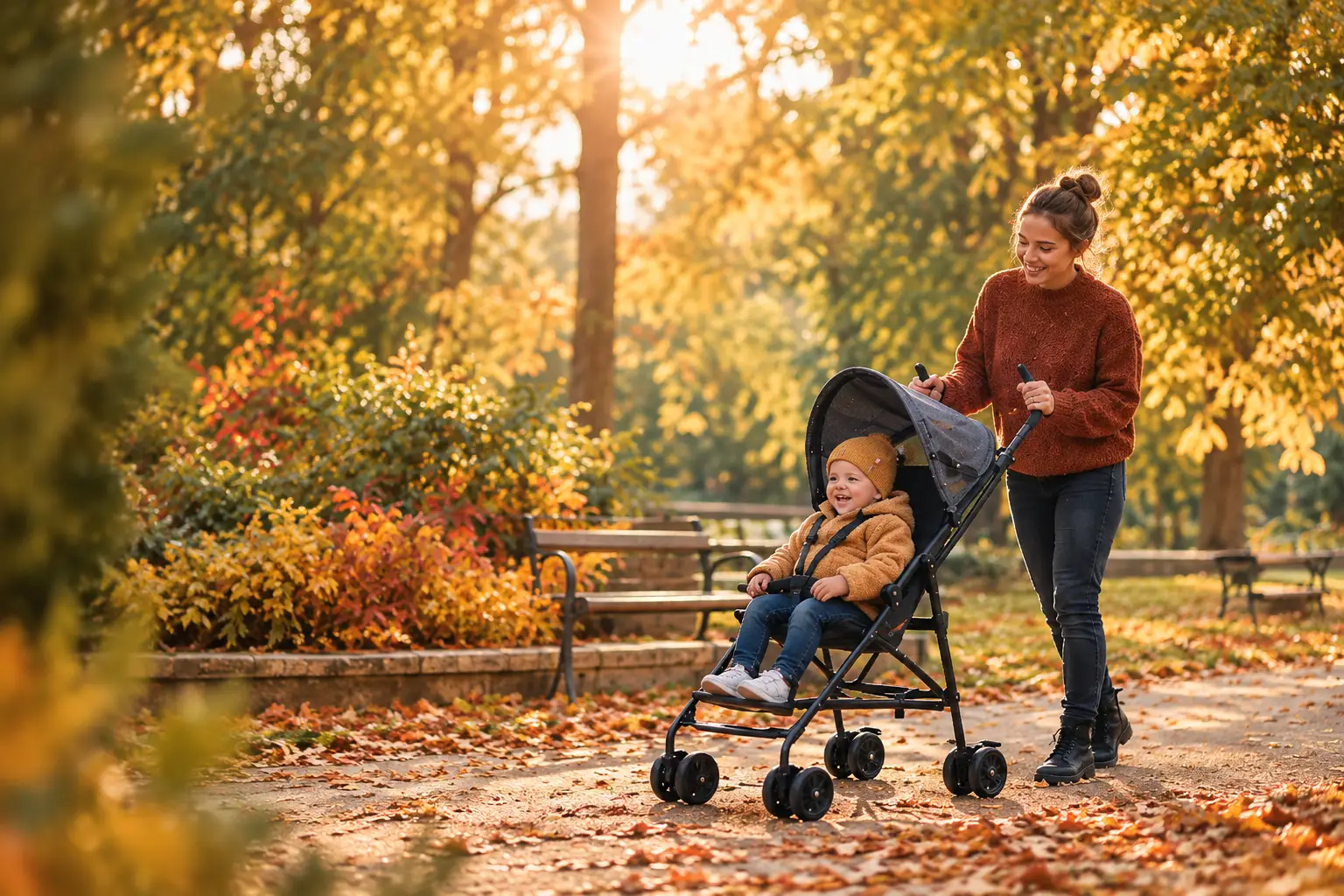
Best Baby Gear for Fall Walks in Chicago, Boston & New York
Fall walks in Chicago, Boston, and New York come with cooler temperatures, changing weather, busy sidewalks, and plenty of opportunities to get outside with your baby. From the right stroller to weather-ready accessories, here's the baby gear that can make city walks more comfortable and practical.
Read more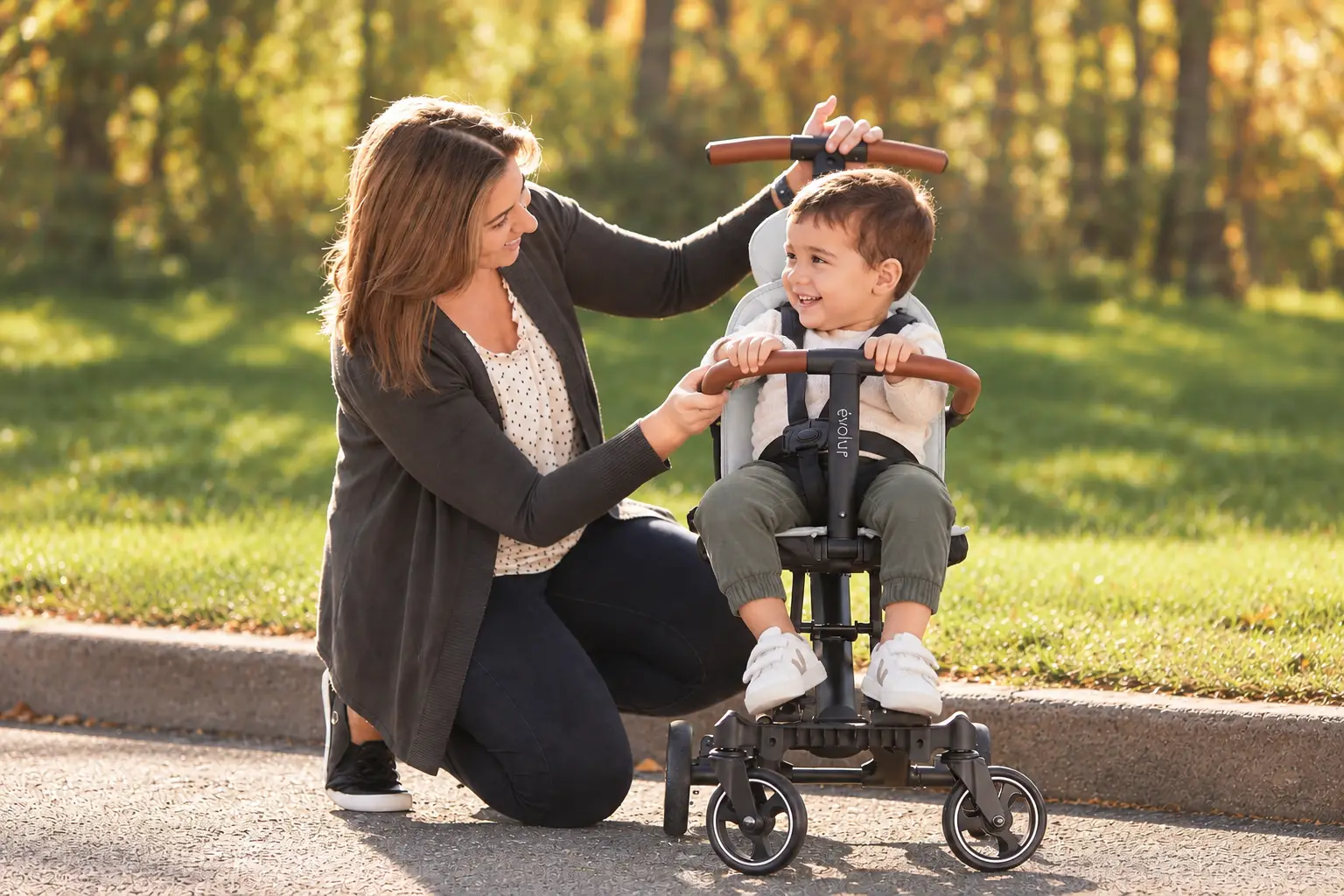
Baby Gear That Looks Safe but Isn’t: What Parents Should Watch For
Baby gear is designed to make parenting easier, but appearance alone doesn't tell you whether a product is safe. From sleep products and loungers to high chairs and changing gear, certain features can create risks that aren't immediately obvious. Here's what parents should look for before bringing baby gear into their home—and the warning signs that shouldn't be ignored.
Read more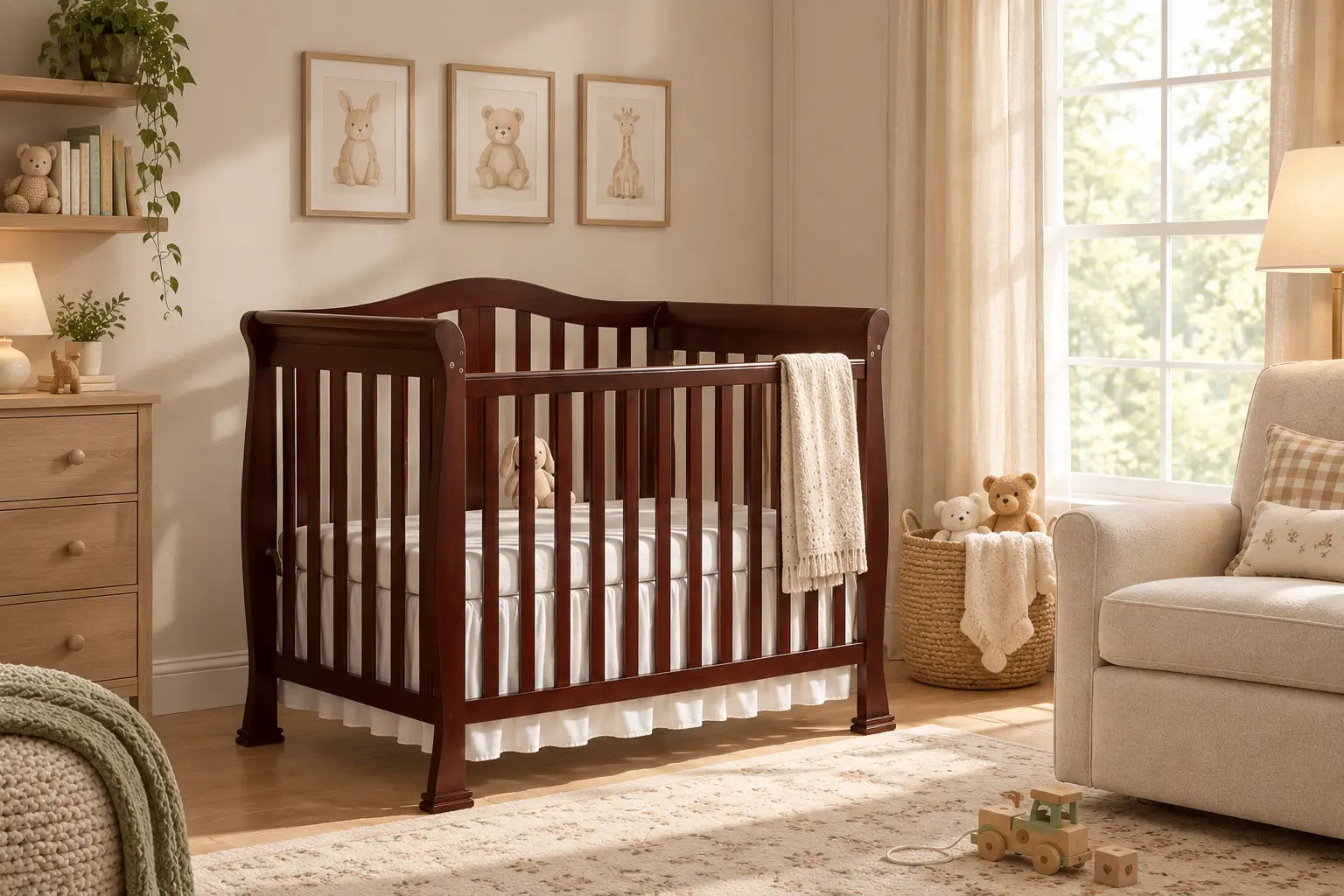
Boston Apartments Are Tiny. These Cribs Were Designed for Them
In Boston, a nursery doesn't always mean a dedicated room. From historic brownstones and walk-up apartments to compact city bedrooms, parents often have to make every square foot count. The right crib can make a surprisingly big difference. Here's how to choose a safe, functional crib that fits a smaller Boston apartment without sacrificing style or room to grow.
Read more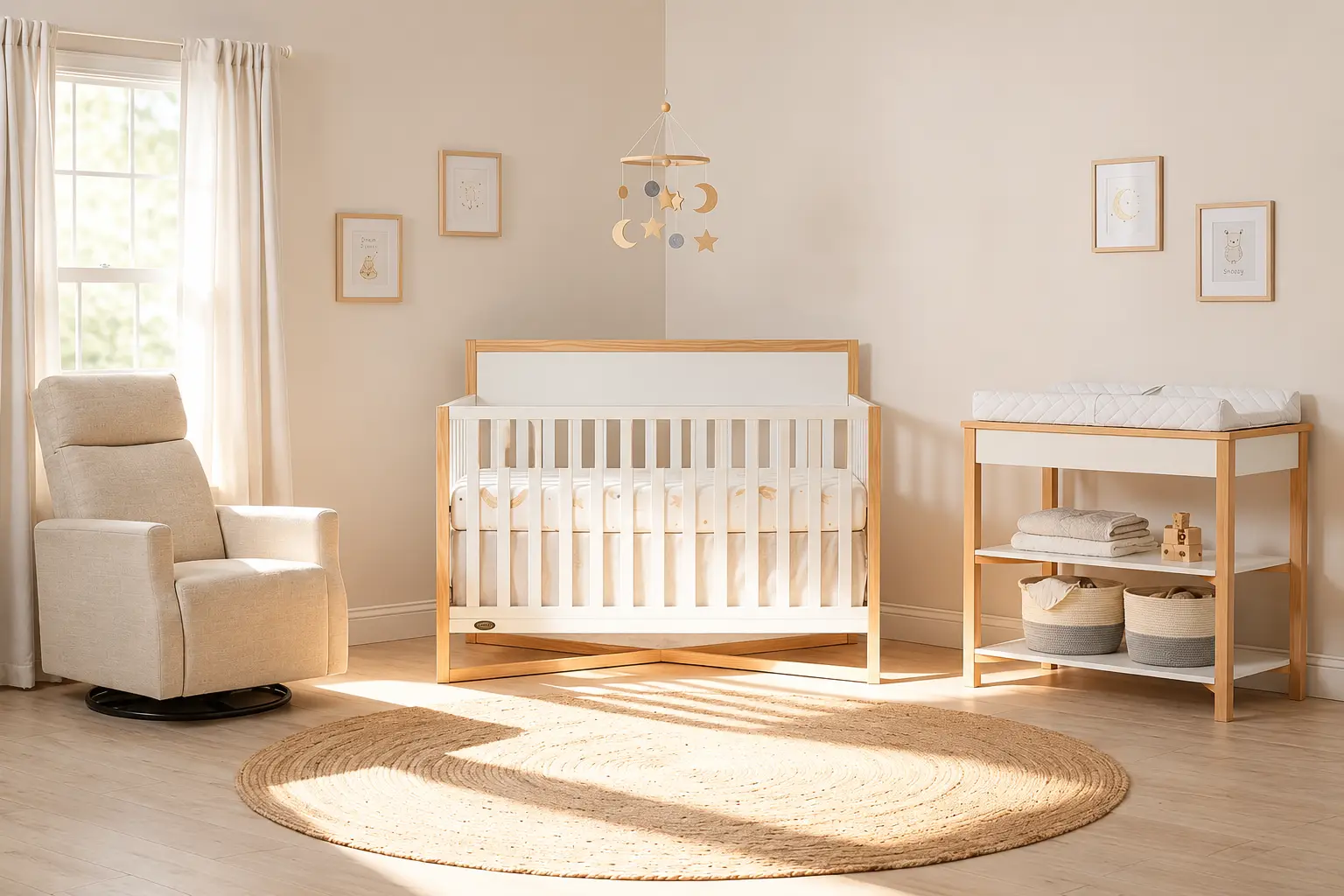
The Hidden Hazards in NYC Apartments That Every Baby Safety Guide Completely Ignores
Babyproofing a New York City apartment isn't quite the same as babyproofing a suburban home. Radiators, fire escapes, narrow layouts, old windows, exposed pipes, and limited storage can create safety challenges that standard babyproofing checklists don't always address. Here's what NYC parents should look for before a baby starts exploring.
Read more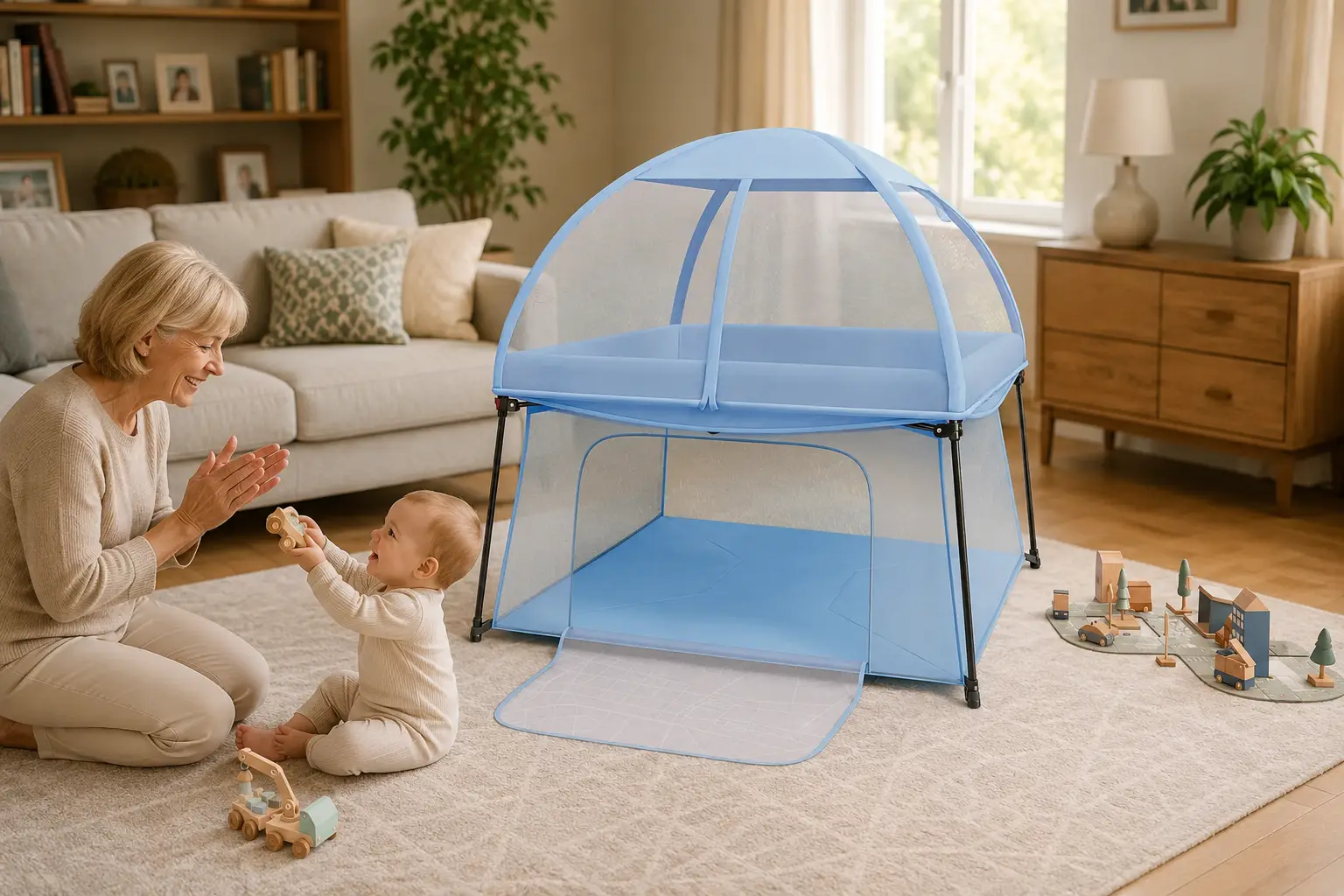
The Grandparents’ Guide to a Baby-Safe Home: What’s Changed Since You Raised Kids
Grandparents have plenty of parenting wisdom to share—but baby safety recommendations have changed significantly over the years. From sleep environments and car seats to cribs and babyproofing, here’s a practical guide to the updated safety advice grandparents should know when preparing their homes for a new grandbaby.
Read more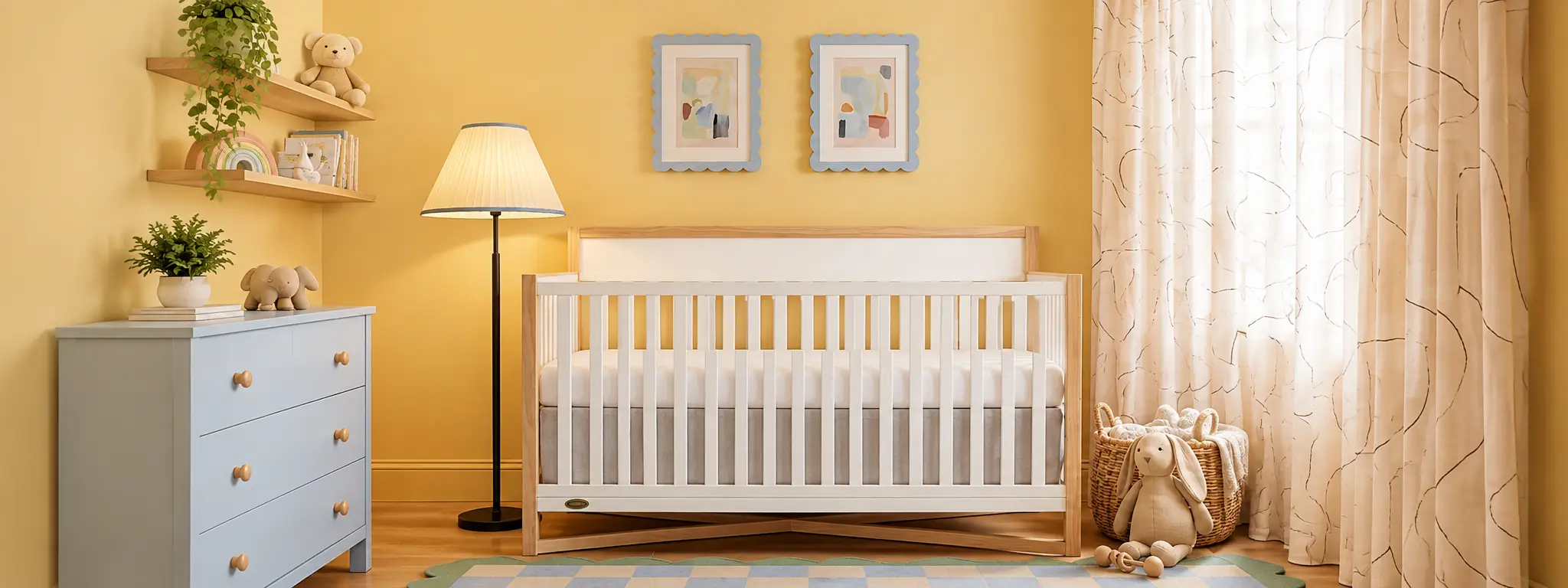
You Can Design a Beautiful Nursery in 80 Square Feet
You don't need a large room to create a nursery that feels beautiful, functional, and calming. Whether you're working with a city apartment, a shared bedroom, or a compact home, thoughtful design choices can make every square foot count. From convertible cribs to vertical storage and light-enhancing color palettes, here's how to create a nursery that works just as hard as you do.
Read more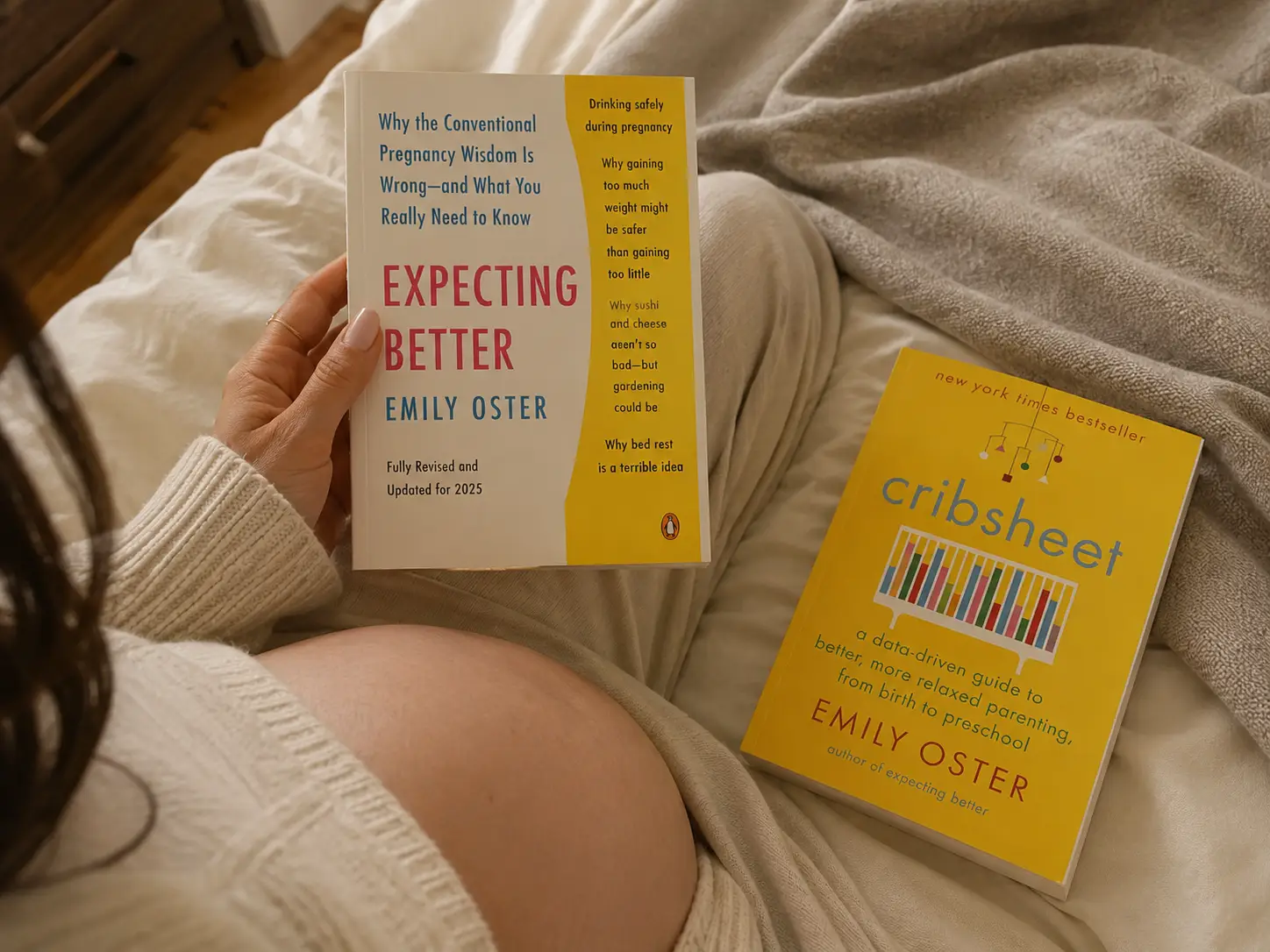
Must-Read List: 10 Best Books for Parents Before Baby Arrives (2026)
Preparing for your baby's arrival goes beyond buying nursery essentials—it also means preparing yourself. Discover the best books for parents, from evidence-based pregnancy guides and newborn care resources to relationship advice and safe sleep recommendations. This curated reading list will help you enter parenthood with confidence.
Read more


