



Is Co-Sleeping Safe For Infants? – Complete Guide for Parents
4 minute read
October 18, 2024
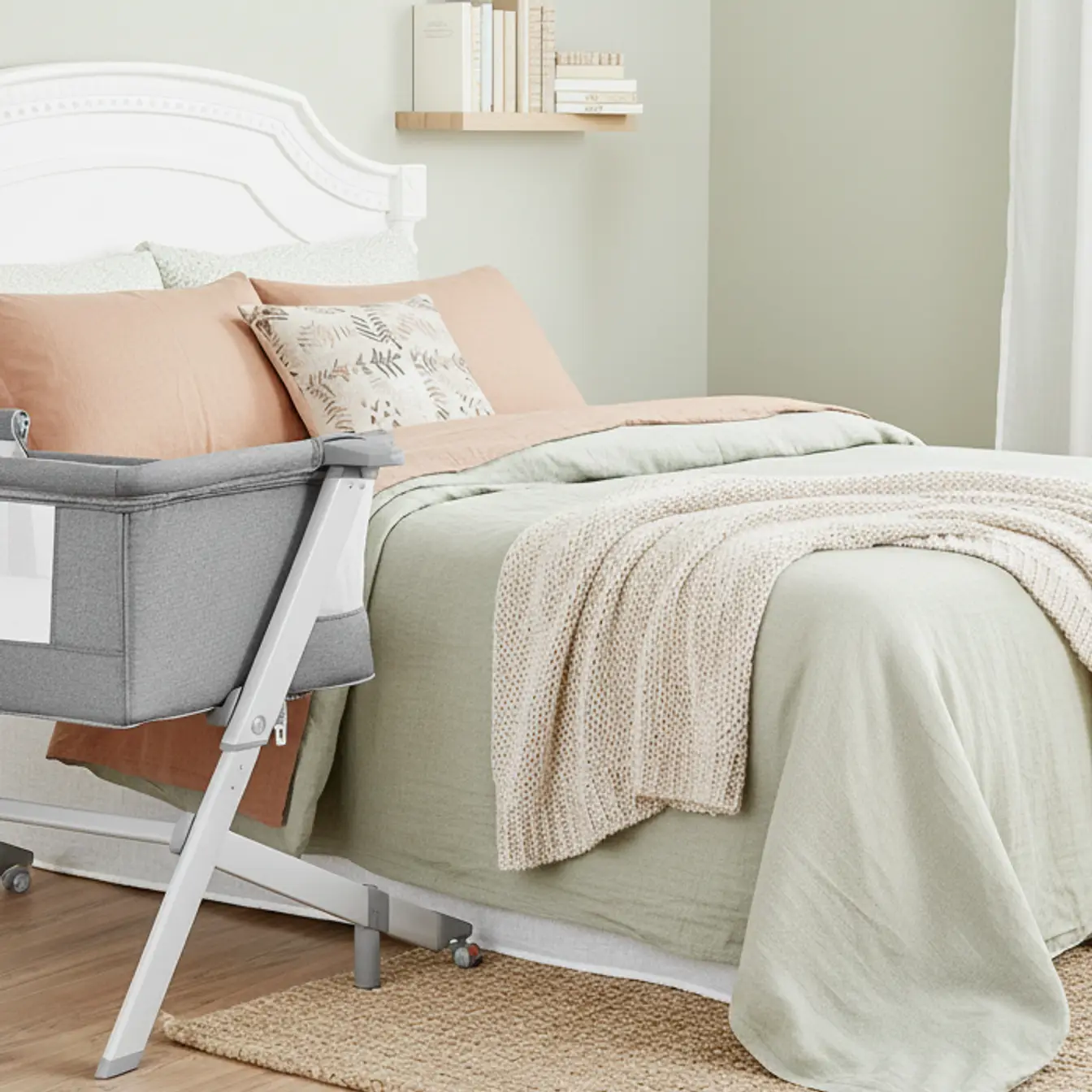

What is Co-Sleeping?
Co-sleeping refers to the practice of having your baby sleep close to you, usually in the same room, instead of in a separate room. A co-sleeper is a specialized cot or bassinet placed right next to your bed, allowing easy access to your baby during the night.
Important distinction: Co-sleeping does not mean bed-sharing. Bed-sharing (sleeping on the same surface as your baby) is strongly discouraged by the American Academy of Pediatrics (AAP) due to safety risks.
Room-sharing with a co-sleeper, however, is recommended by the AAP, as it provides closeness while maintaining a safe sleep environment.
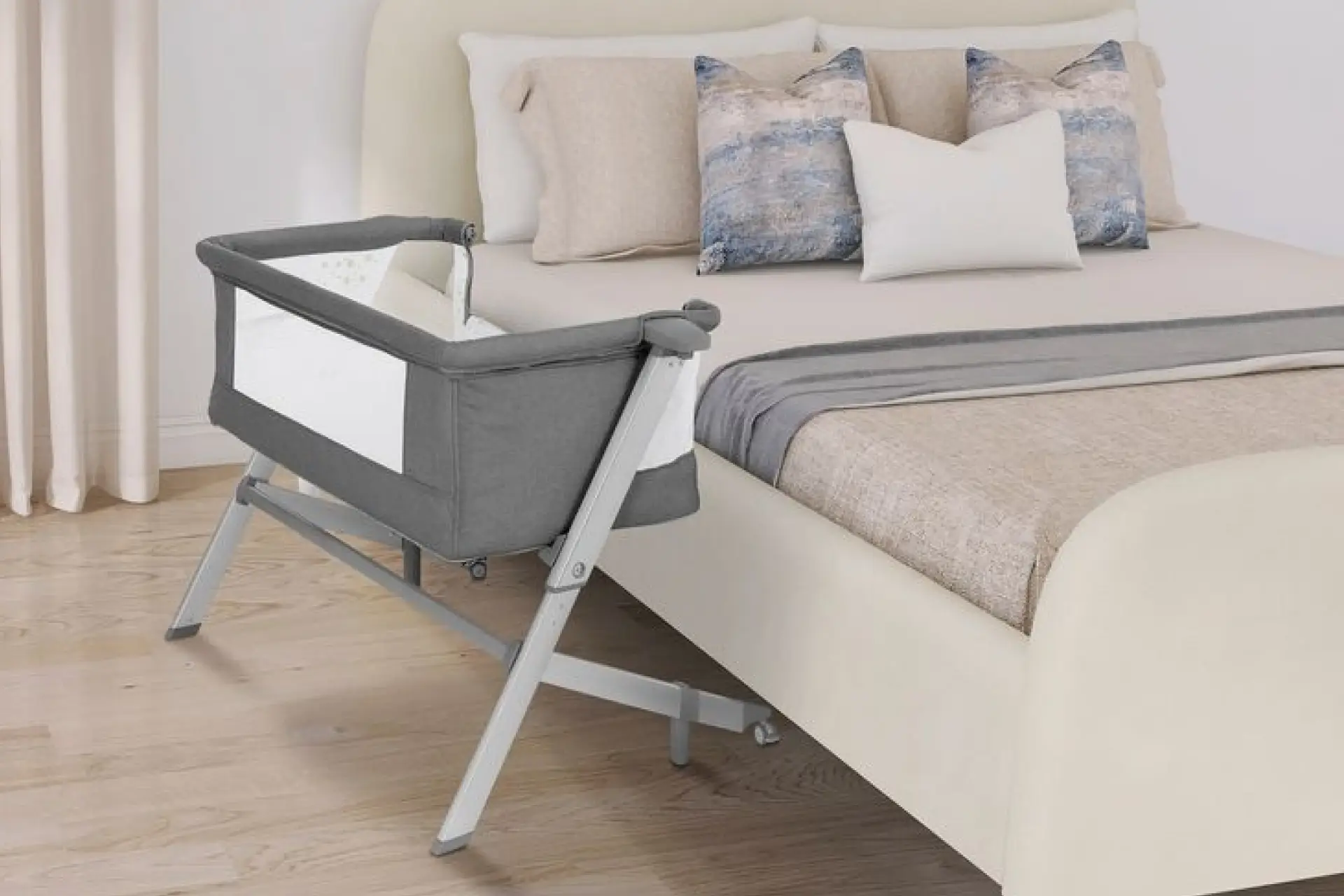
Product Featured - Dream On Me Gray Skylar Bassinet and Bedside Sleeper
Co-Sleeping vs. Bed-Sharing: What’s the Difference?
Although these terms are often used interchangeably, they are not the same:
| Practice | Description | Safety Recommendation |
|---|---|---|
| Co-sleeping | Baby sleeps in the same room, on a separate surface like a co-sleeper or bassinet | Safe if guidelines are followed |
| Bed-sharing | Baby sleeps in the same bed as parents | Unsafe – increases risk of SIDS, strangulation, and accidental injury |
Is Co-Sleeping Safe?
Yes, room-sharing with your infant is safe, provided the following precautions are observed:
- Place your baby on their back on a firm, flat surface.
- Avoid extra blankets, pillows, or soft toys inside the co-sleeper.
- Ensure the co-sleeper has breathable mesh sides for ventilation.
- Dress your baby appropriately; avoid overheating, which increases the risk of SIDS.
Benefits of Co-Sleeping
Co-sleeping offers several advantages, particularly in the first 6–12 months:
- Safety: Keep your baby within sight and easily accessible.
- Ease of nighttime care: Feedings, diaper changes, and comforting become simpler.
- Reduced SIDS risk: Being nearby allows for rapid response to breathing issues.
- Bonding: Promotes closeness and emotional security.
- Smooth transition to crib: Helps babies adjust to sleeping independently later.
What to Look for in a Co-Sleeper
When choosing a co-sleeper:
- Ensure it meets CPSC and ASTM safety standards.
- Make sure it fits your baby’s height and weight.
- Check that the padding is firm and the sleep surface is flat.
- Avoid gaps between the bed and co-sleeper.
Popular Co-sleeping/Bassinet/Bedside Sleeper Options:
1. Dream On Me Skylar Bassinet & Bedside Sleeper – Adjustable side panel allows easy access to your baby for nighttime feedings.
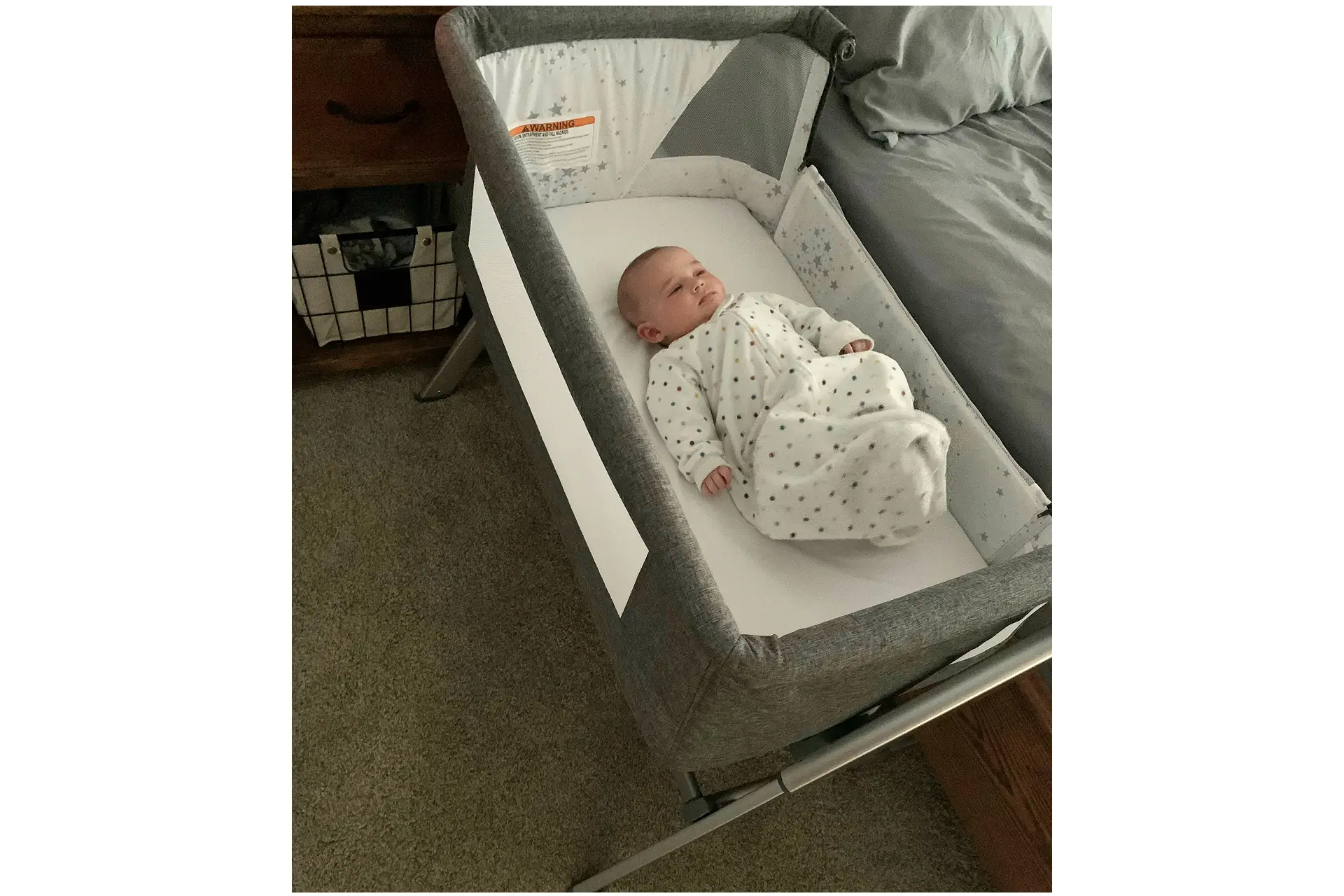
Product featured: Dream On Me Skylar Bassinet and Bedside Sleeper
2. Dream On Me Lotus Bassinet & Bedside Sleeper – Compact design fits perfectly in smaller bedrooms or apartments.
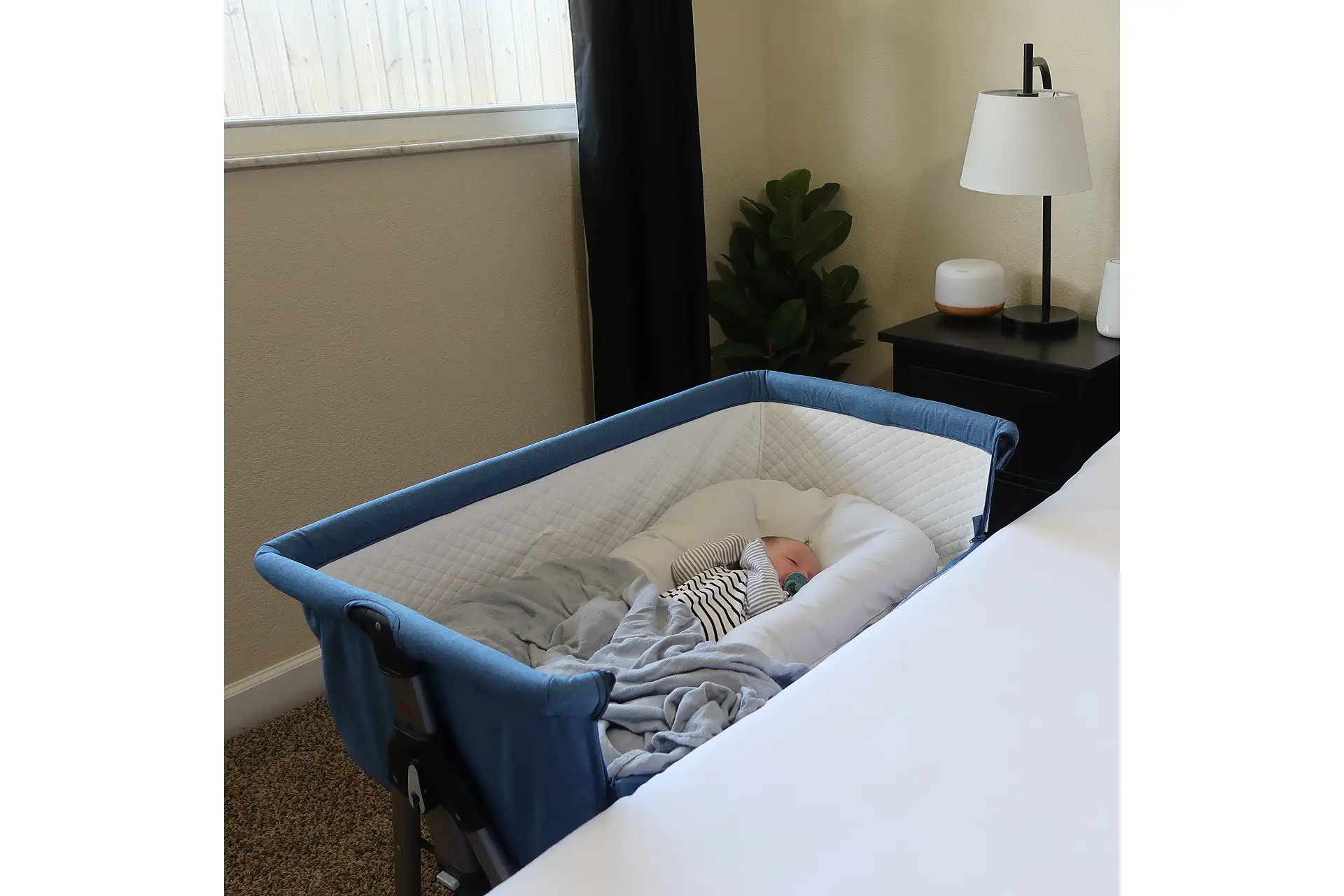
Product featured: Dream On Me Lotus Bassinet and Bedside Sleeper
3. Dream On Me Horton Bassinet & Bedside Sleeper – Sturdy and durable frame ensures long-lasting stability and safety.
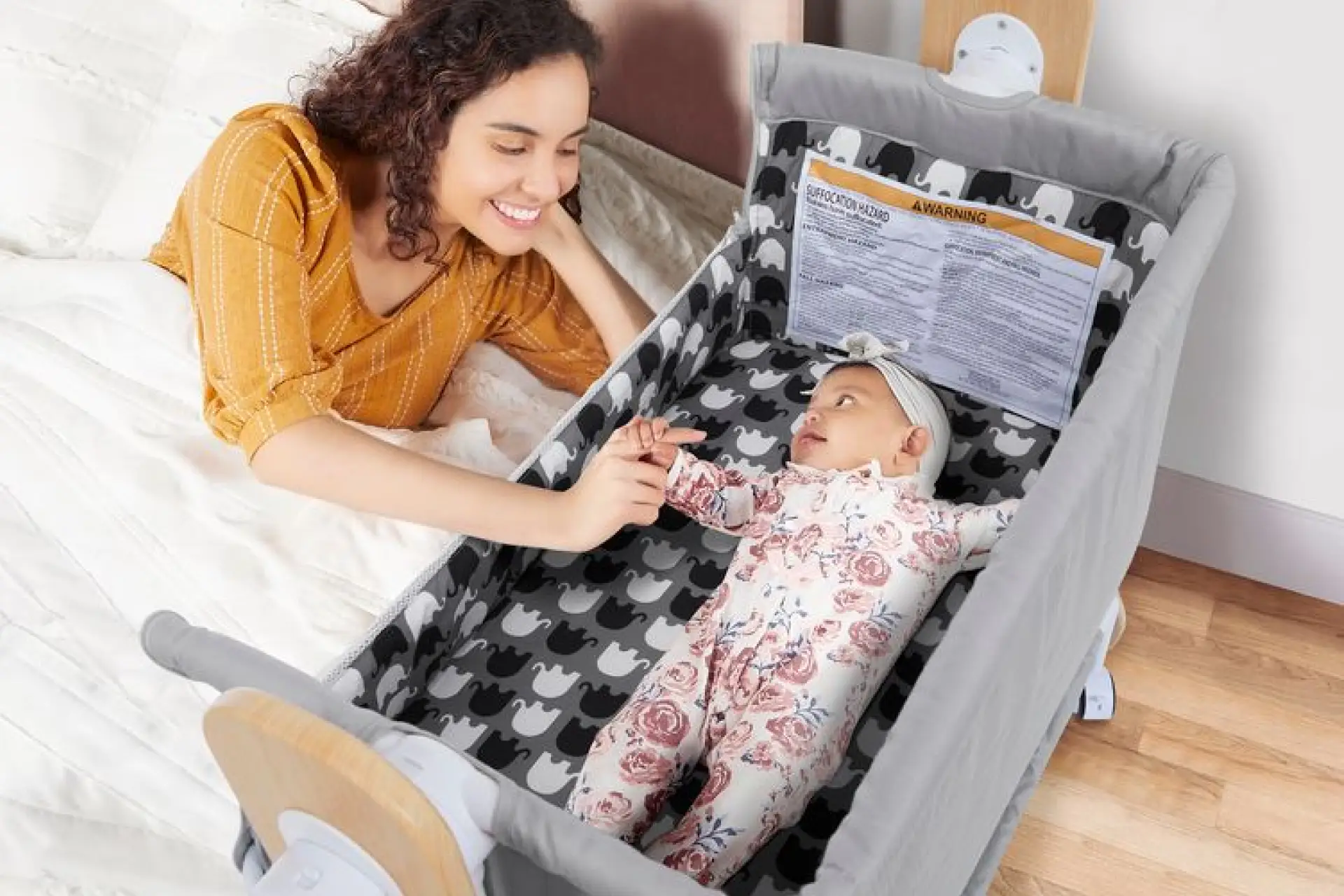
Product featured: Dream On Me Horton Bassinet and Bedside Sleeper
4. Dream On Me Calypso Portable Bassinet with Wheels – Built-in wheels make it easy to move from room to room.
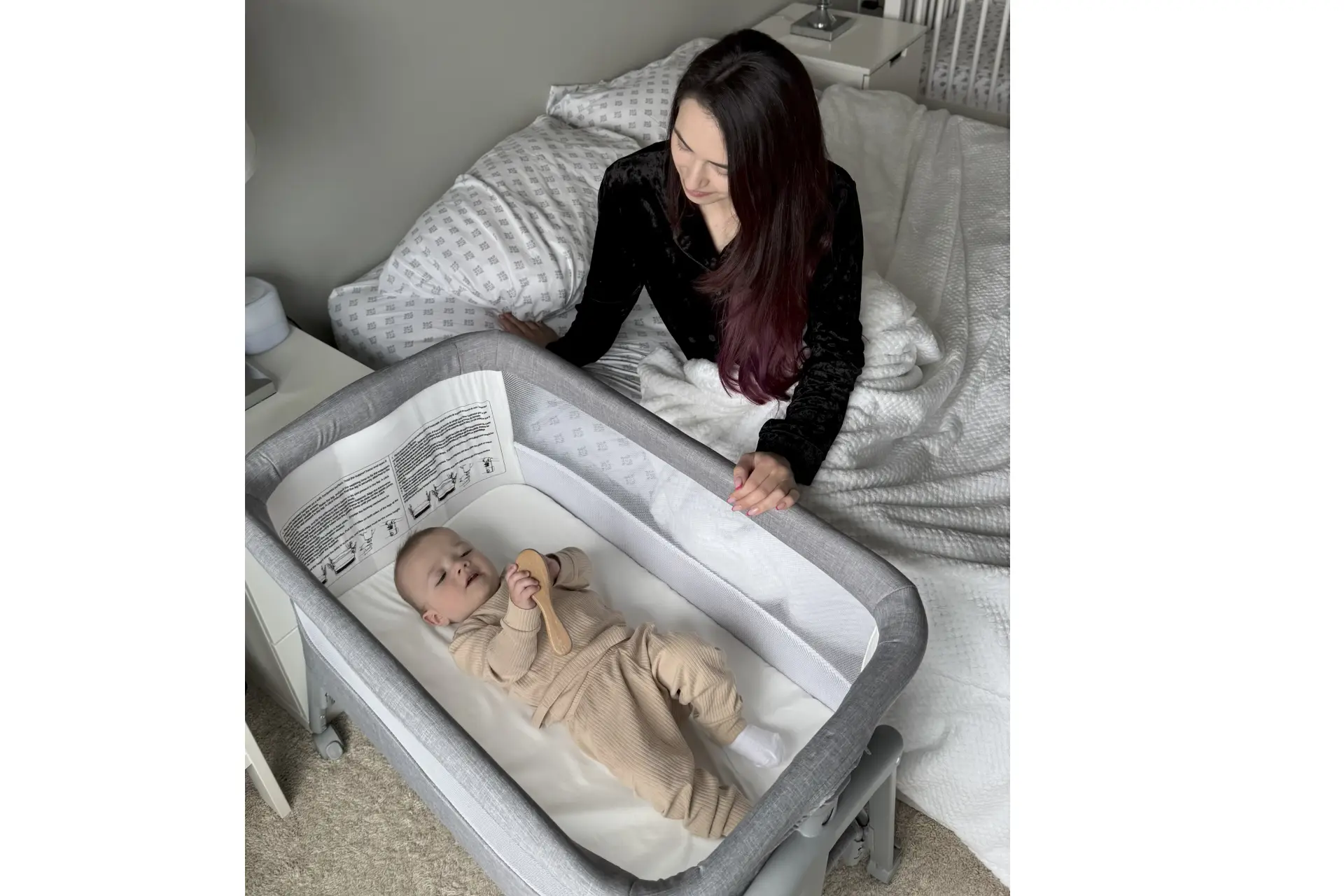
Product featured: Dream On Me Calypso Bassinet with wheels
Common Myths About Co-Sleeping
| Myth | Truth |
|---|---|
| Co-sleeping is always dangerous | Safe when room-sharing only, as approved by AAP |
| Bed-sharing is fine if you sleep lightly | Always risky; accidents happen even with alert parents |
| Statistics about co-sleeping risks are exaggerated | SIDS cases nearly doubled between 1993–2010 |
| Co-sleeping kills romance | Safe co-sleeping doesn’t interfere with intimacy |
Steps to Make Co-Sleeping Safe (AAP Guidelines)
- Always use a firm mattress in the co-sleeper.
- Keep pillows, blankets, and soft toys away from the baby.
- Feed your baby safely; if you might fall asleep while feeding, place them in the co-sleeper immediately after.
- Prefer a bedside co-sleeper over in-bed room-sharing.
- Choose ASTM/CPSC certified models or mini-cribs for portability and longevity.
When to Start Sleep Training
- Room-sharing is recommended for the first 6–12 months.
- Sleep training can begin around 4 months, or when your baby can self-soothe.
- Tips for smooth transition:
- Gradually move the baby away from your bed.
- Keep a consistent bedtime routine.
- Transition to crib before changing both the room and sleep setup at once.
FAQs
1. What age is safe to co-sleep?
From birth, if the baby sleeps in the same room but not on the same bed. Continue until at least 6 months, preferably up to 1 year.
2. Do doctors recommend co-sleeping?
Yes, room-sharing with a co-sleeper is safe and recommended by the AAP.
3. Why do babies sleep better near their parents?
They feel secure and can signal needs easily, which reduces SIDS risks.
4. When is SIDS no longer a major risk?
SIDS risk drops significantly after 6 months and is rare after the first year.
Key Takeaway
Co-sleeping in the same room, without bed-sharing, is a safe and effective way to care for your newborn. It reduces SIDS risk, promotes bonding, and makes nighttime care easier. Parents should feel empowered to make the decision that suits their family, while always following AAP guidelines. Dream On Me & Evolur’s range of safety-certified, award-winning bassinets are the way to go! Explore the collection and shop at Ever & Ever.
Tip: Keep your baby near you until at least 6 months old to ensure safety and convenience during the crucial early months.
Shop Bassinets and Bedside SleepersSuggested For You

Best Baby Gear for Fall Walks in Chicago, Boston & New York
Fall walks in Chicago, Boston, and New York come with cooler temperatures, changing weather, busy sidewalks, and plenty of opportunities to get outside with your baby. From the right stroller to weather-ready accessories, here's the baby gear that can make city walks more comfortable and practical.
Read more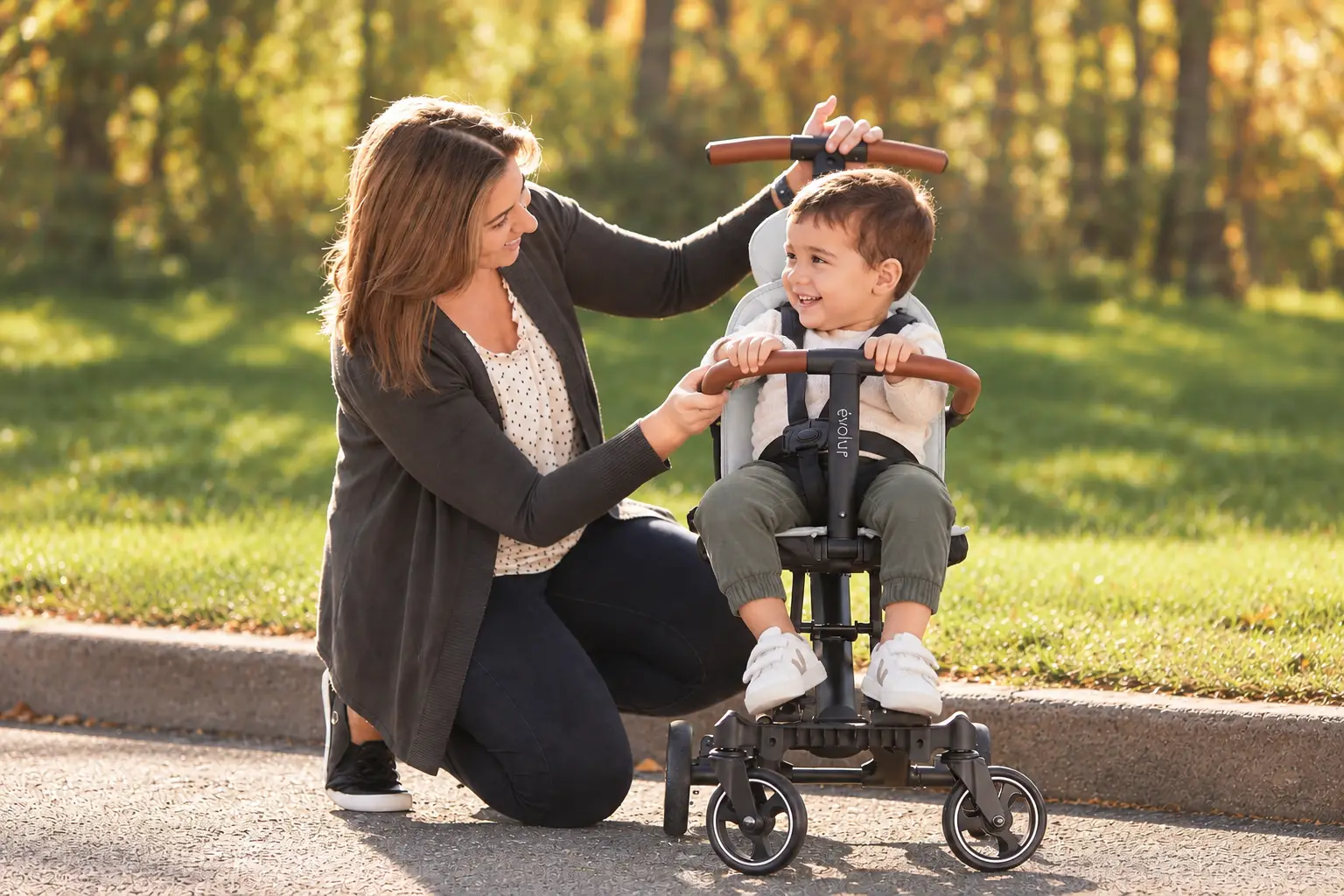
Baby Gear That Looks Safe but Isn’t: What Parents Should Watch For
Baby gear is designed to make parenting easier, but appearance alone doesn't tell you whether a product is safe. From sleep products and loungers to high chairs and changing gear, certain features can create risks that aren't immediately obvious. Here's what parents should look for before bringing baby gear into their home—and the warning signs that shouldn't be ignored.
Read more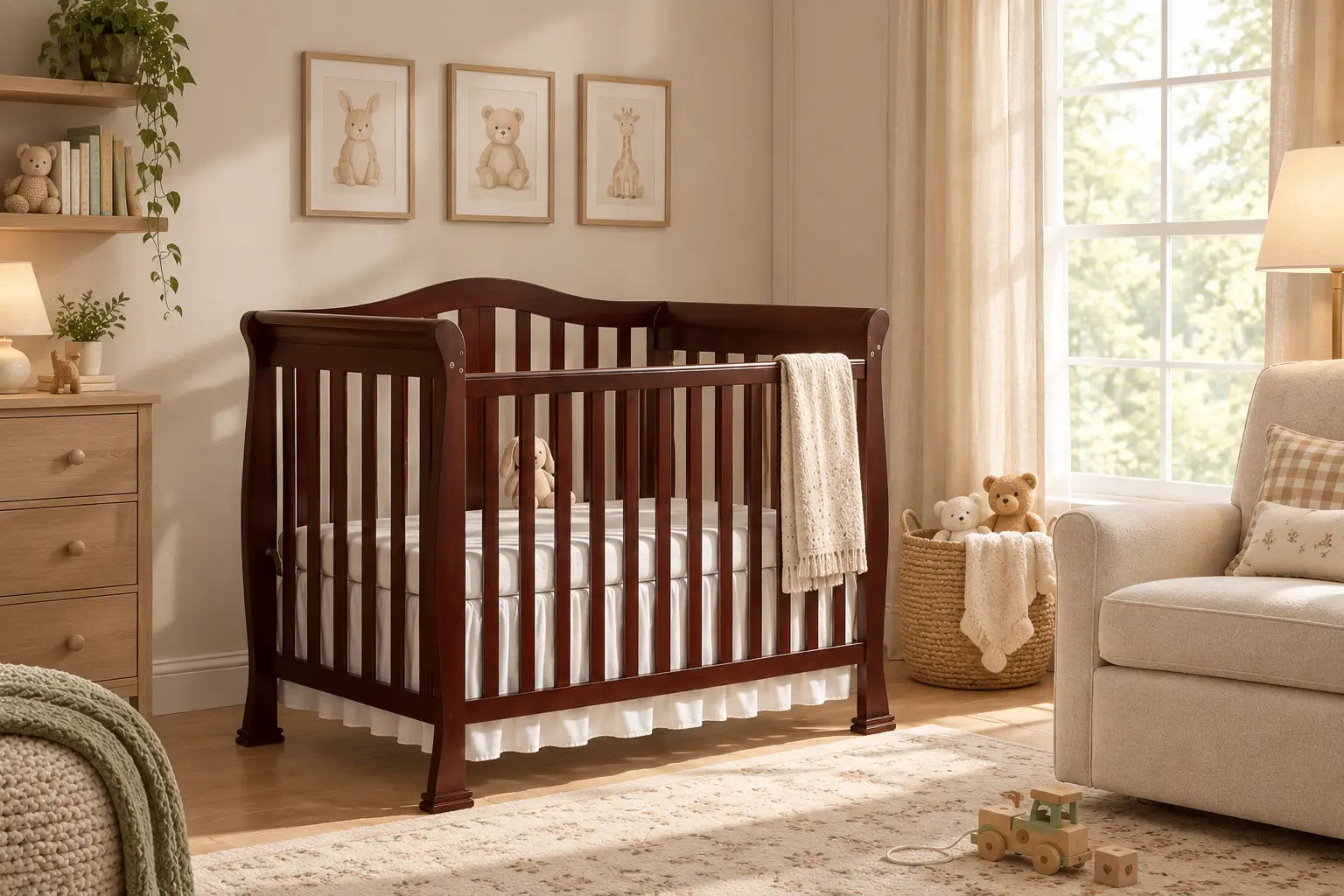
Boston Apartments Are Tiny. These Cribs Were Designed for Them
In Boston, a nursery doesn't always mean a dedicated room. From historic brownstones and walk-up apartments to compact city bedrooms, parents often have to make every square foot count. The right crib can make a surprisingly big difference. Here's how to choose a safe, functional crib that fits a smaller Boston apartment without sacrificing style or room to grow.
Read more
The Hidden Hazards in NYC Apartments That Every Baby Safety Guide Completely Ignores
Babyproofing a New York City apartment isn't quite the same as babyproofing a suburban home. Radiators, fire escapes, narrow layouts, old windows, exposed pipes, and limited storage can create safety challenges that standard babyproofing checklists don't always address. Here's what NYC parents should look for before a baby starts exploring.
Read more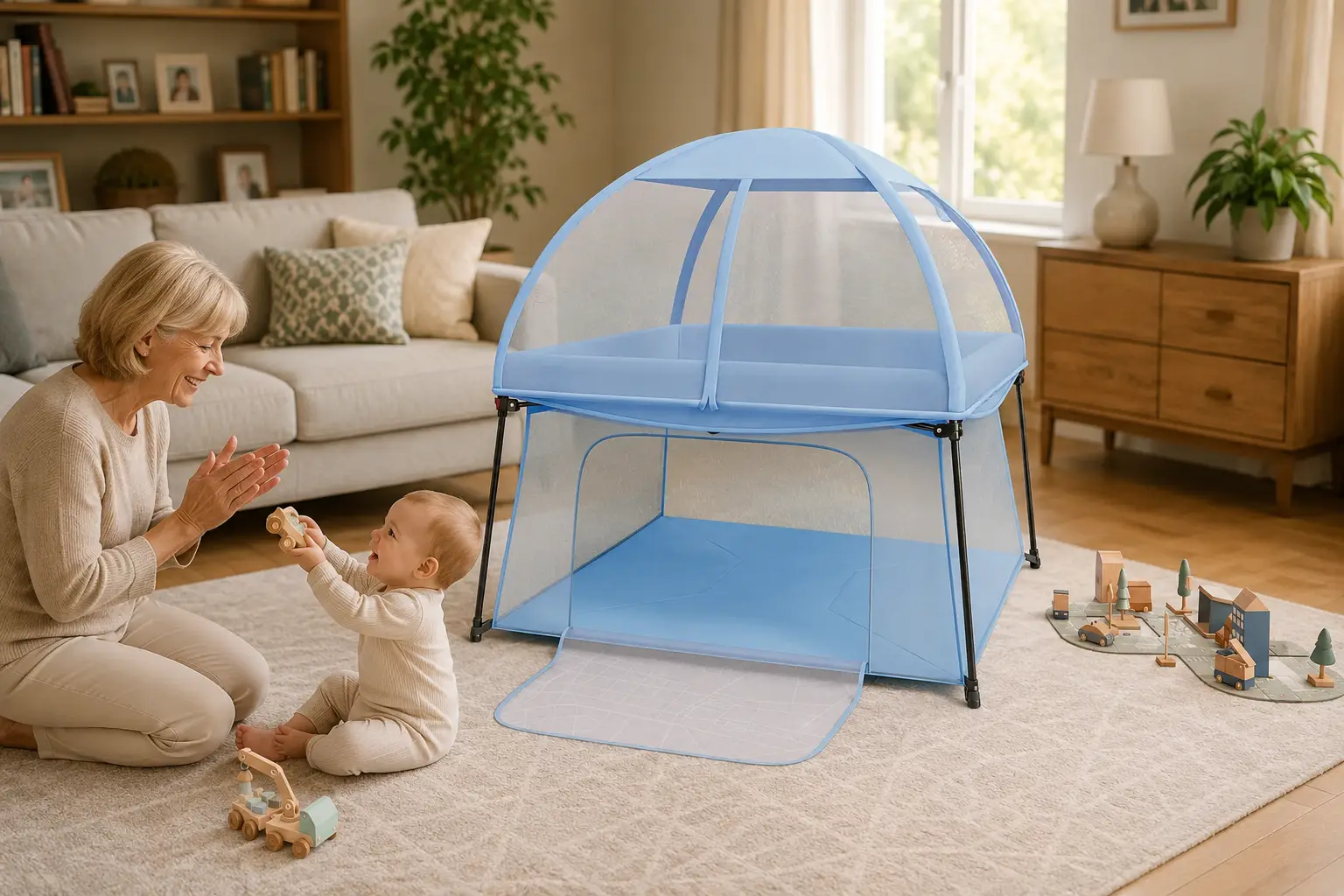
The Grandparents’ Guide to a Baby-Safe Home: What’s Changed Since You Raised Kids
Grandparents have plenty of parenting wisdom to share—but baby safety recommendations have changed significantly over the years. From sleep environments and car seats to cribs and babyproofing, here’s a practical guide to the updated safety advice grandparents should know when preparing their homes for a new grandbaby.
Read more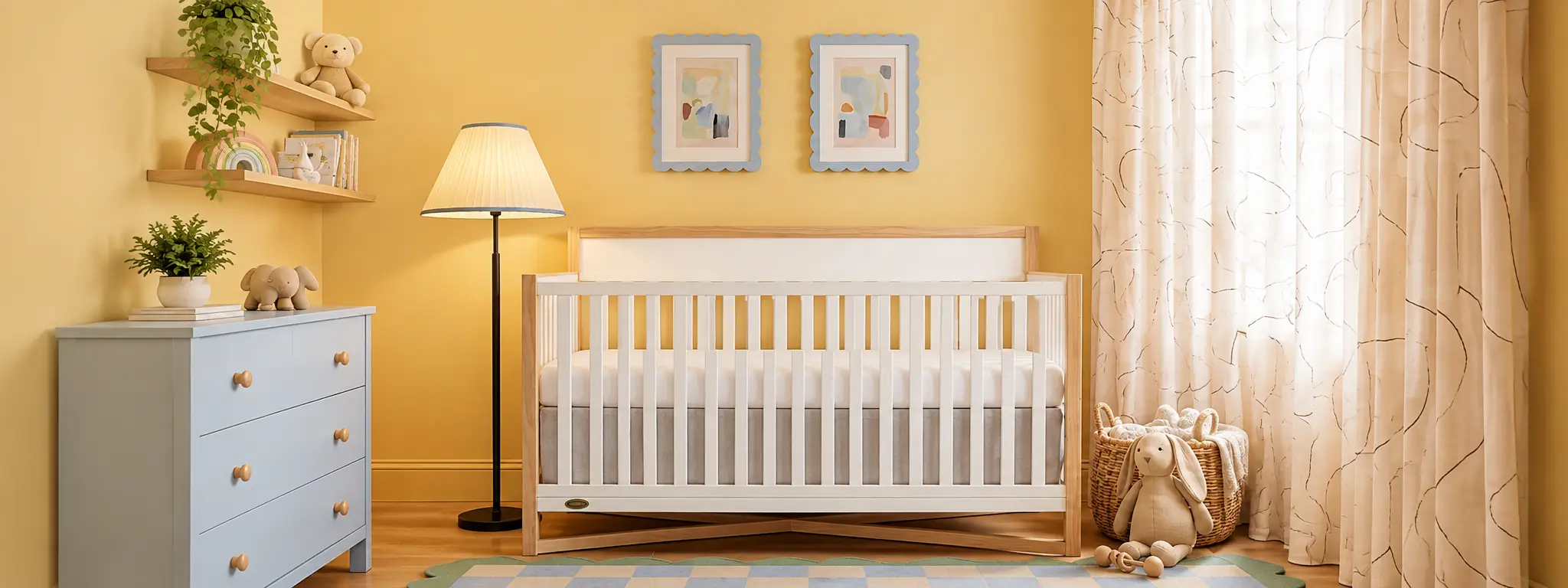
You Can Design a Beautiful Nursery in 80 Square Feet
You don't need a large room to create a nursery that feels beautiful, functional, and calming. Whether you're working with a city apartment, a shared bedroom, or a compact home, thoughtful design choices can make every square foot count. From convertible cribs to vertical storage and light-enhancing color palettes, here's how to create a nursery that works just as hard as you do.
Read more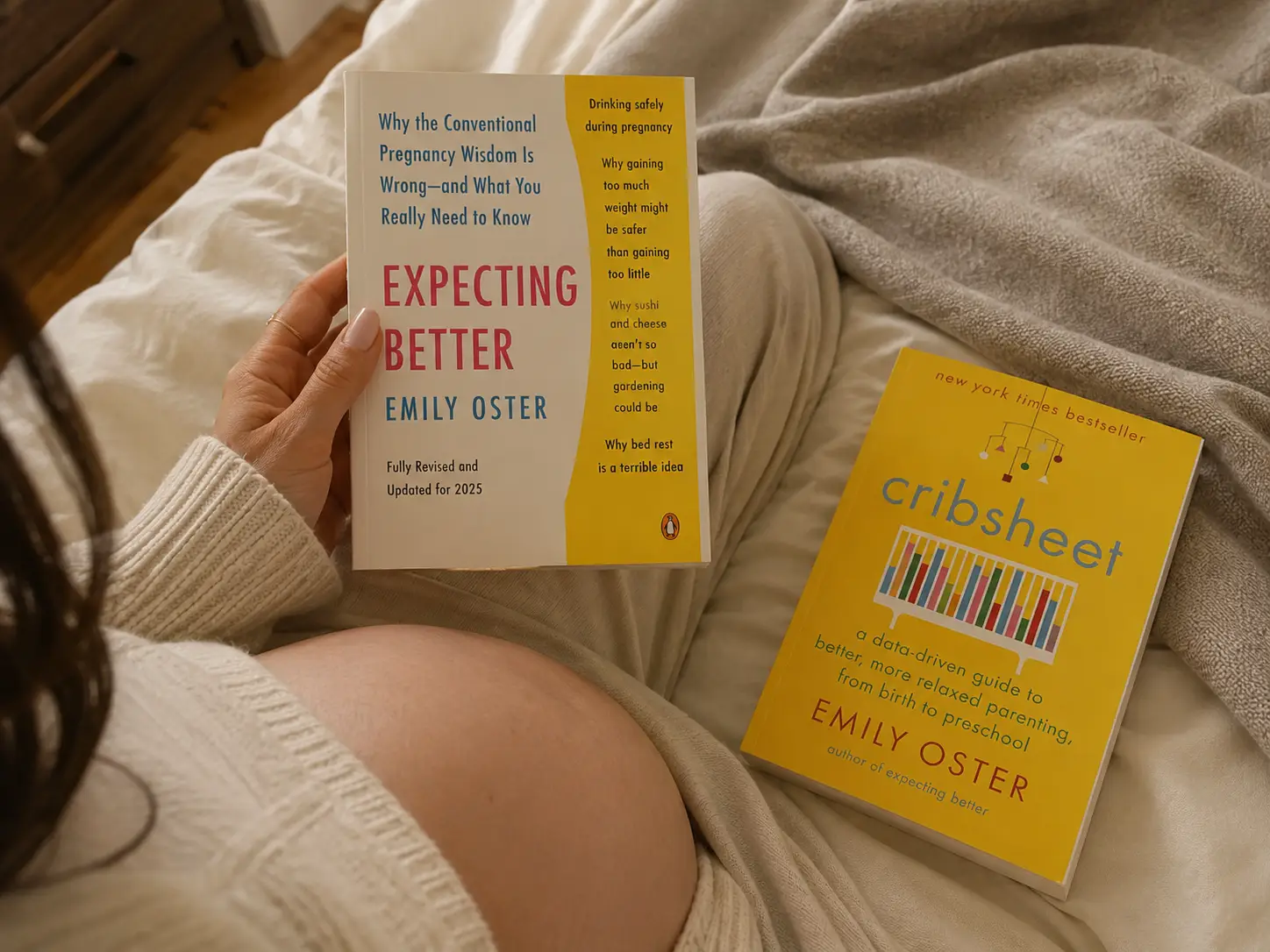
Must-Read List: 10 Best Books for Parents Before Baby Arrives (2026)
Preparing for your baby's arrival goes beyond buying nursery essentials—it also means preparing yourself. Discover the best books for parents, from evidence-based pregnancy guides and newborn care resources to relationship advice and safe sleep recommendations. This curated reading list will help you enter parenthood with confidence.
Read more


