



Baby Crib Safety Standards – Complete Guide for First-Time Parents
5 minute read
September 9, 2025
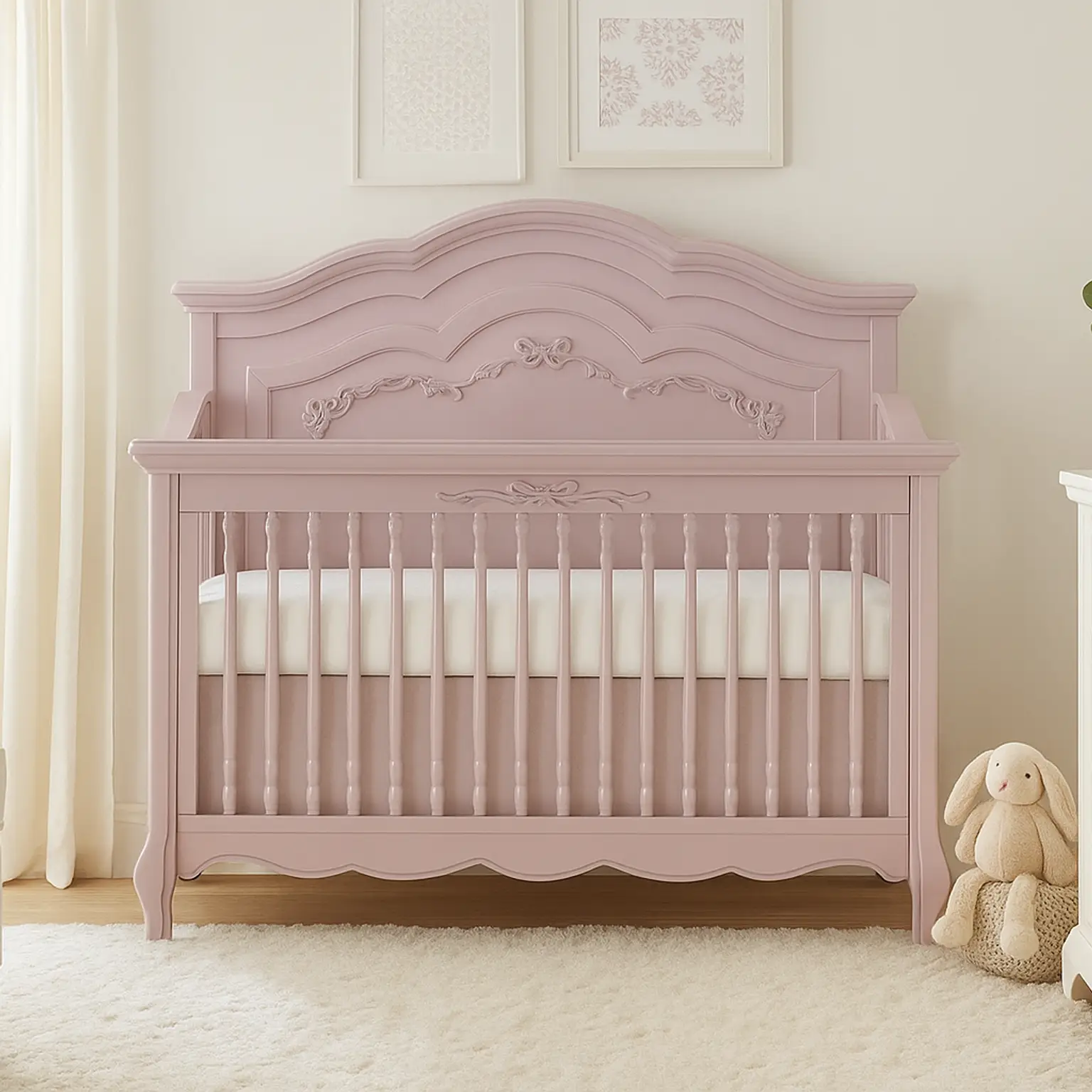
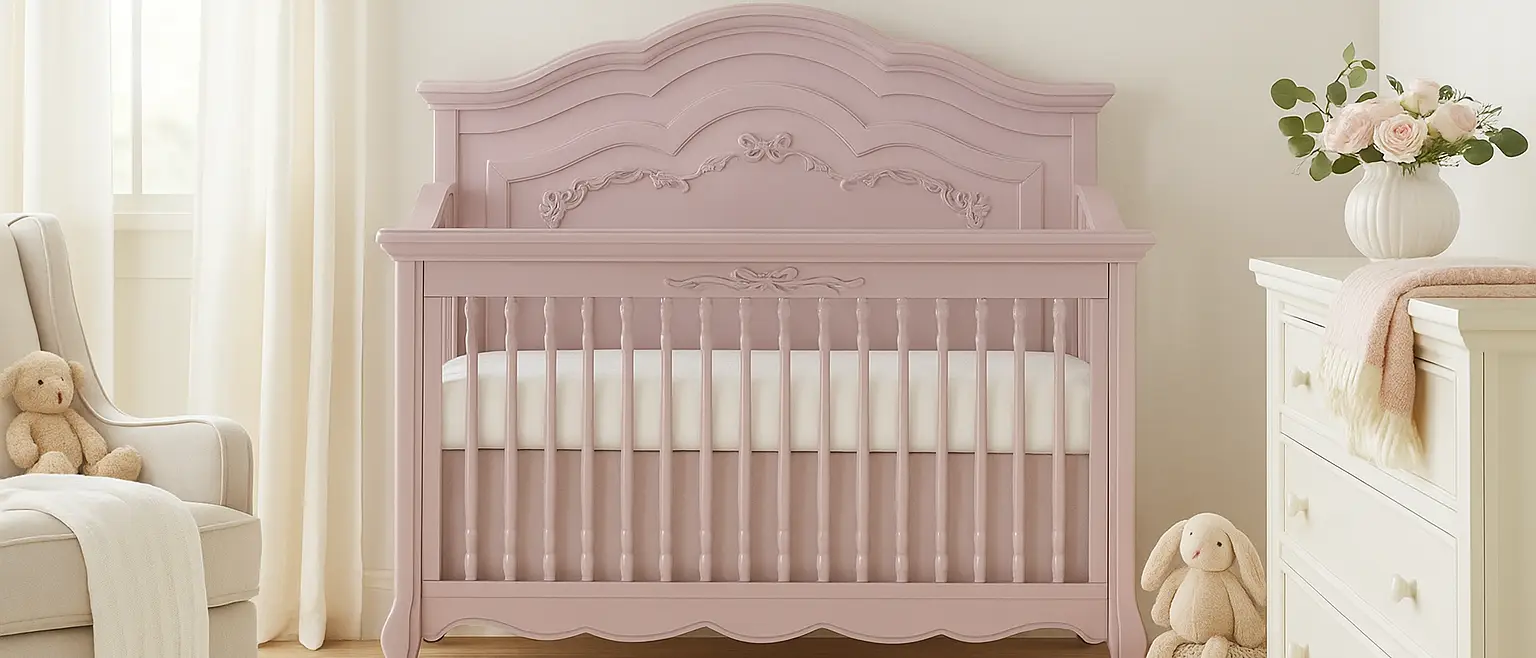
Baby Crib Safety Standards – Complete Guide for First-Time Parents
While most parents begin their search for the perfect crib based on budget, design, and nursery theme, crib safety must always take priority. Cribs are one of the safest sleeping environments for babies who have outgrown bassinets or co-sleepers.
Choosing the right crib involves more than aesthetics - it requires careful evaluation of certifications, materials, and construction. Questions like “What slat width is safe?” or “Which crib shape is ideal?” are critical to answer before purchase.
Why Crib and Sleep Safety Is Important
Selecting a safe crib protects your baby from SIDS, entrapment, strangulation, choking, and suffocation. A well-constructed crib with no loose fittings or sharp edges is essential.
But crib safety doesn’t stop at the crib itself. Unsafe mattresses, loose bedding, toys in the crib, or incorrect sleeping positions can turn even the safest crib into a hazard.
Our top picks:
- Dream On Me Violet 7-in-1 Convertible Crib – Classic design with stationary sides and multiple mattress levels.
- Evolur Aurora 5-in-1 Convertible Crib – Solid wood construction with a non-toxic finish, convertible to toddler bed and daybed.
How to Choose a Safe Crib
Here are the crucial features to consider:
1. Stationary Sides
Avoid cribs with movable sides; stationary sides prevent climbing or falling hazards.
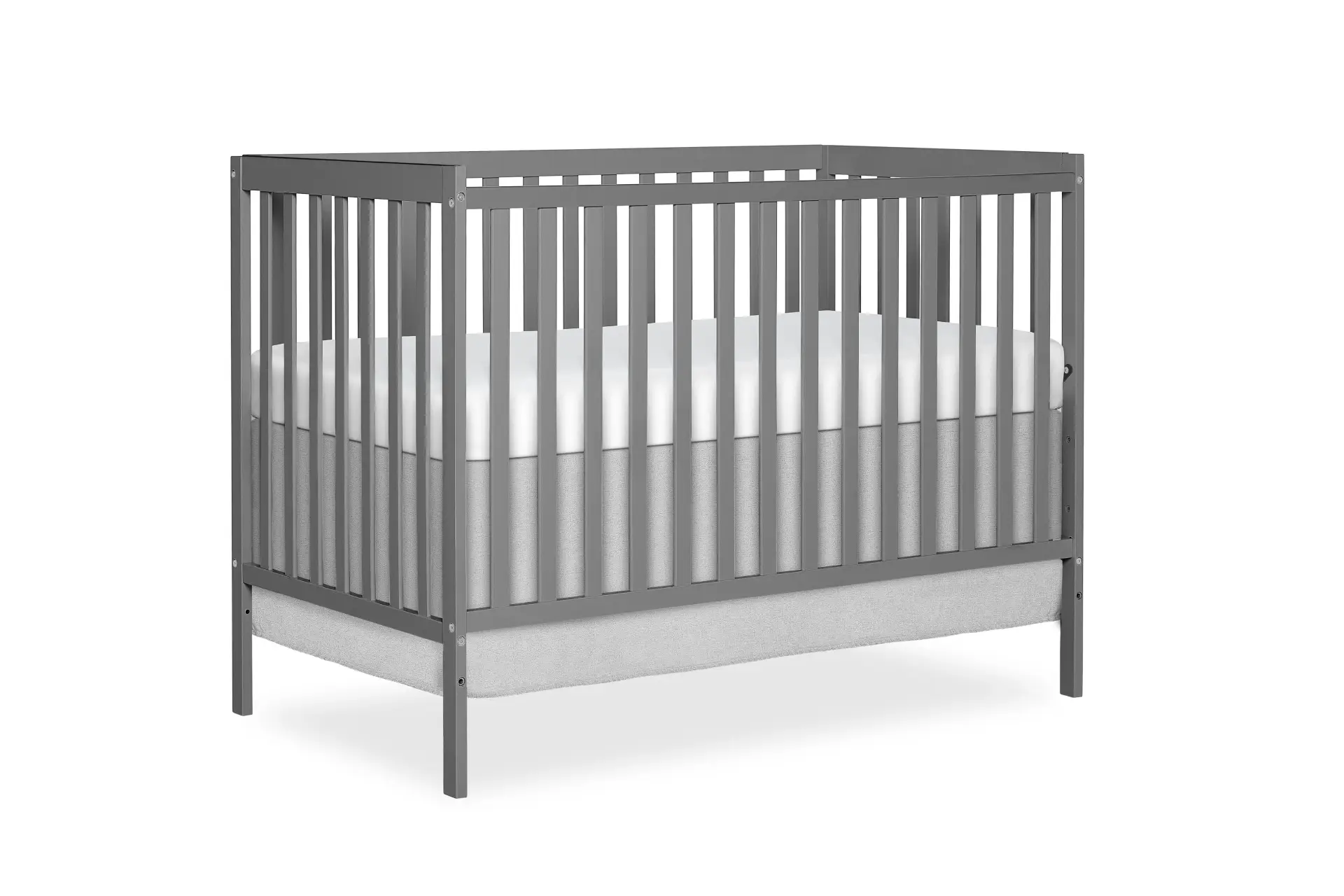
Product Featured: Dream On Me Synergy 5-in-1 Convertible Crib
2. No Drop-Side Rails
Drop-side cribs are illegal in the U.S. and extremely dangerous due to gaps forming between mattress and rail. Always choose stationary-sided cribs.
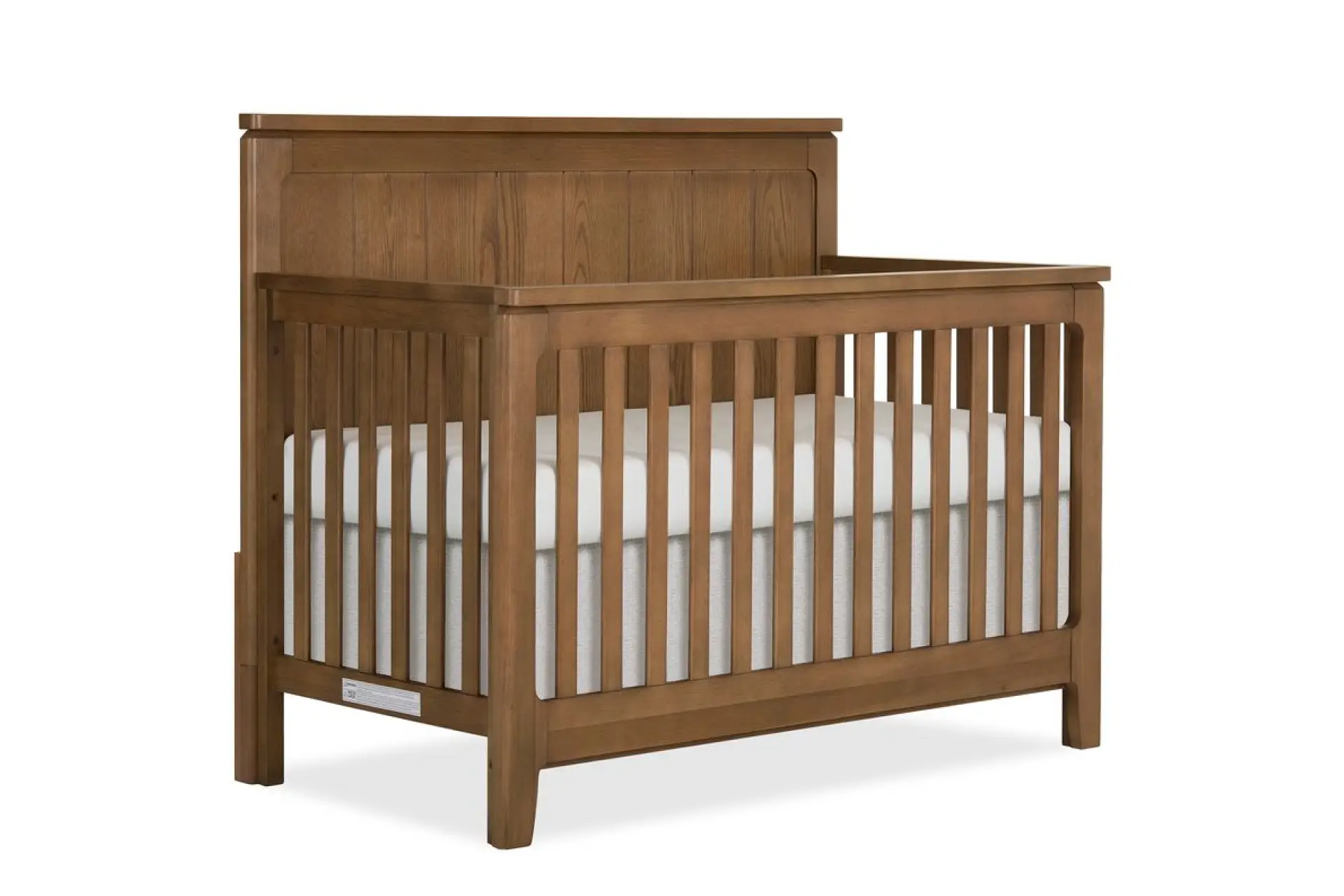
Product Featured: Evolur Oakley 5-in-1 Convertible Crib
3. Appropriate Slat Width
Slats must be no more than 2 3/8 inches (6 cm) apart, roughly the width of a soda can, to prevent entrapment.
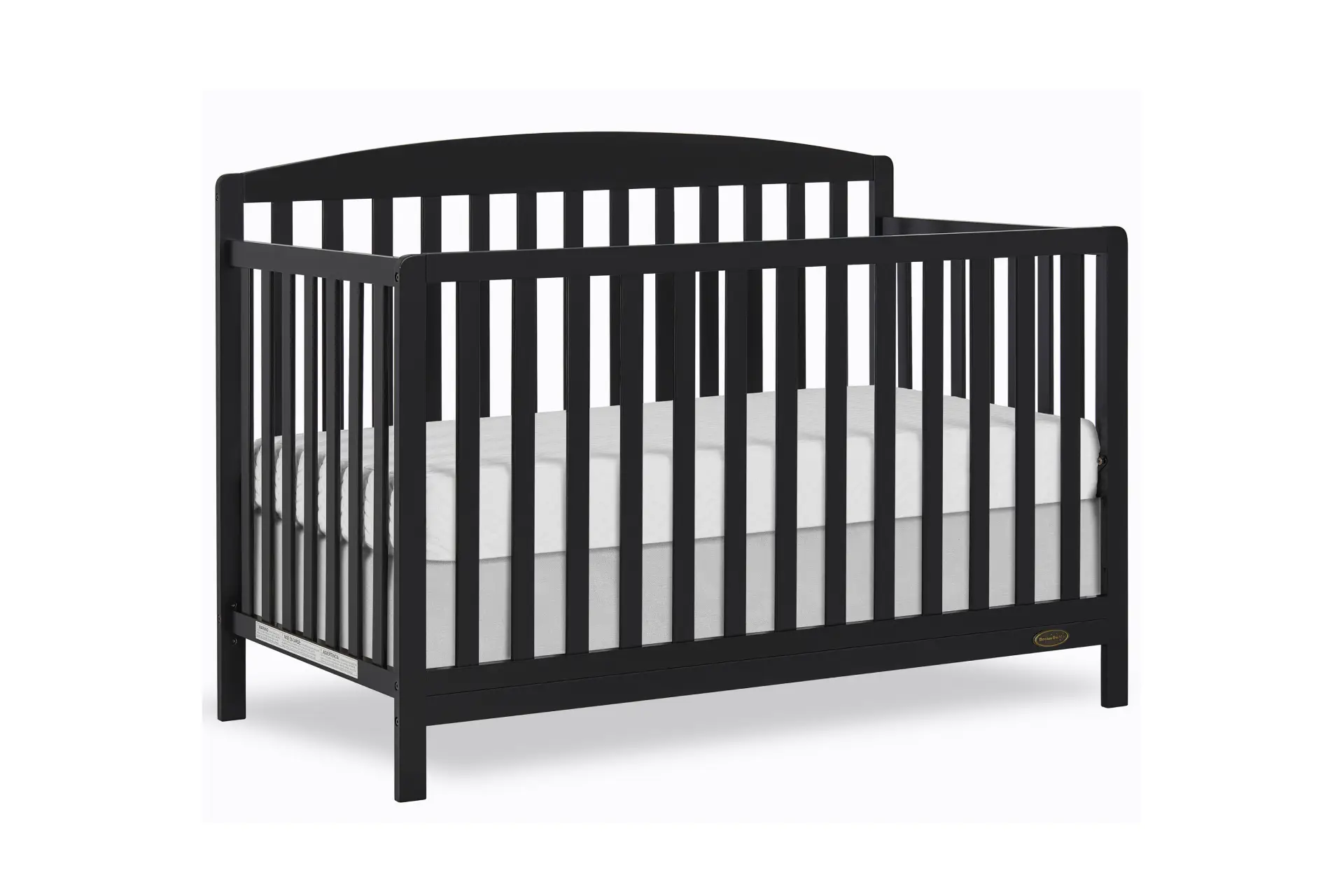
Product Featured: Dream On Me Odelle 5-in-1 Convertible Crib
4. Sturdy Construction & Hardware
Check screws and bolts regularly. A well-built crib ensures long-term safety as your baby becomes more mobile.
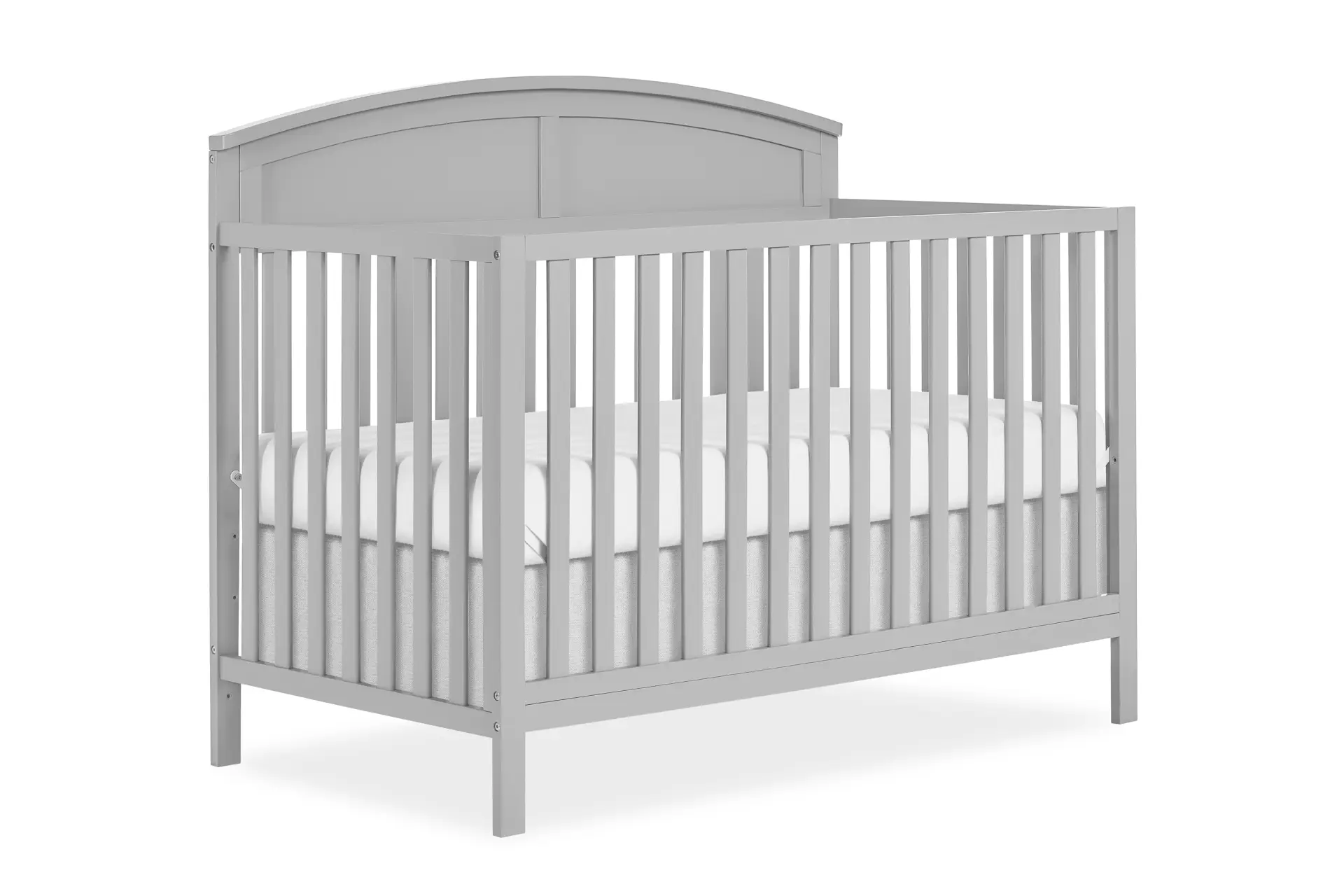
Product Featured: Dream On Me Storybrooke 5-in-1 Convertible Crib
5. No Headboard & Footboard Cutouts
Avoid decorative cutouts where your baby’s head, arms, or legs could get stuck. Choose cribs with solid designs.
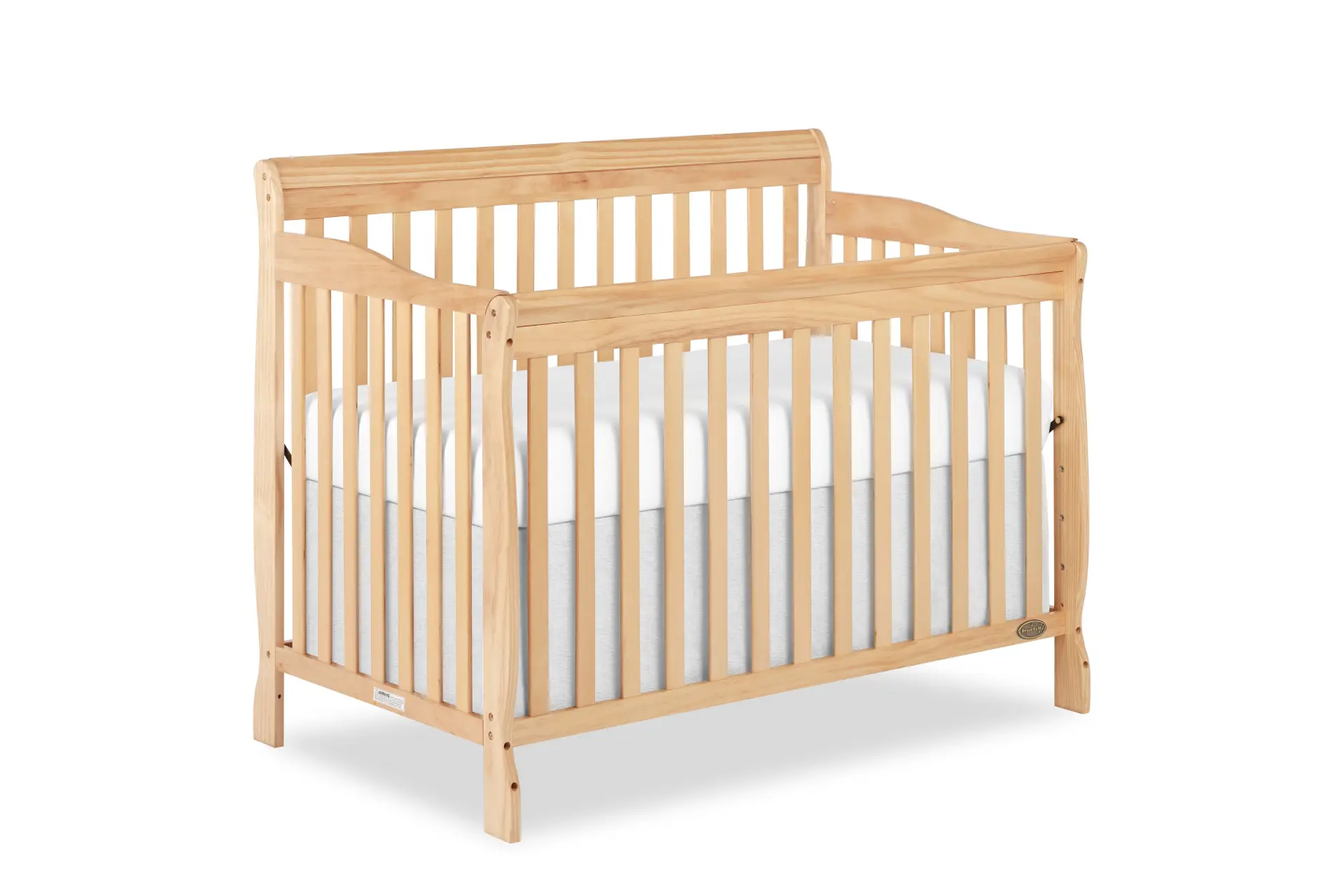
Product Featured : Dream On Me Ashton Convertible 5-in-1 Crib
6. Baby-Safe Non-Toxic Paint
Cribs must have lead-free paint to prevent poisoning when babies chew rails.
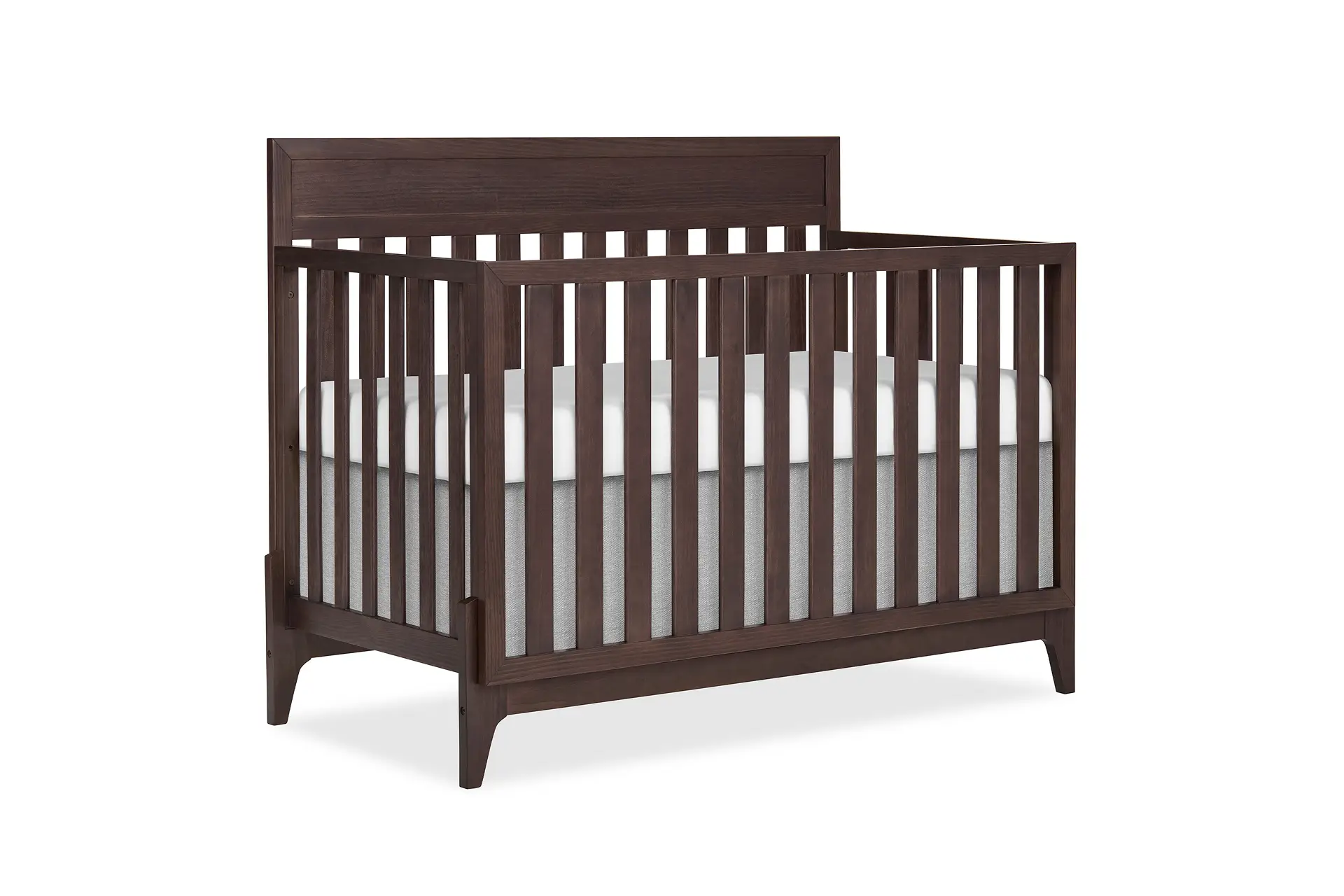
Product Featured : Evolur Atlas Convertible 5-in-1 Crib
7. No Sharp Edges or Corner Posts
Edges and posts must be smooth and safely designed. Posts over 16 inches are acceptable to avoid clothing entanglement.
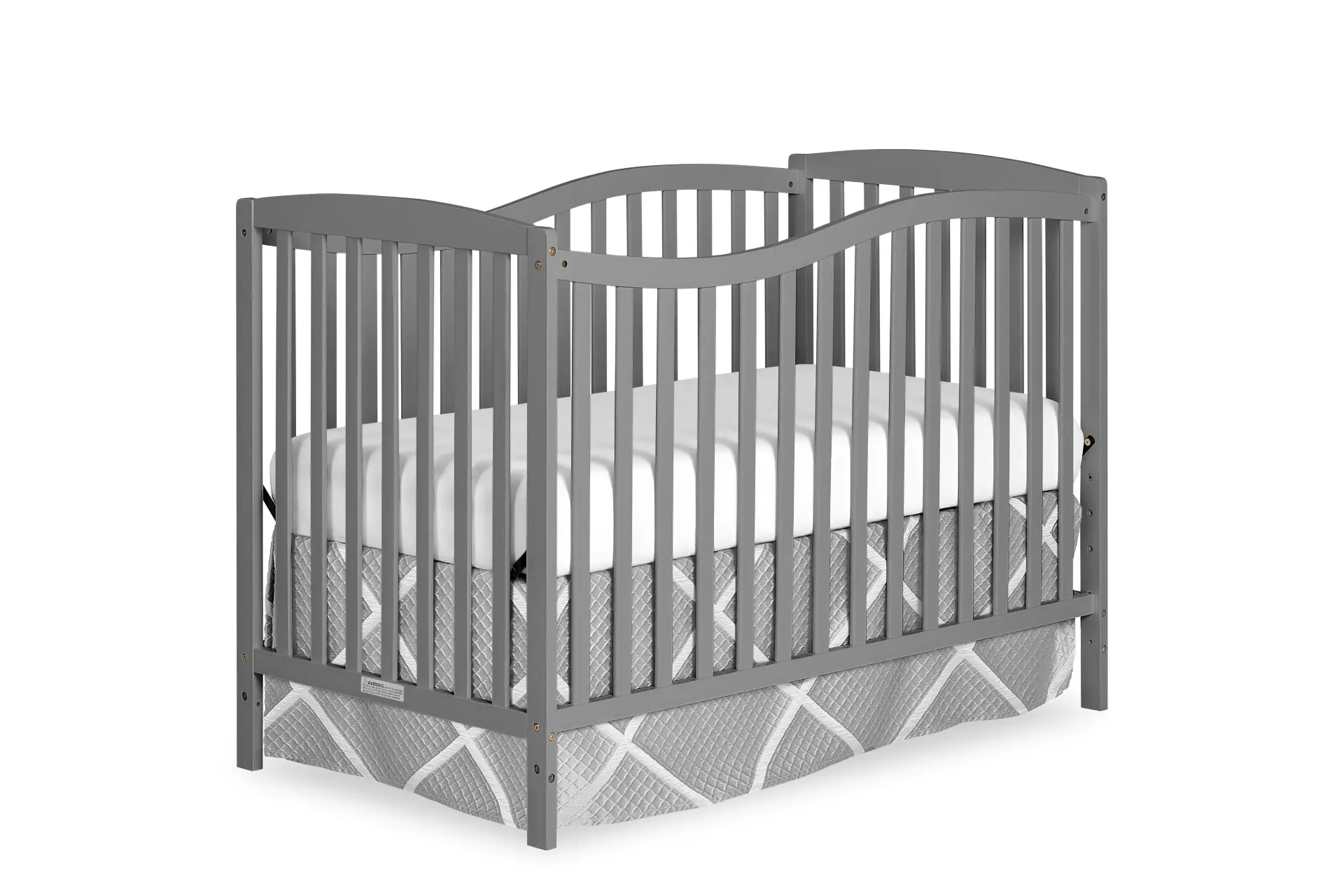
Product Featured : Dream On Me Chelsea Convertible 5-in-1 Crib
8.Three-Level Mattress Adjustability
Cribs should allow at least three mattress height settings to prevent falls as babies grow.
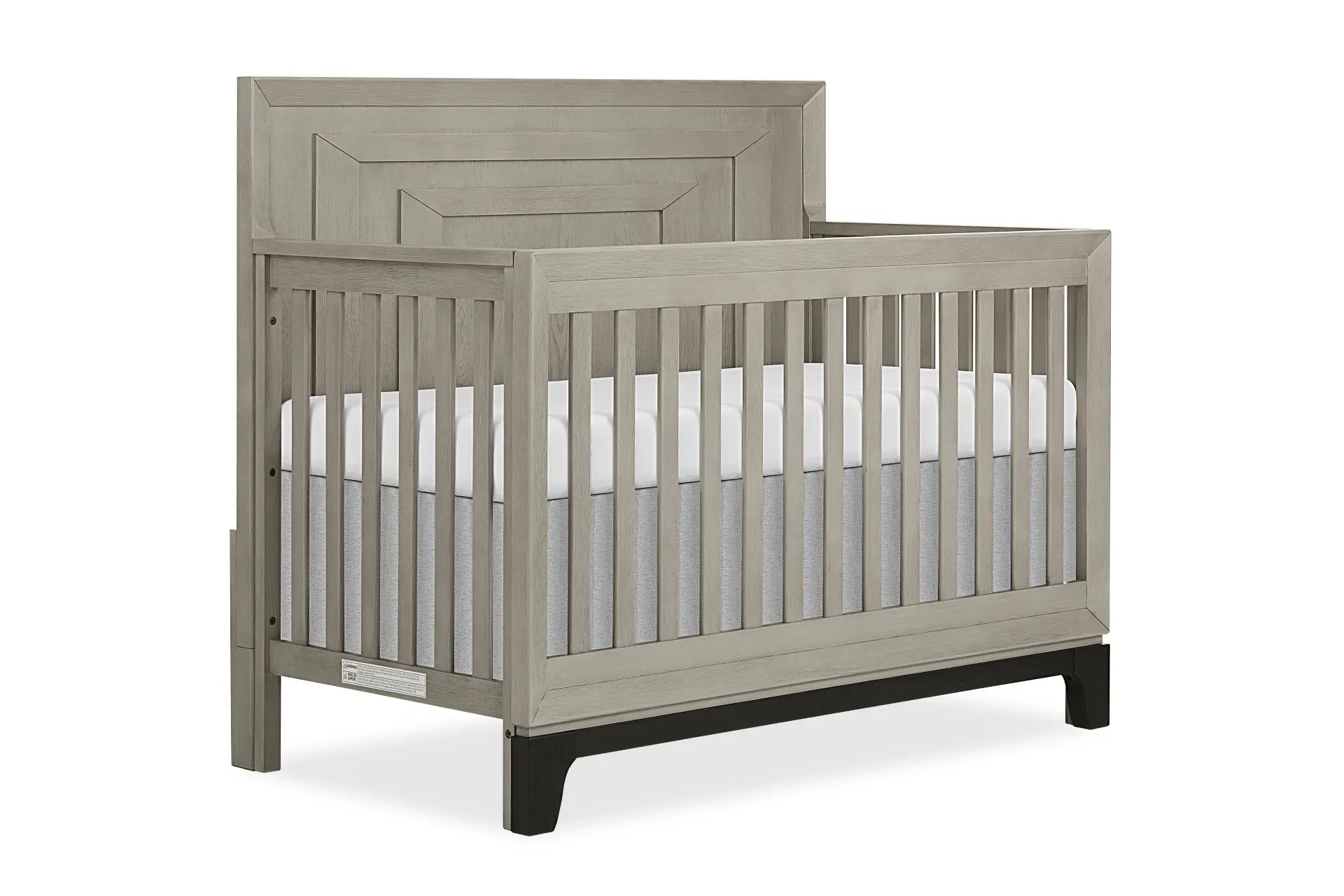
Product Featured : Evolur Remy 5-in-1 Convertible Crib
Essential Crib Safety Certifications
1. Consumer Product Safety Commission (CPSC)
All U.S. cribs must comply with CPSC safety regulations, ensuring structural durability and safety.
2. ASTM International
ASTM-certified cribs are tested for harmful chemicals in finishes, composites, and glue, a federal requirement.
3. BSA (formerly JPMA)
BSA certification confirms cribs meet or exceed federal and state safety standards, including ASTM requirements.
4. Greenguard Gold Certification
Indicates low VOC emissions, ensuring safer indoor air quality for your baby.
How to Ensure Your Crib Mattress Is Safe
Crib mattresses should meet federal regulations. Key points:
- Firmness: Soft mattresses increase the risk of SIDS.
- Breathability: Allows airflow to reduce suffocation risks.
- Size: Standard crib mattresses should be 27 ¼ x 51 ⅝ inches and ≤6 inches thick.
- Fit: No more than two fingers of gap between mattress and crib.
- Waterproof cover: Helps maintain hygiene and prevent mold.
Certifications to look for:
- Greenguard Gold
- BSA
- CertiPUR-US (for foam mattresses)
- Global Organic Textile Standard (GOTS) (for organic mattresses)
Safe Crib Placement & Sleep Practices
- Place the crib at least 1 foot from walls, windows, furniture, and cords.
- Always put your baby on their back to sleep.
- Keep the crib free of toys, pillows, blankets, and bumper pads.
- Consider wearable blankets instead of loose sheets.
- Read manufacturer instructions and test crib stability before use.
FAQs
1. Can I use an old crib?
Only if it meets current safety standards and is less than 10 years old.
2. Are all drop-side cribs unsafe?
Yes, avoid them completely.
3. How far should the crib be from the wall?
At least 1 foot from walls and furniture.
4. When should you transition a toddler out of the crib?
Usually around 3 years old or 35 inches tall. Convertible cribs make this easier.
Wrapping Up
Choose a CPSC-compliant, BSA-certified crib with stationary sides. Prioritize simple, standard-sized designs over luxury features. Always follow safe assembly, placement, and sleep practices for maximum safety.
By combining the right crib and mattress certifications with careful sleep routines, you ensure your baby sleeps safely and comfortably every night. Explore Ever & Ever’s complete range of thoughtfully designed convertible cribs from Dream On Me & Evolur now!
Shop CribsSuggested For You
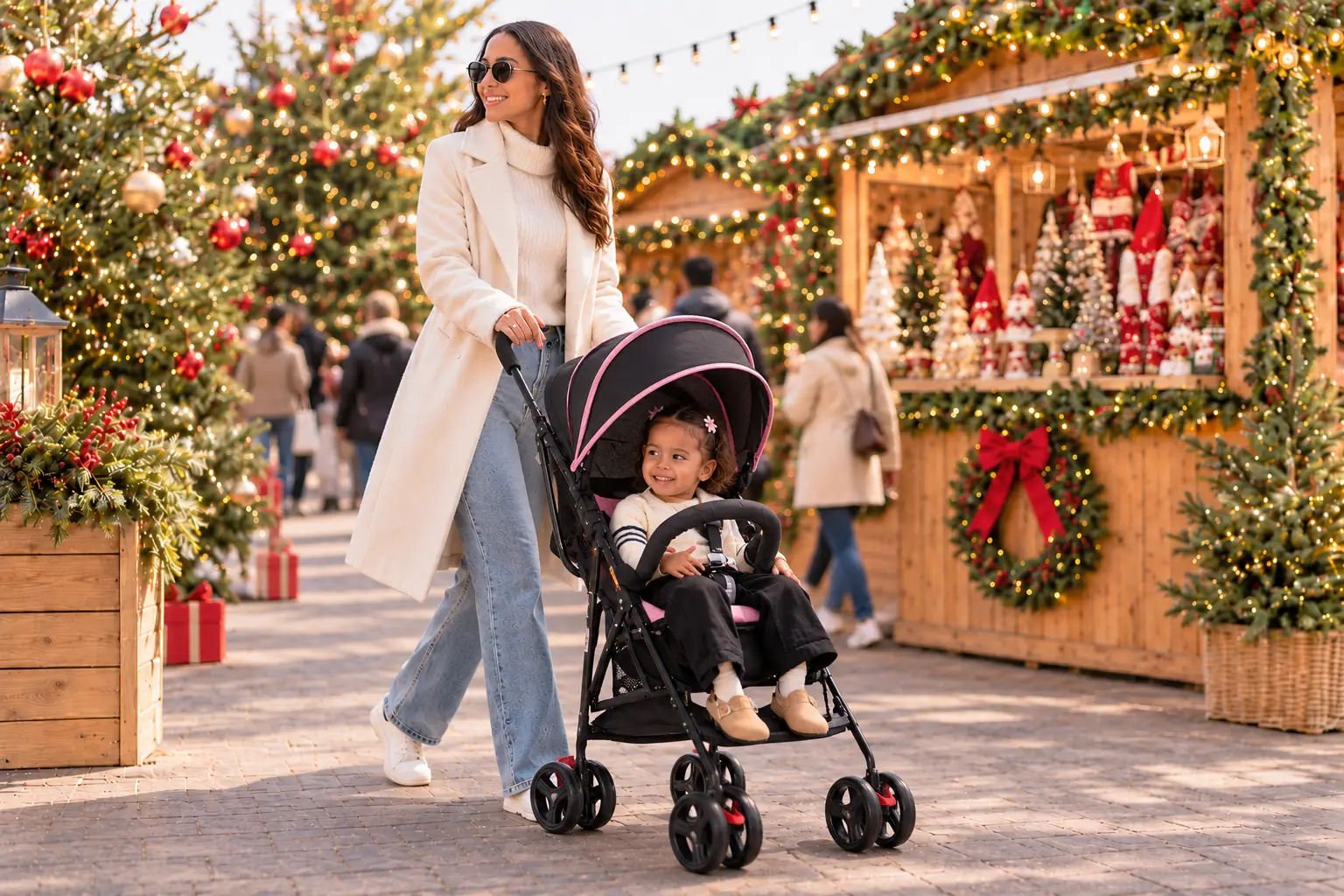
Chicago’s Christmas Markets With a Baby: What to Know Before You Go
Chicago’s Christmas markets are one of the city’s most festive traditions, and there’s no reason to skip them with a baby in tow. A little planning around timing, warmth, and getting around makes it easier to soak in the lights, music, and holiday spirit together.
Read more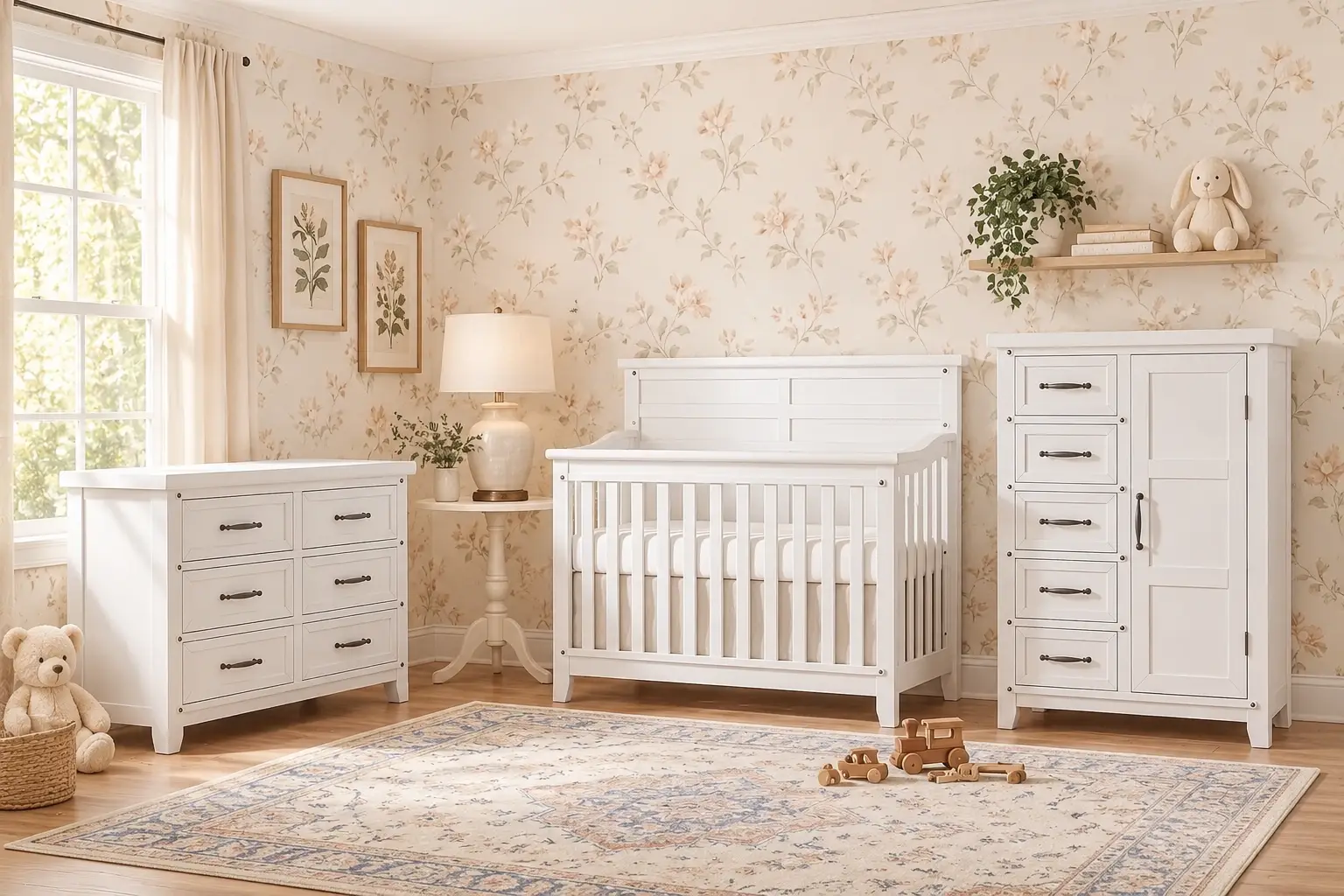
Design a Nursery That Works for Your Newborn and Your Toddler
The nursery you set up for a newborn won’t look the same a couple of years from now, and it doesn’t have to be redone from scratch either. With a few smart choices up front, you can create a space that adapts as your baby becomes a curious, on-the-move toddler.
Read more
A City-by-City Guide to Baby Gear: What Parents Need in NYC, LA & Chicago
Baby gear isn’t one-size-fits-all, especially when city life looks different from one place to another. From navigating NYC sidewalks and LA car trips to Chicago’s changing seasons, here’s what parents should consider when choosing gear for their city’s everyday routines
Read more
Baby’s First Holiday Season: Essentials for New Parents to Have on Hand
A baby’s first holiday season can feel exciting and overwhelming all at once. From everyday baby essentials to travel gear and thoughtful preparations for gatherings, here’s what new parents should have on hand to make the season more comfortable and manageable.
Read more
Rainy Fall Days in Seattle: Indoor Activities for Babies and Toddlers
Seattle's rainy fall days don't have to mean staying cooped up at home. From simple sensory play and cozy reading corners to baby-friendly outings, discover ways to keep babies and toddlers engaged when the weather keeps you indoors.
Read more
Best Baby Gear for Fall Walks in Chicago, Boston & New York
Fall walks in Chicago, Boston, and New York come with cooler temperatures, changing weather, busy sidewalks, and plenty of opportunities to get outside with your baby. From the right stroller to weather-ready accessories, here's the baby gear that can make city walks more comfortable and practical.
Read more
Baby Gear That Looks Safe but Isn’t: What Parents Should Watch For
Baby gear is designed to make parenting easier, but appearance alone doesn't tell you whether a product is safe. From sleep products and loungers to high chairs and changing gear, certain features can create risks that aren't immediately obvious. Here's what parents should look for before bringing baby gear into their home—and the warning signs that shouldn't be ignored.
Read more


