



Having a November Baby? Your First-Winter Checklist for New Parents
6 minute read
November 11, 2026
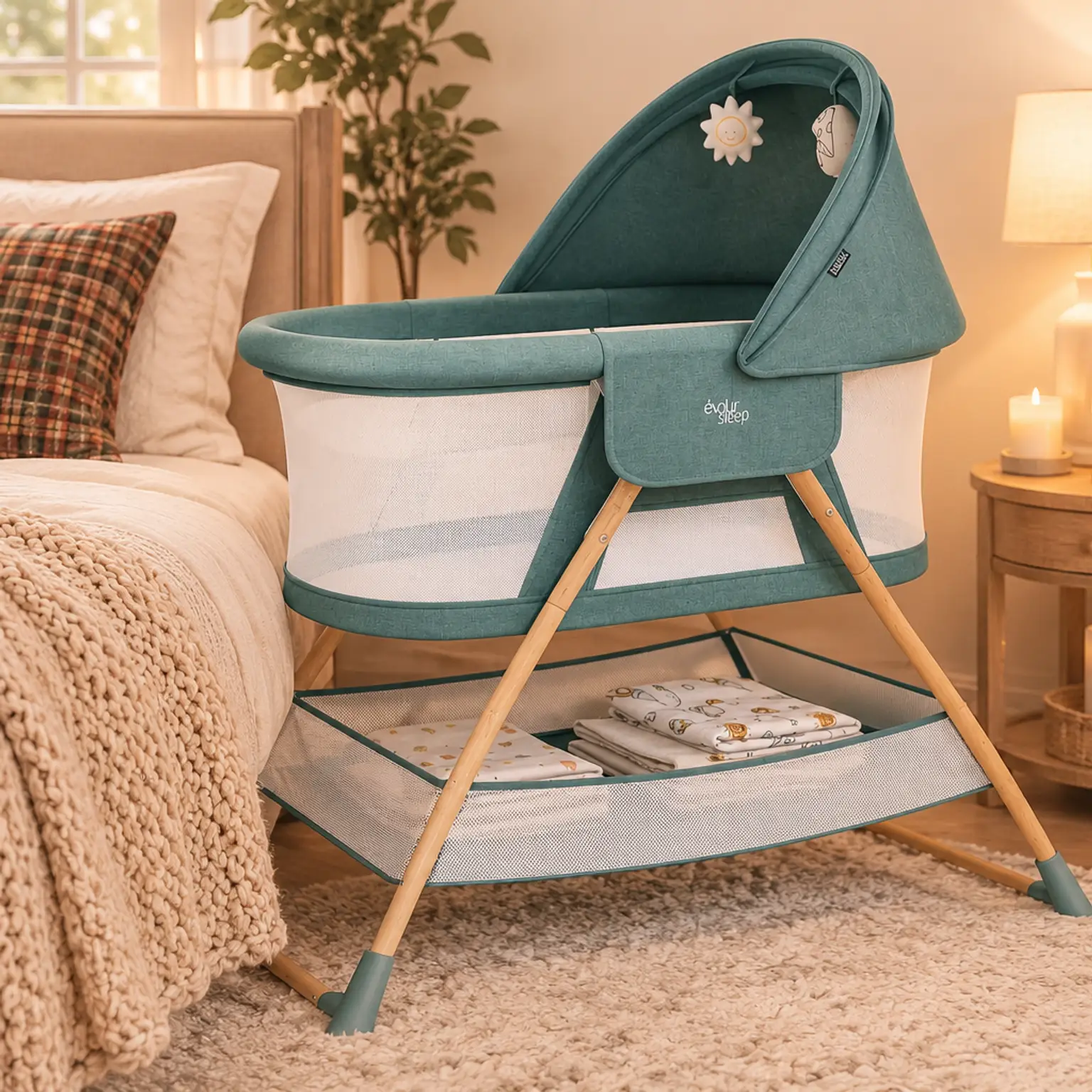
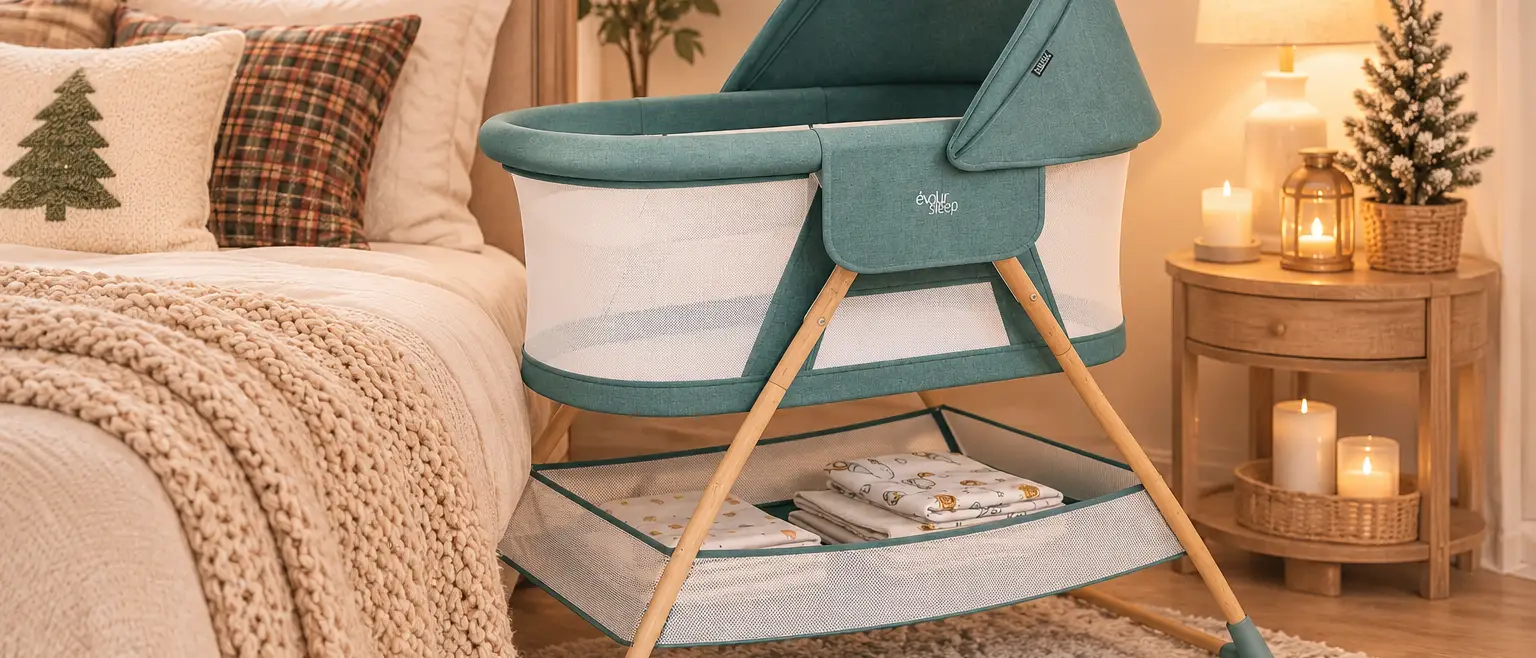
A November baby arrives just as the days get shorter and the air turns cold. That means your first weeks together will likely be spent cozied up at home, with plenty of snuggles, quiet mornings, and maybe a holiday or two along the way.
It also means a few extra things to think about. Keeping a newborn safe and comfortable in winter comes down to five essentials:
- Safe, cozy sleep without loose blankets
- A comfortable room temperature that avoids overheating
- Smart layering for indoors and outings
- Car seat safety without bulky coats
- Extra care during cold and flu season
This newborn winter checklist walks you through each one, so you can feel ready for your baby’s first season.
What Makes a Winter Newborn Different
A winter newborn’s first months are shaped by three things: colder weather, more time indoors, and cold and flu season.
Newborns can’t regulate their body temperature as well as adults, so dressing them correctly matters, both for keeping them warm and for avoiding overheating. Winter also brings dry indoor air from heating, bulky clothing that can interfere with car seat safety, and more circulating respiratory viruses like flu and RSV.
The good news is that a little preparation goes a long way. Most of what you need is simple, and much of it you may already have.
Keep Winter Sleep Safe and Cozy
The safest way to keep your baby warm at night is a wearable blanket, also called a sleep sack, instead of loose blankets.
It’s natural to want to bundle your baby up when it’s cold outside. But the AAP recommends keeping the sleep space completely clear of loose blankets, pillows, bumpers, and soft toys, because these increase the risk of suffocation and sleep-related deaths. That guidance doesn’t change in winter.
To keep winter sleep safe and cozy:
- Always place your baby on their back to sleep, on a firm, flat mattress with a fitted sheet
- Dress your baby in a sleep sack or wearable blanket over light pajamas
- Avoid weighted sleep sacks and blankets, which the AAP advises against
- Skip hats and head coverings during sleep, since babies release heat through their heads
- Keep the crib or bassinet away from windows, drafts, radiators, and space heaters
The AAP also recommends room-sharing without bed-sharing for at least the first six months. A bassinet beside your bed makes those frequent winter night feeds easier, without leaving the warmth of your room.
Set a Comfortable Nursery Temperature
Keep your baby’s room at a temperature that feels comfortable for a lightly dressed adult. Many pediatric sources suggest somewhere around 68–72°F.
Overheating is a bigger concern than cold for sleeping babies. To check if your baby is too warm, feel the back of their neck or their chest (hands and feet often feel cool, even when your baby is comfortable). Signs of overheating include:
- Sweating or damp hair
- Flushed cheeks
- Heat rash
- Rapid breathing
Consider a cool-mist humidifier. Winter heating can make indoor air dry, which may leave your baby with a stuffy nose or dry skin. The AAP recommends cool-mist humidifiers over warm-mist or steam models, which can cause burns. Clean it regularly according to the manufacturer’s instructions, and keep it and its cord out of reach and away from the crib.
Use heaters with care. Keep space heaters at least three feet away from the crib, bedding, and curtains, and never leave them running unattended. Make sure your smoke and carbon monoxide alarms are working before winter begins.
How to Dress Your Newborn for Cold Weather
The easiest rule to follow: dress your baby in one more layer than you’d wear to be comfortable in the same setting, as the AAP recommends.
Indoors: A onesie with footed pajamas, or a onesie with pants and socks, is usually enough. For sleep, add a sleep sack instead of a blanket.
Outings: Layer up with a onesie, a warm outfit, a jacket or snowsuit, a hat that covers the ears, mittens, and warm socks or booties. Remove extra layers once you’re indoors so your baby doesn’t overheat.
Hats and mittens are for outings, not sleep. Keep them on outside, but take them off before naps and bedtime.
Babywearing in winter: If you use a carrier, wear your coat over both of you or use a carrier cover. Keep your baby’s face visible and uncovered, and avoid over-bundling, since your body heat adds warmth.
Car Seat Safety in Winter
Never buckle your baby into a car seat while they’re wearing a bulky coat or snowsuit.
NHTSA and the AAP explain that puffy coats compress in a crash, leaving the harness too loose to protect your baby properly. Instead:
- Dress your baby in thin, warm layers, like a fleece outfit
- Buckle them in and tighten the harness snugly
- Do the pinch test: if you can pinch any excess harness strap at your baby’s shoulder, tighten it more
- Place a blanket or their coat over the buckled harness for warmth
- Avoid aftermarket inserts or padding that go behind or under your baby and didn’t come with the car seat
A few more winter travel tips:
- Warm up the car before heading out when you can
- Keep the infant car seat inside between trips so it isn’t ice-cold
- Pack a winter emergency kit with blankets, extra clothes, diapers, and snacks for you
- Never leave your baby alone in the car, even for a quick stop
Protect Your Baby During Cold and Flu Season
Newborns are especially vulnerable to respiratory illnesses like flu and RSV, which tend to peak in fall and winter. A few habits can help protect your baby:
Make hand washing a house rule. Ask everyone to wash their hands before holding your baby, including family and close friends.
Limit sick visitors. It’s okay to ask anyone with a cold, cough, or fever to wait until they’re feeling better. Your baby’s health comes first.
Avoid crowded indoor spaces when you can, especially in the first couple of months.
Talk to your pediatrician about vaccines and RSV protection. The CDC (https://www.cdc.gov/rsv/hcp/vaccine-clinical-guidance/infants-young-children.html)recommends ways to protect infants from RSV, including an RSV vaccine during pregnancy or an RSV antibody product for your baby. Babies can’t get a flu vaccine until 6 months old, so it’s also worth asking which vaccines are recommended for parents, caregivers, and other household members.
Know when to call the doctor. The AAP (https://www.healthychildren.org/English/safety-prevention/at-play/Pages/Winter-Safety.aspx)advises calling your pediatrician right away if your baby is under 3 months and has a temperature of 100.4°F (38°C) or higher. Seek care promptly if your baby has trouble breathing, is feeding poorly, or seems unusually sleepy or fussy.
Your First-Winter Checklist
Save this list to prepare for your November baby’s first winter:
Sleep
- Crib or bassinet (https://everandeverbaby.com/collections/bassinets-bedside-sleepers)with a firm, flat mattress and fitted sheet
- Sleep sacks or wearable blankets (no loose blankets)
- Sleep space away from windows, drafts, and heaters
Home
- Room temperature comfortable for a lightly dressed adult
- Cool-mist humidifier, cleaned regularly
- Smoke and carbon monoxide alarms tested
- Space heaters at least three feet from the crib and bedding
- A cozy feeding spot with a comfortable glider (https://everandeverbaby.com/collections/gliders-ottomans)
Clothing
- Onesies, footed pajamas, and socks
- Warm outer layer or snowsuit for outings
- Hat, mittens, and booties for outdoors
- Thin, warm layers for car seat rides
Travel
- Properly installed rear-facing car seat
- Blanket for over the buckled harness
- Winter emergency kit in the car
- Carrier cover for babywearing
Health
- Pediatrician’s number saved
- Infant thermometer
- Conversation with your pediatrician about RSV protection and household vaccines
- Hand sanitizer by the door for visitors
FAQs
How should I dress my newborn for sleep in winter? Dress your baby in light pajamas and a sleep sack or wearable blanket instead of loose blankets. Skip hats during sleep, and check the back of your baby’s neck or chest to make sure they’re warm but not sweaty or overheated.
What temperature should a baby’s room be in winter? Keep the room at a temperature that feels comfortable for a lightly dressed adult. Many pediatric sources suggest around 68–72°F. Avoid overheating, and watch for signs like sweating, damp hair, or flushed cheeks.
Can my baby wear a winter coat in the car seat? No. Bulky coats and snowsuits can leave car seat harness straps too loose to protect your baby in a crash. Dress your baby in thin layers, buckle the harness snugly, then place a blanket or coat over the buckled straps.
Is it safe to take a newborn outside in winter? Yes, short outings are fine when your baby is dressed warmly, with a hat, mittens, and an extra layer. Keep trips brief in very cold weather, and avoid crowded indoor places when you can, especially in the first couple of months.
How can I protect my newborn from cold and flu season? Ask visitors to wash their hands, limit contact with anyone who’s sick, and avoid crowds when possible. Talk to your pediatrician about RSV protection and which vaccines are recommended for your household, and call right away for a fever of 100.4°F or higher in babies under 3 months.
Wrapping Up
Having a November baby means your first season together will be a cozy one, full of warm layers, quiet nights, and lots of time at home.
With a safe sleep space, smart layering, careful car seat habits, and a little extra care during cold and flu season, you’ll be ready for whatever winter brings.
Use this newborn winter checklist as your guide, then slow down and enjoy those snuggly first months. Winter babies have a way of making the coldest season feel like the warmest one.
Suggested For You
Nursery Bundle or Buy It Piece by Piece? How to Get More for Your Budget
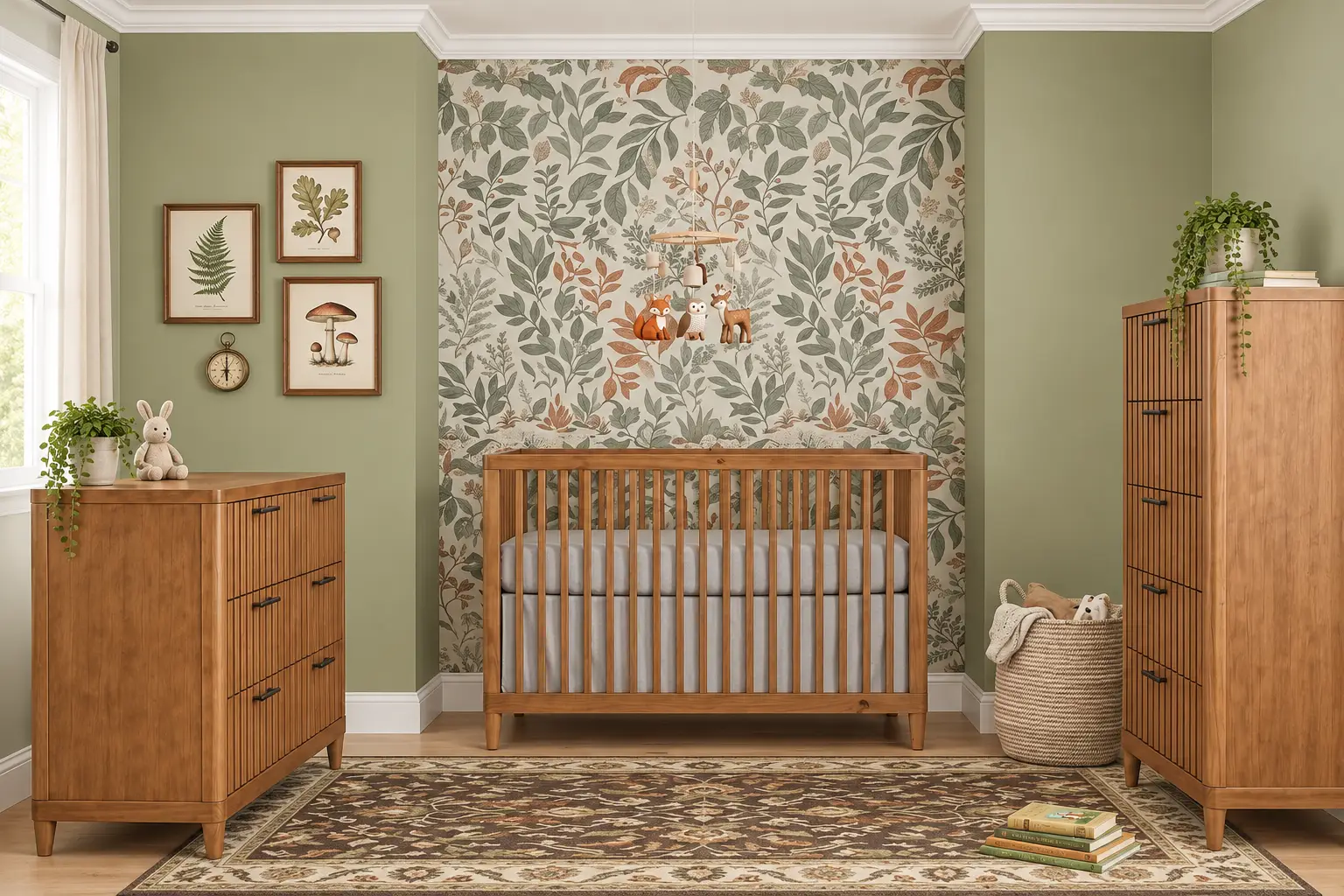
Setting up a nursery comes with plenty of decisions, and how you buy can matter just as much as what you buy. Whether a bundle or a piece-by-piece approach works better depends on your budget, your space, and how long you want your furniture to last.
Read more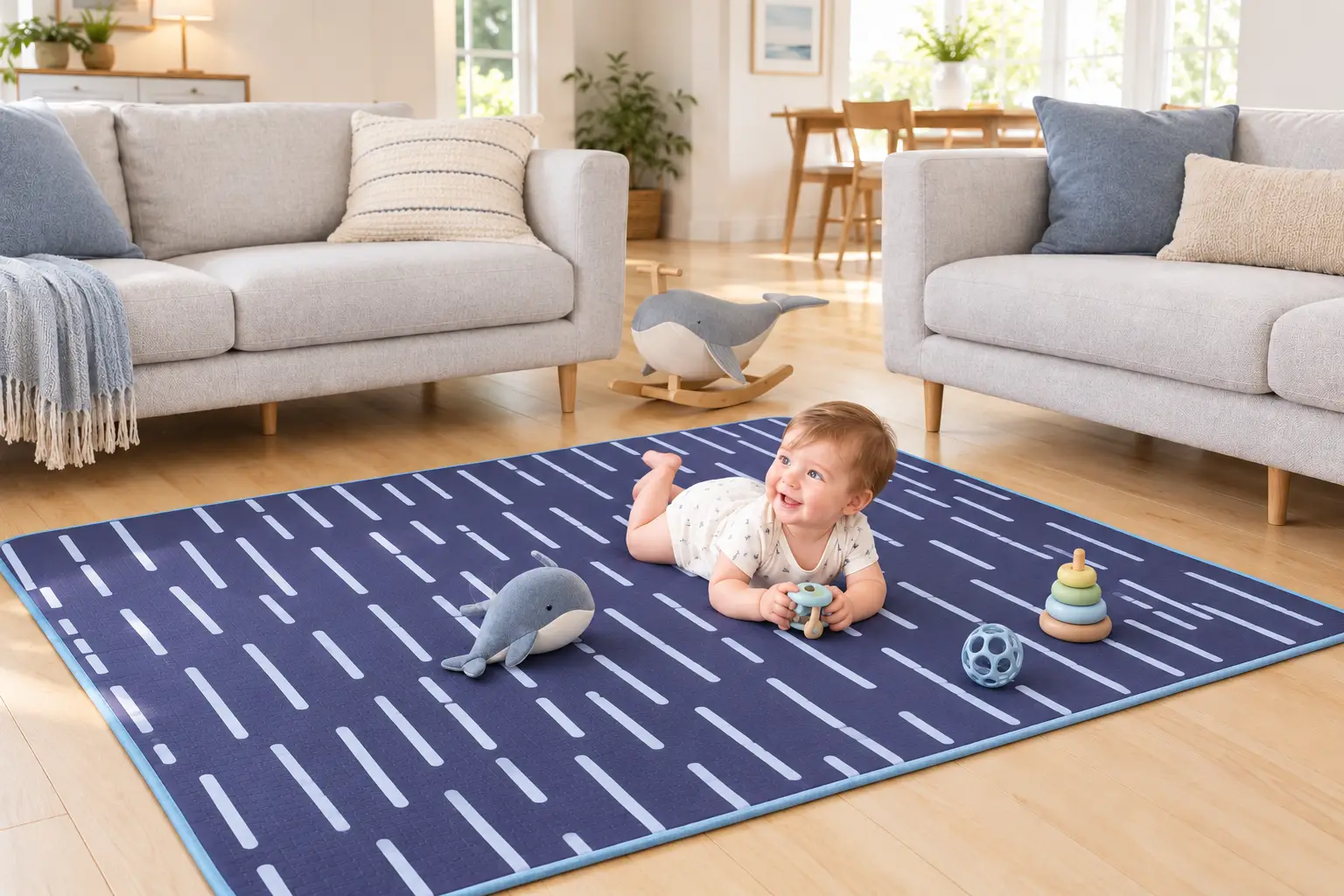
Babyproofing Before Baby Crawls: What to Change Around Your Home
Your baby may not be crawling yet, but that stage arrives quickly. From outlets and cabinets to cords, furniture, stairs, and everyday household items, here’s what to change around your home before your baby starts exploring on the move.
Read more
How to Create a Baby-Friendly Halloween at Home
Halloween with a baby doesn't have to mean trick-or-treating or elaborate costumes. From cozy decorations and simple sensory activities to first-Halloween photo moments, discover easy ways to make the holiday fun, festive, and comfortable for your little one.
Read more
How to Choose the Right Playard for Your Baby and Home
Choosing the right playard depends on more than size and style. Learn what to consider, from portability and space to safety features and everyday functionality, to find a playard that works for your baby and your home.
Read more
California Car Seat Laws: What LA Parents Need to Know in 2026
Driving with a baby or young child in Los Angeles comes with its own set of challenges, from packed freeways to frequent short trips across the city. California's child passenger safety laws spell out when children need rear-facing seats, car seats, boosters, and seat belts—but knowing the law is only part of keeping little passengers safe. Here's what LA parents need to know about California's current car seat requirements and how to make safer choices as their child grows
Read more
9 Car-Seat Checks Before Your First Fall Road Trip
Car-seat safety can feel straightforward until small details start adding up. A harness that's slightly too loose, a seat that's not installed as securely as it should be, or moving to the next stage too soon can all affect how well a car seat protects your child. This Child Passenger Safety Week, here's a practical look at five mistakes parents may not realize they're making—and what to check before your next drive
Read more


