



Nursery Bundle or Buy It Piece by Piece? How to Get More for Your Budget
4–5 minute read
November 3, 2026
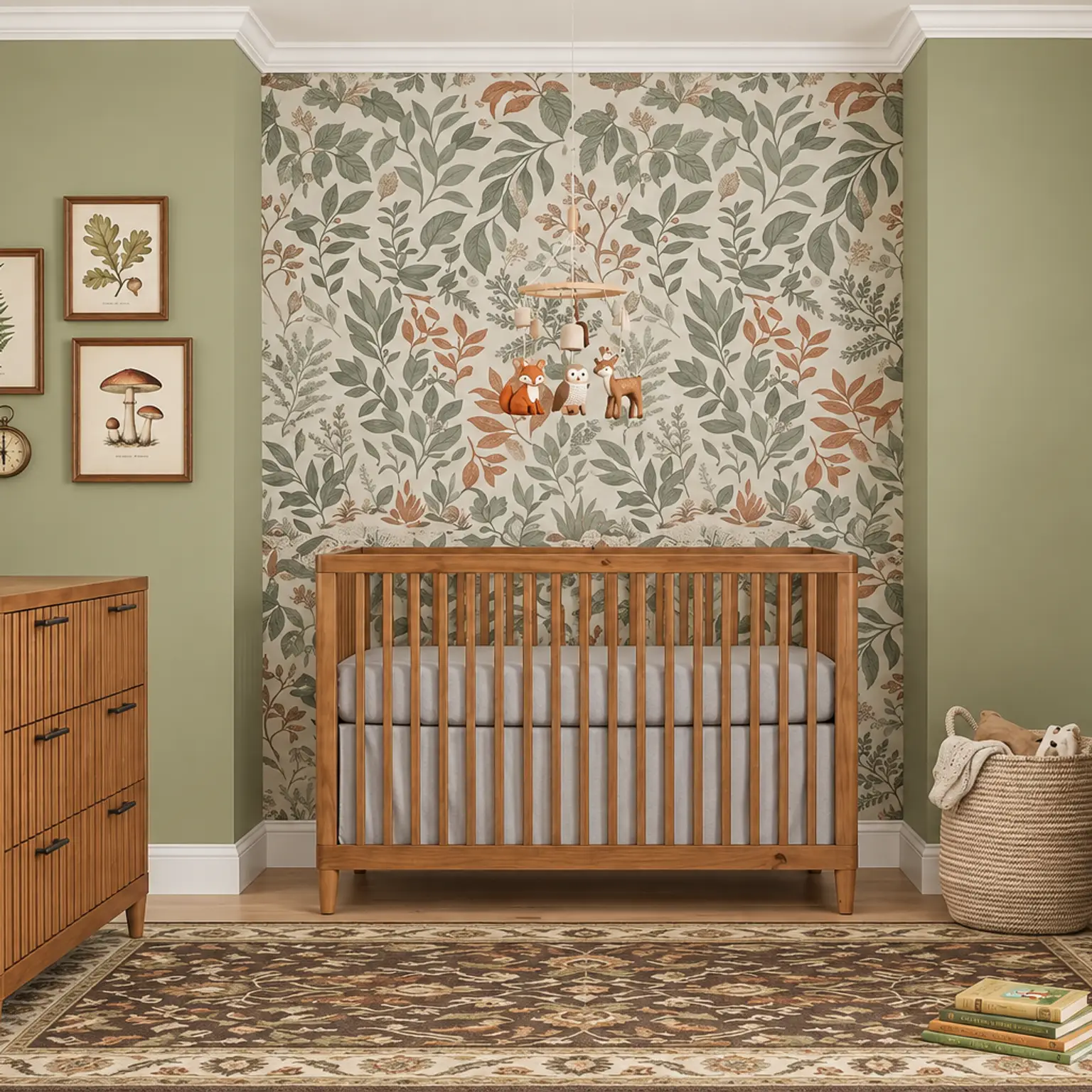
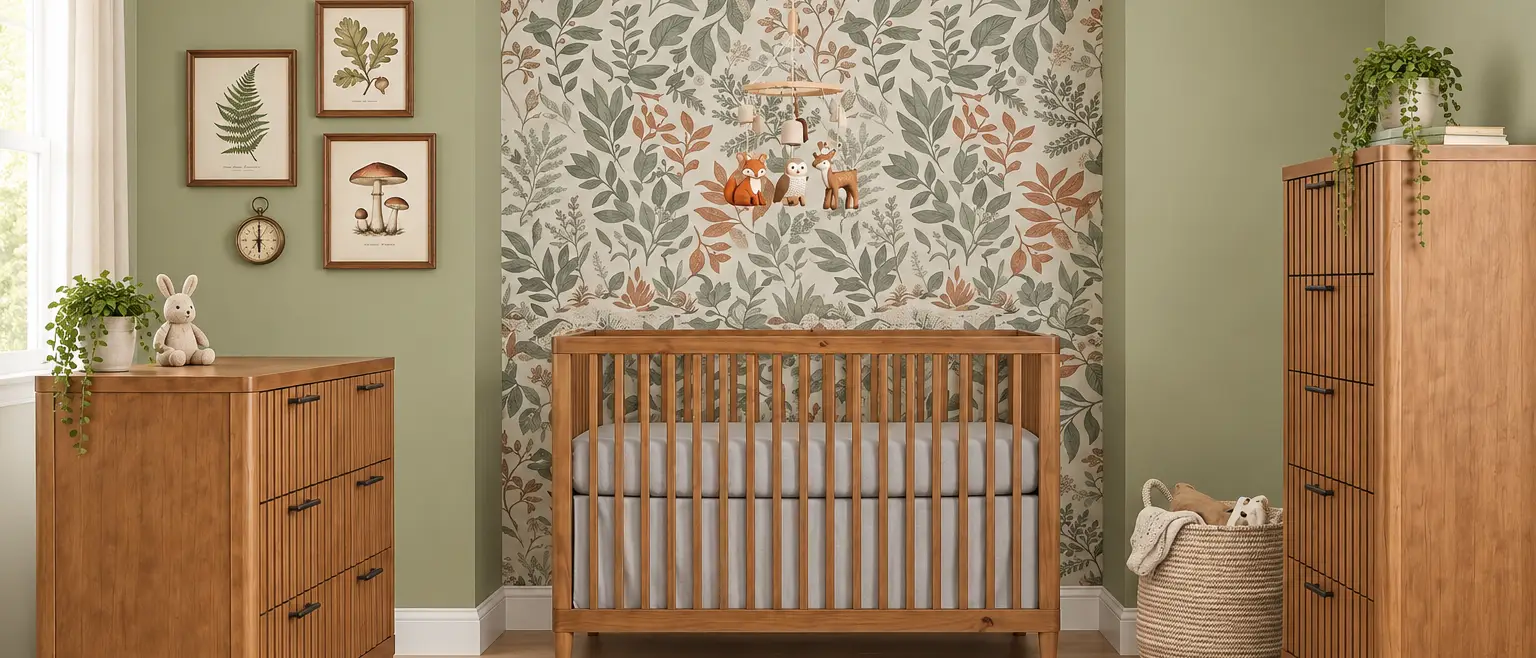
When you start planning a nursery, it doesn’t take long to realize how many decisions there are. Which crib? What kind of dresser? Do you need a changing table, or can the dresser do double duty?
Before you get to those questions, there’s a bigger one worth asking: should you buy a nursery bundle, or shop for each piece on its own?
There’s no single right answer. The best choice depends on your budget, your timeline, your space, and how long you want your furniture to last. Here’s how to decide.
What’s Usually Included in a Nursery Bundle?
A nursery bundle (https://everandeverbaby.com/bundle) (also called a nursery furniture set) groups coordinating pieces together so you can buy them in one go. While every set is different, bundles often include some combination of:
- A crib, often a convertible crib
- A dresser
- A changing table or changing topper
- A crib mattress
- Occasionally, a glider, bookcase, or nightstand
Some sets are designed around a matching finish and style, while others pair essentials like a crib and mattress to make setup easier.
The Case for Nursery Bundles
- Potential cost savings: Bundles are often priced lower than buying the same pieces individually, which can make them a smart way to stretch your budget, especially if you need most of the pieces anyway.
- A coordinated look: Pieces in a set are designed to go together, with matching finishes, hardware, and design details. That makes it easy to create a polished, cohesive nursery without hunting for pieces that match.
- Fewer decisions: With so much to plan before your baby arrives, having one less thing to research can be a relief. A bundle lets you check several big items off your list at once.
- Simpler delivery and setup: Pieces often arrive together, so you can set up the whole room in one go.
The Case for Buying Piece by Piece
- More flexibility: Shopping piece by piece lets you choose exactly what you want, from a crib you love to a dresser that fits your space perfectly. You can mix finishes, materials, and brands to create a look that feels more personal.
- Spreading costs over time: Not every piece needs to be ready on day one. Many parents start with the essentials, like a safe sleep space, and add a dresser, glider, or bookcase later.
- Buying only what you need: If you already have a dresser you love, or plan to use a changing topper instead of a separate changing table, buying individually means you’re not paying for pieces you won’t use.
- Better fit for unique spaces: If your nursery is small, oddly shaped, or doubles as a guest room or office, you can choose pieces that fit your exact measurements.
Bundle vs. Piece by Piece: A Quick Comparison
Nursery Bundle
Piece by Piece
Cost
Often lower overall when you need most of the pieces
Can cost more per piece, but you only pay for what you need
Style
Coordinated, matching look
More personal, mix-and-match look
Flexibility
Less choice in individual pieces
Full control over every piece
Timeline
Everything at once
Buy now or spread out over time
Space
Best for rooms that fit the full set
Easier to tailor to small or unusual spaces
How to Get the Most Value Either Way
Whichever route you choose, a few smart moves can help you get more from your budget.
Prioritize the crib and mattress. Your baby’s sleep space is the most important part of the nursery. Choose a crib (https://everandeverbaby.com/collections/cribs-cradles)that meets current federal safety standards. CPSC (https://www.cpsc.gov/Newsroom/News-Releases/2012/CPSC-Sets-Crib-Safety-Standards)has required full-size cribs sold in the U.S. to meet stricter safety standards since 2011, so be cautious with older or secondhand cribs. Pair it with a firm, flat mattress that fits snugly: if you can fit more than two fingers between the mattress and the crib frame, the fit isn’t right.
Choose convertible pieces. A convertible crib that transitions into a toddler bed and beyond, or a dresser with a removable changing topper, can keep working long after the baby stage. That’s one of the best ways to get long-term value from your furniture.
Measure your space first. Before you buy, measure the room, including doorways, windows, and outlets. Make sure you’ll have enough space for the crib to sit away from windows and cords, and room to move comfortably around each piece.
Plan to anchor furniture. Dressers, bookcases, and other tall furniture should be anchored to the wall. CPSC’s Anchor It! campaign warns that furniture tip-overs can seriously injure young children, so factor anti-tip kits into your setup.
Explore the Ever & Ever Cribs & Cradles Collection (including convertible cribs), Dressers & Changing Tables Collection, and Mattresses Collection to find pieces that offer long-term value.
Which Option Is Right for You?
Here’s a simple way to think about it:
A bundle may be right for you if:
- You need most of the main nursery pieces
- You love a coordinated, matching look
- You’d like fewer decisions to make
- Your nursery has room for a full set
Buying piece by piece may be right for you if:
- You already have some furniture you plan to use
- You’d like to spread costs out over time
- You want a more personal, mix-and-match style
- Your space is small or has an unusual layout
And remember, you can also do a bit of both. Some parents start with a crib-and-mattress bundle, then add coordinating pieces over time.
Once the furniture is in place, check out The Fourth Trimester Home on the Ever & Ever Blog for tips on setting up a space that makes newborn life easier.
FAQs
Is it cheaper to buy a nursery furniture set? Often, yes, if you need most of the pieces in the set. Bundles are frequently priced lower than buying each item separately. But if you only need one or two pieces, buying individually may cost less overall.
What nursery furniture do I actually need? The essentials are a safe crib or bassinet with a firm, flat, well-fitting mattress, and somewhere to store clothes and supplies. A changing area and a comfortable chair for feeding are helpful but can be added over time.
Can I mix and match nursery furniture brands? Absolutely. Mixing brands lets you create a more personal look. To keep the room cohesive, stick to a consistent color palette and pair finishes that complement each other.
Should I buy all my nursery furniture at once? Not necessarily. Many parents start with a safe sleep space and add other pieces as they go. If you’re buying a bundle, though, purchasing it at once can help you take advantage of set pricing.
Wrapping Up
There’s no one-size-fits-all way to furnish a nursery. A bundle can offer savings, simplicity, and a coordinated look, while buying piece by piece gives you flexibility and control.
Whichever you choose, focus on what matters most: a safe crib and mattress, furniture that fits your space, and pieces that will grow with your family.
A beautiful nursery doesn’t come from spending the most. It comes from choosing what works for your budget, your home, and your little one.
Suggested For You
Babyproofing Before Baby Crawls: What to Change Around Your Home
Your baby may not be crawling yet, but that stage arrives quickly. From outlets and cabinets to cords, furniture, stairs, and everyday household items, here’s what to change around your home before your baby starts exploring on the move.
Read more
How to Create a Baby-Friendly Halloween at Home
Halloween with a baby doesn't have to mean trick-or-treating or elaborate costumes. From cozy decorations and simple sensory activities to first-Halloween photo moments, discover easy ways to make the holiday fun, festive, and comfortable for your little one.
Read more
How to Choose the Right Playard for Your Baby and Home
Choosing the right playard depends on more than size and style. Learn what to consider, from portability and space to safety features and everyday functionality, to find a playard that works for your baby and your home.
Read more
California Car Seat Laws: What LA Parents Need to Know in 2026
Driving with a baby or young child in Los Angeles comes with its own set of challenges, from packed freeways to frequent short trips across the city. California's child passenger safety laws spell out when children need rear-facing seats, car seats, boosters, and seat belts—but knowing the law is only part of keeping little passengers safe. Here's what LA parents need to know about California's current car seat requirements and how to make safer choices as their child grows
Read more
9 Car-Seat Checks Before Your First Fall Road Trip
Car-seat safety can feel straightforward until small details start adding up. A harness that's slightly too loose, a seat that's not installed as securely as it should be, or moving to the next stage too soon can all affect how well a car seat protects your child. This Child Passenger Safety Week, here's a practical look at five mistakes parents may not realize they're making—and what to check before your next drive
Read more
The First-Time Parent Classes in Boston That Are Actually Worth Your Saturday Morning
Boston has no shortage of classes for expecting parents, but not every Saturday workshop is worth giving up your weekend for. From childbirth preparation and newborn care to breastfeeding and infant CPR, here’s how to find the classes that offer genuinely useful skills and information for first-time parents.
Read more
Parents' Day 2026: The Baby Gear That Does the Heavy Lifting for Both of You
The best baby gear doesn't just support your baby, it supports both parents. This Parents Day 2026, discover practical products that encourage teamwork, simplify everyday routines, and help new families navigate parenthood together with greater confidence.
Read more


