



Babyproofing Before Baby Crawls: What to Change Around Your Home
5–6 minute read
October 27, 2026


One day your baby is happily staying wherever you set them down. The next, they’re rolling across the room, scooting toward the bookshelf, or reaching for a cord you didn’t even notice was there.
Crawling can seem to happen overnight, which is why it helps to babyproof before your baby becomes mobile. Getting ahead of it means you’re not rushing to cover outlets or install gates once your little one is already on the move.
Babyproofing doesn’t mean turning your home into a padded room. It means spotting the biggest hazards early and making a few smart changes so your baby can explore more safely.
When Should You Start Babyproofing Your Home?
Many babies begin crawling somewhere between 6 and 10 months, though every baby develops at their own pace. Some scoot, some roll, and some skip crawling altogether and go straight to pulling up.
A good rule of thumb is to start babyproofing a little before your baby turns 6 months, or as soon as you notice them rolling, pivoting, or getting up on their hands and knees. Starting early gives you time to tackle bigger projects, like anchoring furniture or installing gates, without feeling rushed.
One of the best ways to begin is to get down on your hands and knees and look at each room from your baby’s eye level. You’ll quickly spot things you’d never notice standing up: dangling cords, low cabinets, small objects under the couch, and outlets within easy reach.
Start With the Biggest Babyproofing Priorities
You don’t have to do everything at once. Start with the hazards that pose the most serious risks, then work your way through the rest of your home.
Secure Furniture and TVs
Furniture and TV tip-overs are among the most serious hidden hazards in the home. CPSC (https://www.cpsc.gov/Newsroom/News-Releases/2025/CPSC-AnchorIt-Campaign-Marks-10-Years-Fewer-Furniture-Tip-Overs-Lead-to-Safer-American-Households)warns that dressers, bookcases, and TVs can tip over onto young children, especially once they start pulling up and climbing.
- Anchor dressers, bookcases, and other tall or heavy furniture to the wall with anti-tip kits
- Mount flat-screen TVs to the wall, or anchor them securely to a sturdy, low base
- Keep heavy items on lower shelves and drawers
- Avoid placing toys or tempting items on top of furniture where babies may try to reach them
Do this even if your baby isn’t climbing yet. It’s one of the most important steps you can take.
Cover Outlets and Manage Cords
Babies are naturally curious about small openings and anything they can pull.
- Use sliding outlet covers or tamper-resistant outlets on any outlet within your baby’s reach
- Bundle, shorten, or hide electrical cords behind furniture or with cord covers
- Unplug and put away chargers and small appliances when they’re not in use
- Keep lamps and other plugged-in items where they can’t be pulled down
Secure Cabinets, Drawers & Doors
Low cabinets and drawers are some of the first places a crawling baby will explore.
- Install safety latches or locks on cabinets and drawers that hold anything unsafe
- Move cleaning products, medications, and other household chemicals to high, locked storage
- Use door knob covers or door locks to keep your baby out of rooms that aren’t babyproofed, like bathrooms, laundry rooms, and home offices
- Consider finger-pinch guards on doors that close easily
Save the Poison Control number (1-800-222-1222) in your phone and post it somewhere visible at home.
Check Stairs, Windows & Other Fall Risks
Falls are a common cause of injury for young children, so it’s worth addressing fall risks early.
- Install safety gates at the top and bottom of stairs. Use hardware-mounted gates at the top of stairs, since pressure-mounted gates can be pushed out of place.
- Remember that window screens are designed to keep bugs out, not to keep children in. Install window guards or window stops that keep windows from opening more than 4 inches, as CPSC recommends.
- Move cribs, chairs, and other furniture away from windows so babies can’t climb up to them
- Never leave your baby unattended on a changing table, bed, couch, or other raised surface
Babyproof Each Room of Your Home
Once you’ve handled the big priorities, go room by room.
Nursery:
- Keep the crib clear of pillows, bumpers, blankets, and soft toys, as the AAP recommends
- Lower the crib mattress before your baby can sit up or pull to stand
- Keep the crib away from windows, blind cords, and wall décor
- Anchor dressers and keep diaper creams and supplies out of reach
Living Room:
- Anchor TVs, bookcases, and media units
- Add corner guards to sharp table edges if needed
- Secure cords from lamps, TVs, and electronics
- Keep remotes, which often contain batteries, out of reach
Kitchen:
- Latch low cabinets, especially ones with cleaning supplies
- Use the back burners and turn pot handles toward the back of the stove
- Keep knives, appliances, and hot liquids away from counter edges
- Keep dishwasher pods and detergents locked up
Bathroom:
- Install toilet locks and keep the bathroom door closed
- Store medications, razors, and toiletries up high and locked
- Never leave your baby alone in the bath, even for a moment
- Set your water heater to 120°F or lower, as the AAP recommends, to help prevent scalds
Bedrooms:
- Check under beds and nightstands for small objects, coins, and chargers
- Keep medications, cosmetics, and purses out of reach
- Anchor dressers and wardrobes
Don’t Forget the Small Details
Some of the most serious hazards are also the easiest to overlook.
- Small objects: Coins, buttons, hair ties, and small toy pieces can be choking hazards. A simple tip: if it fits through a toilet paper tube, it’s too small for your baby to have.
- Button batteries: Found in remotes, key fobs, thermometers, and toys, these can cause serious internal injuries if swallowed. Keep battery compartments secured and spare batteries locked away.
- Magnets: CPSC warns that small, high-powered magnets can cause serious injuries if swallowed. Keep them out of the house or well out of reach.
- Blind cords: CPSC recommends cordless window coverings in homes with young children, since window cords are a strangulation hazard.
- Tablecloths: Babies can pull on tablecloths and bring down hot food, drinks, or heavy objects. Consider placemats instead.
- Hot liquids: Avoid holding hot coffee or tea while holding your baby, and keep hot drinks away from table edges.
- Household products: Laundry and dishwasher pods, cleaners, alcohol, and personal care products should be stored up high and locked.
- Plants: Keep houseplants out of reach, since some can be harmful if eaten.
- Water: Empty buckets, tubs, and kiddie pools right after use. Young children can drown in even a small amount of water.
Also check that your smoke and carbon monoxide alarms are installed and working.
Create a Safe Space for Baby to Explore
Babyproofing your whole home is important, but it also helps to have one dedicated space where your baby can play and practice new skills while you take care of everyday tasks nearby.
A playard or a designated floor-play area can give your baby a contained space to roll, scoot, crawl, and explore age-appropriate toys. Keep it simple: a few safe toys, board books, and a soft, washable play mat for floor play.
If you use a playard, follow the manufacturer’s instructions, use only the mattress it comes with, and keep extra pillows and blankets out of it. Always supervise your baby during play, even in a contained space.
Explore the Ever & Ever Playards Collection for a safe, comfortable space where your baby can play and explore. You can also browse the Ever & Ever Baby Safety Collection and Nursery Collection for products that support a safer home.
Babyproofing Is an Ongoing Process
Babyproofing isn’t a one-time project. As your baby grows, they’ll reach new heights, literally.
Once your baby starts crawling, they’ll explore everything at floor level. When they pull up to stand, tabletops, shelves, and countertops come within reach. Once they start cruising and walking, they’ll be able to climb, open doors, and get into places you thought were safely out of the way.
Plan to recheck your home every few months, or whenever your baby reaches a new milestone. Get back down on the floor, look around, and adjust as needed. It also helps to lower the crib mattress again when your baby starts pulling up to stand.
Your Before-Baby-Crawls Babyproofing Checklist
Work through this list before your baby becomes mobile:
- Anchor dressers, bookcases, and TVs
- Cover outlets within reach
- Secure and hide electrical cords
- Install cabinet and drawer latches
- Move cleaners and medications to high, locked storage
- Install hardware-mounted gates at the top of stairs and gates at the bottom
- Add window guards or stops, and move furniture away from windows
- Switch to cordless window coverings
- Install toilet locks and keep bathroom doors closed
- Set the water heater to 120°F or lower
- Remove small objects, button batteries, and magnets from reach
- Replace tablecloths with placemats
- Keep hot liquids away from table and counter edges
- Lower the crib mattress before baby sits up
- Test smoke and carbon monoxide alarms
- Save Poison Control (1-800-222-1222) in your phone
- Set up a safe play space for supervised exploration
FAQs
When should I start babyproofing my home? It’s a good idea to start before your baby turns 6 months, or as soon as they begin rolling, scooting, or getting up on their hands and knees. Starting early gives you time to handle bigger projects before your baby is on the move.
What should I babyproof first? Start with the most serious hazards: anchor furniture and TVs, cover outlets, secure cords, install cabinet latches, lock up cleaners and medications, and add gates at stairs.
What are the most common babyproofing hazards? Common hazards include furniture tip-overs, stairs and windows, electrical outlets, cords, small objects, button batteries, magnets, household chemicals, hot liquids, and water.
Do I need to babyproof every room? Focus first on the rooms your baby will spend time in, like the nursery, living room, and kitchen. For rooms that are harder to babyproof, keep doors closed or use gates to keep your baby out.
How often should I check my babyproofing? Recheck your home every few months and whenever your baby reaches a new milestone, like crawling, pulling up, cruising, or walking.
What should I remove before my baby starts crawling? Remove or move small objects, button batteries, magnets, cords, breakable items, household chemicals, medications, and anything heavy or easy to pull down from your baby’s reach.
Wrapping Up
Babyproofing before your baby crawls is one of the best ways to get ahead of this busy, exciting stage.
Start with the biggest hazards, work through your home room by room, and give your baby a safe space to practice their new skills. Then keep checking and adjusting as they grow.
You don’t need to remove every possible risk to create a safer home. A few thoughtful changes now can help your little one explore with confidence, and help you enjoy watching them discover the world on their own terms.
Suggested For You

How to Create a Baby-Friendly Halloween at Home
Halloween with a baby doesn't have to mean trick-or-treating or elaborate costumes. From cozy decorations and simple sensory activities to first-Halloween photo moments, discover easy ways to make the holiday fun, festive, and comfortable for your little one.
Read more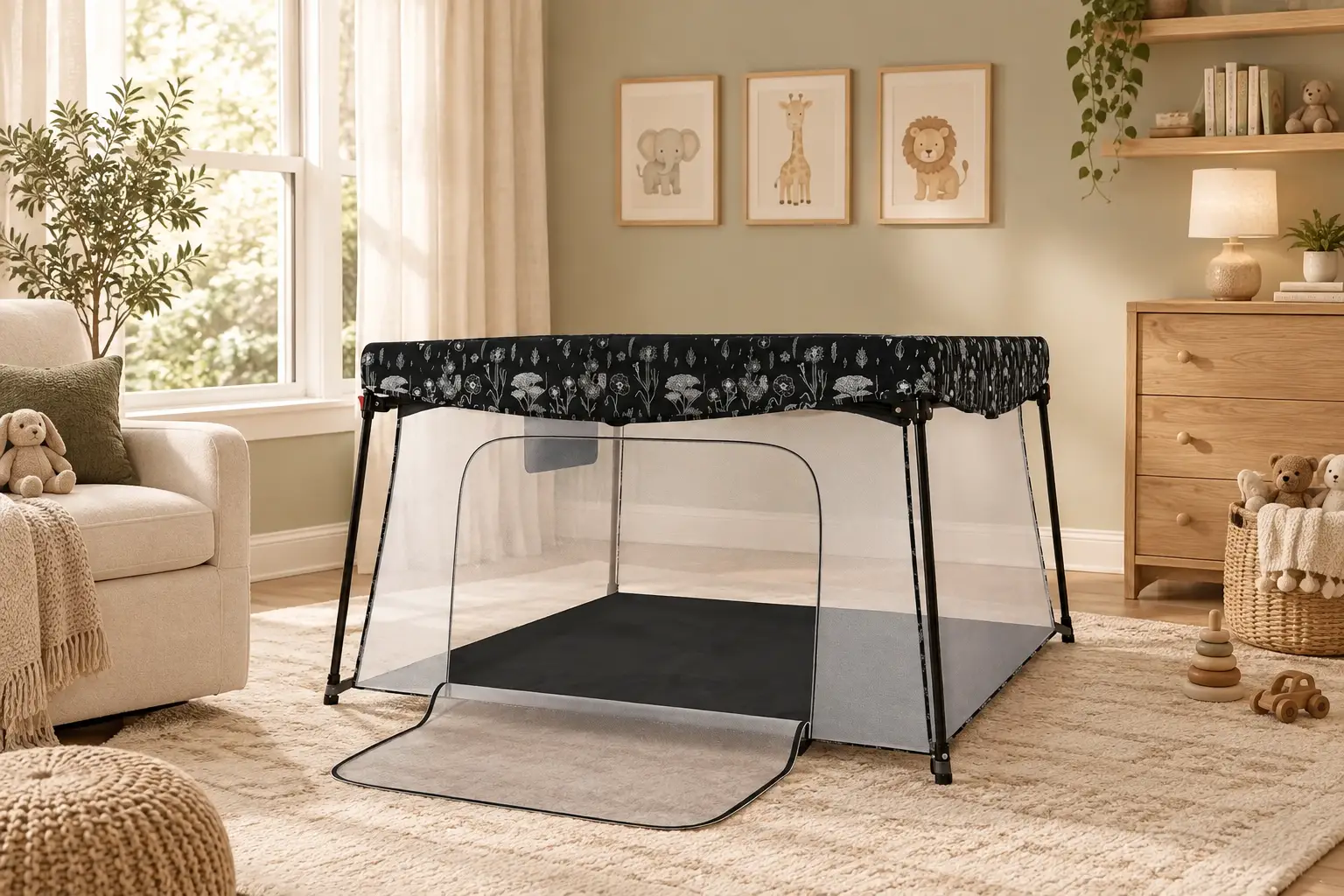
How to Choose the Right Playard for Your Baby and Home
Choosing the right playard depends on more than size and style. Learn what to consider, from portability and space to safety features and everyday functionality, to find a playard that works for your baby and your home.
Read more
California Car Seat Laws: What LA Parents Need to Know in 2026
Driving with a baby or young child in Los Angeles comes with its own set of challenges, from packed freeways to frequent short trips across the city. California's child passenger safety laws spell out when children need rear-facing seats, car seats, boosters, and seat belts—but knowing the law is only part of keeping little passengers safe. Here's what LA parents need to know about California's current car seat requirements and how to make safer choices as their child grows
Read more
9 Car-Seat Checks Before Your First Fall Road Trip
Car-seat safety can feel straightforward until small details start adding up. A harness that's slightly too loose, a seat that's not installed as securely as it should be, or moving to the next stage too soon can all affect how well a car seat protects your child. This Child Passenger Safety Week, here's a practical look at five mistakes parents may not realize they're making—and what to check before your next drive
Read more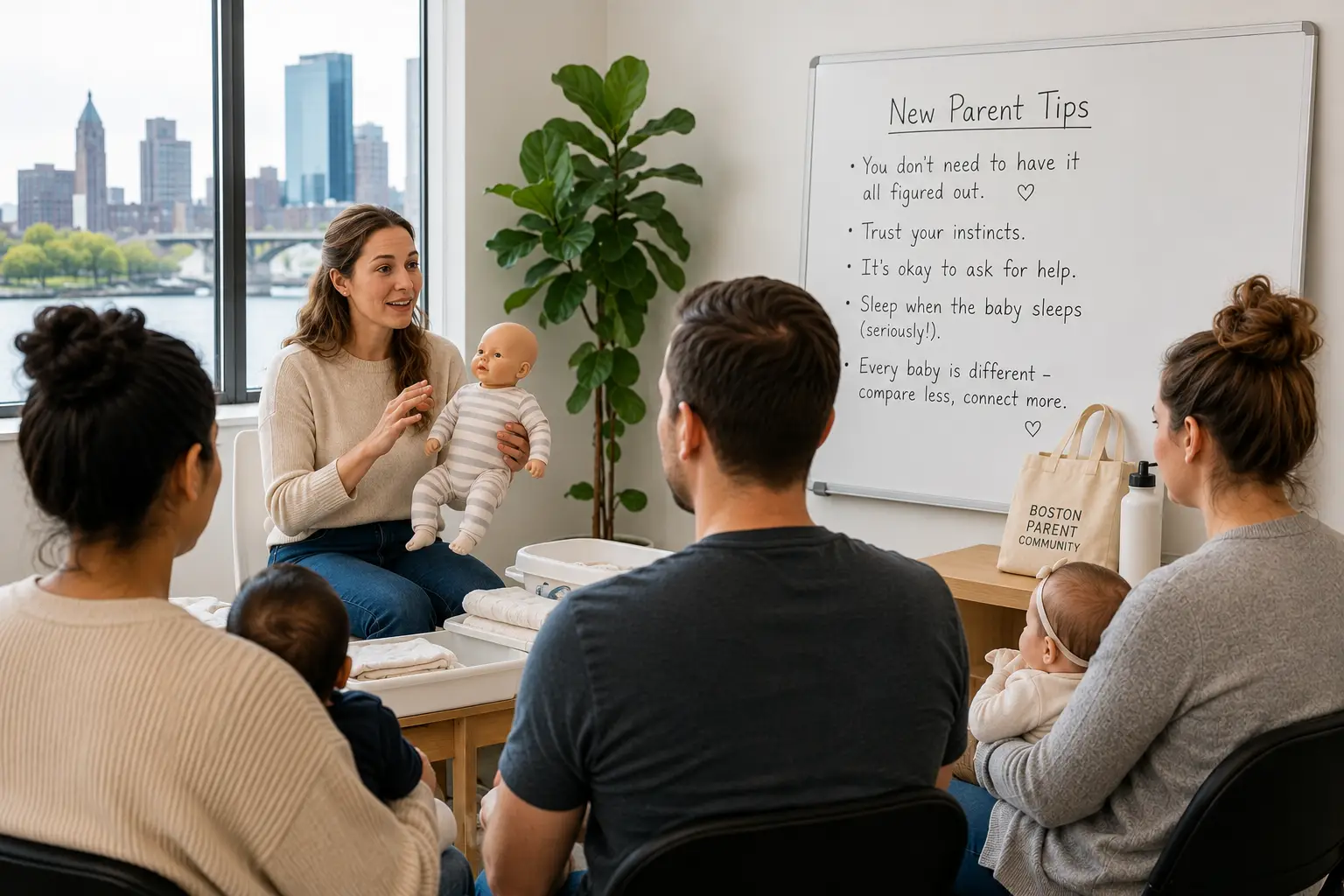
The First-Time Parent Classes in Boston That Are Actually Worth Your Saturday Morning
Boston has no shortage of classes for expecting parents, but not every Saturday workshop is worth giving up your weekend for. From childbirth preparation and newborn care to breastfeeding and infant CPR, here’s how to find the classes that offer genuinely useful skills and information for first-time parents.
Read more
Parents' Day 2026: The Baby Gear That Does the Heavy Lifting for Both of You
The best baby gear doesn't just support your baby, it supports both parents. This Parents Day 2026, discover practical products that encourage teamwork, simplify everyday routines, and help new families navigate parenthood together with greater confidence.
Read more


