



What Does “Sustainable Baby Gear” Actually Mean? A No-Fluff Guide for 2026 Parents
8-10 minute read
June 29, 2026
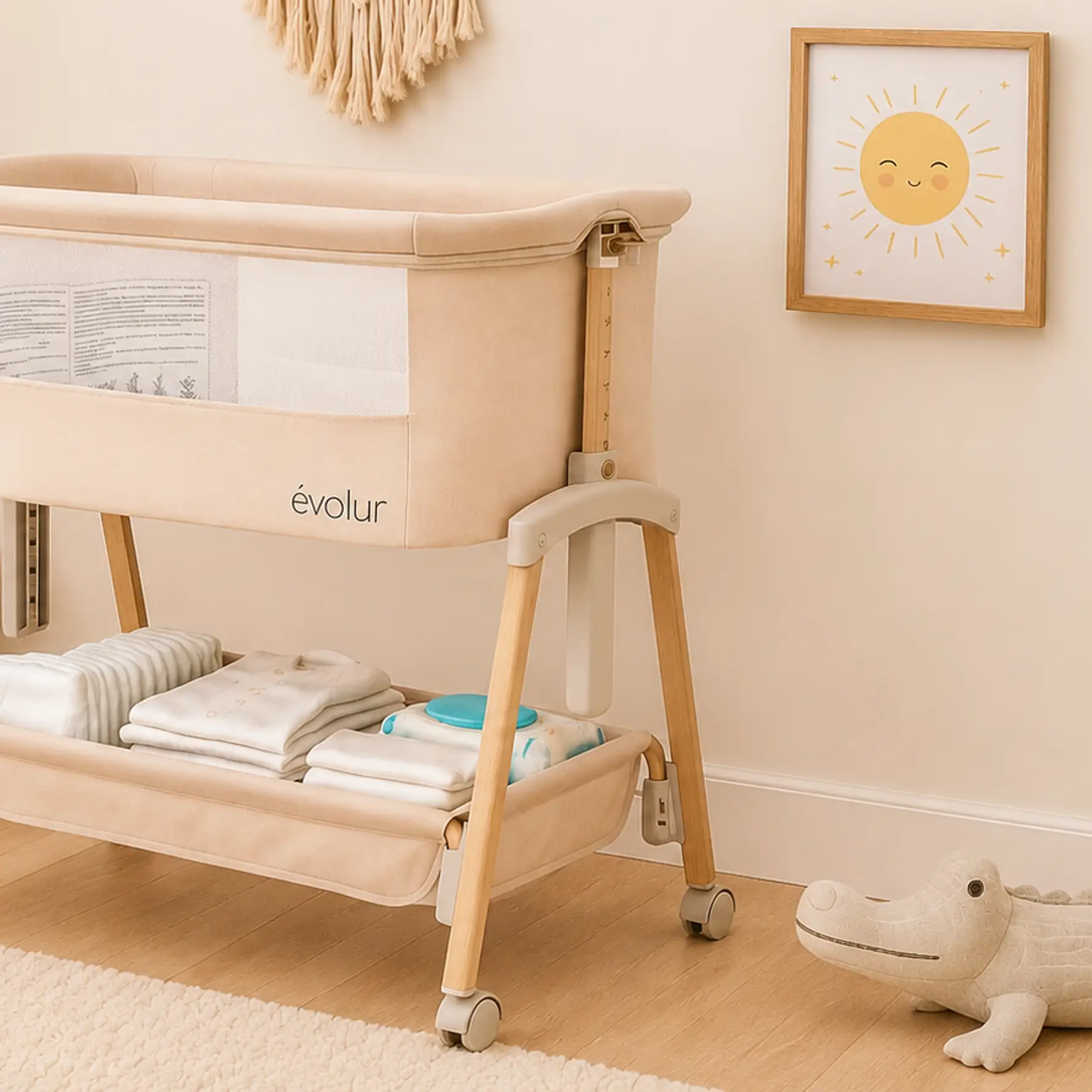
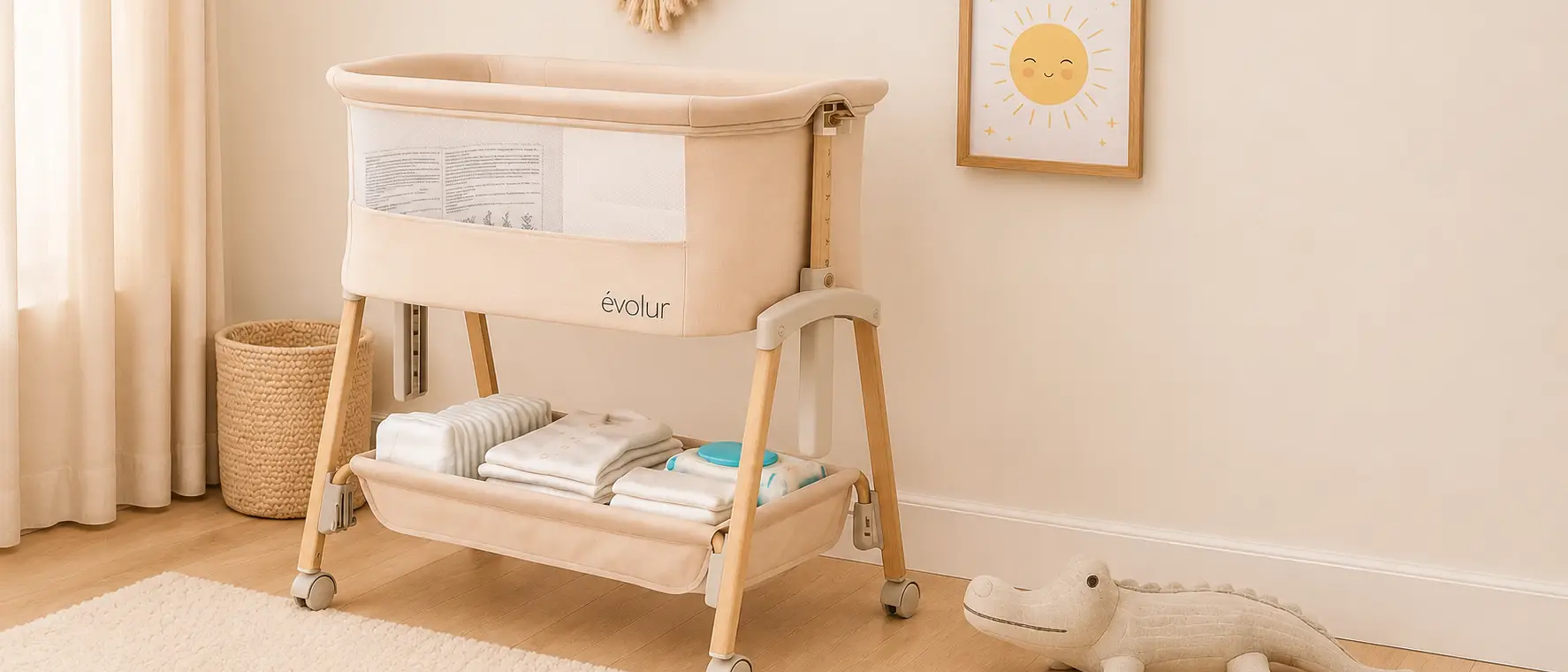
If you’re shopping for baby gear in 2026, you’ve probably noticed that nearly everything claims to be eco, green, or sustainable. But for parents, sustainability isn’t about buzzwords, it’s about safety, longevity, materials, and real-life usability.
This guide explains what truly sustainable baby gear looks like today, how to evaluate it quickly, and where parents should (and shouldn’t) spend.
Decoding the Nursery Eco-Labels: Certifications vs. Greenwashing
Not all “eco” labels carry the same weight. Some are marketing language; others are backed by rigorous testing.
Certifications that actually matter in baby gear:
- Low-VOC and non-toxic material testing
- Compliance with U.S. and international juvenile product safety standards
- Third-party verification (not self-issued brand claims)
True sustainability starts with what your baby touches, breathes, and sits on every day, especially for items like bedside sleepers, portable bassinets, and feeding gear that see constant use.
Industry insight into how brands position sustainability in 2026 can be found here
Why Longevity Is the Ultimate Sustainability Metric
The most sustainable baby gear isn’t disposable, it grows with your child.
Why multi-stage gear matters:
- Fewer products purchased over time
- Less landfill waste
- Better long-term value for parents
Examples include:
- Convertible high chairs that adapt from infant feeding to toddler seating
- Portable playards that transition from newborn bassinet to travel crib
- Bassinets designed for multiple sleep stages
Brands like Dream On Me and Evolur have leaned heavily into this approach, designing nursery and feeding products meant to last beyond the first year, making longevity a core sustainability feature, not an afterthought.
Sustainable On-the-Go: Choosing Eco-Conscious Travel Gear
Travel gear is one of the most over-purchased and over-disposed baby categories. True sustainability here comes down to weight, size, durability, and adaptability.
What to look for in sustainable travel baby gear:
- Lightweight stroller frames that reduce material use
- Compact strollers that replace bulky systems
- Theme-park–approved or umbrella strollers that meet strict size limits
- Replaceable wheels and washable fabrics
A best travel stroller in 2026 isn’t just compact, it’s designed to last through airports, daily walks, and multiple children.
You’ll find thoughtfully designed strollers, playards, and travel-ready essentials in Ever & Ever’s curated collection
Non-Toxic Baby Feeding & Nursery Spaces: What You Need to Know
Sustainability also applies to what goes in and around your baby’s body.
Key materials parents should prioritize:
- BPA-free and phthalate-free plastics
- Food-grade silicone for bibs, plates, and straw cups
- Solid wood or responsibly engineered materials for feeding furniture
A convertible high chair made with safe finishes and durable components is often more sustainable than cheaper, short-term feeding setups that need replacing every few months.
This same thinking applies to nursery gear. Portable bassinets, playards, and sleepers should meet strict safety standards without relying on chemical-heavy materials.
The 2026 Parental Checklist
When evaluating baby gear online or in-store, ask yourself:
The 5-question sustainability test
- Does this item grow with my child?
- Is it made with non-toxic, baby-safe materials?
- Will I still use this in 12–24 months?
- Is it durable enough for daily, real-life use?
- Does it replace more than one product category?
If the answer is “yes” to at least four, you’re likely looking at genuinely sustainable baby gear.
Product Spotlight
- Lightweight & compact strollers → fewer materials, easier transport, longer lifespan
- Portable bassinets & bedside sleepers → safe sleep without buying multiple beds
- Stylish diaper backpacks → hands-free, unisex design that lasts beyond babyhood
- Convertible high chairs → one purchase instead of three
For parents rethinking everyday gear like diaper bags, this deep dive may also help
Frequently Asked Questions
Does a “theme-park approved” stroller guarantee entry everywhere?
No. It means the stroller meets most major size guidelines, but parents should always check individual park policies, especially for width and storage limits.
What’s the difference between a 3-point and 5-point harness?
A 5-point harness offers superior stability for active babies and toddlers, especially in strollers, high chairs, and travel gear.
Are convertible high chairs better for the environment?
Yes. Fewer replacements mean less manufacturing, shipping, and waste—making them a more sustainable long-term choice.
What makes a stroller truly “cabin-approved”?
Most airlines require folded dimensions under ~22 x 14 x 9 inches, but rules vary. Always confirm with your airline before travel.
Wrapping Up: Sustainability Is About Fewer, Better Choices
In 2026, sustainable baby gear isn’t about buying the “greenest” label, it’s about buying less, choosing better, and prioritizing safety, longevity, and daily usability.
At Ever & Ever, sustainability means thoughtful design that supports real families.
Explore baby gear that’s built to last, adapt, and grow with your child, without the fluff.
Suggested For You
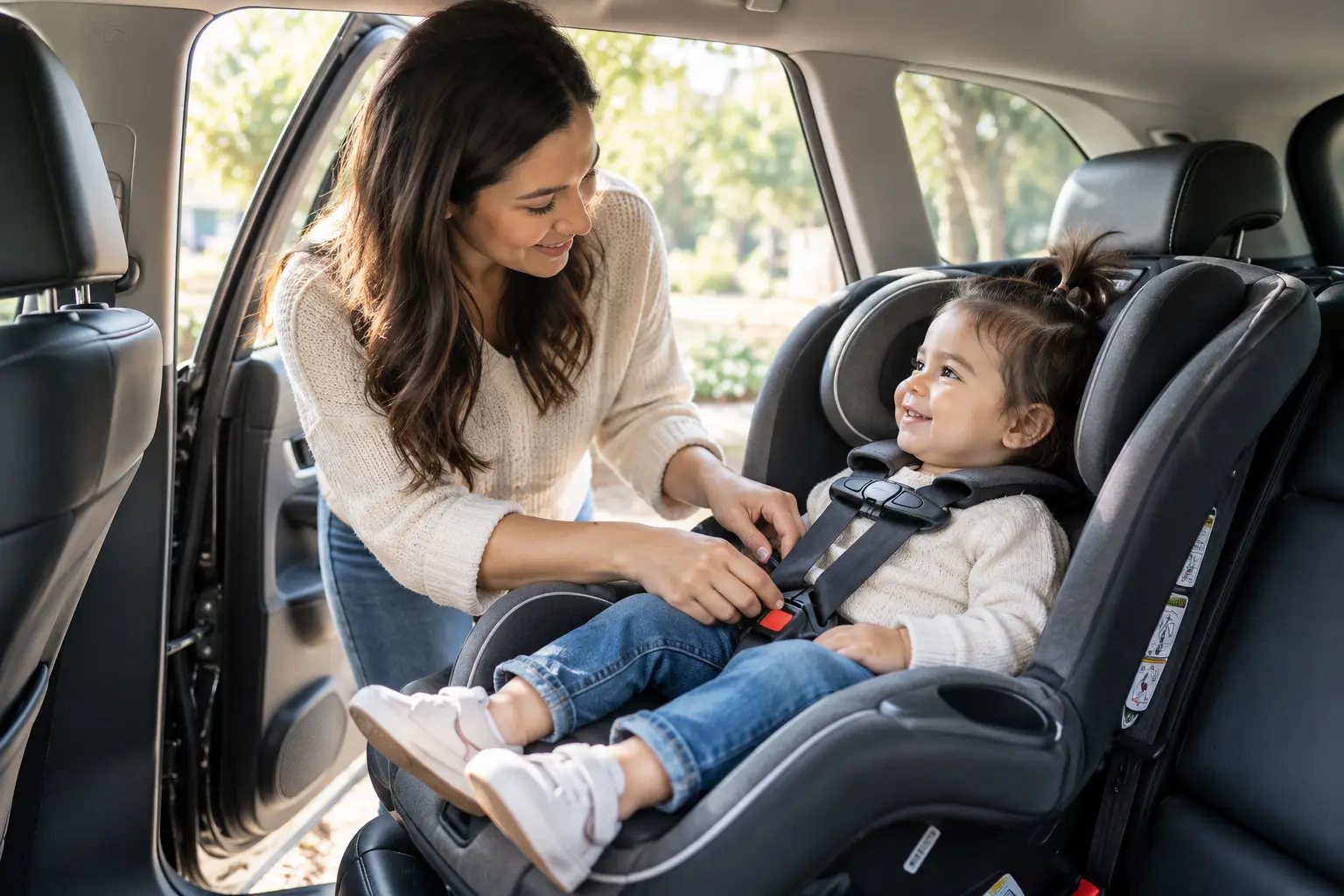
Child Passenger Safety Week: The Car-Seat Mistakes Parents Don’t Realize They’re Making
Car-seat safety can feel straightforward until small details start adding up. A harness that's slightly too loose, a seat that's not installed as securely as it should be, or moving to the next stage too soon can all affect how well a car seat protects your child. This Child Passenger Safety Week, here's a practical look at five mistakes parents may not realize they're making—and what to check before your next drive.
Read more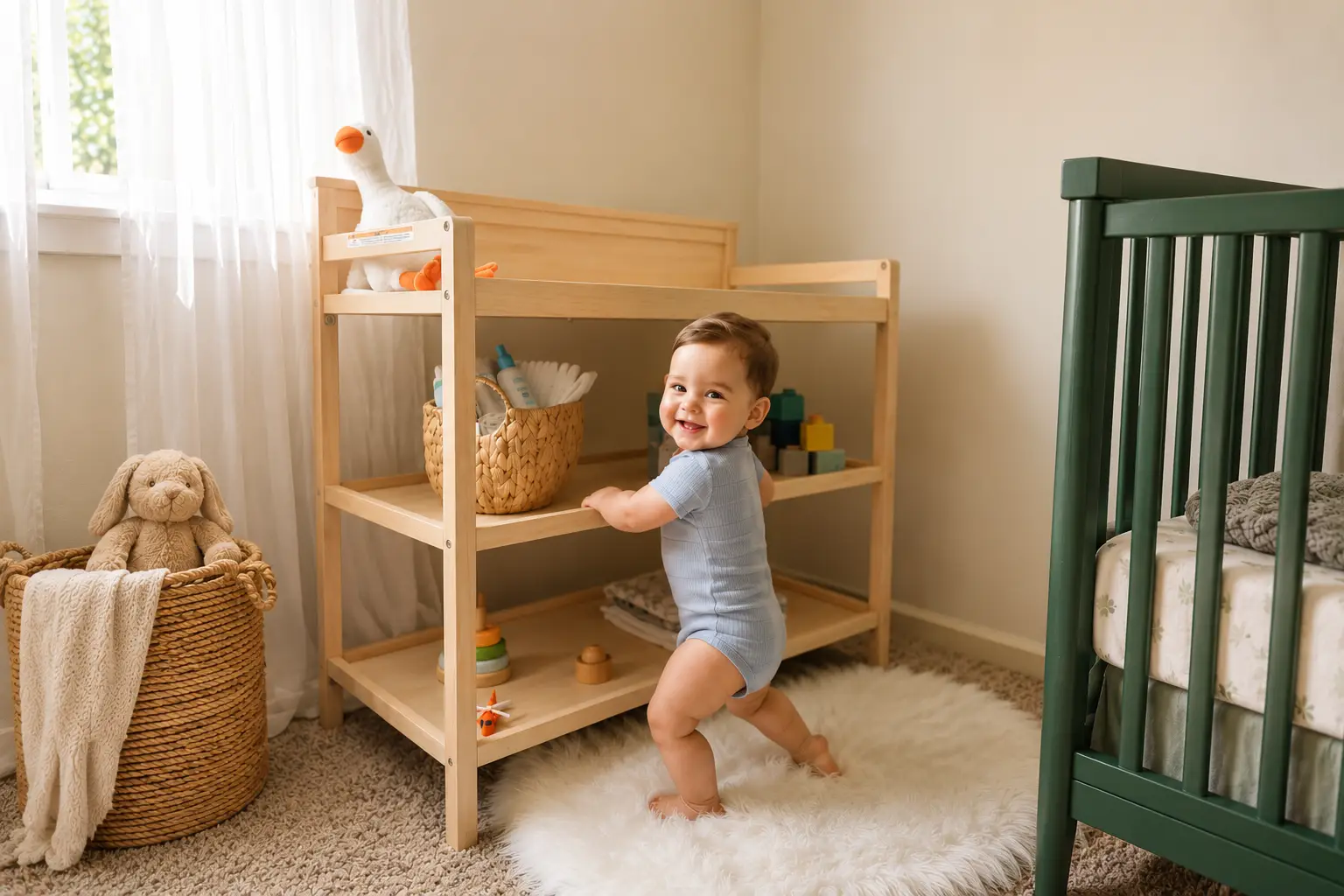
Baby Safety Month: The Nursery Details Parents Notice Too Late
You’ve checked the crib, secured the furniture, and babyproofed the obvious hazards—but what about the small nursery details that are easy to overlook? From window cords and furniture placement to changing areas and everyday essentials, Baby Safety Month is a great reminder to take a closer look at the nursery before these details become problems.
Read more
The Nursery Reset: 7 Things to Change Before Baby’s First Fall
As summer fades and cooler days arrive, your baby's nursery may need a few thoughtful updates. From adjusting sleepwear and checking room temperature to reviewing crib safety and preparing for shorter days, a seasonal nursery reset can help create a comfortable, safe space for your baby all fall long.
Read more
The Daycare Countdown: What to Actually Do Before Baby's First Day
The first day of daycare is a milestone for both babies and parents. While it's normal to feel emotional, preparing in advance can make the transition smoother. From practicing new routines and packing the right essentials to asking the right questions and easing separation anxiety, here's what to do before your baby's first day of daycare.
Read more
Feeling Overwhelmed? 5 Simple Things That Actually Help New Moms
Becoming a new mom is beautiful—but it's also exhausting. Between sleepless nights, feeding schedules, endless advice, and the pressure to "do it all," feeling overwhelmed is more common than most parents expect. The good news is that you don't need a perfect routine to feel better. Small, practical changes can make a meaningful difference in your well-being and your baby's daily routine.
Read more
The Sibling Effect: How a New School Routine Throws Off Baby's Sleep (And How to Fix It)
Back-to-school season doesn't just affect school-aged children—it can completely reshape life for babies, too. Earlier wake-ups, rushed mornings, afternoon pickups, and changing household routines can disrupt naps and bedtime. With a few intentional adjustments, you can support your baby's sleep while helping the entire family settle into a new routine.
Read more
Toddler Drowning Prevention: What Every Parent Near Water Should Know
Whether you're spending the day at the beach, relaxing by the pool, or visiting a lake this summer, water safety should always come first. Drowning is one of the leading causes of accidental injury-related deaths among young children—but many incidents are preventable. Here's what every parent should know about supervising toddlers around water, building safe habits, and preparing for a safer summer.
Read more


