



Dermatologists on Baby Sun Protection: What They Actually Said
6–7 minute read
August 13, 2026
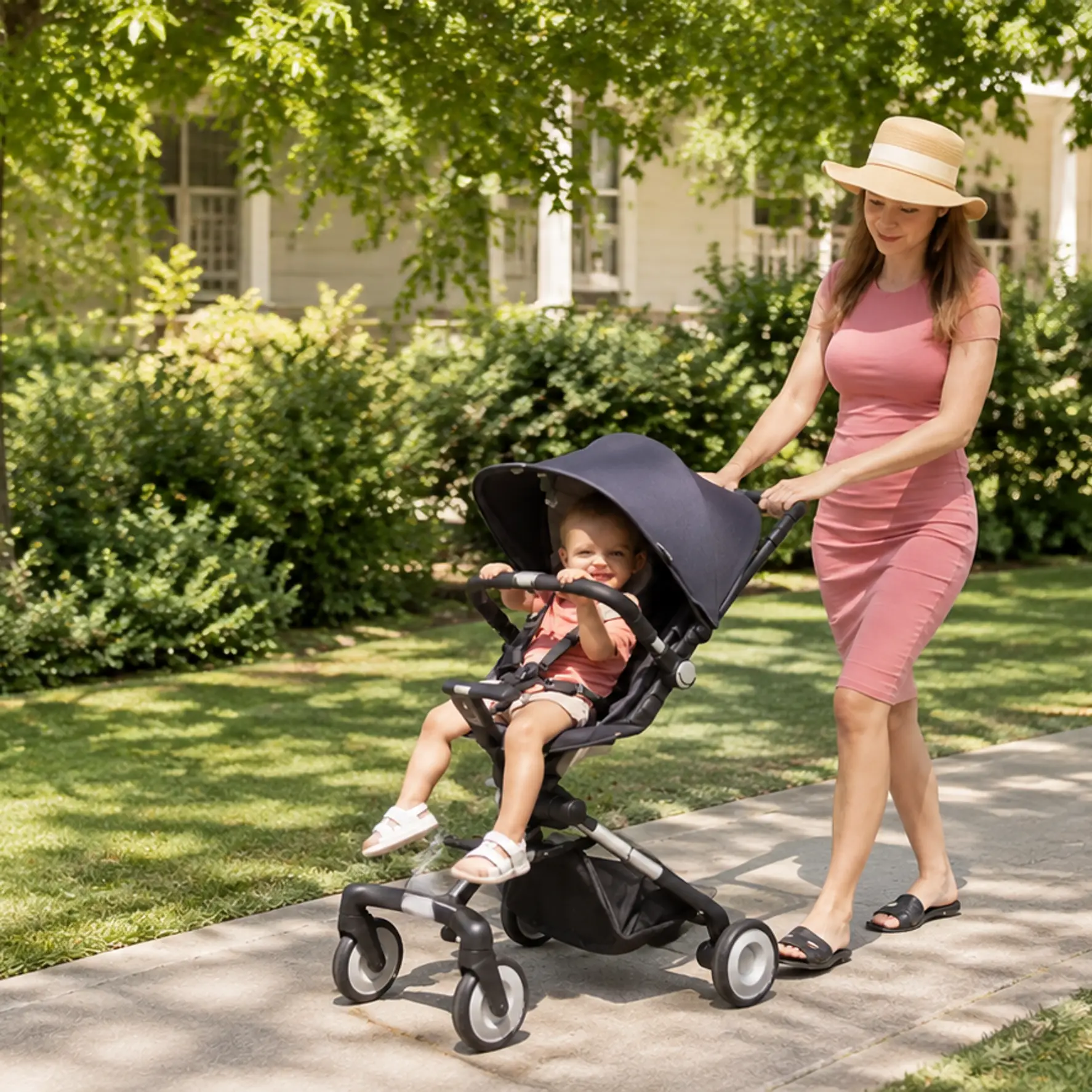
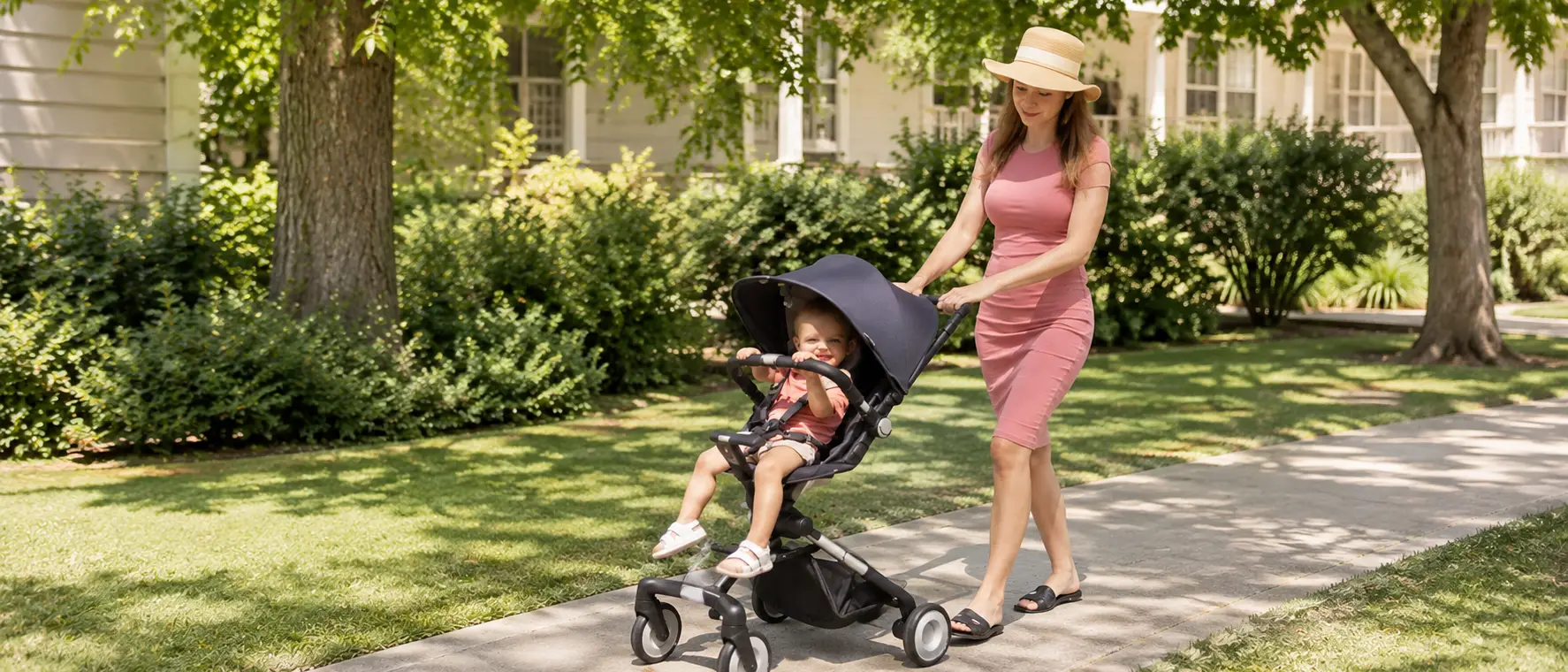
Summer makes it easier to spend more time outside, whether you're heading to the park, taking a walk with your baby, or planning a weekend outing.
But babies need a little more planning when it comes to sun exposure. Their skin is delicate, they can't tell you when they're getting too warm, and very young babies need particular care around direct sunlight.
The good news is that sun protection doesn't have to mean staying indoors all summer. The safest approach is to combine shade, protective clothing, smart timing, and sunscreen when appropriate.
Here's what parents should know before heading outside with a baby this summer.
Why Babies Need Extra Protection from the Sun
A baby's skin is more sensitive than an adult's, which means preventing sun exposure and sunburn is especially important.
The American Academy of Pediatrics recommends keeping babies younger than 6 months out of direct sunlight whenever possible and using shade from a tree, umbrella, or stroller canopy.
That doesn't mean you can't take your baby outside. It simply means thinking about how much direct sun they're getting and how you create shade around them.
For everyday outings, consider:
- Choosing shaded routes or destinations
- Planning walks earlier or later in the day
- Using a stroller canopy to create shade
- Dressing your baby in lightweight clothing that covers the skin
- Using a wide-brimmed hat when appropriate
- Taking regular breaks from outdoor heat
The AAP also recommends limiting sun exposure during the strongest UV hours, generally between 10 a.m. and 4 p.m.
Sun protection is therefore less about finding one perfect product and more about creating several layers of protection.
What Dermatologists Recommend for Babies Under Six Months
When your baby is under 6 months, shade and protective clothing should be your first line of defense.
The AAP recommends keeping babies younger than 6 months out of direct sunlight and dressing them in cool, comfortable clothing that covers the body when possible. Tightly woven fabrics provide more protection than loosely woven ones, and clothing labeled with a UPF rating can make it easier to identify garments designed for UV protection.
A lightweight hat can also provide additional coverage for your baby's face, ears, and neck.
When you're outside, look at the environment around your baby—not just what they're wearing. Is the stroller sitting in direct sunlight? Is there shade nearby? Is the baby becoming flushed or unusually warm?
A shaded stroller with good airflow is generally more useful than simply adding another layer of clothing.
And remember that shade doesn't eliminate UV exposure completely. Sunlight can reflect from surfaces such as water, sand, and concrete, so continue using multiple forms of protection when you're outdoors.
When Can Babies Wear Sunscreen—and What Should Parents Look For?
Sunscreen is one part of a broader sun-safety routine, but age matters.
For babies younger than 6 months, the AAP recommends prioritizing shade and protective clothing. If those aren't available, sunscreen can be used on small exposed areas such as the face. For babies older than 6 months, sunscreen can be applied to exposed areas of the body.
When choosing sunscreen, look for broad-spectrum protection, which protects against both UVA and UVB rays. For sensitive areas, the AAP notes that products containing zinc oxide or titanium dioxide can be useful options.
Parents should also follow the product's directions carefully and reapply sunscreen as recommended, particularly after swimming, sweating, or drying off with a towel.
If your baby develops irritation or a rash after using a sunscreen, stop using the product and speak with your pediatrician about alternatives.
The important takeaway is that sunscreen shouldn't be treated as permission to spend longer in direct sunlight. Shade and protective clothing still matter.
Beyond Sunscreen: The Best Ways to Keep Babies Cool Outdoors
Sun protection and heat protection go hand in hand.
A stroller canopy can provide valuable shade during a walk, but it shouldn't be treated as a complete solution. Make sure the stroller remains well ventilated and avoid covering the stroller with a blanket or other fabric that could restrict airflow.
For longer outings, lightweight travel gear can make it easier to move between shaded and indoor spaces when temperatures rise.
A stroller with a large or extendable canopy can be particularly useful for sunny walks. Portable gear can also give families more flexibility when they're spending time away from home.
It's also worth checking your baby's temperature regularly. If your baby feels unusually hot, looks flushed, is sweating heavily, or seems unusually sleepy or uncomfortable, move them to a cooler, shaded environment and reassess the situation.
When in doubt about symptoms of overheating or heat-related illness, contact your pediatrician.
Planning Summer Outings Without Overheating Your Baby
Sometimes the easiest way to make summer outings safer is simply to change when you go.
Instead of planning a long outdoor activity during the hottest part of the afternoon, consider an early morning walk, a late afternoon outing, or a destination where you can move between indoor and shaded areas.
Before leaving home, think through:
Where will we find shade? Don't wait until your baby is already in direct sun to start looking for it.
How long will we be outside? Shorter outings can be easier to manage during particularly hot days.
Where can we cool down? Knowing where you can step indoors or into an air-conditioned space gives you an easy backup plan.
What do we need to carry? Pack diapers, feeding supplies, extra clothing, sun protection, and whatever your baby needs to stay comfortable.
A well-organized diaper bag can make these transitions much easier. Keeping essentials together means you can move from the park to an indoor café or head home without having to reorganize everything.
And don't forget that babies may need regular feeding and diaper changes even when you're focused on enjoying the weather.
Creating a Complete Baby Sun Safety Routine
Think of baby sun protection as a routine rather than a single decision.
Before heading outside, check the weather and consider the time of day. Dress your baby appropriately, plan for shade, and pack the essentials you'll need for the outing.
Once you're outside, keep an eye on both sun exposure and temperature.
A simple routine might look like:
Before leaving: Choose lightweight, protective clothing, pack a hat, apply sunscreen where appropriate, and make sure your stroller or travel setup provides shade.
During the outing: Stay in shaded areas when possible, take breaks, and check your baby regularly for signs of overheating or discomfort.
After coming home: Give your baby time to cool down and check their skin for redness or irritation.
If you're planning longer summer days outdoors, portable baby gear can also make it easier to create comfortable rest and feeding routines away from home.
And because summer heat can affect more than daytime comfort, it's worth considering how temperature affects your baby's sleep environment at home. Our guide to summer safe sleep covers nursery temperature, overheating, and creating a comfortable sleep space during warmer months.
What About Stroller Canopies?
A stroller canopy is useful, but it shouldn't be considered a substitute for all other sun-safety measures.
The AAP specifically includes a stroller canopy as one way to provide shade for babies under 6 months.
When choosing or using a stroller for summer, look for features such as:
- A canopy that provides substantial coverage
- Good airflow around the seating area
- Adjustable positioning as the sun moves
- Comfortable, breathable materials
- Easy maneuverability for shaded routes
Avoid improvising with blankets or other coverings that could reduce airflow inside the stroller.
Frequently Asked Questions
When can babies start wearing sunscreen?
For babies younger than 6 months, shade and protective clothing should be the primary forms of sun protection. If those aren't available, the AAP says sunscreen can be used on small exposed areas. For babies older than 6 months, sunscreen can be applied to exposed areas.
How long can a newborn stay in the sun?
There isn't one universal time limit that applies to every baby. Newborns and babies under 6 months should be kept out of direct sunlight whenever possible. Focus on shade, protective clothing, and limiting exposure during the strongest UV hours.
What's the best way to protect a baby from UV rays?
Use multiple layers of protection: shade, protective clothing, a hat, appropriate sunscreen, and smart timing. No single product replaces the others.
Should babies wear hats even in the shade?
A hat can provide additional protection for your baby's face, ears, and neck. Choose one that is comfortable and appropriate for the weather.
Is a stroller canopy enough to protect a baby from the sun?
A stroller canopy is an important source of shade, but it shouldn't be your only sun-protection measure. Keep the stroller ventilated, use protective clothing, and avoid prolonged direct exposure.
How do I know if my baby is getting too hot outdoors?
Watch for changes such as unusual fussiness, flushed skin, excessive sweating, or unusual sleepiness. Move your baby to a cooler environment if they seem overheated. If you're concerned about your baby's symptoms, contact your pediatrician.
Wrapping Up: Protection Without Missing Out
Keeping your baby safe in the summer doesn't mean staying indoors all season. With shade, protective clothing, appropriate sunscreen, smart timing, and a little planning, families can enjoy plenty of time outside while keeping baby's comfort and safety in focus.
The goal isn't to avoid summer—it's to make your summer outings safer, cooler, and more comfortable for everyone.
Suggested For You
Child Passenger Safety Week: The Car-Seat Mistakes Parents Don’t Realize They’re Making
Car-seat safety can feel straightforward until small details start adding up. A harness that's slightly too loose, a seat that's not installed as securely as it should be, or moving to the next stage too soon can all affect how well a car seat protects your child. This Child Passenger Safety Week, here's a practical look at five mistakes parents may not realize they're making—and what to check before your next drive.
Read more
Baby Safety Month: The Nursery Details Parents Notice Too Late
You’ve checked the crib, secured the furniture, and babyproofed the obvious hazards—but what about the small nursery details that are easy to overlook? From window cords and furniture placement to changing areas and everyday essentials, Baby Safety Month is a great reminder to take a closer look at the nursery before these details become problems.
Read more
The Nursery Reset: 7 Things to Change Before Baby’s First Fall
As summer fades and cooler days arrive, your baby's nursery may need a few thoughtful updates. From adjusting sleepwear and checking room temperature to reviewing crib safety and preparing for shorter days, a seasonal nursery reset can help create a comfortable, safe space for your baby all fall long.
Read more
The Daycare Countdown: What to Actually Do Before Baby's First Day
The first day of daycare is a milestone for both babies and parents. While it's normal to feel emotional, preparing in advance can make the transition smoother. From practicing new routines and packing the right essentials to asking the right questions and easing separation anxiety, here's what to do before your baby's first day of daycare.
Read more
Feeling Overwhelmed? 5 Simple Things That Actually Help New Moms
Becoming a new mom is beautiful—but it's also exhausting. Between sleepless nights, feeding schedules, endless advice, and the pressure to "do it all," feeling overwhelmed is more common than most parents expect. The good news is that you don't need a perfect routine to feel better. Small, practical changes can make a meaningful difference in your well-being and your baby's daily routine.
Read more
The Sibling Effect: How a New School Routine Throws Off Baby's Sleep (And How to Fix It)
Back-to-school season doesn't just affect school-aged children—it can completely reshape life for babies, too. Earlier wake-ups, rushed mornings, afternoon pickups, and changing household routines can disrupt naps and bedtime. With a few intentional adjustments, you can support your baby's sleep while helping the entire family settle into a new routine.
Read more
Toddler Drowning Prevention: What Every Parent Near Water Should Know
Whether you're spending the day at the beach, relaxing by the pool, or visiting a lake this summer, water safety should always come first. Drowning is one of the leading causes of accidental injury-related deaths among young children—but many incidents are preventable. Here's what every parent should know about supervising toddlers around water, building safe habits, and preparing for a safer summer.
Read more


