



The Sibling Effect: How a New School Routine Throws Off Baby's Sleep (And How to Fix It)
6–7 minute read
August 21, 2026

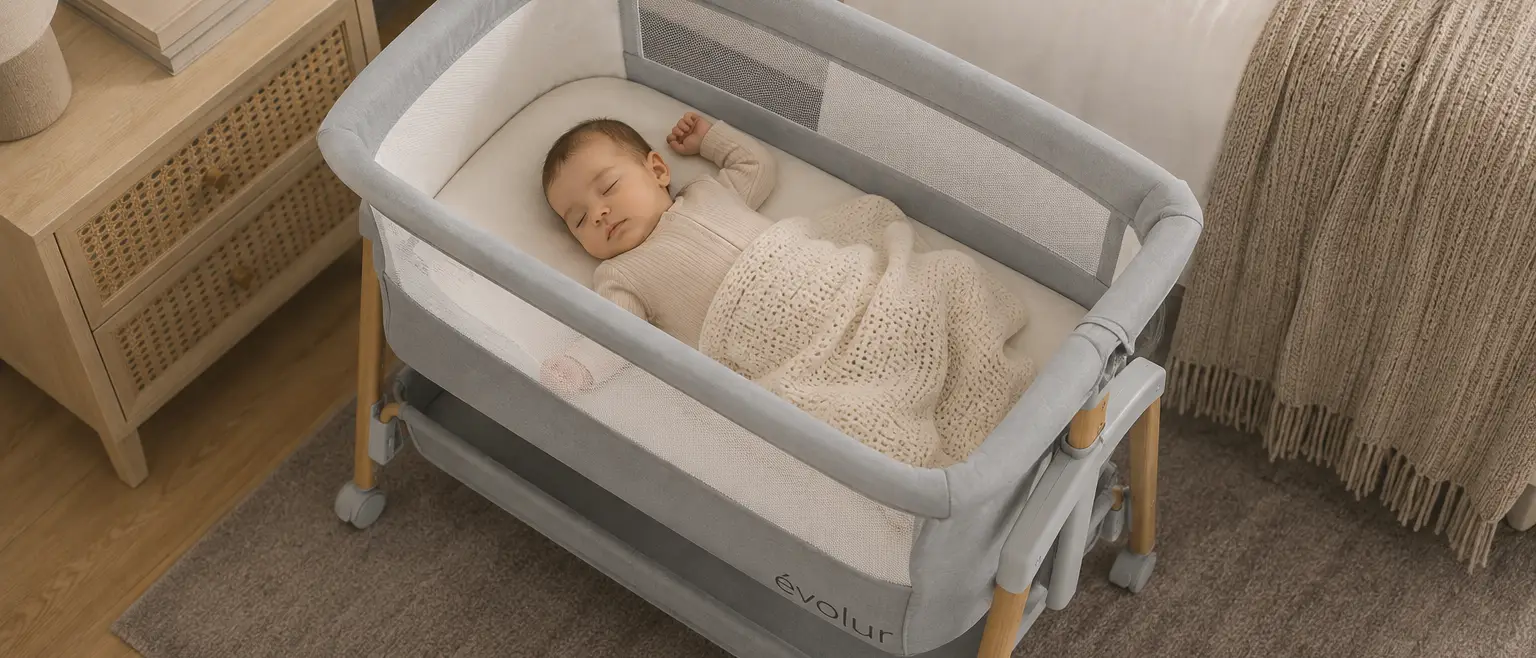
Back-to-school season brings a new rhythm to the entire household.
Earlier mornings. Packed lunches. School drop-offs. Afternoon pickups. Homework. After-school activities. And somehow, dinner and bedtime still need to happen.
For families with a baby or young toddler at home, those changes can affect more than just the older child's schedule. A once-quiet morning may become louder, a nap may suddenly overlap with school pickup, and bedtime can get pushed later than usual.
This is the sibling effect: when an older child's changing schedule indirectly changes a younger child's daily rhythm.
The good news? You don't have to completely reorganize family life around your baby's sleep. A few predictable routines and thoughtful adjustments can help protect your baby's rest while making the school-year transition easier for everyone.
Why Back-to-School Changes Affect Babies More Than Parents Expect
Babies thrive on familiar patterns, but their sleep needs and schedules change as they grow. Newborn sleep, for example, is naturally different from the sleep patterns of an older infant or toddler.
The American Academy of Pediatrics (https://www.healthychildren.org/English/healthy-living/sleep)recommends regular daily routines, including consistent waking, naps, and bedtime, as part of healthy sleep habits.
When an older sibling goes back to school, however, those familiar patterns can suddenly shift.
Your baby may experience:
- Earlier household wake-ups
- More activity around the home in the morning
- Interrupted or shortened naps
- Different afternoon schedules
- More noise after school
- Later family dinners
- A later or rushed bedtime routine
One disrupted day isn't usually something to worry about. The challenge is when these changes happen repeatedly and make it harder to maintain your baby's usual rhythm.
The Most Common Sleep Disruptions During School Season
Earlier Morning Wake-Ups
Your school-aged child may need to wake up early, but your baby may still be sleeping.
If morning activity regularly wakes your baby, their entire baby sleep schedule can gradually shift earlier.
Preparing school bags, clothes, lunches, and other essentials the night before can help keep mornings calmer and quieter.
Missed or Shortened Naps
School pickup can easily land right in the middle of your baby's usual nap window.
You might find yourself choosing between waking the baby for pickup or leaving an older child waiting. Sometimes a short stroller or car nap becomes the only option.
Occasional changes are part of family life. The goal is to protect the most important sleep periods whenever you reasonably can.
Noisy Afternoons
After-school hours can be one of the busiest times in the house.
Your older child may come home ready to talk, play, eat, do homework, or head to an activity—exactly when your baby may be getting ready for another nap.
You don't need complete silence. Creating a consistent, calmer sleep environment can simply make it easier to separate nap time from the busiest parts of the day.
Later Bedtimes
Homework, dinner, activities, baths, and preparing for the next school day can push everyone's bedtime later.
For babies, a rushed or inconsistent baby bedtime routine can make the transition to sleep feel less predictable.
Rather than trying to make every evening identical, focus on keeping a few familiar bedtime cues consistent.
How to Protect Your Baby's Sleep Schedule Without Rearranging Your Entire Life
The goal isn't to make your baby's schedule completely rigid.
Instead, think about your day in terms of sleep anchors—the parts of the routine you try to keep relatively consistent.
These might include your baby's morning wake-up, key nap, evening feeding, or bedtime routine, depending on their age and individual needs.
Protect the Nap That Matters Most
If school activities make it difficult to maintain every nap, identify the sleep period that is easiest and most important for your family's routine.
Once you've chosen it, try to build school pickups, errands, and activities around it when possible.
You don't need to stay home all day. You simply need to create some predictable opportunities for sleep.
Prepare the Night Before
One of the easiest ways to protect your baby's morning sleep is to make the older sibling's morning more organized.
Try preparing:
- School clothes
- Backpacks
- Lunches
- Shoes
- Homework
- Activity bags
the night before.
Fewer last-minute tasks can mean a calmer household in the morning.
Build in Flexibility
A baby sleep schedule should provide structure without becoming another source of stress.
If your baby takes a shorter nap one day because of school pickup, that doesn't mean the entire routine is ruined. Return to your familiar rhythm when you can.
Think of the schedule as a framework—not a stopwatch.
Creating a Nursery That Supports Better Sleep During Busy Seasons
When the rest of the house becomes busier, creating a consistent sleep environment can be especially helpful.
Start with the most important consideration: safe sleep.
The CDC (https://www.cdc.gov/sudden-infant-death/sleep-safely/index.html?utm_source=chatgpt.com) recommends placing babies on their backs for every sleep and using a firm, flat sleep surface in a safety-approved crib, bassinet, or other appropriate sleep space. Soft bedding and other loose items should be kept out of the baby's sleep area. (https://www.cdc.gov/reproductive-health/features/babies-sleep.html?utm_source=chatgpt.com)
Once the sleep space is set up safely, think about consistency.
A nursery can support your baby's routine with simple cues such as:
- Lower lighting before naps and bedtime
- A calm, uncluttered sleep environment
- Consistent bedtime cues
- Comfortable room conditions
- Reduced household noise when practical
A blackout-friendly nursery setup may also be useful when daytime light makes naps difficult.
For nighttime feeds or bedtime cuddles, a comfortable glider can give parents a dedicated space to slow down and transition into the evening.
And when choosing a crib mattress (https://everandeverbaby.com/collections/mattresses), prioritize a firm, properly fitted sleep surface designed for your baby's crib or bassinet.
Managing Two Different Routines: Practical Tips for Parents With Multiple Children
Trying to make a baby and school-aged child follow exactly the same schedule isn't realistic.
Instead, look for opportunities to overlap routines.
For example, your older child can start quiet reading while you feed the baby. Everyone can transition into pajamas around the same time. A toddler can choose a bedtime book while you finish settling the baby.
Give Older Siblings a Quiet-Time Activity
When the baby needs to nap, give the older child something they can do independently.
Reading, drawing, puzzles, building activities, or an audiobook can create a quieter window without making the older sibling feel like they're being punished for making noise.
Create a Shared Evening Rhythm
Your children's exact bedtimes may be different, but the sequence leading to bedtime can be similar:
Dinner → cleanup → pajamas → quiet time → books → sleep
A familiar family rhythm helps make evenings more predictable, even when individual sleep schedules differ.
Share the Work When You Can
If two adults are available, splitting bedtime responsibilities can make a major difference.
One person can help the older child with homework or bedtime reading while the other handles the baby's feeding and sleep routine.
You don't need to do everything together to have a consistent family routine.
Back-to-School Survival Checklist for Better Family Sleep
Before the school year gets busy, consider putting a few simple systems in place:
- Identify your baby's key sleep anchors.
- Decide which nap is easiest to protect.
- Prepare school bags and clothes the night before.
- Keep your baby's bedtime routine familiar.
- Create a safe, uncluttered sleep space.
- Organize feeding and diapering supplies.
- Plan a quieter activity for older siblings during baby naps.
- Build flexibility into school pickup and activity days.
- Keep nursery essentials easy to reach.
- Give yourself permission to adjust when the day doesn't go as planned.
For parents organizing their nursery before the school year begins, Ever & Ever offers nursery furniture, mattresses, and everyday nursery essentials designed to help make family spaces more functional.
FAQs
Can an older sibling's school schedule affect a baby's sleep?
Yes. An older sibling's school schedule can indirectly affect a baby's sleep by changing household wake-up times, noise levels, nap timing, transportation, and evening routines.
Keeping a few predictable sleep anchors can help reduce unnecessary disruption.
How do I keep my baby's nap schedule consistent during the back-to-school season?
Focus on consistency rather than perfection. Identify the nap or naps that are easiest to protect and plan school drop-offs, pickups, and activities around them when possible.
If a nap is shortened occasionally, return to your usual routine at the next opportunity.
Should I wake my baby for school drop-offs?
It depends on your baby's age, feeding needs, individual routine, and your family's circumstances.
If your baby is sleeping safely and doesn't need to be woken for feeding or another reason, you may be able to plan the school run around their sleep when practical. If you're unsure about your baby's waking or feeding needs, check with your pediatrician.
How can I manage two different bedtime routines?
Create a shared family rhythm while allowing each child to follow an age-appropriate routine.
For example, everyone can transition to pajamas and quiet time together, while an older child reads independently as you feed or settle the baby.
Can changes in routine cause temporary sleep regression?
Changes in routine can temporarily affect sleep, but not every disruption should be considered a sleep regression.
Babies' sleep also naturally changes as they grow and develop. If you're concerned about a significant or persistent change in your baby's sleep, speak with your pediatrician.
What's the best bedtime routine for families with both toddlers and babies?
There isn't one routine that works for every family. A simple, predictable sequence—such as pajamas, feeding, books, cuddles, and sleep—can create familiar cues while allowing each child to follow their own schedule.
Wrapping It Up: Finding Your Family's Rhythm
Back-to-school season may shake up your baby's routine, but it doesn't have to derail it. Focus on a few consistent sleep anchors, a safe and calming sleep space, and a bedtime routine that works for the whole family.
Some days will be smoother than others—and that's okay. The goal isn't a perfect schedule, but a flexible rhythm your family can return to.
Suggested For You

Child Passenger Safety Week: The Car-Seat Mistakes Parents Don’t Realize They’re Making
Car-seat safety can feel straightforward until small details start adding up. A harness that's slightly too loose, a seat that's not installed as securely as it should be, or moving to the next stage too soon can all affect how well a car seat protects your child. This Child Passenger Safety Week, here's a practical look at five mistakes parents may not realize they're making—and what to check before your next drive.
Read more
Baby Safety Month: The Nursery Details Parents Notice Too Late
You’ve checked the crib, secured the furniture, and babyproofed the obvious hazards—but what about the small nursery details that are easy to overlook? From window cords and furniture placement to changing areas and everyday essentials, Baby Safety Month is a great reminder to take a closer look at the nursery before these details become problems.
Read more
The Nursery Reset: 7 Things to Change Before Baby’s First Fall
As summer fades and cooler days arrive, your baby's nursery may need a few thoughtful updates. From adjusting sleepwear and checking room temperature to reviewing crib safety and preparing for shorter days, a seasonal nursery reset can help create a comfortable, safe space for your baby all fall long.
Read more
The Daycare Countdown: What to Actually Do Before Baby's First Day
The first day of daycare is a milestone for both babies and parents. While it's normal to feel emotional, preparing in advance can make the transition smoother. From practicing new routines and packing the right essentials to asking the right questions and easing separation anxiety, here's what to do before your baby's first day of daycare.
Read more
Feeling Overwhelmed? 5 Simple Things That Actually Help New Moms
Becoming a new mom is beautiful—but it's also exhausting. Between sleepless nights, feeding schedules, endless advice, and the pressure to "do it all," feeling overwhelmed is more common than most parents expect. The good news is that you don't need a perfect routine to feel better. Small, practical changes can make a meaningful difference in your well-being and your baby's daily routine.
Read more
Toddler Drowning Prevention: What Every Parent Near Water Should Know
Whether you're spending the day at the beach, relaxing by the pool, or visiting a lake this summer, water safety should always come first. Drowning is one of the leading causes of accidental injury-related deaths among young children—but many incidents are preventable. Here's what every parent should know about supervising toddlers around water, building safe habits, and preparing for a safer summer.
Read more


