



Toddler Drowning Prevention: What Every Parent Near Water Should Know
6–7 minute read
August 15, 2026
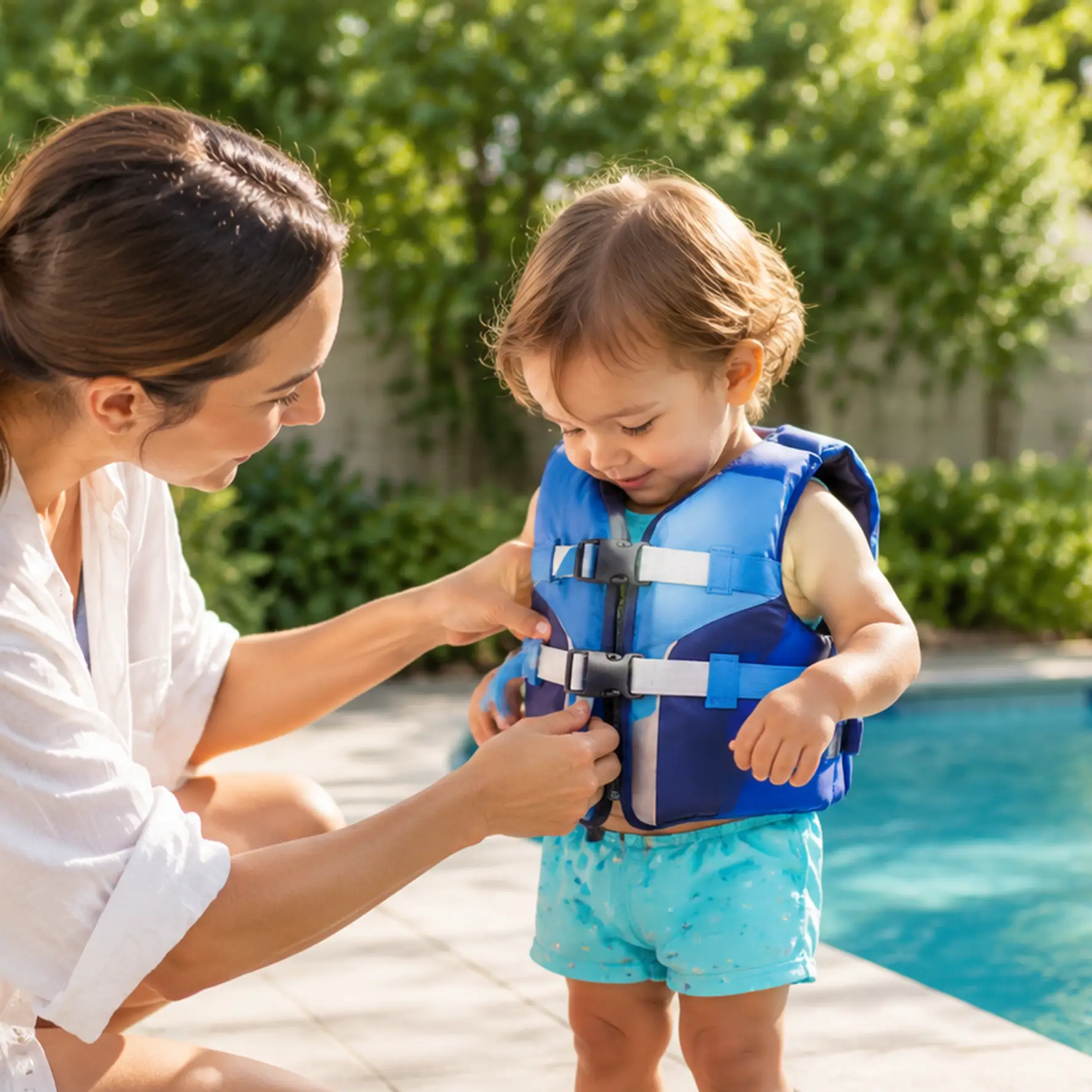
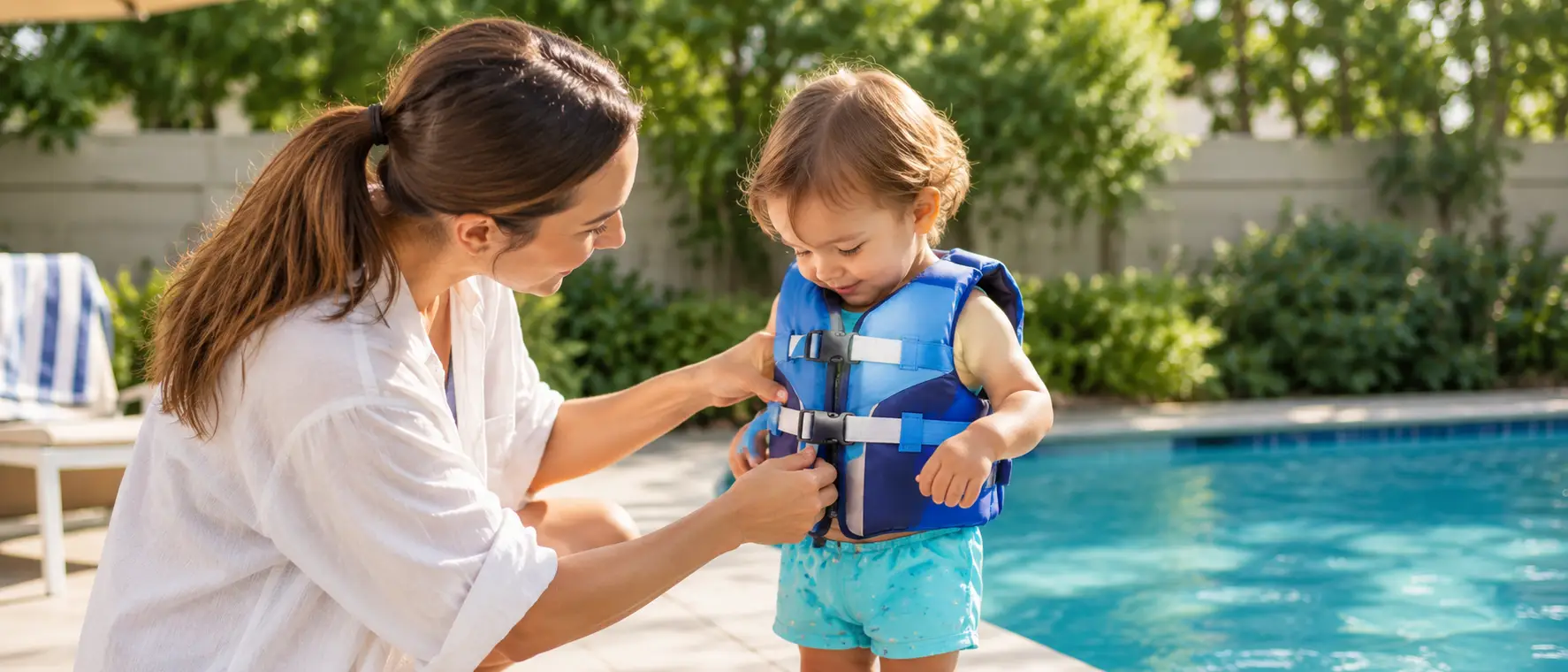
Summer naturally brings more opportunities to be around water. A trip to the pool, a day at the beach, a lake weekend, or even a few minutes around a backyard splash area can quickly become part of the family routine.
For toddlers, though, water requires constant attention. Young children are naturally curious, may not understand the danger water presents, and can move faster than parents expect.
The CDC identifies drowning as a leading cause of death for children, and young children are particularly vulnerable. The good news is that there are practical steps families can take to reduce the risk.
Water safety isn't about being afraid of the water. It's about creating layers of protection so that everyone can enjoy it more safely.
Why Drowning Risks Increase During Summer
Summer means more time around pools, beaches, lakes, and other bodies of water. It also means more situations where supervision can become complicated.
A toddler might be playing with cousins while adults are talking nearby, walking around a pool area, or exploring an unfamiliar vacation home. These everyday situations can create opportunities for a child to reach water unexpectedly.
And drowning doesn't always happen in deep water. Young children can drown in relatively small amounts of water, which is why the CDC recommends close supervision whenever children are around or in water.
Parents should consider every type of water exposure, including:
- Swimming pools
- Bathtubs
- Lakes and ponds
- Rivers
- Beaches
- Hot tubs
- Kiddie pools
- Buckets and other containers of water
The goal isn't to eliminate every possible water experience. It's to recognize where risks exist and build habits around them.
The Importance of "Touch Supervision" Around Water
One of the most important concepts for parents of toddlers is touch supervision.
This means staying close enough to your child to reach them immediately when they are in or near water. Watching from across the pool deck, checking your phone while sitting nearby, or assuming another adult is watching isn't the same thing.
The American Academy of Pediatrics recommends staying within arm's reach of young children whenever they are in or near water.
For families, this can mean assigning a specific adult to be the water watcher rather than assuming everyone is keeping an eye on the child.
A water watcher should:
- Stay close to the child
- Avoid distractions such as phones
- Avoid drinking alcohol while supervising
- Know where other children are
- Hand off supervision directly to another adult when leaving
That last point is especially important. If you need to step away, tell another responsible adult that they are taking over. Don't simply assume someone else will notice.
When Should Toddlers Start Swim Lessons?
There isn't one exact age at which every child becomes "water safe."
Swimming lessons can help children develop water competency, but they should never be considered a replacement for adult supervision.
The AAP recommends swim lessons as one layer of protection and notes that many children can begin formal swim lessons around age 1, depending on the child's individual readiness and the program.
For toddlers, look for programs taught by qualified instructors that focus on age-appropriate water skills.
Early lessons may help children become more comfortable in water and learn basic skills such as:
- Getting in and out of water safely
- Turning around in the water
- Floating
- Moving toward the pool edge
- Learning basic water-survival skills
But even a child who can swim independently should never be left alone around water.
Think of swimming lessons as one layer of protection, alongside supervision, barriers, and appropriate safety equipment.
Pool, Beach, and Lake Safety: Different Environments, Different Risks
Not all water environments present the same challenges.
Pool Safety
Pools require clear boundaries and reliable barriers. The CDC recommends four-sided fencing around residential pools, with fencing separating the pool from the house and yard.
Parents should also make sure pool gates are secure and that children cannot easily access the area without an adult.
At the pool itself, stay within arm's reach of young children and establish clear rules about when they can enter the water.
Beach Safety
Beaches introduce additional risks, including waves, currents, changing water depths, and crowded surroundings.
If you're visiting a beach with a toddler, choose designated swimming areas where lifeguards are present when possible. Stay close to your child and pay attention to posted warnings and local conditions.
A life jacket may be appropriate for certain activities, particularly around open water.
Lakes and Other Open Water
Open water can be unpredictable. Visibility may be limited, water temperatures can change quickly, and there may be drop-offs that aren't obvious from the shore.
The AAP recommends that children wear properly fitted, U.S. Coast Guard-approved life jackets when participating in activities around natural bodies of water or when boating.
A flotation device should never be treated as a substitute for supervision.
The Water Safety Essentials Every Family Should Pack
A day around water usually requires more than just swimsuits and towels.
A well-organized bag can make it easier to keep essentials accessible, especially when you're moving between the pool, car, beach, and home.
Consider packing:
- Properly fitted life jackets when appropriate
- Towels and a change of clothes
- Sun protection
- Diapers and wipes
- Snacks and feeding supplies
- Drinking water
- Basic first-aid supplies
- Water shoes where appropriate
- A waterproof bag for wet clothing
- Any necessary medications or comfort items
A diaper bag can be useful for keeping everyday family essentials organized during longer outings, particularly when you're carrying towels, snacks, diapers, and feeding supplies alongside your child's other gear.
Don't Rely on Floaties Alone
Inflatable arm bands and other flotation toys may look like safety equipment, but they aren't designed to prevent drowning.
The AAP recommends using properly fitted, U.S. Coast Guard-approved life jackets when a child needs flotation support around open water or during boating activities.
Floaties and water toys can also create a false sense of security for parents and children.
If your toddler is playing in the water, stay close enough to provide immediate assistance. If a life jacket is appropriate, make sure it fits correctly and is designed for your child's weight and intended activity.
Building Safe Water Habits That Last Beyond Summer
Water safety shouldn't disappear when summer ends.
The habits you establish now can become part of your family's routine every time you're around water.
Teach your toddler simple rules such as:
- Never go near water without an adult.
- Wait for permission before entering a pool.
- Stay where the designated water watcher can see you.
- Never run around the pool.
- Tell an adult if another child enters the water unexpectedly.
Parents can also make safety part of their planning routine. Before visiting a new home, hotel, vacation rental, or friend's pool, identify where the water is and how access is controlled.
If you're traveling, don't assume that an unfamiliar pool or vacation property has the same safety measures you're used to at home.
And consider learning CPR. The CDC recommends that parents and caregivers learn CPR because it can be an important emergency response skill in the event of a drowning incident.
What About Water Safety at Home?
You don't have to be on vacation for water risks to exist.
If you have a backyard pool, make sure access is properly restricted when the pool isn't in use. Keep doors and gates secured, and don't leave toys floating in the pool if they might encourage a child to approach it.
Even small amounts of water deserve attention. Empty buckets, kiddie pools, and other containers immediately after use.
For families without pools, everyday routines still matter. Keep bathroom doors closed when appropriate, supervise bath time closely, and never leave a young child alone around water.
These small habits can become part of your family's overall safety routine.
Frequently Asked Questions
What is the best way to prevent toddler drowning?
The strongest approach is to use multiple layers of protection: close and constant supervision, barriers around pools, age-appropriate swim lessons, properly fitted life jackets when needed, and emergency preparedness. No single measure can eliminate drowning risk.
At what age should children start swimming lessons?
Many children can begin formal swim lessons around age 1, depending on their individual readiness and the program. Swim lessons can build water competency but should never replace adult supervision.
Are inflatable floaties safe for toddlers?
Inflatable floaties and water toys should not be considered drowning-prevention devices. When flotation support is needed, use a properly fitted, U.S. Coast Guard-approved life jacket appropriate for the child's size and activity.
What is "touch supervision" around water?
Touch supervision means staying close enough to your child to reach them immediately—generally within arm's reach—when they are in or near water.
Can toddlers drown in shallow water?
Yes. Young children can drown in relatively small amounts of water, which is why close supervision is important around pools, bathtubs, buckets, kiddie pools, and other sources of water.
Should toddlers wear life jackets at the beach or lake?
When children are participating in activities around open water or boating, the AAP recommends properly fitted, U.S. Coast Guard-approved life jackets. A life jacket does not replace active adult supervision.
Wrapping Up: Safer Water Starts With Everyday Habits
Water safety doesn't have to mean avoiding the pool, beach, or lake. It means knowing the risks, staying close, preparing ahead, and building habits that make supervision part of every water outing.
With active supervision, appropriate safety gear, and layers of protection, families can spend more time enjoying the water while keeping safety at the center of summer fun.
Suggested For You

Child Passenger Safety Week: The Car-Seat Mistakes Parents Don’t Realize They’re Making
Car-seat safety can feel straightforward until small details start adding up. A harness that's slightly too loose, a seat that's not installed as securely as it should be, or moving to the next stage too soon can all affect how well a car seat protects your child. This Child Passenger Safety Week, here's a practical look at five mistakes parents may not realize they're making—and what to check before your next drive.
Read more
Baby Safety Month: The Nursery Details Parents Notice Too Late
You’ve checked the crib, secured the furniture, and babyproofed the obvious hazards—but what about the small nursery details that are easy to overlook? From window cords and furniture placement to changing areas and everyday essentials, Baby Safety Month is a great reminder to take a closer look at the nursery before these details become problems.
Read more
The Nursery Reset: 7 Things to Change Before Baby’s First Fall
As summer fades and cooler days arrive, your baby's nursery may need a few thoughtful updates. From adjusting sleepwear and checking room temperature to reviewing crib safety and preparing for shorter days, a seasonal nursery reset can help create a comfortable, safe space for your baby all fall long.
Read more
The Daycare Countdown: What to Actually Do Before Baby's First Day
The first day of daycare is a milestone for both babies and parents. While it's normal to feel emotional, preparing in advance can make the transition smoother. From practicing new routines and packing the right essentials to asking the right questions and easing separation anxiety, here's what to do before your baby's first day of daycare.
Read more
Feeling Overwhelmed? 5 Simple Things That Actually Help New Moms
Becoming a new mom is beautiful—but it's also exhausting. Between sleepless nights, feeding schedules, endless advice, and the pressure to "do it all," feeling overwhelmed is more common than most parents expect. The good news is that you don't need a perfect routine to feel better. Small, practical changes can make a meaningful difference in your well-being and your baby's daily routine.
Read more
The Sibling Effect: How a New School Routine Throws Off Baby's Sleep (And How to Fix It)
Back-to-school season doesn't just affect school-aged children—it can completely reshape life for babies, too. Earlier wake-ups, rushed mornings, afternoon pickups, and changing household routines can disrupt naps and bedtime. With a few intentional adjustments, you can support your baby's sleep while helping the entire family settle into a new routine.
Read more


