



Pumping at Work: A Realistic Guide for Moms Going Back
6–7 minute read
August 8, 2026
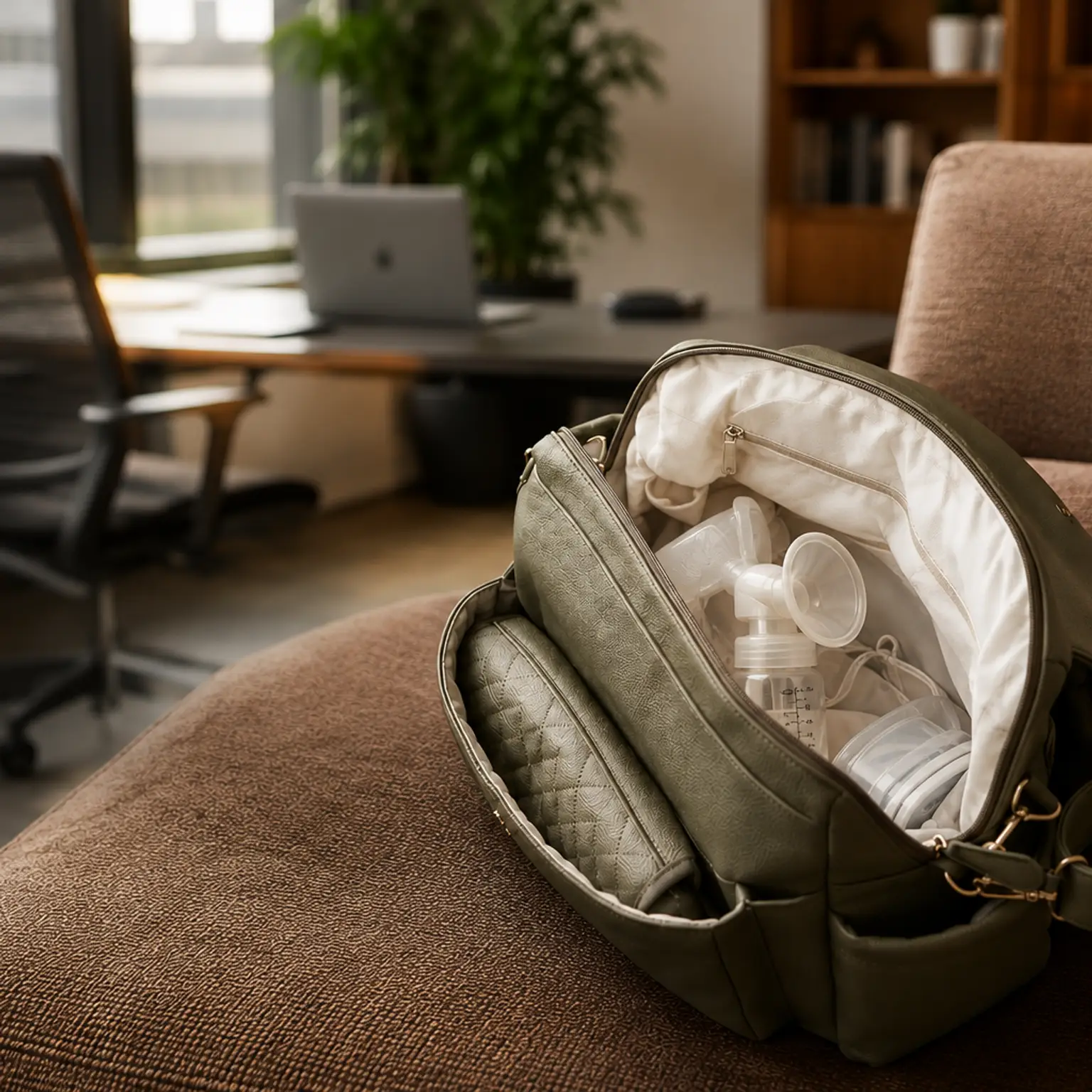

Returning to work after maternity leave is a major milestone. Along with adjusting to new routines, many breastfeeding mothers are also figuring out how to continue pumping while balancing meetings, deadlines, commutes, and childcare.
The good news? It doesn't have to be perfect to be successful.
Whether you're exclusively pumping, combining breastfeeding with formula, or nursing whenever you're home, a realistic routine can help you maintain your milk supply while making the transition back to work feel much more manageable.
Here's how to make pumping at work work for you.
Returning to Work While Breastfeeding: What to Expect
The first few weeks back at work often come with a learning curve. Your body is adjusting to a new feeding schedule, your baby is adapting to different caregivers, and you're figuring out how pumping fits into your workday.
It's completely normal to experience:
- Changes in your milk output
- Emotional ups and downs
- Concerns about maintaining supply
- Stress around finding time to pump
- Worries about breast milk storage and transportation
Give yourself grace during this transition. Your routine will likely evolve over the first few weeks as you learn what works best for you and your baby.
Creating a Pumping Schedule That Actually Works
One of the easiest ways to maintain your milk supply is to pump around the same times your baby would normally feed.
For many working parents, that might mean:
- Pumping before leaving home
- Pumping every 3–4 hours during the workday
- Nursing after daycare pickup
- Pumping again before bedtime if needed
Setting reminders on your phone or calendar can help protect your pumping schedule, especially during busy workdays.
Remember that consistency is usually more important than perfection. Missing an occasional session happens, and it doesn't mean your breastfeeding journey is over.
Know Your Rights: Pumping Breaks and Workplace Support
If you're returning to work in the United States, it's worth understanding your workplace protections.
The PUMP for Nursing Mothers Act expands workplace protections by requiring many employers to provide reasonable break time and a private space—not a bathroom—for expressing breast milk during the workday.
If possible, talk with your manager or HR department before your first day back. Planning ahead can help reduce stress and ensure you know where you'll pump and how your schedule will work.
Open communication often makes the transition smoother for everyone involved.
What to Pack in Your Pumping Bag Every Day
Having a dedicated pumping bag means you're less likely to forget important supplies when mornings get hectic.
Consider packing:
- Breast pump and charging cable
- Pump parts and extra valves
- Milk storage bags or bottles
- Cooler bag with ice packs
- Nursing pads
- Hand sanitizer
- Cleaning wipes for pump parts
- Extra shirt (just in case)
- Water bottle and healthy snacks
Keeping everything organized makes pumping sessions quicker and less stressful.
Storing Breast Milk Safely at Work and During Your Commute
Safe breast milk storage is just as important as pumping itself.
Freshly expressed milk can usually remain at room temperature for a limited period, but using an insulated cooler with ice packs is often the easiest option for commuting parents.
Simple habits can help protect milk quality:
- Clearly label storage containers with the date.
- Refrigerate milk as soon as possible.
- Use an insulated cooler during your commute.
- Follow current storage recommendations from your pediatrician or healthcare provider.
A little preparation each day makes transporting milk much less stressful.
Making the Transition Easier for You and Your Baby
Returning to work isn't only an adjustment for you—it's also a transition for your baby.
Keeping mornings calm, maintaining familiar bedtime routines, and making feeding time at home as relaxing as possible can help everyone settle into the new rhythm.
Creating a comfortable nursing space at home can also make reconnecting after work feel more intentional. Many parents appreciate the support of a Glider for evening feeds or story time, while a consistent bedtime routine in a Crib can help babies feel secure as they adjust to new daily schedules.
Most importantly, remember that every family's feeding journey looks different. Whether you're pumping for a few weeks, several months, or longer, you're providing care and nourishment in the way that works best for your family.
Frequently Asked Questions
How often should I pump at work to maintain my milk supply?
Most breastfeeding parents pump every three to four hours during the workday, though your schedule may vary depending on your baby's age and feeding routine.
How long can breast milk stay out after pumping?
Storage recommendations depend on room temperature and storage conditions. Always follow current guidance from your healthcare provider or trusted health organizations.
What should I pack for pumping at work?
Bring your breast pump, pump parts, milk storage bags or bottles, cooler bag with ice packs, nursing pads, cleaning supplies, snacks, and water.
How do I transition from maternity leave back to work while breastfeeding?
Start practicing your pumping routine before returning to work, communicate with your employer, and give yourself time to adjust during the first few weeks.
Can I successfully breastfeed and work full-time?
Yes. Many parents successfully combine breastfeeding and full-time work by establishing a consistent pumping routine and planning ahead.
Wrapping Up: Finding a Routine That Works for You
Returning to work while breastfeeding is a big adjustment, but it doesn't have to be an all-or-nothing journey. A flexible pumping routine, thoughtful preparation, and realistic expectations can help you navigate this new chapter with more confidence. Remember, the goal isn't perfection—it's finding a rhythm that supports both you and your baby, one workday at a time.
Suggested For You

Child Passenger Safety Week: The Car-Seat Mistakes Parents Don’t Realize They’re Making
Car-seat safety can feel straightforward until small details start adding up. A harness that's slightly too loose, a seat that's not installed as securely as it should be, or moving to the next stage too soon can all affect how well a car seat protects your child. This Child Passenger Safety Week, here's a practical look at five mistakes parents may not realize they're making—and what to check before your next drive.
Read more
Baby Safety Month: The Nursery Details Parents Notice Too Late
You’ve checked the crib, secured the furniture, and babyproofed the obvious hazards—but what about the small nursery details that are easy to overlook? From window cords and furniture placement to changing areas and everyday essentials, Baby Safety Month is a great reminder to take a closer look at the nursery before these details become problems.
Read more
The Nursery Reset: 7 Things to Change Before Baby’s First Fall
As summer fades and cooler days arrive, your baby's nursery may need a few thoughtful updates. From adjusting sleepwear and checking room temperature to reviewing crib safety and preparing for shorter days, a seasonal nursery reset can help create a comfortable, safe space for your baby all fall long.
Read more
The Daycare Countdown: What to Actually Do Before Baby's First Day
The first day of daycare is a milestone for both babies and parents. While it's normal to feel emotional, preparing in advance can make the transition smoother. From practicing new routines and packing the right essentials to asking the right questions and easing separation anxiety, here's what to do before your baby's first day of daycare.
Read more
Feeling Overwhelmed? 5 Simple Things That Actually Help New Moms
Becoming a new mom is beautiful—but it's also exhausting. Between sleepless nights, feeding schedules, endless advice, and the pressure to "do it all," feeling overwhelmed is more common than most parents expect. The good news is that you don't need a perfect routine to feel better. Small, practical changes can make a meaningful difference in your well-being and your baby's daily routine.
Read more
The Sibling Effect: How a New School Routine Throws Off Baby's Sleep (And How to Fix It)
Back-to-school season doesn't just affect school-aged children—it can completely reshape life for babies, too. Earlier wake-ups, rushed mornings, afternoon pickups, and changing household routines can disrupt naps and bedtime. With a few intentional adjustments, you can support your baby's sleep while helping the entire family settle into a new routine.
Read more
Toddler Drowning Prevention: What Every Parent Near Water Should Know
Whether you're spending the day at the beach, relaxing by the pool, or visiting a lake this summer, water safety should always come first. Drowning is one of the leading causes of accidental injury-related deaths among young children—but many incidents are preventable. Here's what every parent should know about supervising toddlers around water, building safe habits, and preparing for a safer summer.
Read more


