



Southern Food Culture Is Changing How Atlanta Parents Feed Their Babies
7–8 minute read
August 9, 2026
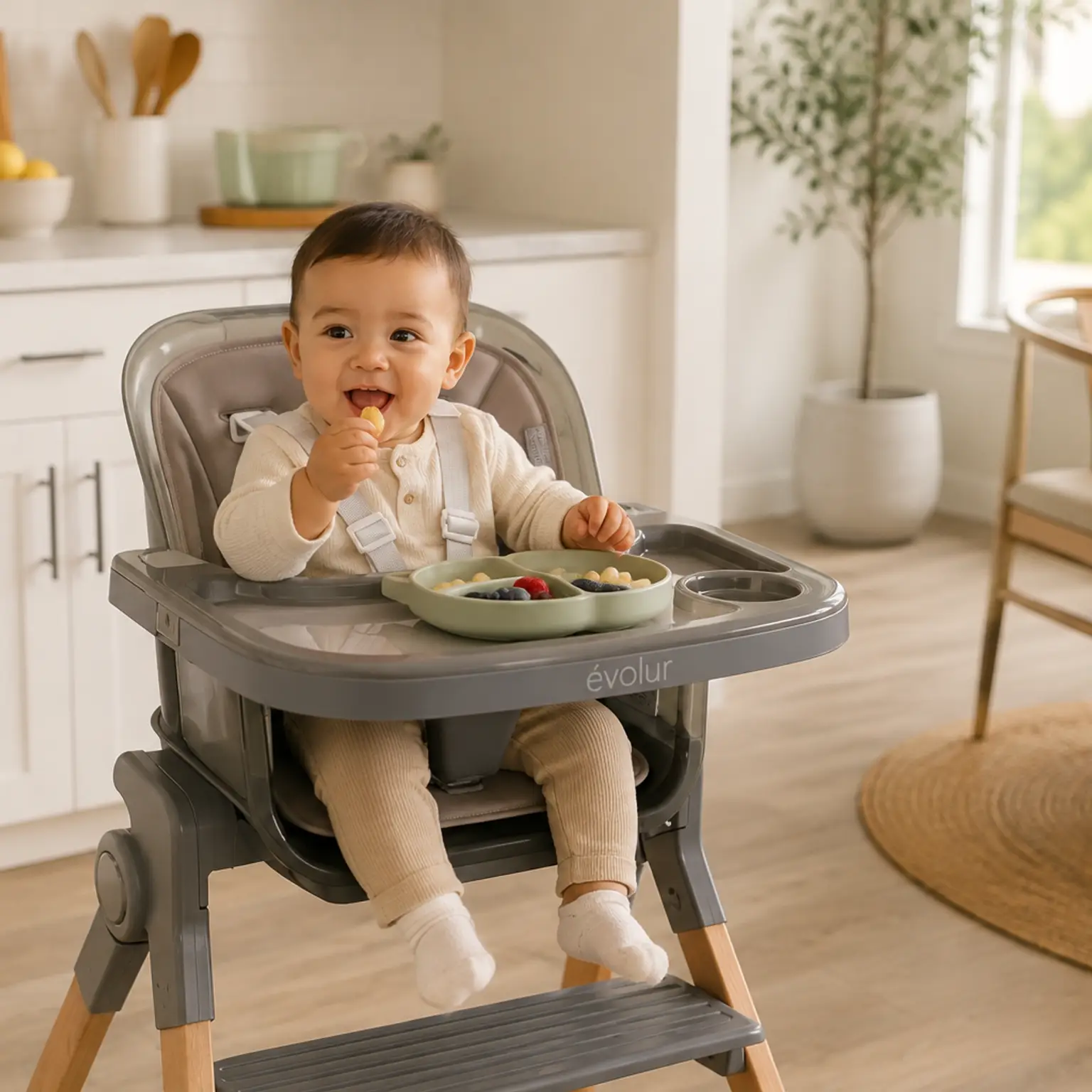
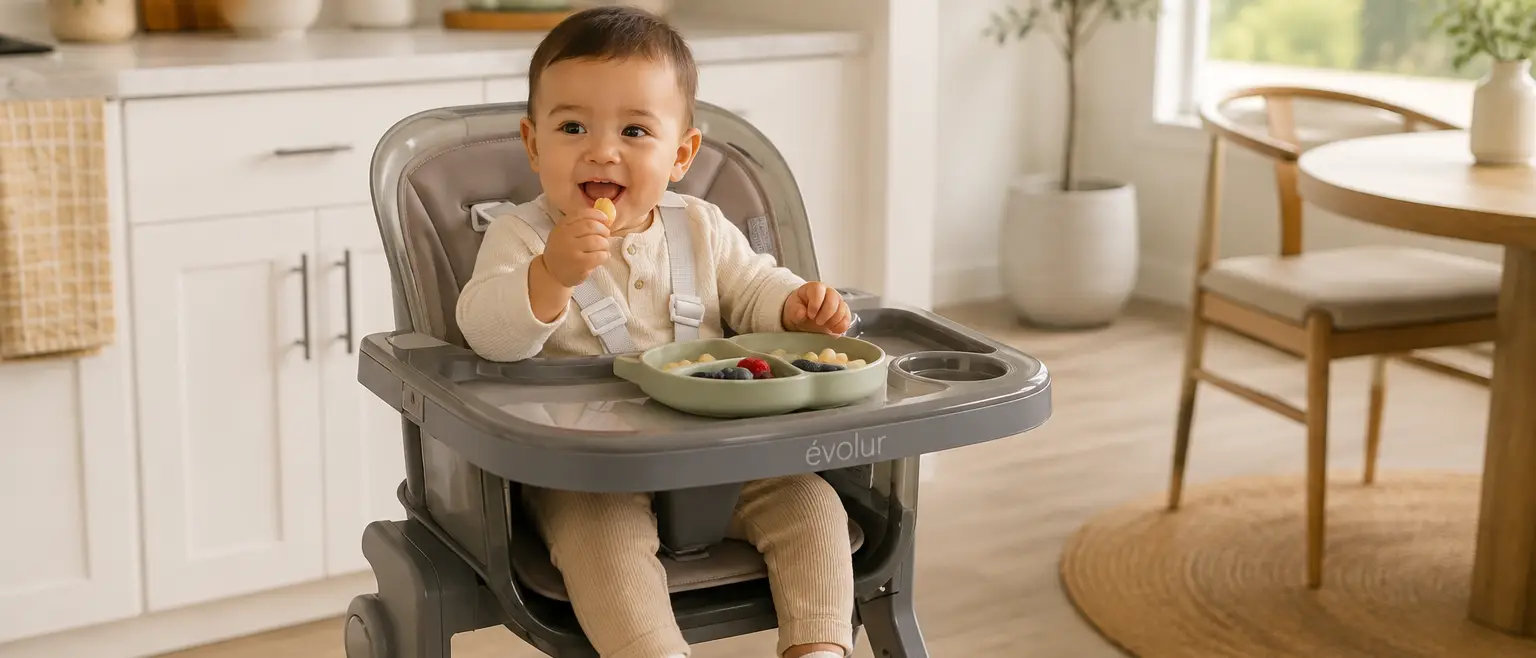
In Atlanta, food is more than just nourishment—it's tradition, community, and family. Sunday dinners, backyard cookouts, and recipes passed down through generations have always been at the heart of Southern living.
Today's parents, however, are approaching baby nutrition a little differently. While they still value family traditions, they're also relying on current pediatric guidance to introduce solids safely, encourage self-feeding, and establish healthy eating habits from the very beginning.
The result is a thoughtful balance between honoring Southern food culture and giving babies the best possible nutritional start.
How Southern Family Traditions Are Influencing Modern Baby Nutrition
For many families, introducing solids isn't just another developmental milestone—it's the baby's first seat at the family table.
Instead of preparing completely separate meals, more parents are adapting family favorites into baby-friendly versions. Soft vegetables, mashed sweet potatoes, avocado, ripe peaches, oatmeal, and tender cooked beans have become popular first foods because they're naturally nutritious and easy for babies to explore.
This approach helps babies become familiar with the foods their families already enjoy while encouraging shared mealtimes from an early age.
It also creates positive food experiences that can support healthy eating habits well into childhood.
Introducing First Foods: Blending Tradition with Pediatric Recommendations
While family recipes remain meaningful, today's parents are paying closer attention to evidence-based feeding guidance.
Current pediatric recommendations generally suggest introducing complementary foods around six months of age, once babies show signs of developmental readiness, such as:
- Sitting with minimal support
- Good head and neck control
- Showing interest in food
- Bringing objects to their mouth
- Losing the tongue-thrust reflex
Parents are also introducing a wider variety of nutrient-rich foods earlier than previous generations, including fruits, vegetables, whole grains, proteins, and common allergens when appropriate under pediatric guidance.
The goal isn't simply getting babies to eat—it's helping them build lifelong healthy relationships with food.
Why Baby-Led Weaning Is Growing in Popularity Among Atlanta Families
Baby-led weaning has become increasingly popular among families looking to encourage independence during mealtimes.
Rather than relying solely on spoon-fed purées, babies are offered appropriately sized pieces of soft food that they can pick up and feed themselves.
Parents often appreciate this approach because it encourages:
- Fine motor development
- Self-regulation during meals
- Exposure to different textures
- Family-style eating
- Greater independence
Of course, baby-led weaning isn't the only right approach. Many families successfully combine purées with finger foods, creating a flexible feeding routine that works for their child.
The best feeding method is the one that keeps your baby safe, well-nourished, and engaged during mealtimes.
Creating Healthy Mealtime Habits from the Very Beginning
Healthy eating isn't only about what babies eat—it's also about the environment where meals happen.
Simple habits can make a big difference:
- Eat together whenever possible.
- Avoid distractions like televisions or phones.
- Let babies explore new textures at their own pace.
- Don't pressure babies to finish every bite.
- Keep mealtimes positive and relaxed.
A supportive feeding setup also helps.
An ergonomic high chair helps babies sit comfortably at family meals while encouraging good posture as they learn to self-feed.
Practical essentials like silicone bibs, suction bowls, divided plates, and straw cups can also make everyday meals less messy and more enjoyable for both parents and little ones.
Making Family Meals Baby-Friendly Without Cooking Separate Dinners
One of the biggest concerns for new parents is whether they'll need to prepare separate meals for their baby every day.
Fortunately, that's rarely necessary.
Many family meals can be adapted with just a few simple adjustments:
- Steam vegetables until they're soft enough for babies.
- Skip added salt and sugar when preparing baby portions.
- Shred tender meats into small pieces.
- Mash beans or cooked vegetables for younger babies.
- Offer soft fruits as naturally sweet desserts.
These small modifications allow babies to participate in family meals while gradually exploring new flavors and textures.
It's an approach that supports healthy eating without doubling your time in the kitchen.
Building a Feeding Routine That Grows with Your Child
As babies become toddlers, mealtimes naturally become more active—and sometimes a little messier.
Having dependable feeding gear can make everyday routines feel much smoother.
A comfortable high chair that adjusts with your growing child, easy-to-clean feeding accessories, and organized diaper bags for meals away from home all contribute to less stressful outings and family gatherings.
Whether you're heading to grandparents' house, a neighborhood picnic, or a weekend road trip, a thoughtfully packed Diaper Bag helps keep snacks, bibs, bottles, utensils, and extra clothes organized for wherever the day takes you.
Most importantly, remember that every child develops at their own pace. Some babies eagerly try everything on their plate, while others need multiple introductions before accepting new foods. Patience, consistency, and positive family mealtimes often matter more than achieving a "perfect" feeding schedule.
Frequently Asked Questions
When should babies start eating solid foods?
Most babies are developmentally ready for complementary foods around six months of age, though it's always best to discuss timing with your pediatrician.
Can babies eat traditional Southern foods?
Yes—many Southern foods can be adapted for babies by avoiding added salt, sugar, and choking hazards while serving soft, age-appropriate textures.
Is baby-led weaning recommended for first-time parents?
Baby-led weaning can be a great option for many families, but it isn't the only approach. Some parents combine finger foods with spoon-fed meals based on their baby's readiness.
What are healthy first foods for babies?
Soft vegetables, fruits, oatmeal, avocado, yogurt, eggs, beans, and iron-rich proteins are all common first foods recommended for growing babies.
What feeding essentials do parents really need?
A supportive high chair, silicone bibs, easy-to-clean feeding accessories, and a well-organized diaper bag can make everyday mealtimes much more manageable.
Wrapping Up: Building Healthy Habits, One Bite at a Time
Family traditions and modern nutrition don't have to compete—they can grow together. By introducing wholesome foods, encouraging positive mealtime experiences, and choosing practical feeding essentials that fit your family's lifestyle, you're helping your child build healthy habits that last far beyond the baby years.
Suggested For You

Child Passenger Safety Week: The Car-Seat Mistakes Parents Don’t Realize They’re Making
Car-seat safety can feel straightforward until small details start adding up. A harness that's slightly too loose, a seat that's not installed as securely as it should be, or moving to the next stage too soon can all affect how well a car seat protects your child. This Child Passenger Safety Week, here's a practical look at five mistakes parents may not realize they're making—and what to check before your next drive.
Read more
Baby Safety Month: The Nursery Details Parents Notice Too Late
You’ve checked the crib, secured the furniture, and babyproofed the obvious hazards—but what about the small nursery details that are easy to overlook? From window cords and furniture placement to changing areas and everyday essentials, Baby Safety Month is a great reminder to take a closer look at the nursery before these details become problems.
Read more
The Nursery Reset: 7 Things to Change Before Baby’s First Fall
As summer fades and cooler days arrive, your baby's nursery may need a few thoughtful updates. From adjusting sleepwear and checking room temperature to reviewing crib safety and preparing for shorter days, a seasonal nursery reset can help create a comfortable, safe space for your baby all fall long.
Read more
The Daycare Countdown: What to Actually Do Before Baby's First Day
The first day of daycare is a milestone for both babies and parents. While it's normal to feel emotional, preparing in advance can make the transition smoother. From practicing new routines and packing the right essentials to asking the right questions and easing separation anxiety, here's what to do before your baby's first day of daycare.
Read more
Feeling Overwhelmed? 5 Simple Things That Actually Help New Moms
Becoming a new mom is beautiful—but it's also exhausting. Between sleepless nights, feeding schedules, endless advice, and the pressure to "do it all," feeling overwhelmed is more common than most parents expect. The good news is that you don't need a perfect routine to feel better. Small, practical changes can make a meaningful difference in your well-being and your baby's daily routine.
Read more
The Sibling Effect: How a New School Routine Throws Off Baby's Sleep (And How to Fix It)
Back-to-school season doesn't just affect school-aged children—it can completely reshape life for babies, too. Earlier wake-ups, rushed mornings, afternoon pickups, and changing household routines can disrupt naps and bedtime. With a few intentional adjustments, you can support your baby's sleep while helping the entire family settle into a new routine.
Read more
Toddler Drowning Prevention: What Every Parent Near Water Should Know
Whether you're spending the day at the beach, relaxing by the pool, or visiting a lake this summer, water safety should always come first. Drowning is one of the leading causes of accidental injury-related deaths among young children—but many incidents are preventable. Here's what every parent should know about supervising toddlers around water, building safe habits, and preparing for a safer summer.
Read more


