



From Crib to Big Kid Bed: How Convertible Cribs Actually Work (and When to Make the Switch)
6-7 minute read
July 10, 2026
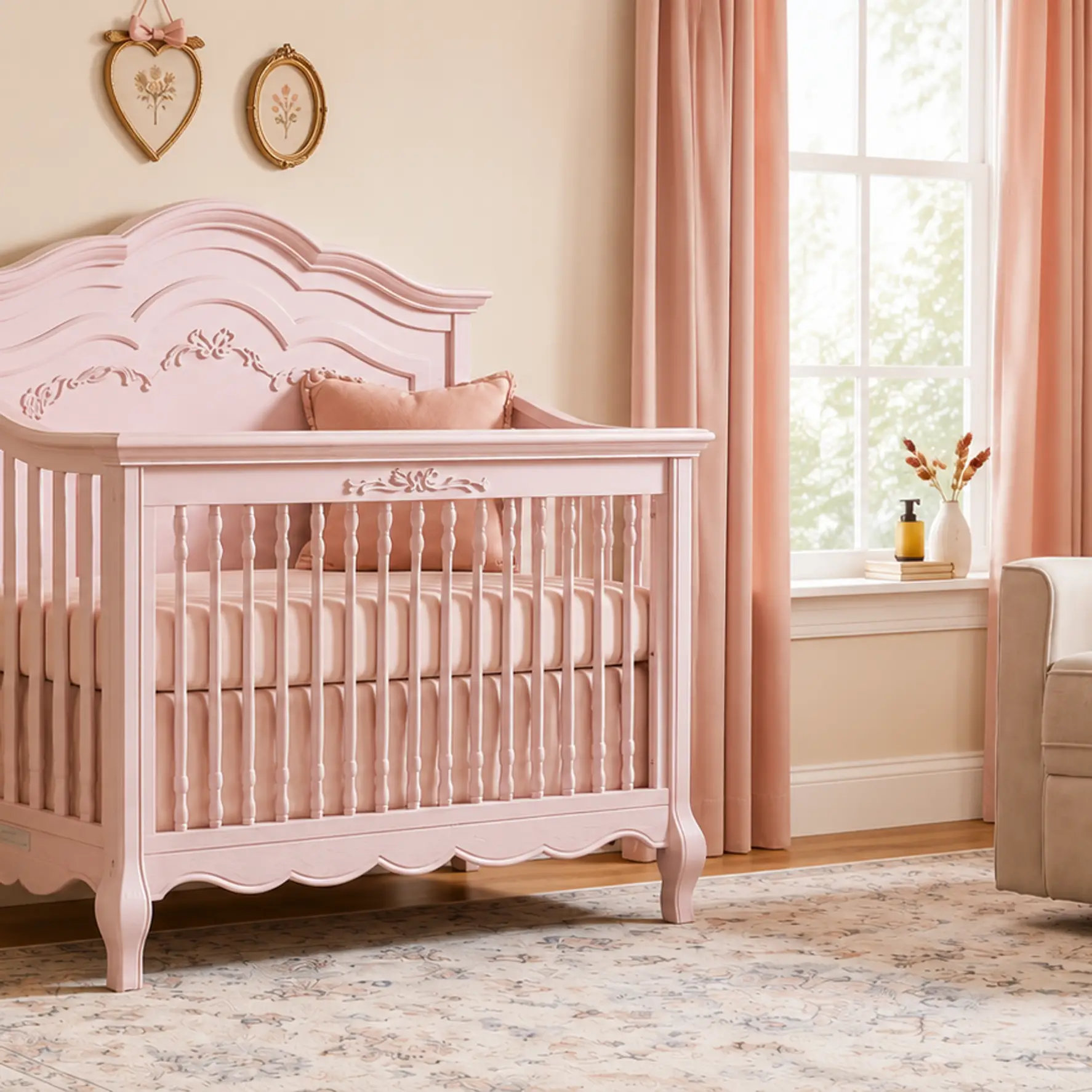
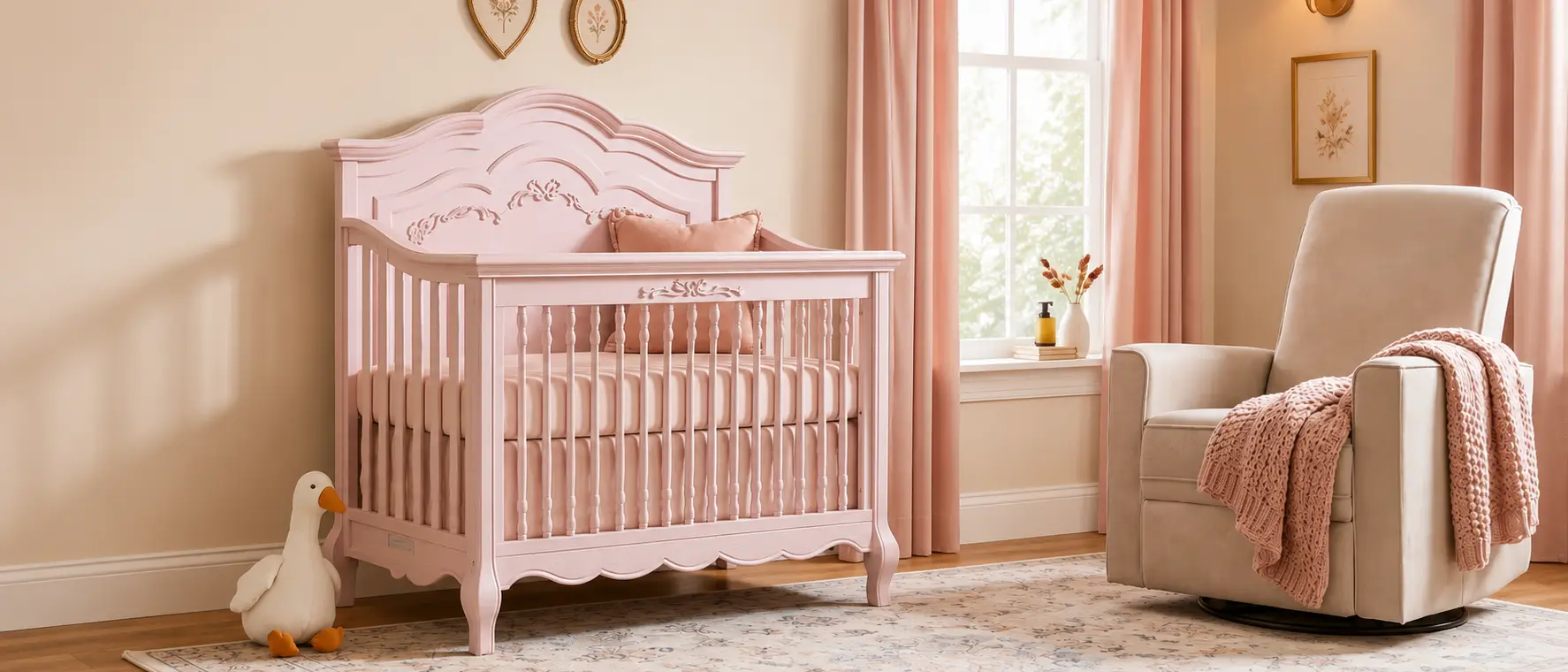
Convertible cribs are one of the most practical investments in baby furniture, offering long-term use from infancy through the toddler years—and even into childhood. But while the concept of a “crib that grows with your child” sounds simple, many parents are left wondering how these conversions actually work and when it’s truly time to transition.
This guide breaks down the stages of a 4-in-1 convertible crib, the behavioral and safety signs that signal readiness, and what you’ll need to make the switch smoothly.
5 Signs It’s Time to Transition Your Toddler Out of the Crib
Most toddlers transition out of a nursery crib between 18 months and 3.5 years, but readiness depends far more on behavior than age.
1. The Great Escape: Your Toddler Is Climbing Out
If your child is attempting—or successfully managing—to climb over crib rails, the crib is no longer a safe sleep environment. Falls from crib height pose a serious injury risk and signal that it’s time to convert immediately.
2. Crib Height Adjustments No Longer Help
Lowering the mattress works temporarily, but once your toddler’s height and mobility outpace the crib’s design, safety diminishes quickly.
3. Potty Training Has Begun
Nighttime potty training often requires independent bed access. A toddler bed setup allows your child to get in and out safely without climbing.
4. Sleep Resistance in the Crib
If your toddler suddenly resists bedtime, requests a “big kid bed,” or wakes frequently due to confinement, a transition may improve sleep quality.
5. Weight or Size Limits Are Approaching
Every baby bed has manufacturer-specified height and weight limits. Exceeding them compromises structural integrity and safety.
For pediatric guidance on readiness, Stanford Children’s Health provides an excellent overview
How a 4-in-1 Convertible Crib Works: The Stages Explained
A 4-in-1 convertible crib is designed to move through four distinct sleep stages using the same core structure.
Stage 1: The Standard Baby Cot / Infant Bed
This is the crib’s original configuration, with fixed rails and adjustable mattress heights to support newborns and growing infants safely.
Stage 2: The Daybed Conversion (Removing the Front Crib Rails)
The front rail is removed, creating a low, open sleep surface. This is often used as a short-term transition or nap bed.
Stage 3: The Toddler Bed Setup (Adding Toddler Bed Rails)
Toddler bed rails are installed to prevent rolling while allowing easy access. This stage supports independence while maintaining safety.
Stage 4: The Full-Size Bed Transition (Headboard & Footboard)
With a conversion kit, the crib transforms into a full-size bed using a standard mattress—extending the life of the furniture well into their teen years and adulthood.
What You Need for the Transition: Kits, Mattresses, and Hardware
Not all convertible beds include every component upfront. Parents should verify:
- Toddler bed rails (sometimes sold separately)
- Full-size bed conversion kits (headboard/footboard hardware)
- Mattress compatibility (crib mattress work for toddler beds, not standard full-size beds)
- Manufacturer-specific hardware
Before converting, always consult your crib’s manual to ensure correct installation and weight limits.
Leading Brands in Convertible Longevity: Dream On Me vs. Evolur
Two widely recognized brands in the convertible crib category are Dream On Me and Evolur.
- Dream On Me cribs are known for affordability, compact designs, and broad availability—ideal for modern or small nurseries.
- Evolur cribs focus on premium finishes, mid-century crib styling, and long-term durability, often appealing to parents investing in design-forward nursery furniture.
Both brands offer 4-in-1 crib options, but conversion kit inclusions and materials vary—always check product specifications.
Nursery Safety Standards to Verify Prior to Conversion
Once crib rails come down, the entire room becomes accessible. Before transitioning:
- Anchor all baby furniture to the wall
- Cover electrical outlets
- Secure cords, blinds, and shelving
- Install baby gates if the room connects to stairs
- Use bed rails designed specifically for your crib model
A toddler bed is only as safe as the room around it.
Frequently Asked Questions
At what age do most toddlers transition out of a nursery crib? Most transition between 18 months and 3.5 years, depending on mobility, climbing behavior, and sleep readiness.
Do convertible cribs come with toddler rails and full-size kits included? Some do, many don’t. Toddler rails and full-size bed conversion kits are often sold separately.
Can I use the same baby bed mattress for a toddler bed conversion? Yes. Crib mattresses are designed to fit toddler bed configurations. A new mattress is required for full-size bed conversions.
How do I ensure nursery safety once the crib rails come down? Room-proof the nursery completely—assume your toddler can reach, open, and climb everything.
Explore Convertible Crib Options
Browse a curated selection of long-lasting nursery cribs here
Learn more about thoughtfully designed baby furniture
Wrapping Up: Growth Without the Guesswork
Convertible cribs simplify one of early parenting’s biggest transitions by offering flexibility without sacrificing safety. When you understand the stages, watch for readiness cues, and prepare the nursery accordingly, moving from crib to big kid bed becomes less about disruption and more about supporting your child’s growing independence—one step at a time.
Suggested For You

Best Baby Gear for Fall Walks in Chicago, Boston & New York
Fall walks in Chicago, Boston, and New York come with cooler temperatures, changing weather, busy sidewalks, and plenty of opportunities to get outside with your baby. From the right stroller to weather-ready accessories, here's the baby gear that can make city walks more comfortable and practical.
Read more
Baby Gear That Looks Safe but Isn’t: What Parents Should Watch For
Baby gear is designed to make parenting easier, but appearance alone doesn't tell you whether a product is safe. From sleep products and loungers to high chairs and changing gear, certain features can create risks that aren't immediately obvious. Here's what parents should look for before bringing baby gear into their home—and the warning signs that shouldn't be ignored.
Read more
Boston Apartments Are Tiny. These Cribs Were Designed for Them
In Boston, a nursery doesn't always mean a dedicated room. From historic brownstones and walk-up apartments to compact city bedrooms, parents often have to make every square foot count. The right crib can make a surprisingly big difference. Here's how to choose a safe, functional crib that fits a smaller Boston apartment without sacrificing style or room to grow.
Read more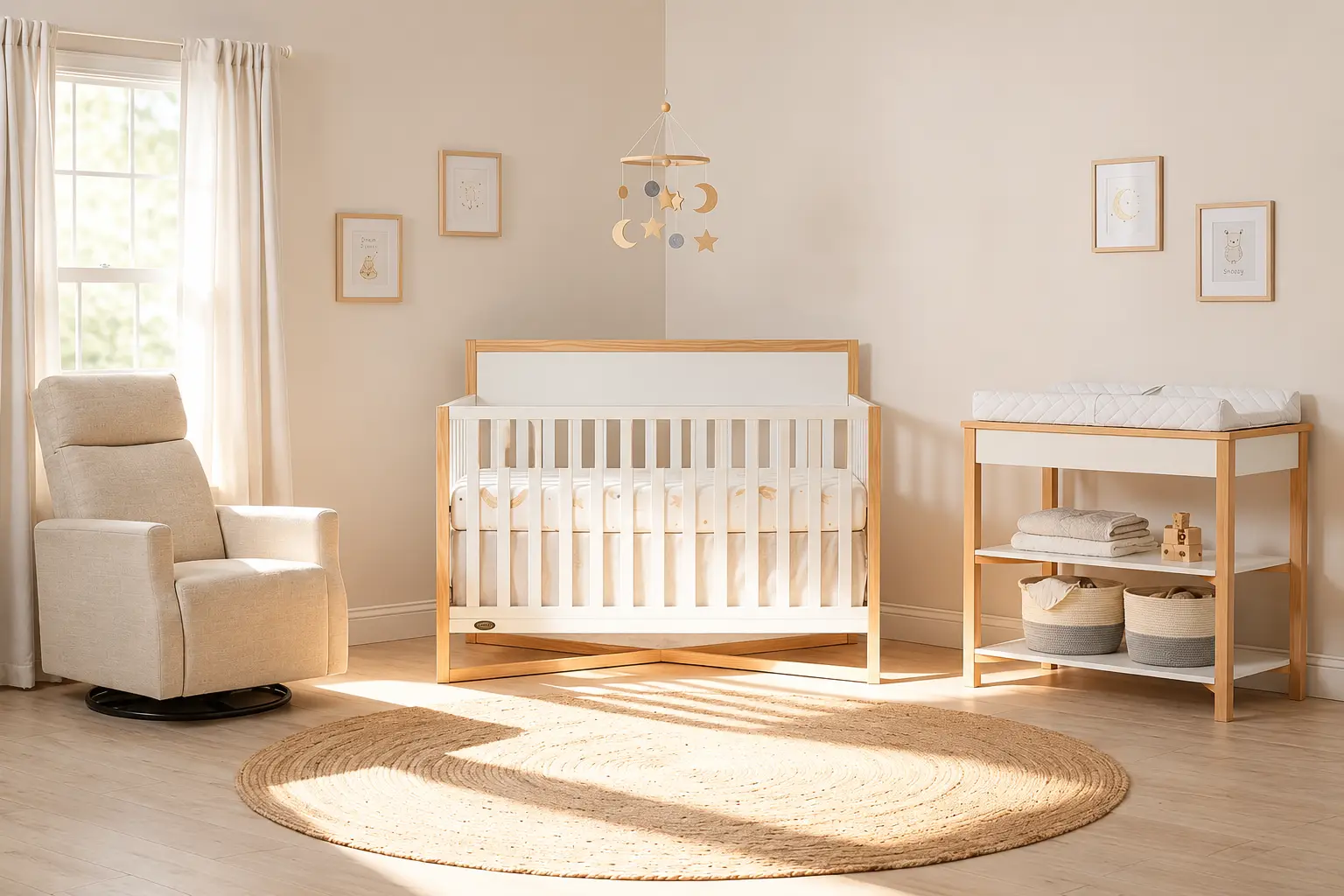
The Hidden Hazards in NYC Apartments That Every Baby Safety Guide Completely Ignores
Babyproofing a New York City apartment isn't quite the same as babyproofing a suburban home. Radiators, fire escapes, narrow layouts, old windows, exposed pipes, and limited storage can create safety challenges that standard babyproofing checklists don't always address. Here's what NYC parents should look for before a baby starts exploring.
Read more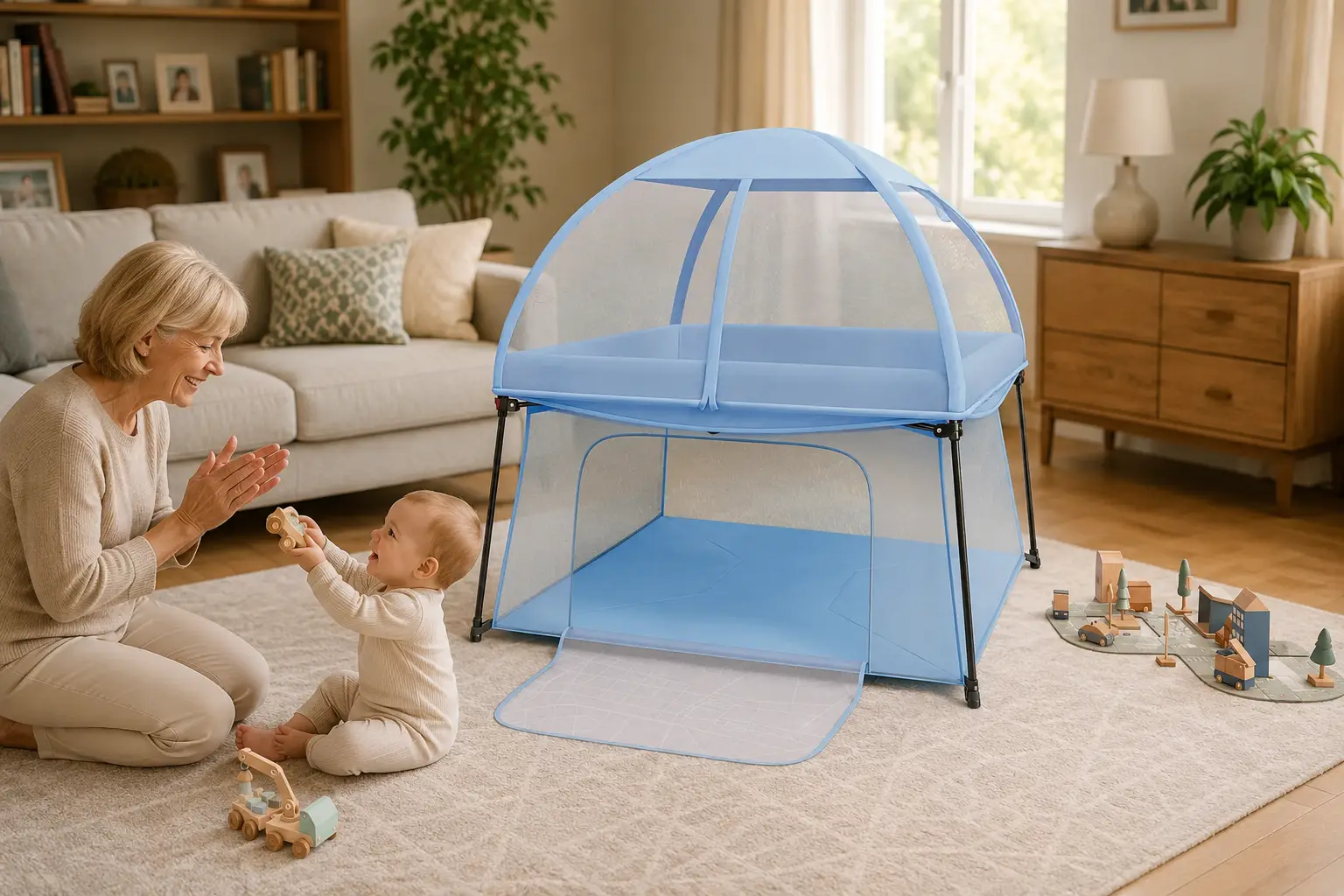
The Grandparents’ Guide to a Baby-Safe Home: What’s Changed Since You Raised Kids
Grandparents have plenty of parenting wisdom to share—but baby safety recommendations have changed significantly over the years. From sleep environments and car seats to cribs and babyproofing, here’s a practical guide to the updated safety advice grandparents should know when preparing their homes for a new grandbaby.
Read more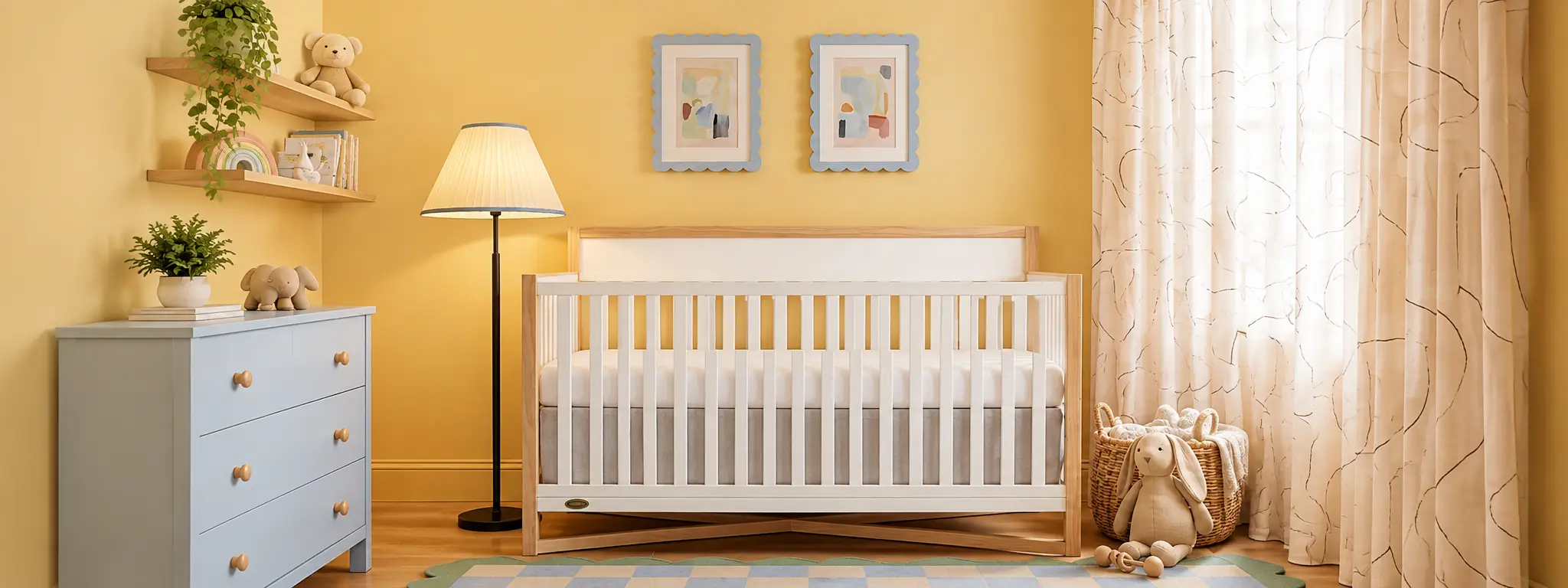
You Can Design a Beautiful Nursery in 80 Square Feet
You don't need a large room to create a nursery that feels beautiful, functional, and calming. Whether you're working with a city apartment, a shared bedroom, or a compact home, thoughtful design choices can make every square foot count. From convertible cribs to vertical storage and light-enhancing color palettes, here's how to create a nursery that works just as hard as you do.
Read more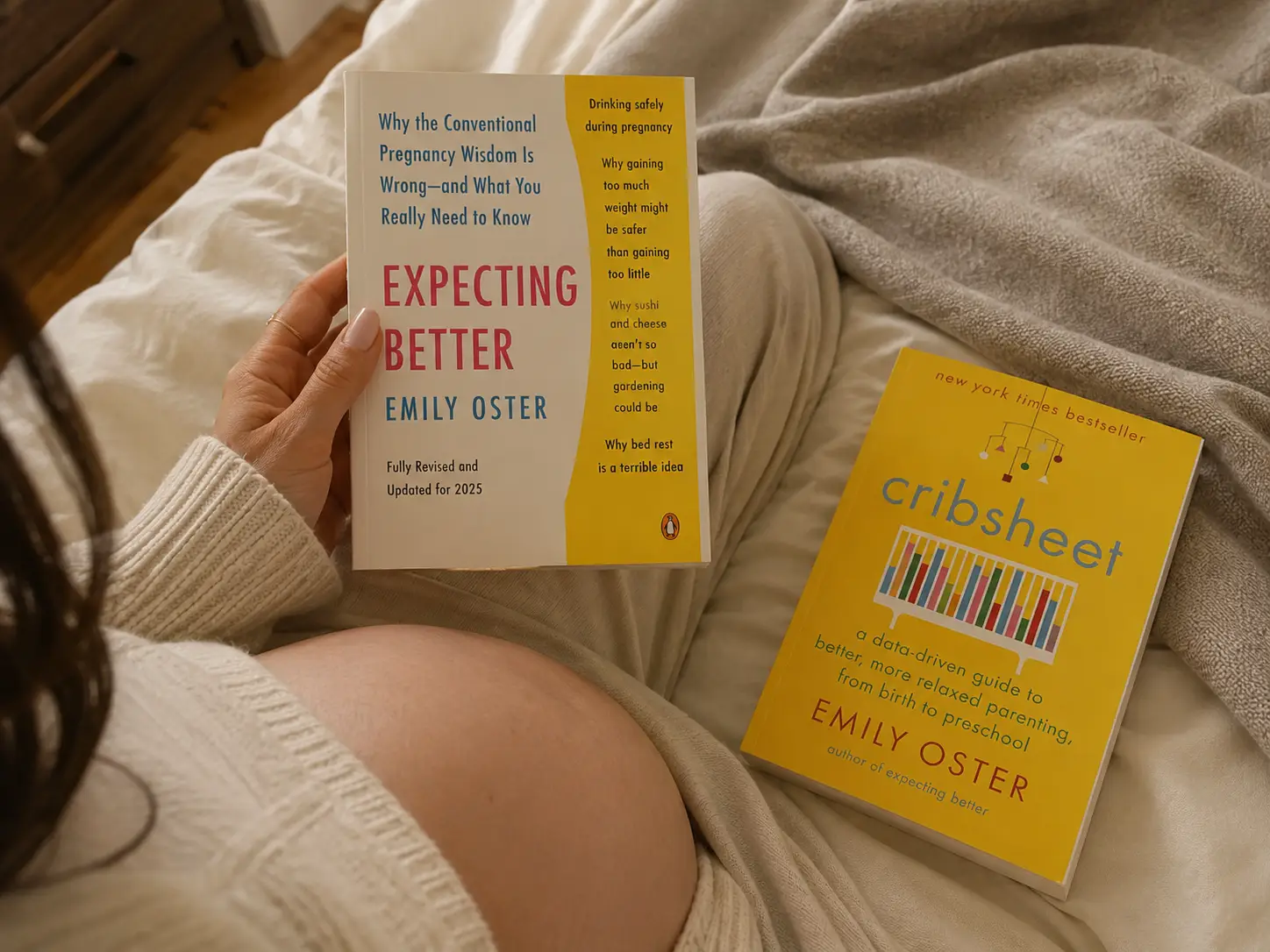
Must-Read List: 10 Best Books for Parents Before Baby Arrives (2026)
Preparing for your baby's arrival goes beyond buying nursery essentials—it also means preparing yourself. Discover the best books for parents, from evidence-based pregnancy guides and newborn care resources to relationship advice and safe sleep recommendations. This curated reading list will help you enter parenthood with confidence.
Read more


