



Safe Sleep Week 2026: Updated AAP Guidelines Every Parent Should Know
7 minute read
March 25, 2026
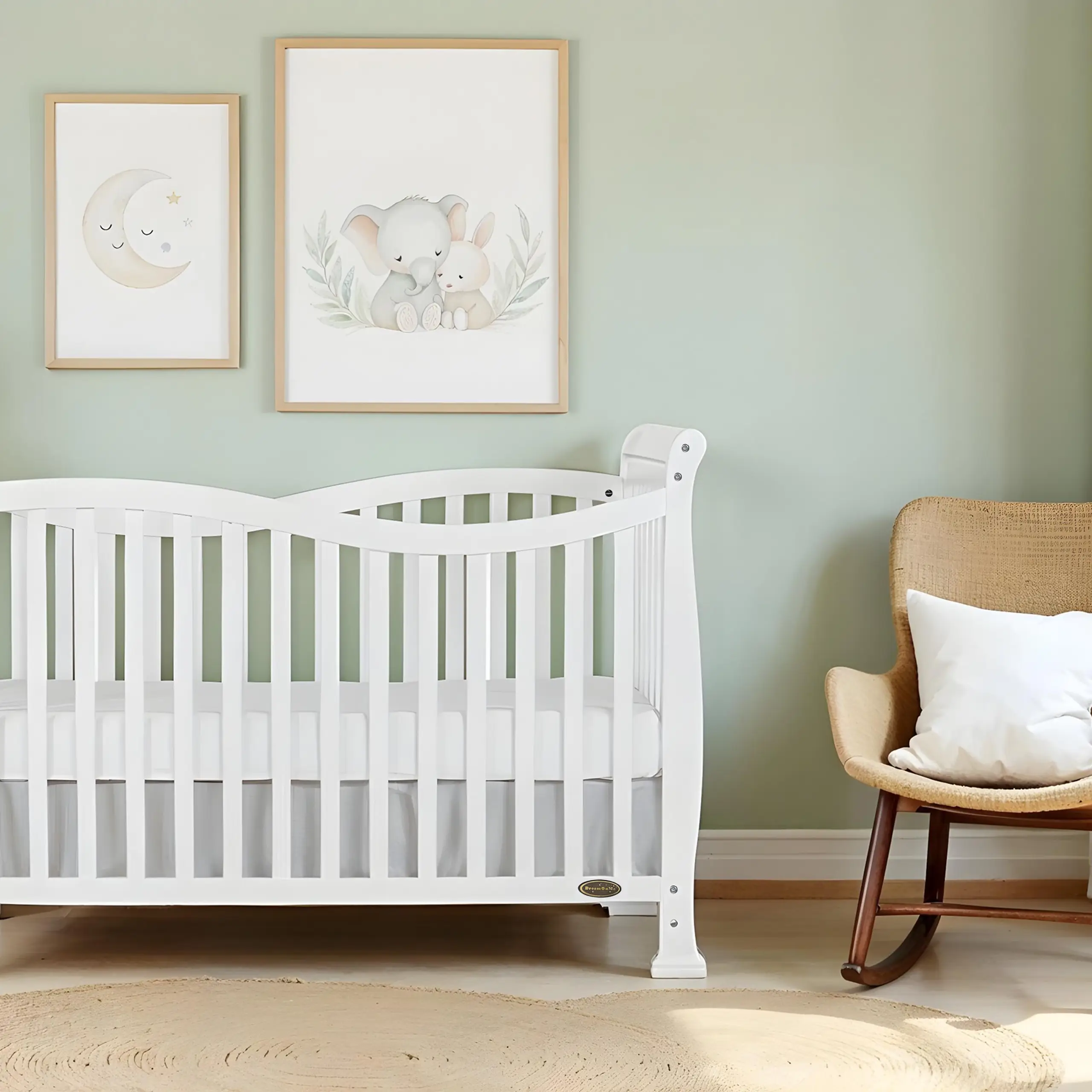
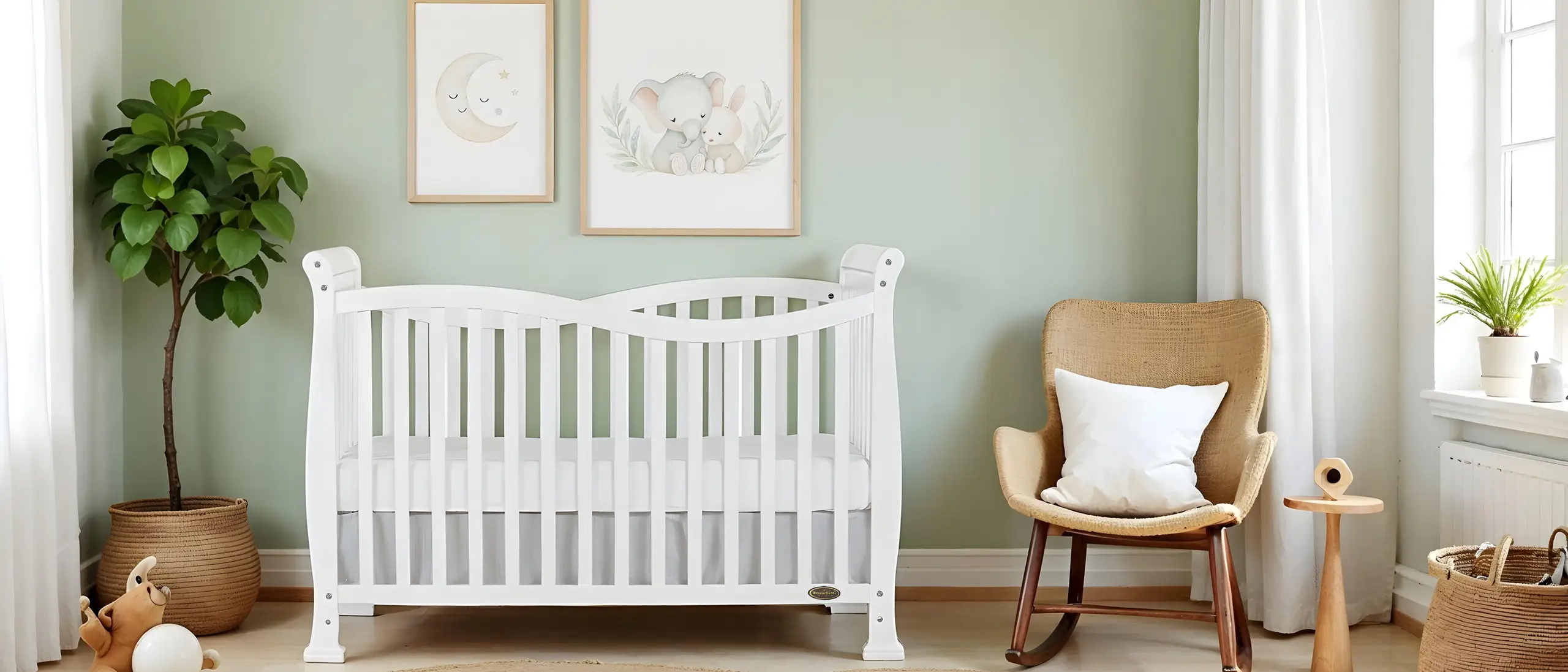
Sleep is essential for a baby’s growth and development, but it must also be safe sleep. During Safe Sleep Week 2026, pediatric experts emphasize that simple sleep practices can dramatically reduce the risk of sleep-related infant injuries and Sudden Infant Death Syndrome (SIDS).
Organizations like the American Academy of Pediatrics (AAP), the National Institutes of Health’s Safe to Sleep campaign, and the Consumer Product Safety Commission continue to update guidance based on the latest research. Their recommendations help parents create safe sleeping for infants' environments that prioritize safety, comfort, and healthy infant sleep habits.
This guide explains the updated recommendations and how parents can apply them at home.
The ABCs of Safe Sleep: Back to Basics for 2026
Safe sleep for newborns follows the ABC rule: Alone, on their Back, in a Crib or other firm sleep surface. This simple guideline remains the most effective way to reduce the risk of SIDS and sleep-related incidents during infancy.
According to the AAP, infants should always sleep:
- Alone – no pillows, blankets, toys, or bumpers
- On their Back – every sleep, including naps
- In a Crib or Bassinet – with a firm mattress and fitted sheet
These guidelines apply whether a baby sleeps in a crib, bassinet, or portable playard.
Learn more about safe sleep guidelines
New AAP Recommendations: What Has Changed for Infant Sleep?
The latest recommendations continue to emphasize reducing hazards in a baby's sleep environment while encouraging safe sleep habits early.
Key updates highlighted during Safe Sleep Week 2026 include:
- Reinforcing back sleeping for all naps and nighttime sleep
- Avoiding inclined sleepers or soft surfaces
- Encouraging room-sharing without bed-sharing
- Maintaining a clutter-free sleep area
The Safe to Sleep campaign stresses that proper sleep positioning and a firm surface dramatically lower SIDS risk.
These guidelines apply to all safe sleepers, including bassinets, cribs, and playards.
Choosing a Safe Sleeper: Why Surface Firmness is Non-Negotiable
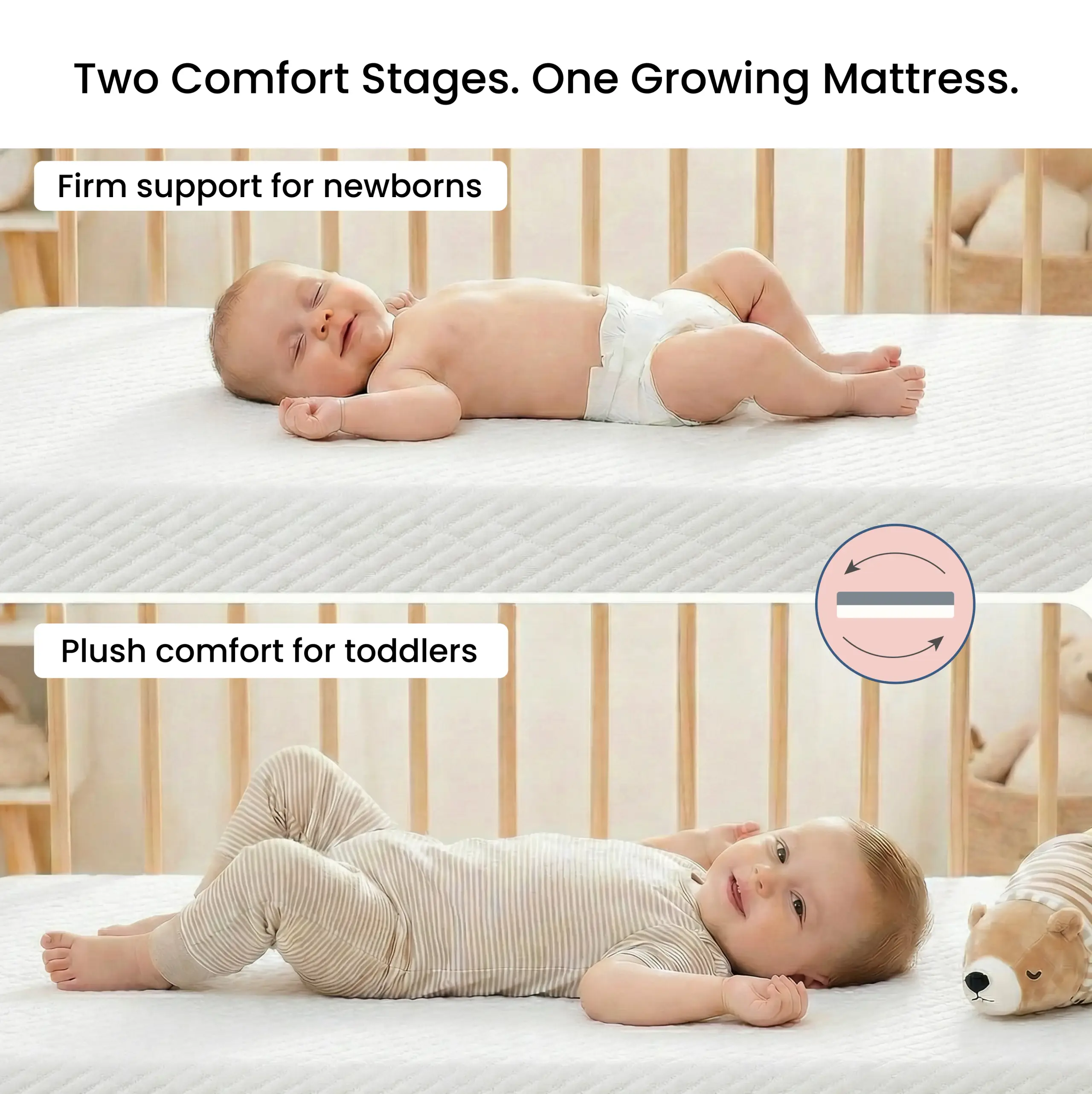
A firm sleep surface is one of the most important safety requirements for newborn sleep. Soft surfaces increase the risk of airway obstruction and are not recommended for infants.
A safe sleep surface should include:
- A firm crib mattress
- A tightly fitted sheet
- No extra padding or pillows
The Consumer Product Safety Commission also advises parents to choose sleep products designed specifically for infants.
Recommended Safe Sleep Products
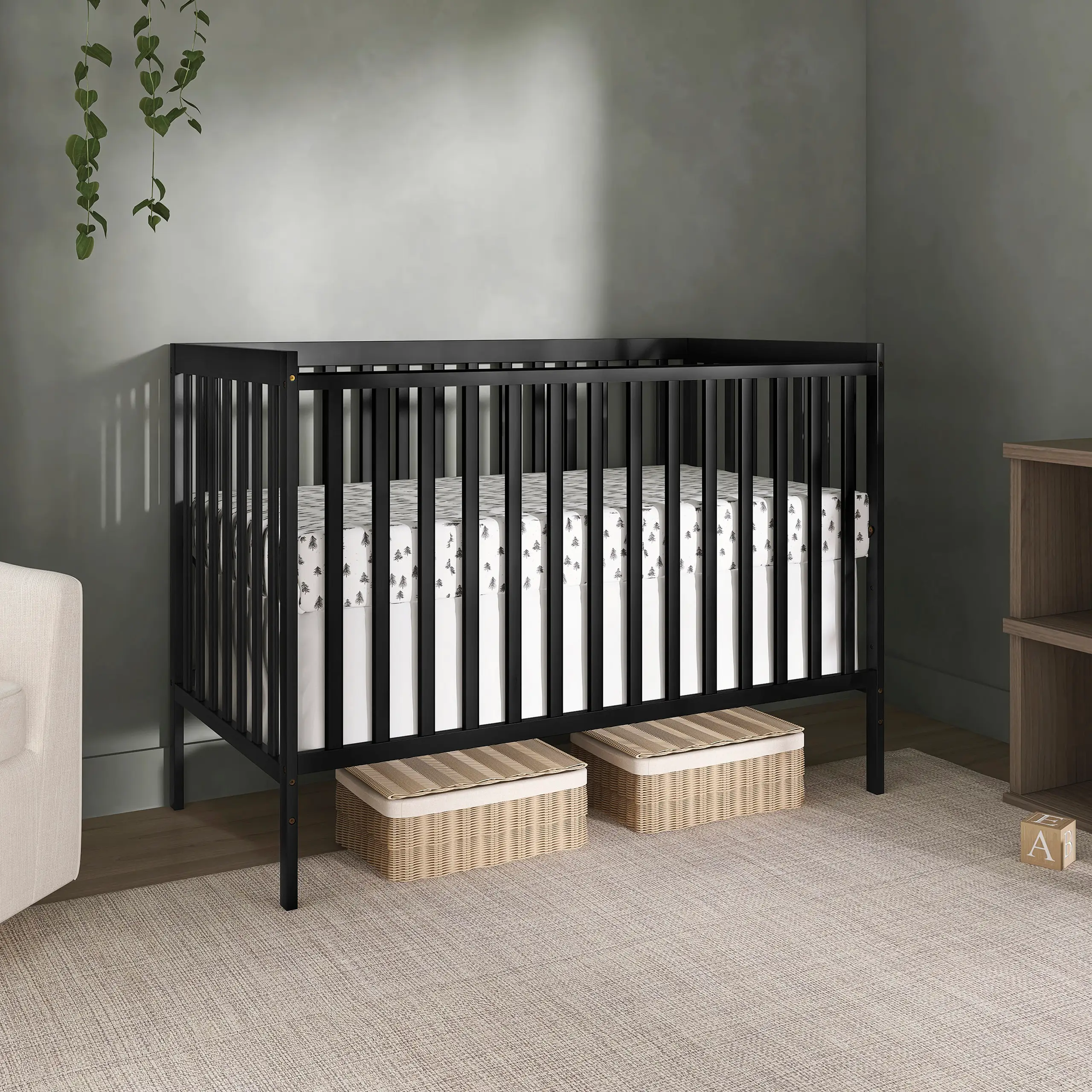
Parents looking for reliable sleep solutions often choose products designed with safety standards in mind.
Dream On Me Sleep Essentials
- Dream On Me Synergy 5-in-1 Convertible Crib – Durable crib that transitions from crib to toddler bed
- Dream On Me Twilight 5” Foam Crib Mattress – Firm, supportive mattress designed for infant sleep safety
Evolur Sleep Solutions
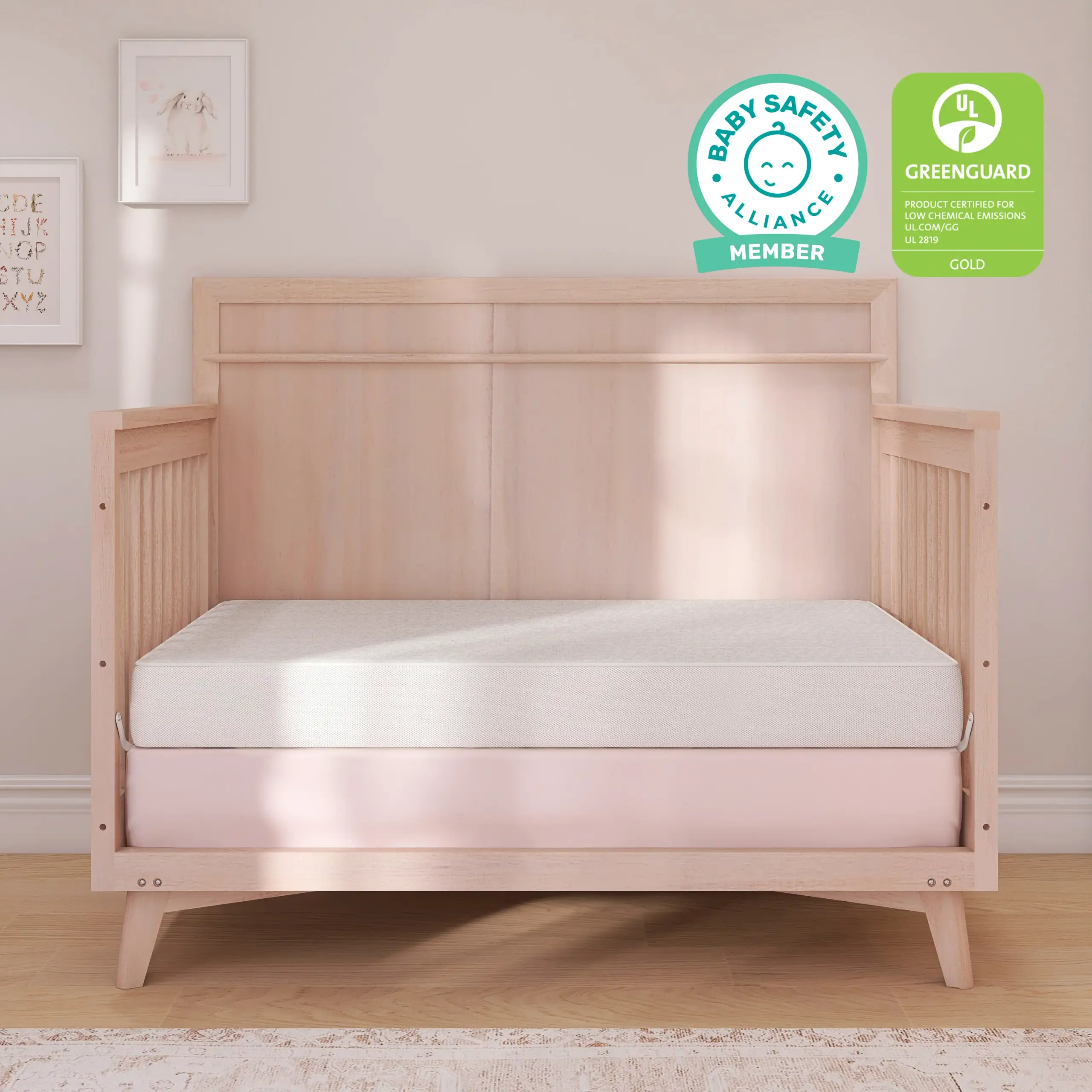
Product Featured: Evolur Sleep Breathable Dual Stage Comfort-Lite 5 Inch Foam Mattress
- Evolur Aurora 5-in-1 Convertible Crib – Elegant crib with sturdy design and Greenguard Gold certification
- Evolur Sleep Comfort Crib Mattress – Breathable mattress designed for comfortable infant sleep
These products help create a safe and supportive infant bed environment that follows AAP recommendations.
Debunking Myths: The Danger of a Newborn Sleeping on Side
Newborn sleeping on side is not considered a safe sleep position. Babies should always be placed on their backs because side sleeping increases the chance of rolling onto the stomach, which may increase the risk of SIDS.
While some older advice suggested side sleeping to prevent choking, modern research shows that healthy infants naturally protect their airways when placed on their backs.
The AAP strongly recommends back sleeping for all infants, including during naps.
Room-Sharing vs. Bed-Sharing: Navigating the 2026 Safety Standards
Many parents ask about co-sleeping, but experts distinguish between two different practices.
Room Sharing
Baby sleeps in a separate crib or bassinet in the same room as parents.
Bed Sharing
Baby sleeps on the same mattress as adults.
The AAP recommends room-sharing for the first 6–12 months because it helps parents respond quickly while maintaining a safer sleep environment.
You can read more here
Safe Sleeping for Infants: Top Gear Recommendations from Evolur and Dream On Me
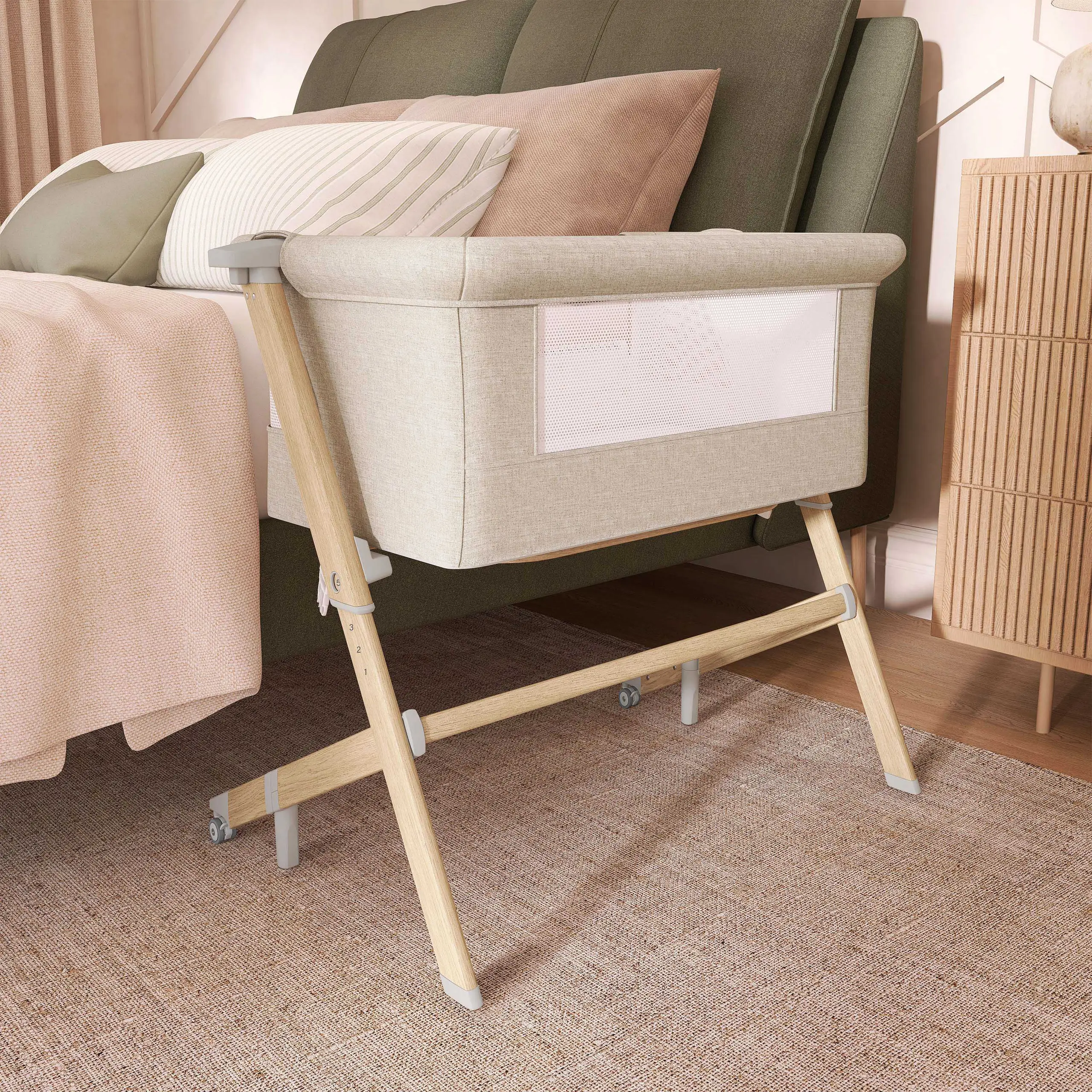
Product Featured: Evolur Stellar Bassinet and Bed side sleeper
Choosing reliable sleep gear helps parents create a safe environment without unnecessary complexity.
Recommended Dream On Me Safe Sleep Products
| Product | Key Benefit |
|---|---|
| Dream On Me Aden Mini Crib | Space-saving crib perfect for smaller rooms |
| Dream On Me Little Lullaby 2 in 1 Mattress | Firm mattress designed for infant safety |
Recommended Evolur Sleep Products
| Product | Key Benefit |
|---|---|
| Evolur Rest EZ Mini Crib Mattress | Breathable mattress supporting safe sleep guidelines |
| Evolur Stellar Bassinet | Portable sleep space designed for newborn convenience |
These products align with safe sleep practices by offering firm surfaces, stable frames, and appropriate mattress support.
Creating the Ideal Sleep Environment: Temperature and Bedding Essentials
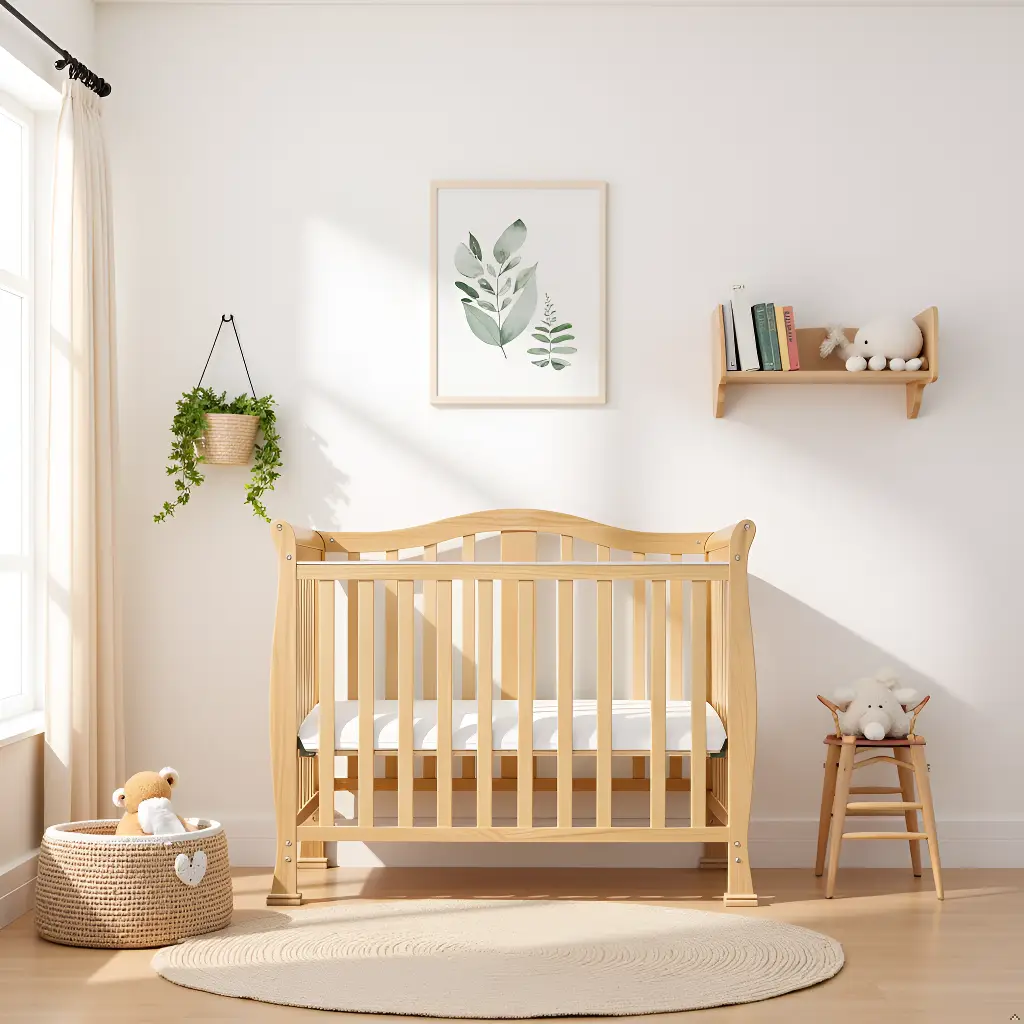
Product Featured: Dream On Me Naples 4-in-1 Convertible Mini Crib
A safe sleep environment is more than just the crib.
Parents should maintain:
- Room temperature between 68–72°F (20–22°C)
- A firm mattress with fitted sheet only
- No loose bedding or blankets
Experts recommend dressing babies in sleep sacks or wearable blankets instead of using loose covers.
Maintaining a simple and safe environment reduces risk and promotes restful infant sleep.
FAQs: Safe Sleep for Newborns
Is it safe for a newborn to sleep on their side?
No. Newborn sleeping on side is not recommended because babies can roll onto their stomachs. The safest sleep position for infants is on their back, every time they sleep.
How to safely co-sleep with newborn?
Experts recommend room-sharing instead of bed-sharing. Place your baby in a crib or bassinet next to your bed for easier monitoring while maintaining a safer sleep surface.
Can newborns sleep on their stomach?
No. Babies should always be placed on their backs to sleep. Stomach sleeping increases the risk of SIDS and is not recommended for infants under one year of age.
Can infants sleep with a pacifier?
Yes. Offering a pacifier during sleep may help reduce the risk of SIDS. However, if the pacifier falls out after the baby falls asleep, it does not need to be replaced.
Can a newborn sleep in a pack and play?
Yes. Portable playards designed for infant sleep can be used safely if they include a firm mattress and fitted sheet with no additional bedding.
When can a baby sleep with a blanket?
The AAP recommends waiting until at least 12 months before introducing loose blankets into a baby's sleep environment.
Suggested For You
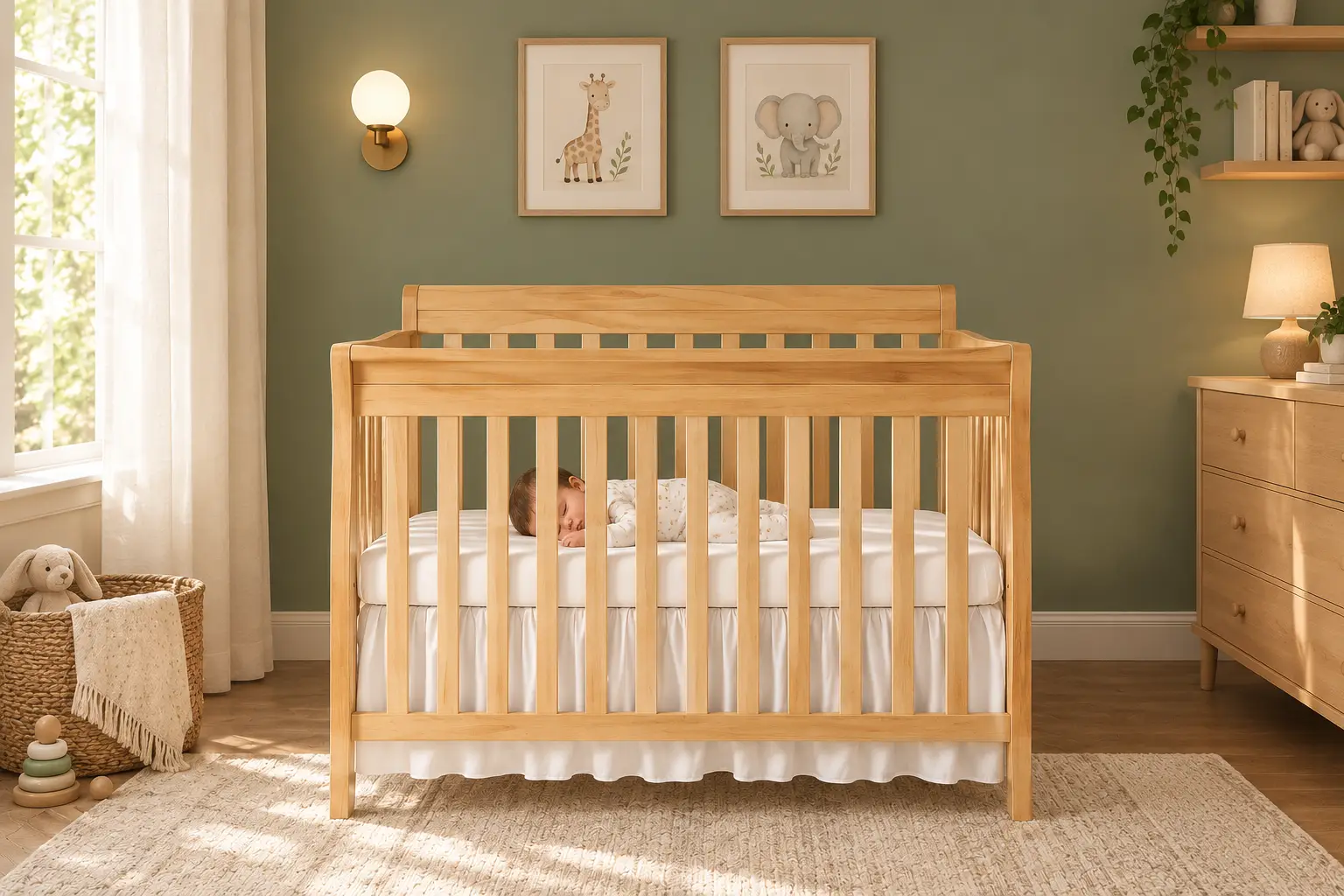
Safe Sleep Basics: What Belongs in Your Baby’s Crib?
Setting up your baby’s crib can be one of the most exciting parts of preparing the nursery, but when it comes to sleep, simpler is safer. Learn what belongs in your baby’s crib, what should stay out, and the basic safety checks every parent should know.
Read more
Child Passenger Safety Week: The Car-Seat Mistakes Parents Don’t Realize They’re Making
Car-seat safety can feel straightforward until small details start adding up. A harness that's slightly too loose, a seat that's not installed as securely as it should be, or moving to the next stage too soon can all affect how well a car seat protects your child. This Child Passenger Safety Week, here's a practical look at five mistakes parents may not realize they're making—and what to check before your next drive.
Read more
Baby Safety Month: The Nursery Details Parents Notice Too Late
You’ve checked the crib, secured the furniture, and babyproofed the obvious hazards—but what about the small nursery details that are easy to overlook? From window cords and furniture placement to changing areas and everyday essentials, Baby Safety Month is a great reminder to take a closer look at the nursery before these details become problems.
Read more
The Nursery Reset: 7 Things to Change Before Baby’s First Fall
As summer fades and cooler days arrive, your baby's nursery may need a few thoughtful updates. From adjusting sleepwear and checking room temperature to reviewing crib safety and preparing for shorter days, a seasonal nursery reset can help create a comfortable, safe space for your baby all fall long.
Read more
The Daycare Countdown: What to Actually Do Before Baby's First Day
The first day of daycare is a milestone for both babies and parents. While it's normal to feel emotional, preparing in advance can make the transition smoother. From practicing new routines and packing the right essentials to asking the right questions and easing separation anxiety, here's what to do before your baby's first day of daycare.
Read more
Feeling Overwhelmed? 5 Simple Things That Actually Help New Moms
Becoming a new mom is beautiful—but it's also exhausting. Between sleepless nights, feeding schedules, endless advice, and the pressure to "do it all," feeling overwhelmed is more common than most parents expect. The good news is that you don't need a perfect routine to feel better. Small, practical changes can make a meaningful difference in your well-being and your baby's daily routine.
Read more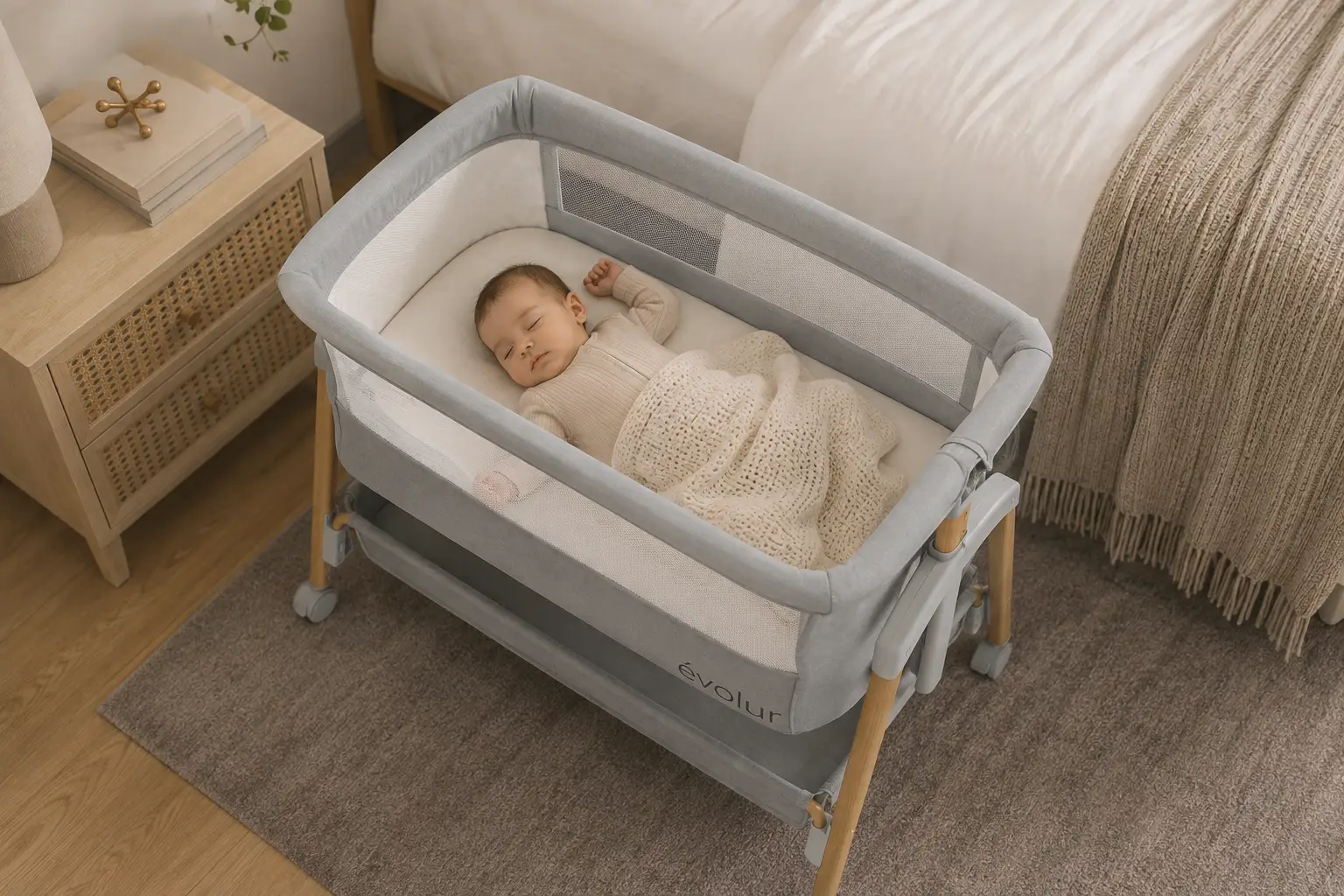
The Sibling Effect: How a New School Routine Throws Off Baby's Sleep (And How to Fix It)
Back-to-school season doesn't just affect school-aged children—it can completely reshape life for babies, too. Earlier wake-ups, rushed mornings, afternoon pickups, and changing household routines can disrupt naps and bedtime. With a few intentional adjustments, you can support your baby's sleep while helping the entire family settle into a new routine.
Read more


