



Safe Sleep Basics: What Belongs in Your Baby’s Crib?
5–6 minute read
October 8, 2026
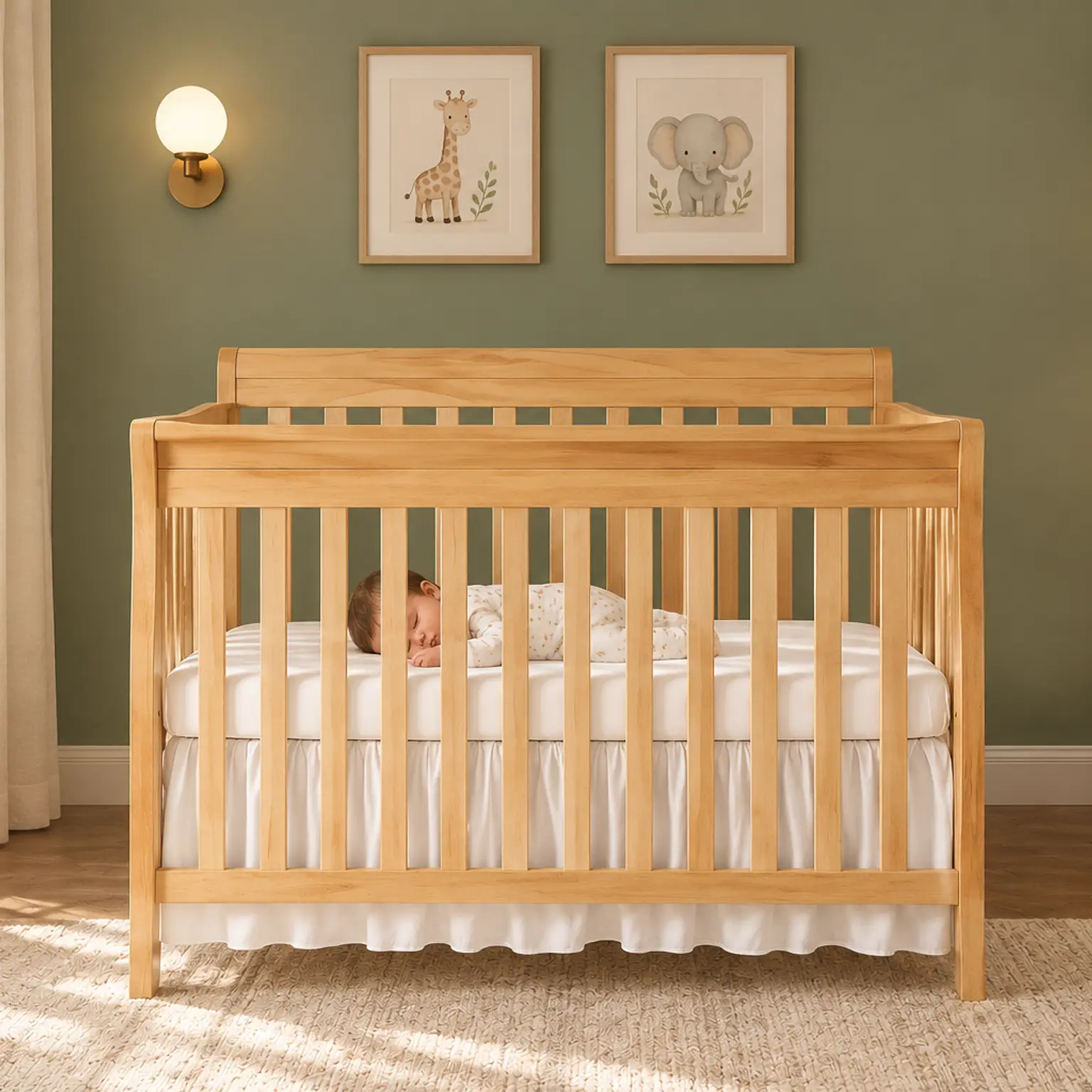
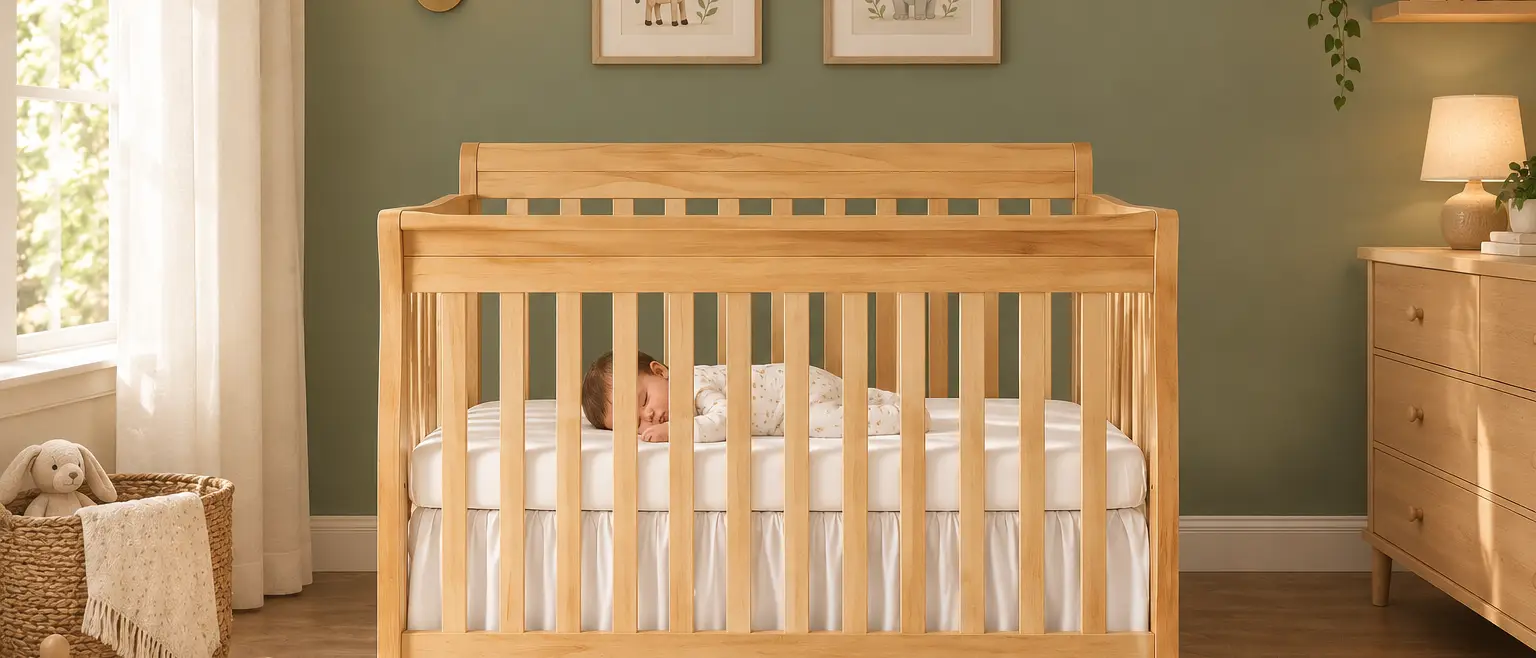
There is something exciting about getting a baby's crib ready for the first time.
You choose the crib, find the perfect mattress, pick out those tiny fitted sheets, and maybe start imagining the bedtime routine you'll have once your baby arrives.
But when it comes to what actually goes inside the crib, the answer is surprisingly simple.
For infants, the safest sleep space is a firm, flat surface with a properly fitted sheet—and nothing else. The American Academy of Pediatrics (AAP) (https://www.healthychildren.org/English/ages-stages/baby/sleep/Pages/a-parents-guide-to-safe-sleep.aspx) and U.S. Consumer Product Safety Commission (CPSC) (https://www.cpsc.gov/SafeSleep)recommend keeping pillows, blankets, stuffed toys, bumper pads, and other soft or loose items out of the sleep space.
That can feel a little different from the cozy, layered beds adults are used to. But your baby's crib doesn't need lots of extras to be comfortable.
Here's what belongs in your baby's crib, what should stay out, and how to create a sleep space that's both simple and thoughtfully prepared.
What Should Be in Your Baby’s Crib?
Let's start with the easiest part: not much.
For an infant, the crib should have a firm, flat mattress that fits the crib properly and a fitted sheet designed for that mattress. That's it.
CPSC describes this as "bare is best," recommending nothing but a fitted sheet in a crib, bassinet, or play yard. The sleep product itself should be intended for infant sleep and meet applicable safety requirements.
A bare crib may look a little different from the nursery photos you see filled with pillows, blankets, and stuffed animals. But those decorative touches are better kept outside the sleep space.
Instead, bring personality into the rest of the nursery. A colorful rug, artwork, storage basket, or cozy glider can make the room feel warm and finished while keeping the crib clear.
What Should Stay Out of the Crib?
A lot of things that make a bed feel cozy for adults aren't appropriate for an infant's sleep space.
The AAP recommends keeping soft objects and loose bedding out of the crib because they can increase the risk of suffocation, entrapment, or strangulation. That includes pillows, blankets, quilts, comforters, bumper pads, stuffed toys, and similar products.
Pillows & Loose Bedding
A pillow might seem like a natural part of making a bed comfortable, but babies don't need one in their crib.
The same goes for loose blankets, quilts, comforters, and other bedding. Even a lightweight blanket can move around while a baby sleeps and end up covering their face.
If you're worried about your baby getting cold, consider appropriate sleep clothing or a wearable blanket rather than adding loose bedding to the crib.
Crib Bumpers & Liners
Crib bumpers were once marketed as a way to cushion the sides of a crib or prevent little arms and legs from slipping between the slats. Today, they're not recommended for infant sleep.
Padded crib bumpers are banned under the federal Safe Sleep for Babies Act, and CPSC continues to warn about the suffocation hazards associated with crib bumpers.
So if you're putting together a nursery today, skip the bumpers and let the crib's safety design do its job.
Stuffed Animals & Toys
That tiny stuffed bunny may look perfect sitting in the corner of the crib during a nursery photo shoot, but it shouldn't stay there when your baby is sleeping.
Stuffed animals and most toys should be kept out of an infant's crib. Babies can move toward soft objects without being able to move them away from their face.
Keep those favorite toys nearby for playtime instead. A nursery shelf, basket, or bookcase can give them a home until your child is older.
Sleep Positioners & Other Accessories
There is no shortage of products designed to make babies "sleep better" or stay in a particular position.
But wedges, sleep positioners, inclined products, and other accessories that alter the sleep surface are not recommended for routine infant sleep. AAP guidance calls for a firm, flat, non-inclined sleep surface rather than adding products to prop or position a baby.
When it comes to the crib, adding more isn't necessarily better.
Choosing the Right Crib Mattress & Fitted Sheet
Once you know what doesn't belong in the crib, choosing the essentials becomes much easier.
Start with a firm, flat mattress that fits the specific crib properly. The mattress should not leave gaps around the edges, and it should be covered with a fitted sheet made for that mattress.
The AAP recommends using a firm sleep surface with a tight-fitting sheet and nothing else in the crib.
This is one place where fit really matters. A fitted sheet shouldn't be loose or bunch up beneath your baby, and the mattress should be designed for the crib rather than being a close-enough substitute.
If you're preparing your nursery, explore the Ever & Ever Cribs & Cradles Collection (https://everandeverbaby.com/collections/cribs-cradles) and Ever & Ever Mattresses Collection (https://everandeverbaby.com/collections/mattresses) to build your baby's sleep space around the essentials.
And don't forget to check the crib itself. Loose hardware, missing parts, damage, or an improperly assembled crib can turn a simple sleep space into a safety concern.
What About Swaddles, Sleep Sacks & Wearable Blankets?
If the crib should stay free of blankets, what is your baby supposed to wear to sleep?
This is where wearable sleep products can be useful.
Swaddling and wearable blankets are different from loose bedding because they are worn by the baby rather than placed around them. The AAP notes that parents should stop swaddling once a baby shows signs of trying to roll, and loose blankets should not be added to the crib.
A wearable blanket or sleep sack can be an option when your baby needs an extra layer. Just make sure it is appropriate for your baby's age and development, follow the manufacturer's instructions, and avoid weighted sleep products.
And remember: even when using a swaddle or wearable sleep garment, your baby should still be placed on their back on a firm, flat sleep surface.
How to Create a Safe Sleep Space Beyond the Crib
The crib is only one part of your baby's sleep environment.
The AAP recommends placing babies on their backs for every nap and nighttime sleep and using a firm, flat sleep surface that meets current safety standards.
Then look beyond the mattress.
Keep cords, strings, and other potentially reachable items away from the crib. Be thoughtful about what is mounted or placed above and around the crib, too. As babies become more mobile, things that once seemed out of reach may suddenly become accessible.
It's also worth checking your crib and other sleep products for recalls. CPSC recommends checking its recall information and making sure products haven't been recalled, particularly when using older or secondhand gear.
And if your baby falls asleep somewhere that isn't intended for routine sleep, move them to an appropriate sleep space with a firm, flat surface.
The goal isn't to make the nursery feel sterile. It's to keep the area where your baby sleeps as clear and predictable as possible.
Baby Crib Safety Checklist
Before bedtime, a quick check can help make safe-sleep habits part of your routine.
Inside the crib:
- Firm, flat mattress
- Mattress fits the crib properly
- Tight-fitting fitted sheet
- No pillows
- No loose blankets or quilts
- No stuffed animals or toys
- No crib bumpers
- No sleep positioners or loose accessories
Around the crib:
- Baby is placed on their back
- Cords and strings are out of reach
- Crib hardware is secure
- No broken or missing parts
- Crib and mattress meet current safety requirements
- Recall information has been checked
It doesn't take long. And once these checks become part of your bedtime routine, they can become second nature.
FAQs
What should I put in my baby's crib?
For an infant, the sleep space should be simple: a firm, flat mattress with a properly fitted sheet. Keep pillows, blankets, stuffed animals, toys, bumpers, and other loose or soft items out of the crib.
Can I put a blanket in my baby's crib?
No. Loose blankets aren't recommended in an infant's crib. If your baby needs another layer, talk with your pediatrician about appropriate sleep clothing or a wearable blanket.
Can babies sleep with stuffed animals?
Infants should not sleep with stuffed animals or other soft toys in their crib. Keep them nearby for supervised play instead.
Do babies need pillows in their crib?
No. Babies do not need pillows in their sleep space. A firm, flat mattress with a properly fitted sheet is all that is needed for the crib's sleep surface.
Are crib bumpers safe?
Crib bumpers are not recommended for infant sleep. Padded crib bumpers are also banned under the federal Safe Sleep for Babies Act because of the risks they pose.
What type of mattress is safest for a baby?
Choose a firm, flat mattress designed specifically for your crib and make sure it fits tightly without gaps around the edges. Use a fitted sheet designed for that mattress.
Can a baby sleep in a crib without a blanket?
Yes. In fact, a blanket isn't necessary for an infant's crib. The recommended sleep environment is a firm, flat mattress covered with a fitted sheet and otherwise kept clear of loose bedding and soft objects.
When can you put things in a baby's crib?
There isn't one specific age when every object becomes appropriate. As your child grows, continue following current safe-sleep recommendations and your pediatrician's guidance. For infants, the sleep space should remain free of loose bedding, pillows, stuffed animals, and other soft objects.
Wrapping Up
When you're preparing a nursery, it's easy to think about everything you want to put in the crib. A special blanket. A favorite stuffed animal. Maybe a tiny pillow to make the space feel finished.
But for an infant, the simplest crib is often the safest crib.
Start with a firm, flat mattress and a properly fitted sheet. Keep loose and soft items out of the sleep space, place your baby on their back, and make a habit of checking the crib and surrounding area as your baby grows.
The rest of the nursery can be warm, personal, and full of personality. The crib itself doesn't need to be.
Sometimes, the safest place for all those beautiful nursery extras is simply somewhere outside the crib.
Suggested For You
Child Passenger Safety Week: The Car-Seat Mistakes Parents Don’t Realize They’re Making
Car-seat safety can feel straightforward until small details start adding up. A harness that's slightly too loose, a seat that's not installed as securely as it should be, or moving to the next stage too soon can all affect how well a car seat protects your child. This Child Passenger Safety Week, here's a practical look at five mistakes parents may not realize they're making—and what to check before your next drive.
Read more
Baby Safety Month: The Nursery Details Parents Notice Too Late
You’ve checked the crib, secured the furniture, and babyproofed the obvious hazards—but what about the small nursery details that are easy to overlook? From window cords and furniture placement to changing areas and everyday essentials, Baby Safety Month is a great reminder to take a closer look at the nursery before these details become problems.
Read more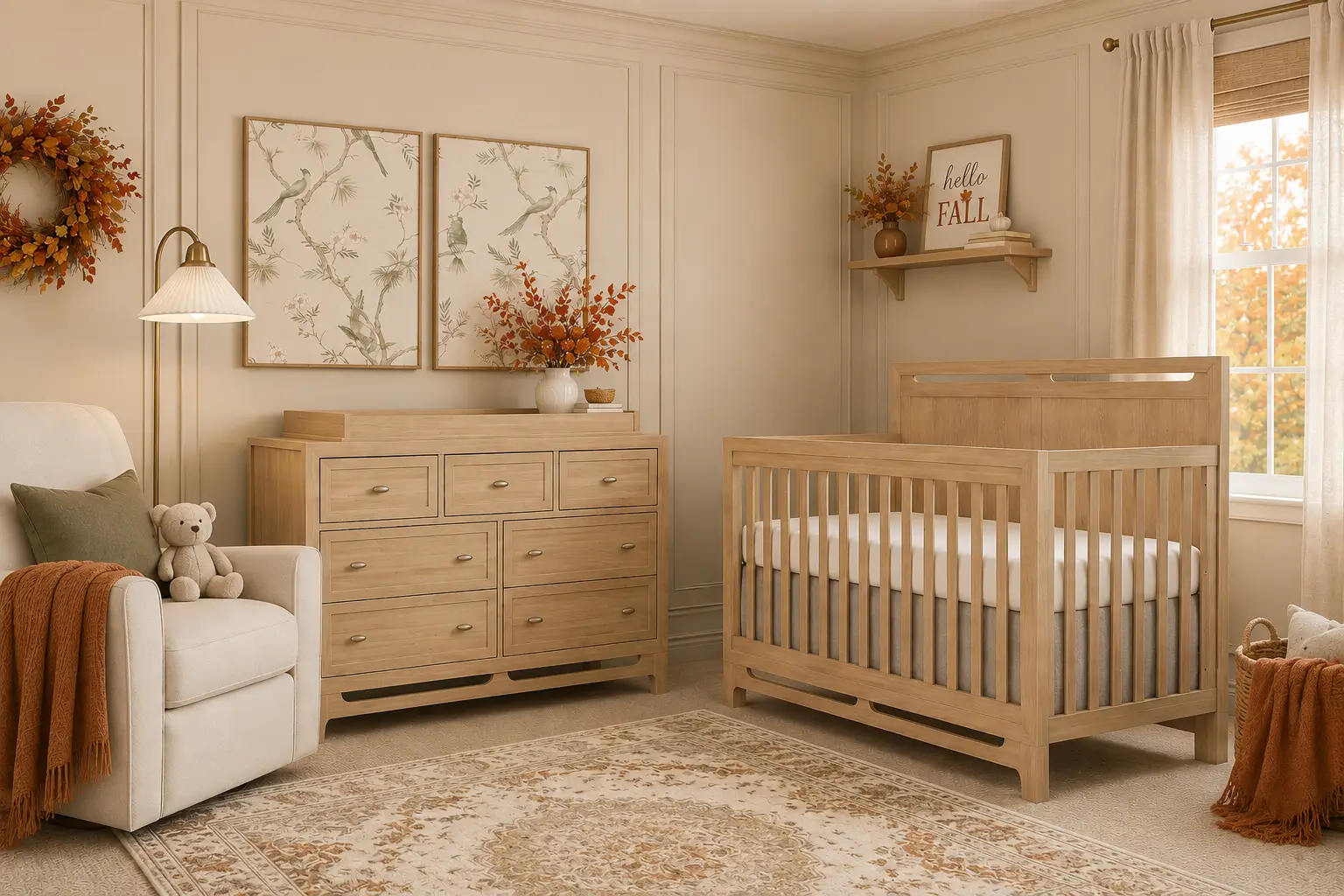
The Nursery Reset: 7 Things to Change Before Baby’s First Fall
As summer fades and cooler days arrive, your baby's nursery may need a few thoughtful updates. From adjusting sleepwear and checking room temperature to reviewing crib safety and preparing for shorter days, a seasonal nursery reset can help create a comfortable, safe space for your baby all fall long.
Read more
The Daycare Countdown: What to Actually Do Before Baby's First Day
The first day of daycare is a milestone for both babies and parents. While it's normal to feel emotional, preparing in advance can make the transition smoother. From practicing new routines and packing the right essentials to asking the right questions and easing separation anxiety, here's what to do before your baby's first day of daycare.
Read more
Feeling Overwhelmed? 5 Simple Things That Actually Help New Moms
Becoming a new mom is beautiful—but it's also exhausting. Between sleepless nights, feeding schedules, endless advice, and the pressure to "do it all," feeling overwhelmed is more common than most parents expect. The good news is that you don't need a perfect routine to feel better. Small, practical changes can make a meaningful difference in your well-being and your baby's daily routine.
Read more
The Sibling Effect: How a New School Routine Throws Off Baby's Sleep (And How to Fix It)
Back-to-school season doesn't just affect school-aged children—it can completely reshape life for babies, too. Earlier wake-ups, rushed mornings, afternoon pickups, and changing household routines can disrupt naps and bedtime. With a few intentional adjustments, you can support your baby's sleep while helping the entire family settle into a new routine.
Read more
Toddler Drowning Prevention: What Every Parent Near Water Should Know
Whether you're spending the day at the beach, relaxing by the pool, or visiting a lake this summer, water safety should always come first. Drowning is one of the leading causes of accidental injury-related deaths among young children—but many incidents are preventable. Here's what every parent should know about supervising toddlers around water, building safe habits, and preparing for a safer summer.
Read more


