



The Fourth Trimester Home: Setting Up a Space That Makes Newborn Life Easier
6–7 minute read
October 29, 2026
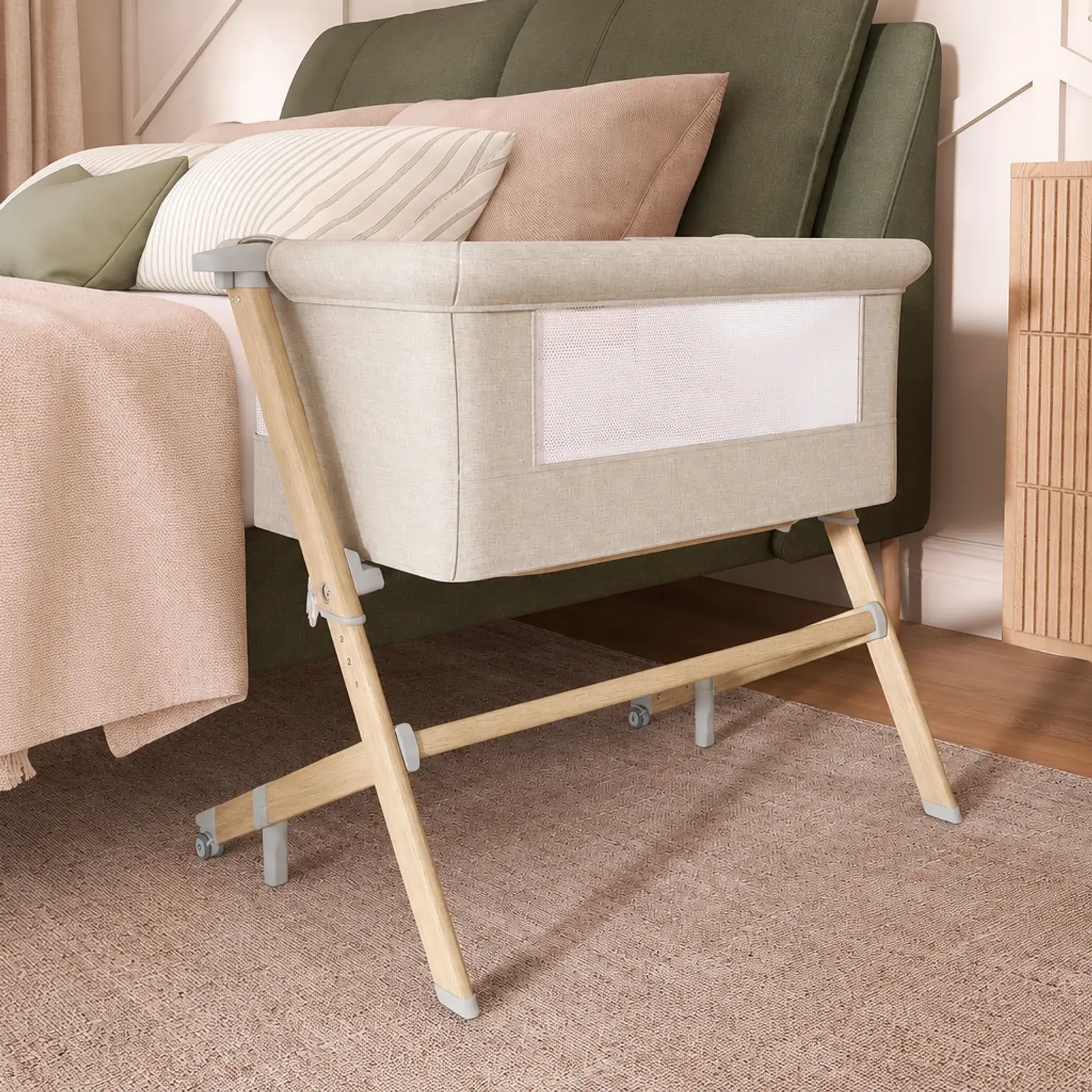
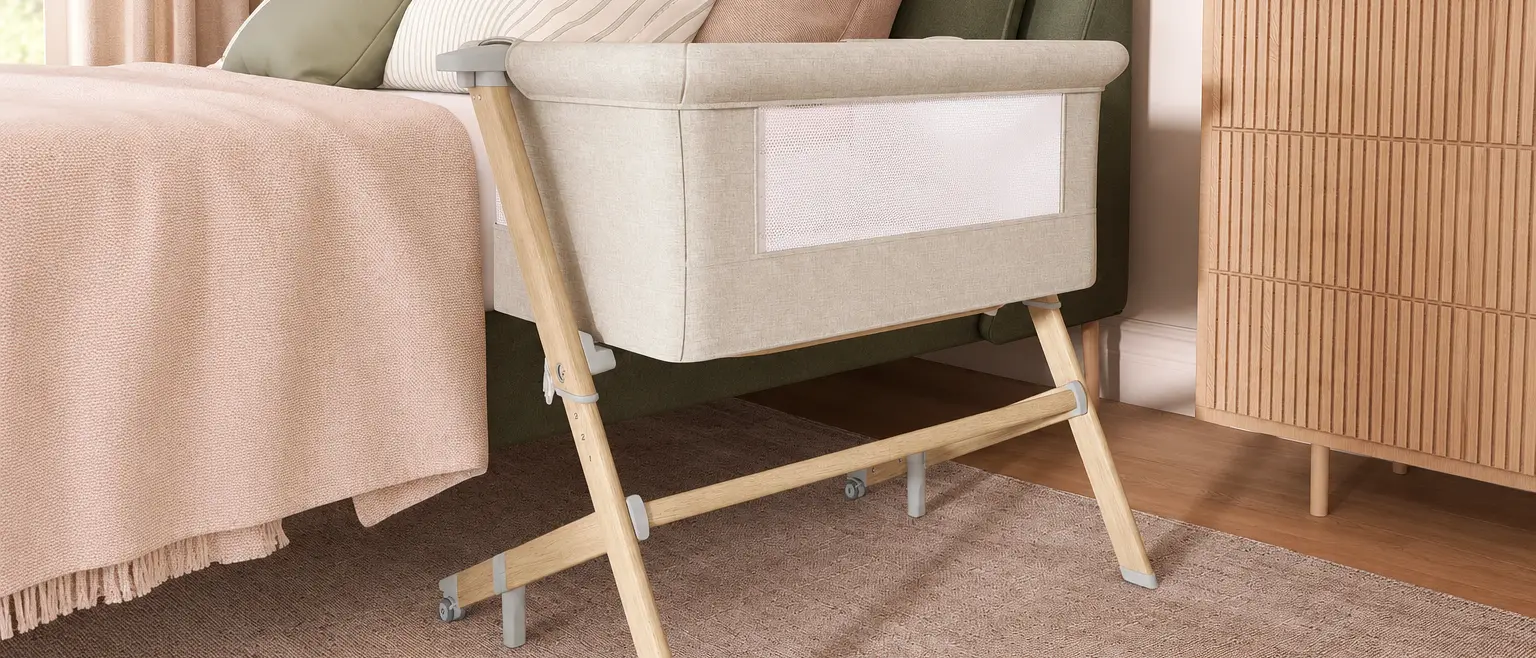
The first few weeks at home with a newborn are a whirlwind of feeds, diaper changes, short naps, and long nights. Even the simplest routines, like making a cup of coffee or finding a clean burp cloth, can suddenly feel like a lot.
That’s where a little preparation helps. A home that’s set up for newborn life doesn’t need to be perfect or fully decorated. It just needs to make the things you’ll do over and over again a little easier.
Think of it as setting up your home to take care of you while you take care of your baby.
What Does the Fourth Trimester Really Require at Home?
The “fourth trimester” usually refers to the first 12 weeks after birth, a period of big adjustment for your baby and for you. Your baby is getting used to life outside the womb, and you’re recovering, learning, and finding your rhythm as a family.
During this time, most of your day will revolve around a few simple things: sleep, feeding, diaper changes, and rest. Setting up your home around those needs can save you countless steps, especially in the middle of the night.
You don’t need a fully finished nursery or every gadget on the market. A safe place for your baby to sleep, a comfortable spot to feed, an organized changing area, and a place for you to recover will cover most of what you need.
Create a Comfortable Newborn Sleep Space
Your baby’s sleep space is one of the most important things to have ready before birth.
The AAP (https://www.healthychildren.org/English/ages-stages/baby/sleep/Pages/default.aspx)recommends placing your baby on their back to sleep, on a firm, flat surface in their own sleep space, with no pillows, blankets, bumpers, or soft toys. The AAP also recommends room-sharing without bed-sharing, ideally for at least the first 6 months, so many parents keep a bassinet or crib in their own bedroom during the newborn stage.
To set up a safe sleep space:
- Choose a crib, bassinet, or play yard that meets current CPSC safety standards
- Use a firm, flat mattress designed for that product, with a fitted sheet
- Keep the sleep space clear of soft bedding and toys
- Place the sleep space away from windows, cords, and heavy wall décor
- Dress your baby in a sleep sack instead of using loose blankets
Keep a few essentials close to the sleep space: a spare fitted sheet, a sleep sack or two, a dim night light, and a spot to set down a burp cloth or pacifier.
Explore the Ever & Ever Bassinets Collection, Cribs & Cradles Collection, and Mattresses Collection for pieces that can support safe, comfortable newborn sleep.
Set Up a Feeding Station Where You Actually Spend Time
Newborns feed often, day and night, so your feeding station should be wherever you’ll actually be. For many parents, that means more than one: one in the bedroom for night feeds and one in the living room for daytime.
A comfortable seat is the heart of your feeding station. A glider or rocker with good back and arm support can make long feeds more comfortable, especially as you recover.
Keep these within arm’s reach:
- A large water bottle (feeding can make you very thirsty)
- Easy, one-handed snacks
- Burp cloths and a spare bib
- Nursing pillow, if you use one
- Bottles, formula, or breast pump supplies, if needed
- Nipple cream or other comfort items
- Your phone charger and a small lamp for night feeds
A quick note on sleepy feeds: the AAP warns that falling asleep with a baby on a couch or armchair is especially dangerous. If you think you may doze off while feeding, the AAP notes that an adult bed cleared of pillows and blankets is a safer place than a couch or armchair. Move your baby back to their own sleep space as soon as you wake.
Explore the Ever & Ever Gliders & Rockers Collection for a comfortable seat to come back to again and again.
Make Diaper Changes Easier
Newborns can go through a lot of diapers each day, so a well-organized changing area makes a real difference.
Set up a main changing station with everything in one place: diapers, wipes, diaper cream, a changing pad, a small trash bin or diaper pail, and a few spare outfits. Use baskets or drawer organizers so you can grab what you need with one hand.
If you live in a multi-level home, consider a small changing caddy for each floor so you’re not running up and down stairs for every change.
Always keep one hand on your baby when they’re on a raised surface, and never leave them unattended on a changing table, bed, or couch, even for a second.
Build a Fourth-Trimester Recovery Zone for Parents
The fourth trimester isn’t just about your baby. It’s also a time of physical and emotional recovery for parents, especially for the birthing parent.
ACOG (https://www.acog.org/clinical/guidance/committee-opinion/2018/05/optimizing-postpartum-care)describes postpartum care as an ongoing process, not just a single visit, and encourages new parents to stay in contact with their healthcare provider in the weeks after birth. Having your home set up to support rest can help you focus on recovering.
Create a recovery zone where you’ll spend the most time resting:
- A comfortable place to sit or lie down, with supportive pillows
- Water and easy snacks within reach
- Phone chargers and a small basket for remote, lip balm, and other essentials
- Any postpartum care supplies recommended by your healthcare provider
- A notebook or app to track feeds and diapers
- A cozy blanket for yourself (kept away from your baby’s sleep space)
It also helps to stock the freezer with easy meals and keep a list of tasks you can hand off to friends or family who offer to help.
Make the Rest of Your Home Newborn-Friendly
A few small changes around the house can reduce unnecessary trips and clutter during those early weeks.
Kitchen: Stock up on easy meals and snacks, and set up a bottle-washing and drying station if you’ll be bottle-feeding or pumping.
Bathroom: Keep postpartum care supplies and baby bath essentials organized and easy to reach.
Bedroom: Set up your baby’s sleep space, a night-feeding station, and a small diaper caddy for overnight changes.
Living room: Create a daytime feeding and rest spot, with a basket of burp cloths, diapers, and wipes nearby.
Entryway: Keep a packed diaper bag by the door and your car seat properly installed in your car before your baby comes home.
Clear away clutter where you can, especially on the floors and paths you’ll walk while carrying your baby at night.
For more tips, browse our Newborn and Parenting Guides on the Ever & Ever Blog.
What to Keep Within Easy Reach
You don’t need a lot of stuff in the first few weeks. Focus on the items you’ll reach for most:
- Diapers and wipes
- Burp cloths
- Spare onesies and sleep sacks
- Feeding supplies
- Water bottle and snacks
- Phone charger
- A dim night light
- Pacifiers, if your baby uses them
- A thermometer and your pediatrician’s phone number
- Postpartum care supplies
Start with the basics and add as you go. You’ll quickly learn what your family actually uses, and what you can skip.
Your Fourth-Trimester Home Checklist
Work through this list before your baby arrives:
Sleep
- Crib or bassinet (https://everandeverbaby.com/collections/bassinets-bedside-sleepers)set up with a firm, flat mattress and fitted sheet
- Sleep space clear of pillows, blankets, bumpers, and toys
- Spare fitted sheets and sleep sacks ready
Feeding
- Comfortable glider or chair set up
- Feeding station stocked with water, snacks, and burp cloths
- Bottles, formula, or pump supplies ready, if needed
Diapering
- Main changing station organized
- Diaper caddies set up for other rooms or floors
- Spare outfits within reach
Recovery
- Recovery zone set up with comfortable seating, water, and snacks
- Postpartum supplies stocked
- Freezer meals prepared
Organization
- Diaper bag packed and by the door
- Clutter cleared from high-traffic paths
- Help list ready for friends and family
Safety
- Car seat properly installed
- Smoke and carbon monoxide alarms tested
- Pediatrician and healthcare provider contact information saved
FAQs
What should I have ready at home before my newborn arrives? Have a safe sleep space set up, a comfortable feeding area, an organized changing station, a properly installed car seat, and a stocked supply of diapers, wipes, feeding supplies, and newborn clothes.
How do I set up my home for the fourth trimester? Focus on the things you’ll do most: sleeping, feeding, changing diapers, and resting. Create a station for each, keep essentials within reach, and set up a recovery space for yourself.
What should I keep near a newborn’s sleep space? Keep a spare fitted sheet, sleep sacks, a dim night light, and a spot for burp cloths or pacifiers nearby, but never inside the sleep space itself.
How do I create a comfortable feeding station? Start with supportive seating, like a glider or rocker, then keep water, snacks, burp cloths, feeding supplies, and a phone charger within arm’s reach.
What do new parents actually need for the first few weeks? A safe sleep space, feeding supplies, diapers and wipes, a few outfits and sleep sacks, a car seat, and comfortable spaces for feeding and rest. Most other items can wait until you know what your family needs.
How can I make my home easier to manage with a newborn? Set up stations in the rooms you use most, keep diaper caddies on each floor, clear clutter from walkways, stock easy meals, and accept help when it’s offered.
Wrapping Up
The fourth trimester is a season of big changes, but your home can make it feel a little gentler.
A safe sleep space, a comfortable spot to feed, an organized changing area, and a place for you to rest can turn those early weeks into something more manageable, even on the hardest nights.
You don’t need everything to be perfect. Set up the basics, keep what you need within reach, and give yourself grace as you settle into life with your newborn. These early weeks go by quickly, and a home that supports you makes it a little easier to soak them in.
Suggested For You

Safe Sleep Basics: What Belongs in Your Baby’s Crib?
Setting up your baby’s crib can be one of the most exciting parts of preparing the nursery, but when it comes to sleep, simpler is safer. Learn what belongs in your baby’s crib, what should stay out, and the basic safety checks every parent should know.
Read more
Child Passenger Safety Week: The Car-Seat Mistakes Parents Don’t Realize They’re Making
Car-seat safety can feel straightforward until small details start adding up. A harness that's slightly too loose, a seat that's not installed as securely as it should be, or moving to the next stage too soon can all affect how well a car seat protects your child. This Child Passenger Safety Week, here's a practical look at five mistakes parents may not realize they're making—and what to check before your next drive.
Read more
Baby Safety Month: The Nursery Details Parents Notice Too Late
You’ve checked the crib, secured the furniture, and babyproofed the obvious hazards—but what about the small nursery details that are easy to overlook? From window cords and furniture placement to changing areas and everyday essentials, Baby Safety Month is a great reminder to take a closer look at the nursery before these details become problems.
Read more
The Nursery Reset: 7 Things to Change Before Baby’s First Fall
As summer fades and cooler days arrive, your baby's nursery may need a few thoughtful updates. From adjusting sleepwear and checking room temperature to reviewing crib safety and preparing for shorter days, a seasonal nursery reset can help create a comfortable, safe space for your baby all fall long.
Read more
The Daycare Countdown: What to Actually Do Before Baby's First Day
The first day of daycare is a milestone for both babies and parents. While it's normal to feel emotional, preparing in advance can make the transition smoother. From practicing new routines and packing the right essentials to asking the right questions and easing separation anxiety, here's what to do before your baby's first day of daycare.
Read more
Feeling Overwhelmed? 5 Simple Things That Actually Help New Moms
Becoming a new mom is beautiful—but it's also exhausting. Between sleepless nights, feeding schedules, endless advice, and the pressure to "do it all," feeling overwhelmed is more common than most parents expect. The good news is that you don't need a perfect routine to feel better. Small, practical changes can make a meaningful difference in your well-being and your baby's daily routine.
Read more


