



When to Lower Your Crib Mattress: The Milestones Every Parent Should Know
4–5 minute read
November 1, 2026


In the early weeks, your baby stays right where you lay them down. Then, almost without warning, they’re rolling over, pushing up on their arms, and grabbing the crib rail to pull themselves up.
These milestones are exciting, but they also change what a safe sleep space looks like. One of the simplest ways to keep up is by adjusting your crib mattress height as your baby grows.
The key is to lower the mattress before your baby reaches the next milestone, not after.
Why Crib Mattress Height Changes as Your Baby Grows
Most cribs come with multiple mattress height settings, usually three or four. Each one is designed for a different stage of your baby’s development.
A higher setting makes it easier for you to lift your baby in and out during the newborn months. As your baby becomes stronger and more mobile, lower settings increase the distance between the mattress and the top of the crib rail, making it harder for them to climb or fall out.
The AAP and CPSC both advise lowering the crib mattress as your baby develops, so the rail stays high enough to keep them safely inside.
Every crib (https://everandeverbaby.com/collections/cribs-cradles)is different, so always check your crib’s instructions for its specific height positions and guidance.
The Newborn Stage: Highest Setting
During the newborn stage, the highest mattress setting is usually the most practical. Your baby can’t roll, push up, or sit yet, and a higher mattress means less bending for you during frequent feeds and night wake-ups. That’s especially helpful if you’re recovering from birth.
No matter the height, the safe sleep basics stay the same. The AAP recommends placing your baby on their back to sleep, on a firm, flat mattress with a fitted sheet, and keeping the crib clear of pillows, blankets, bumpers, and soft toys.
Sitting Up: Time for the Middle Setting
Once your baby starts rolling over, pushing up on their hands, or getting close to sitting on their own, it’s time to lower the mattress to a middle setting.
According to the CDC’s (https://www.cdc.gov/act-early/milestones/index.html)developmental milestones, many babies roll from their tummy to their back by around 6 months and sit without support by around 9 months, though every baby develops at their own pace.
Don’t wait until your baby is sitting up confidently. Once they can sit, they’re often not far from kneeling and pulling up, so it’s better to lower the mattress early than to play catch-up.
Pulling to Stand: Move to the Lowest Setting
When your baby begins pulling up to stand, or seems close to it, move the mattress to the lowest setting.
The CDC notes that many babies pull up to stand by around 12 months, but some start much earlier. Once your baby is standing in the crib, a higher mattress can make it easier for them to lean over the rail or try climbing out.
At this stage, also take a look around the crib:
- Remove anything your baby could use as a step, like large toys or bumpers
- Keep the crib away from windows, blind cords, and wall décor
- Make sure nearby furniture is out of reach and anchored to the wall
How to Lower Your Crib Mattress Safely
Lowering the mattress usually takes just a few minutes. Here’s how to do it safely:
- Read your crib’s instructions. Check the manufacturer’s guidance for your crib’s height positions and how to adjust them.
- Remove the bedding and mattress. Take off the fitted sheet and lift the mattress out of the crib.
- Adjust the mattress support. Move the mattress support or spring to the next lower position, following the instructions.
- Check the hardware. Make sure all screws, bolts, and brackets are tight and secure, with no missing, loose, or broken parts. CPSC recommends checking crib hardware regularly.
- Replace the mattress and test the fit. Put the mattress back and press it firmly into one corner. If you can fit more than two fingers between the edge of the mattress and the side of the crib, the mattress is too small and could create a dangerous gap.
- Add the fitted sheet. Use a sheet made specifically for crib mattresses that fits snugly.
If you’re unsure whether your mattress fits properly, the Ever & Ever Mattresses Collection includes crib mattresses designed for a snug, secure fit.
When It’s Time to Move Beyond the Crib
Eventually, your little one will outgrow the crib altogether. The AAP suggests it’s time to transition when your child is about 35 inches tall, or when the top of the crib rail falls below their chest while standing. If your child starts climbing out, it’s time to move on, even if they’re younger than expected.
Many children make the switch somewhere between 18 months and 3 years, but readiness matters more than age.
This is where a convertible crib can make life easier. Many convertible cribs can transition into a toddler bed and, later, a daybed or full-size bed, so your child can move into a “big kid” bed while keeping a familiar piece of furniture.
FAQs
When should I lower my baby’s crib mattress?Lower the mattress to a middle setting once your baby starts rolling, pushing up, or getting close to sitting on their own. Move it to the lowest setting when your baby starts pulling up to stand or seems close to it.
At what age should the crib mattress be at the lowest setting?There’s no exact age, since it depends on your baby’s development. Many babies pull up to stand somewhere around 9 to 12 months, but some start earlier. Lower the mattress as soon as your baby shows signs of pulling up.
How do I know if my crib mattress is too high?If your baby can sit, kneel, or stand and the top of the crib rail is low relative to their body, the mattress is likely too high. When your baby is standing, the rail should be well above their chest.
When should my child move from a crib to a toddler bed?The AAP suggests transitioning when your child is about 35 inches tall, when the crib rail is below their chest while standing, or when they start climbing out of the crib.
Wrapping Up
Lowering your crib mattress is a small change that makes a big difference as your baby grows.
Start at the highest setting during the newborn stage, lower it as your baby begins rolling and sitting, and move it to the lowest setting once they start pulling up. Check the hardware and mattress fit each time, and keep the crib clear of anything that could help a curious climber.
Your baby will hit their milestones on their own schedule. By staying one step ahead, you can help make sure their sleep space keeps up with them.
Suggested For You
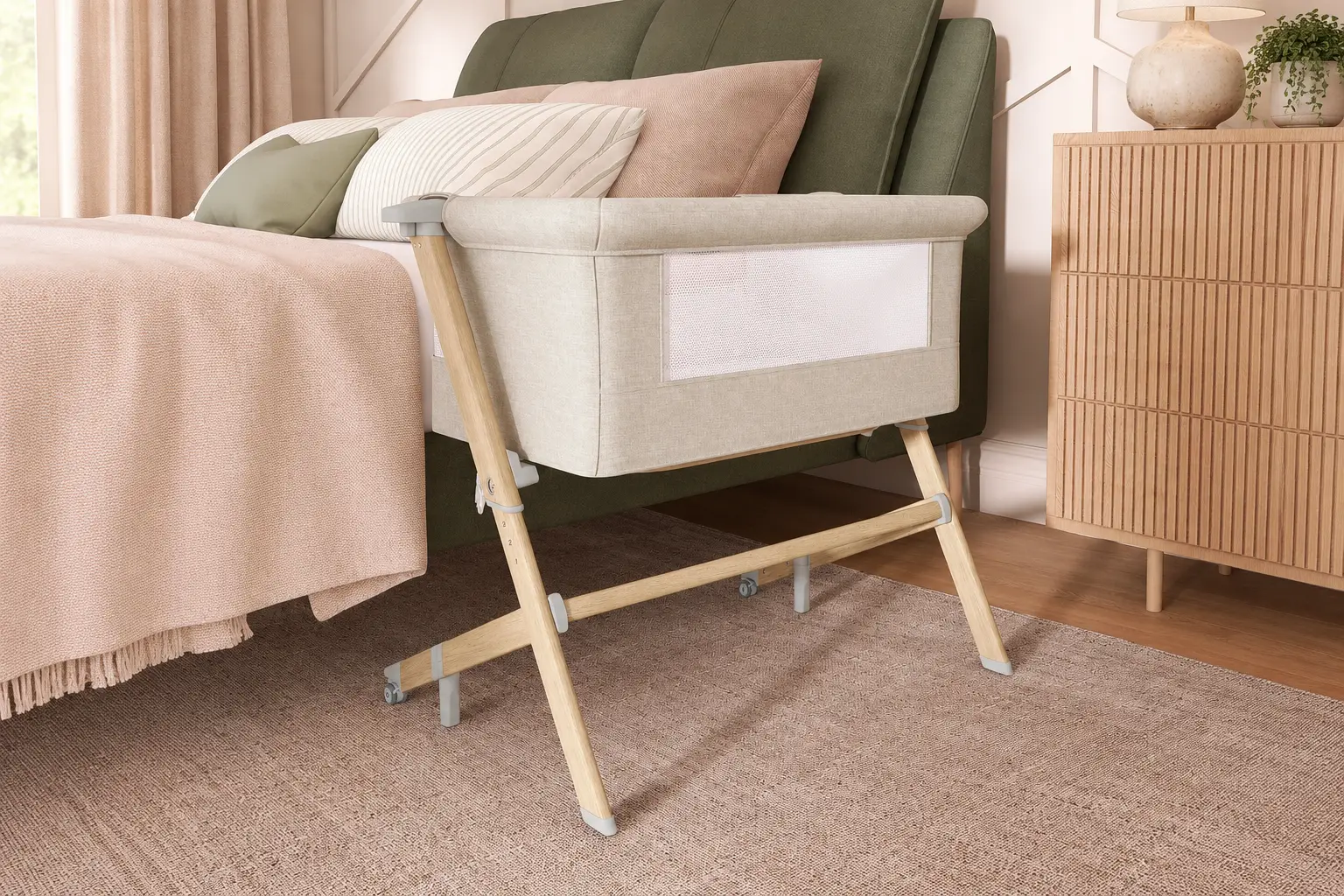
The Fourth Trimester Home: Setting Up a Space That Makes Newborn Life Easier
The first weeks with a newborn can make even familiar routines feel completely different. A thoughtful fourth-trimester setup can make everyday moments easier, from late-night feeds and diaper changes to newborn sleep and those quiet stretches when everyone needs to rest.
Read more
Safe Sleep Basics: What Belongs in Your Baby’s Crib?
Setting up your baby’s crib can be one of the most exciting parts of preparing the nursery, but when it comes to sleep, simpler is safer. Learn what belongs in your baby’s crib, what should stay out, and the basic safety checks every parent should know.
Read more
Child Passenger Safety Week: The Car-Seat Mistakes Parents Don’t Realize They’re Making
Car-seat safety can feel straightforward until small details start adding up. A harness that's slightly too loose, a seat that's not installed as securely as it should be, or moving to the next stage too soon can all affect how well a car seat protects your child. This Child Passenger Safety Week, here's a practical look at five mistakes parents may not realize they're making—and what to check before your next drive.
Read more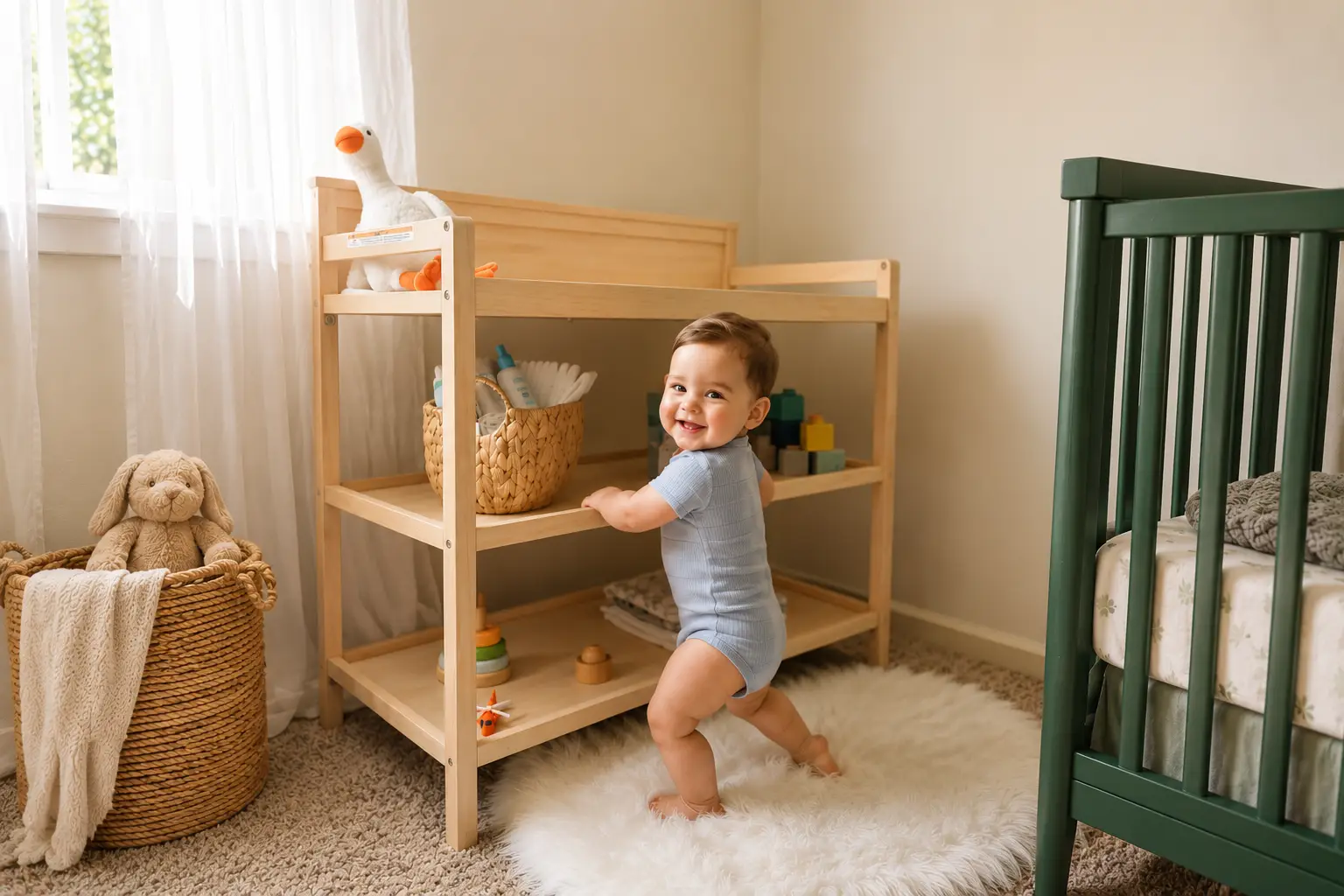
Baby Safety Month: The Nursery Details Parents Notice Too Late
You’ve checked the crib, secured the furniture, and babyproofed the obvious hazards—but what about the small nursery details that are easy to overlook? From window cords and furniture placement to changing areas and everyday essentials, Baby Safety Month is a great reminder to take a closer look at the nursery before these details become problems.
Read more
The Nursery Reset: 7 Things to Change Before Baby’s First Fall
As summer fades and cooler days arrive, your baby's nursery may need a few thoughtful updates. From adjusting sleepwear and checking room temperature to reviewing crib safety and preparing for shorter days, a seasonal nursery reset can help create a comfortable, safe space for your baby all fall long.
Read more
The Daycare Countdown: What to Actually Do Before Baby's First Day
The first day of daycare is a milestone for both babies and parents. While it's normal to feel emotional, preparing in advance can make the transition smoother. From practicing new routines and packing the right essentials to asking the right questions and easing separation anxiety, here's what to do before your baby's first day of daycare.
Read more


