



How Baby & Toddler Nutrition Is Changing in 2026: What Modern Parents Are Choosing Differently
7–8 minute read
May 15, 2026
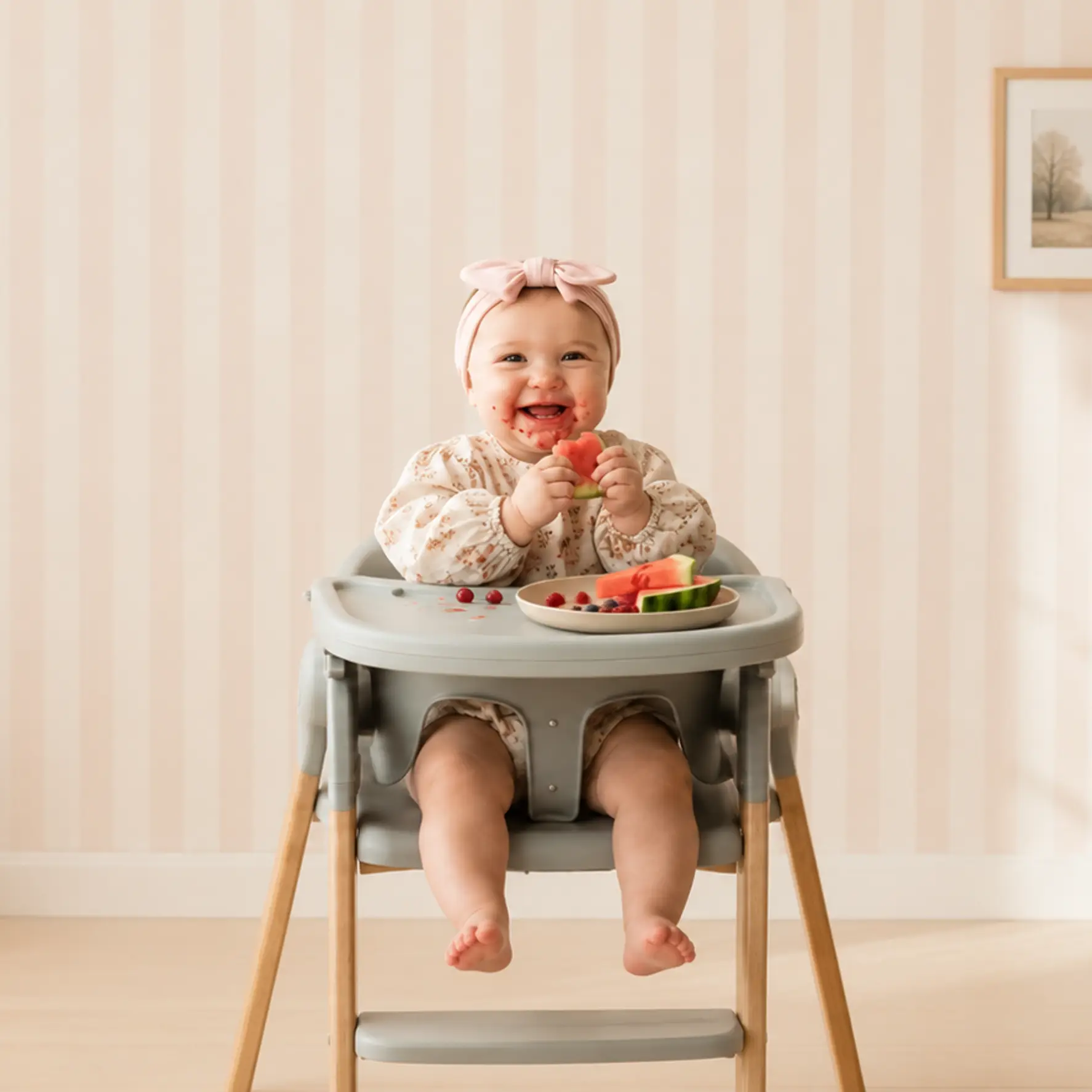

Feeding babies and toddlers in 2026 is no longer about simply what goes on the spoon—it’s about how food supports development, independence, and long-term health.
Modern baby nutrition reflects a broader parenting shift: one that values transparency, functional nutrients, and mealtime environments designed around a child’s physical and emotional readiness. From self-feeding milestones to nutrient-dense first foods, parents are making more intentional choices than ever before.
The Rise of Functional Nutrition: Moving Beyond Basic Purees
For years, early feeding centered on smooth purees and single-ingredient foods. While those still have a place, baby nutrition trends in 2026 are far more nuanced.
Parents are now looking at:
- Nutrient density over calorie count
- Bioavailable nutrients that support brain and gut development
- Whole-food ingredients with clear sourcing
This evolution aligns with guidance from organizations like the Centers for Disease Control and Prevention, which emphasizes early nutrition as foundational to lifelong health.Learn more about infant and toddler nutrition basics here
Brain and Gut Health: The Role of Omega-3 Fatty Acids, Folate, and Fiber
Functional nutrition puts the spotlight on specific nutrients with proven developmental benefits:
- Omega-3 fatty acids support brain development and visual acuity
- Folate plays a key role in cell growth and nervous system development
- Fiber supports gut health and digestion as solids are introduced
Rather than relying solely on fortified foods, parents are incorporating naturally rich options—like vegetables, legumes, and whole grains—into age-appropriate meals.
Micronutrient Focus: Why Magnesium and Folate Are Trending in 2026
Magnesium and folate are gaining attention for their roles in:
- Muscle function and nerve signaling
- Energy metabolism
- Overall cellular health
These nutrients are increasingly considered when planning balanced meals, especially as babies transition into toddlerhood and their diets diversify.
The Self-Feeding Revolution: Encouraging Independence and Motor Skills
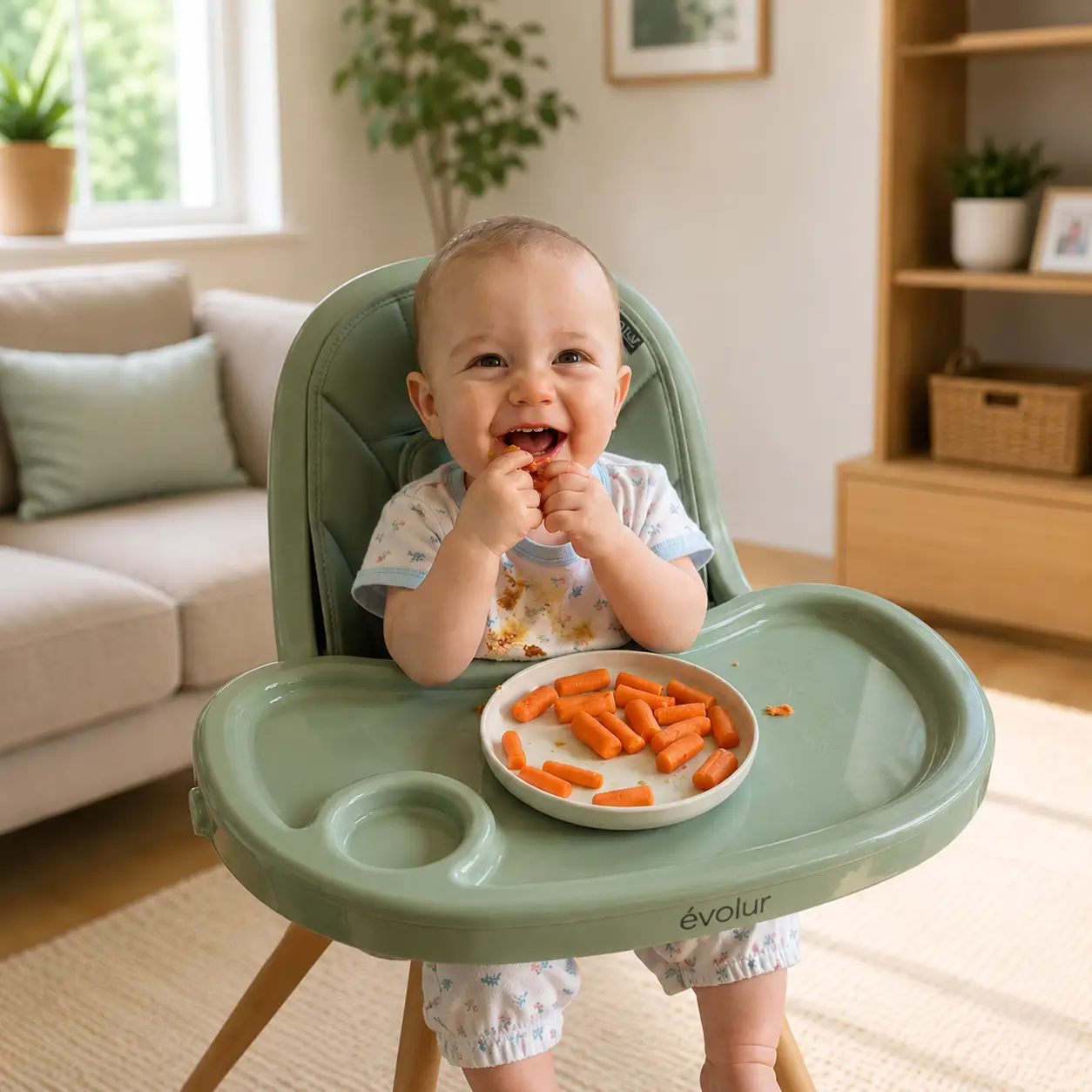
Product Featured: Evolur Zoodle 2-In-1 High Chair
One of the most visible shifts in modern baby nutrition is how babies eat, not just what they eat.
Self-feeding is now widely recognized as a critical developmental milestone, supporting:
- Fine motor skill development
- Hand-eye coordination
- Early autonomy and confidence
Parents are moving away from constant spoon-feeding and toward responsive approaches that let babies explore food safely.
Baby-Led Weaning 2.0: Introducing Solid Foods and Baby Carrots Nutrition
In 2026, baby-led weaning has evolved into a more flexible, parent-guided approach.
Soft, nutrient-dense foods, like well-cooked carrots, are popular early options. Baby carrots nutrition offers:
- Natural fiber
- Beta-carotene (vitamin A precursor)
- A texture that supports chewing practice when prepared safely
The goal isn’t perfection, it’s exposure, exploration, and positive mealtime experiences.
Essential Gear for the Modern Mealtime: Safety Meets Ergonomics
As feeding philosophies evolve, so does feeding gear.
Parents are choosing products that support posture, safety, and independence, including:
- Ergonomic high chairs that promote proper alignment
- Suction plates that reduce frustration during self-feeding
- Silicone bibs that are non-toxic, flexible, and easy to clean
High chairs from Evolur & Dream On Me are designed with multi-stage use in mind, adapting from early solids through toddler years, supporting both nutrition and comfort.
Explore feeding and seating essentials here
Sustainability and Transparency: The “Clean Label” Shift in Infant Feeding
Modern parents want to know what’s in the bowl—and what’s not.
Key nutrition trends shaping 2026 include:
- Cleaner ingredient lists
- Reduced exposure to unnecessary additives
- Reusable feeding gear that minimizes waste
Brands curated by Ever & Ever reflect this shift, offering thoughtfully selected feeding tools and accessories designed for safety, durability, and real-life use.
Discover modern feeding solutions here
Frequently Asked Questions
What is the biggest change in baby nutrition for 2026?
The biggest shift is toward functional nutrition, where parents prioritize specific bioavailable nutrients like Omega-3s, fiber, and folate—alongside sustainable sourcing and developmentally supportive feeding practices.
When should I start encouraging self-feeding?
Most babies show readiness between 6 and 9 months. Signs include sitting with support, bringing food to the mouth, and showing interest in family meals. Ergonomic high chairs and suction plates help make this transition safer.
Are silicone bibs and straw cups better for toddler development?
Yes. Silicone bibs are non-toxic and easy to sanitize, while straw cups are often recommended over sippy cups to support proper oral motor development and speech patterns.
Wrapping Up: Nourishing More Than Just the Plate
Baby nutrition in 2026 is about more than meals—it’s about creating environments that support curiosity, independence, and healthy growth. By focusing on functional nutrients, encouraging self-feeding, and choosing ergonomically sound feeding gear, parents are building positive relationships with food from the very beginning.
At Ever & Ever, we believe feeding time should feel supportive, not stressful. From thoughtfully designed high chairs to modern mealtime essentials, we’re here to help families nourish both body and confidence—one bite at a time.
Explore feeding essentials designed for modern baby nutrition, only at Ever & Ever.
Suggested For You

Child Passenger Safety Week: The Car-Seat Mistakes Parents Don’t Realize They’re Making
Car-seat safety can feel straightforward until small details start adding up. A harness that's slightly too loose, a seat that's not installed as securely as it should be, or moving to the next stage too soon can all affect how well a car seat protects your child. This Child Passenger Safety Week, here's a practical look at five mistakes parents may not realize they're making—and what to check before your next drive.
Read more
Baby Safety Month: The Nursery Details Parents Notice Too Late
You’ve checked the crib, secured the furniture, and babyproofed the obvious hazards—but what about the small nursery details that are easy to overlook? From window cords and furniture placement to changing areas and everyday essentials, Baby Safety Month is a great reminder to take a closer look at the nursery before these details become problems.
Read more
The Nursery Reset: 7 Things to Change Before Baby’s First Fall
As summer fades and cooler days arrive, your baby's nursery may need a few thoughtful updates. From adjusting sleepwear and checking room temperature to reviewing crib safety and preparing for shorter days, a seasonal nursery reset can help create a comfortable, safe space for your baby all fall long.
Read more
The Daycare Countdown: What to Actually Do Before Baby's First Day
The first day of daycare is a milestone for both babies and parents. While it's normal to feel emotional, preparing in advance can make the transition smoother. From practicing new routines and packing the right essentials to asking the right questions and easing separation anxiety, here's what to do before your baby's first day of daycare.
Read more
Feeling Overwhelmed? 5 Simple Things That Actually Help New Moms
Becoming a new mom is beautiful—but it's also exhausting. Between sleepless nights, feeding schedules, endless advice, and the pressure to "do it all," feeling overwhelmed is more common than most parents expect. The good news is that you don't need a perfect routine to feel better. Small, practical changes can make a meaningful difference in your well-being and your baby's daily routine.
Read more
The Sibling Effect: How a New School Routine Throws Off Baby's Sleep (And How to Fix It)
Back-to-school season doesn't just affect school-aged children—it can completely reshape life for babies, too. Earlier wake-ups, rushed mornings, afternoon pickups, and changing household routines can disrupt naps and bedtime. With a few intentional adjustments, you can support your baby's sleep while helping the entire family settle into a new routine.
Read more
Toddler Drowning Prevention: What Every Parent Near Water Should Know
Whether you're spending the day at the beach, relaxing by the pool, or visiting a lake this summer, water safety should always come first. Drowning is one of the leading causes of accidental injury-related deaths among young children—but many incidents are preventable. Here's what every parent should know about supervising toddlers around water, building safe habits, and preparing for a safer summer.
Read more


