



Baby Milestones: 6 Month Milestones - What to Expect
7-9 minute read
June 22, 2026
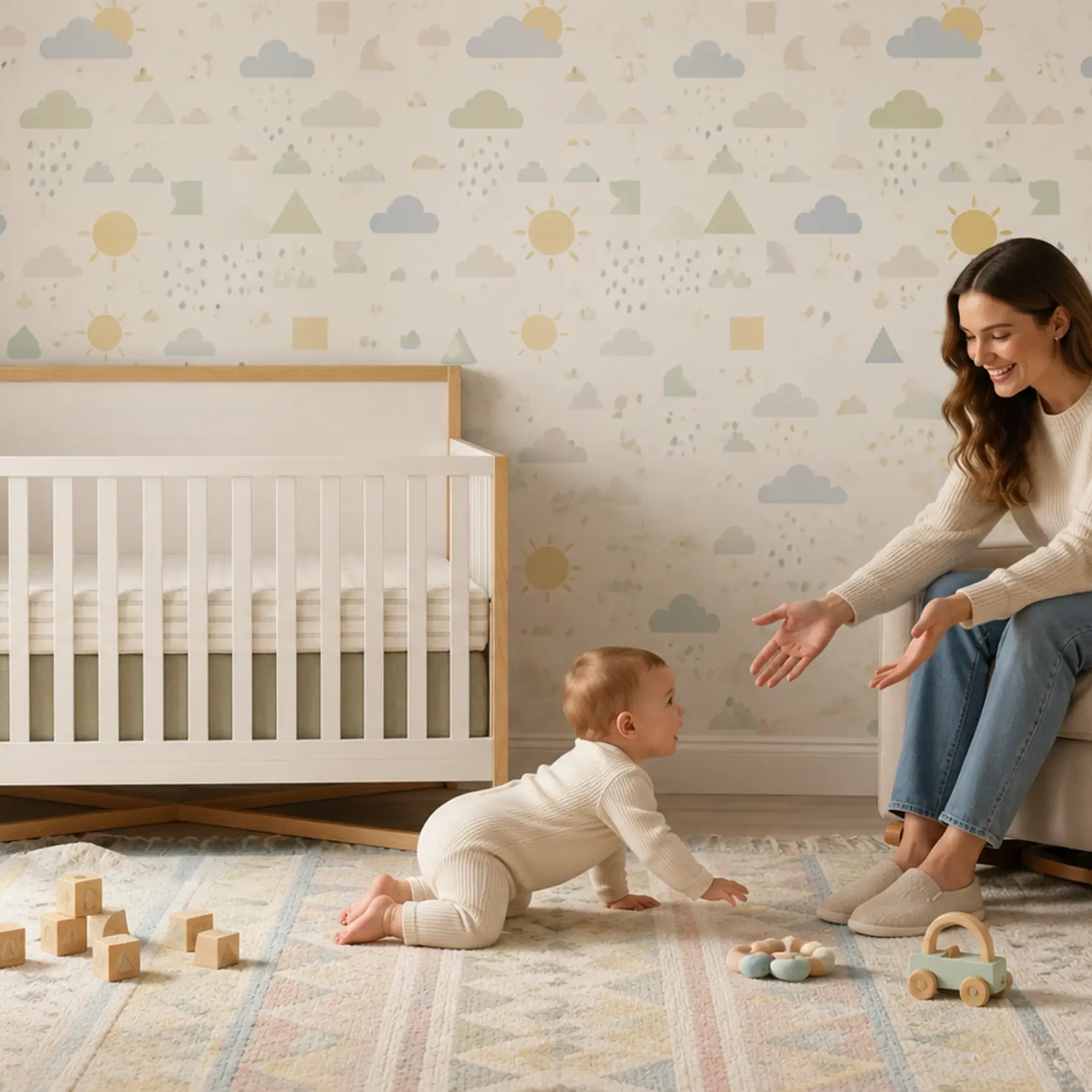

By six months, many parents notice their baby shifting from a sleepy newborn into a curious, expressive little human. While every baby develops at their own pace, 6 month milestones tend to cluster around movement, communication, and awareness of the world.
Rather than focusing on perfection, milestones are best used as a guidepost, not a scorecard.
Mapping the Journey: The Complete Developmental Milestones Chart
Baby development is cumulative. Each stage builds on the last, which is why pediatricians often look at progress across several months rather than a single week.
Tracking Progress From 1 Month Milestones to the Half-Year Mark
Here’s a simplified view of how development typically unfolds:
- 1-2 months: Brief head control, early cooing sounds, increased alertness
- 3-4 months: Stronger neck stability, rolling attempts, social smiles
- 5 months: Pushing up on arms, reaching with intention, vocal play
- 6 months: Sitting with support, transferring objects, responding to name
If you’ve been tracking 1 month milestones through 5 month milestones, you’ll likely recognize how each skill lays the groundwork for what comes next.
Physical Growth & Gross Motor Skills at 6 Months
At six months, gross motor skills become far more visible.
Common physical milestones include:
- Sitting with minimal support
- Rolling in both directions
- Bearing weight on legs when held upright
- Rocking forward while on hands and knees
Some babies are already inching toward mobility, while others focus on stability first. Both paths are normal.
Getting Mobile: Preparing for the 7 Stages of Crawling
Not all babies crawl the same way, or at all, but many pass through variations such as:
- Pivoting on the belly
- Backward scooting
- Army crawling
- Hands-and-knees rocking
This is often when parents begin rethinking floor safety, play zones, and on-the-go organization.
Explore feeding and mobility-friendly essentials here
Cognitive Development & Early Communication Signals
Cognitive development accelerates rapidly at six months. Babies begin to understand cause and effect, and that their actions get responses.
Typical signs include:
- Turning toward familiar voices
- Reacting to their name
- Showing curiosity about objects
- Recognizing caregivers vs. strangers
Beyond Cooing Sounds: How 6 Month Old Infants Express Themselves
While early months are filled with simple cooing sounds, six-month communication often expands into:
- Babbling (ba-ba, da-da, ma-ma)
- Vocal experimentation with pitch and volume
- Laughter and squeals during play
Talking, reading, and narrating daily routines all support this stage of cognitive and language development.
Changing Routines: Infant Stages, Nutrition & Sleep Shifts
Six months often brings some of the biggest routine changes parents experience all year.
Surviving Cluster Feeding & Transitioning to Solid Foods
Many babies show signs of readiness for solids around this age, including:
- Sitting with support
- Good head and neck control
- Interest in food
At the same time, cluster feeding may reappear as growth spurts overlap with dietary transitions. This is normal and temporary.
Creating calm, structured feeding environments, using supportive seating and easy-clean feeding gear, can make this transition smoother for both baby and parent.
The Essential Pediatric Checklist for Parents
Pediatricians often assess development across multiple domains rather than isolated skills.
A typical 6-month pediatric checklist may include:
- Growth tracking (weight, length, head circumference)
- Gross and fine motor skills
- Social responsiveness
- Feeding tolerance
- Sleep patterns
For an evidence-based milestone reference, parents can review the official guidance from the Centers for Disease Control and Prevention
When to Consult Your Doctor Regarding Milestones of Development
It’s worth checking in with your pediatrician if your baby:
- Shows very limited movement or muscle control
- Doesn’t respond to sounds or visual cues
- Has lost previously acquired skills
Early support makes a meaningful difference, and asking questions is always appropriate.
Frequently Asked Questions
What are the major 6-month baby milestones to look out for?
Sitting with support, rolling both ways, babbling, recognizing caregivers, and showing interest in food are common at this age.
Should my 6-month-old be crawling or sitting independently?
Not necessarily. Many babies sit with support first and crawl months later. Developmental timelines vary widely.
How do 6 month milestones compare to 4 month milestones?
At six months, skills become more intentional, babies move with purpose, vocalize more clearly, and interact socially.
What fine motor skills should an infant demonstrate at half a year?
Transferring objects between hands, grasping toys, and bringing items to the mouth are typical fine motor signs.
How do I know if my baby is experiencing a developmental delay at 6 months?
Milestones are guides, not deadlines. Persistent concerns or loss of skills should be discussed with your pediatrician.
Wrapping Up: Progress Over Perfection
Supporting development doesn’t require doing more, it simply means observing, responding, and creating safe spaces for exploration. As routines shift and mobility increases, thoughtfully chosen feeding tools, mobility gear, and everyday essentials can help parents focus less on logistics and more on enjoying the moment.
Suggested For You
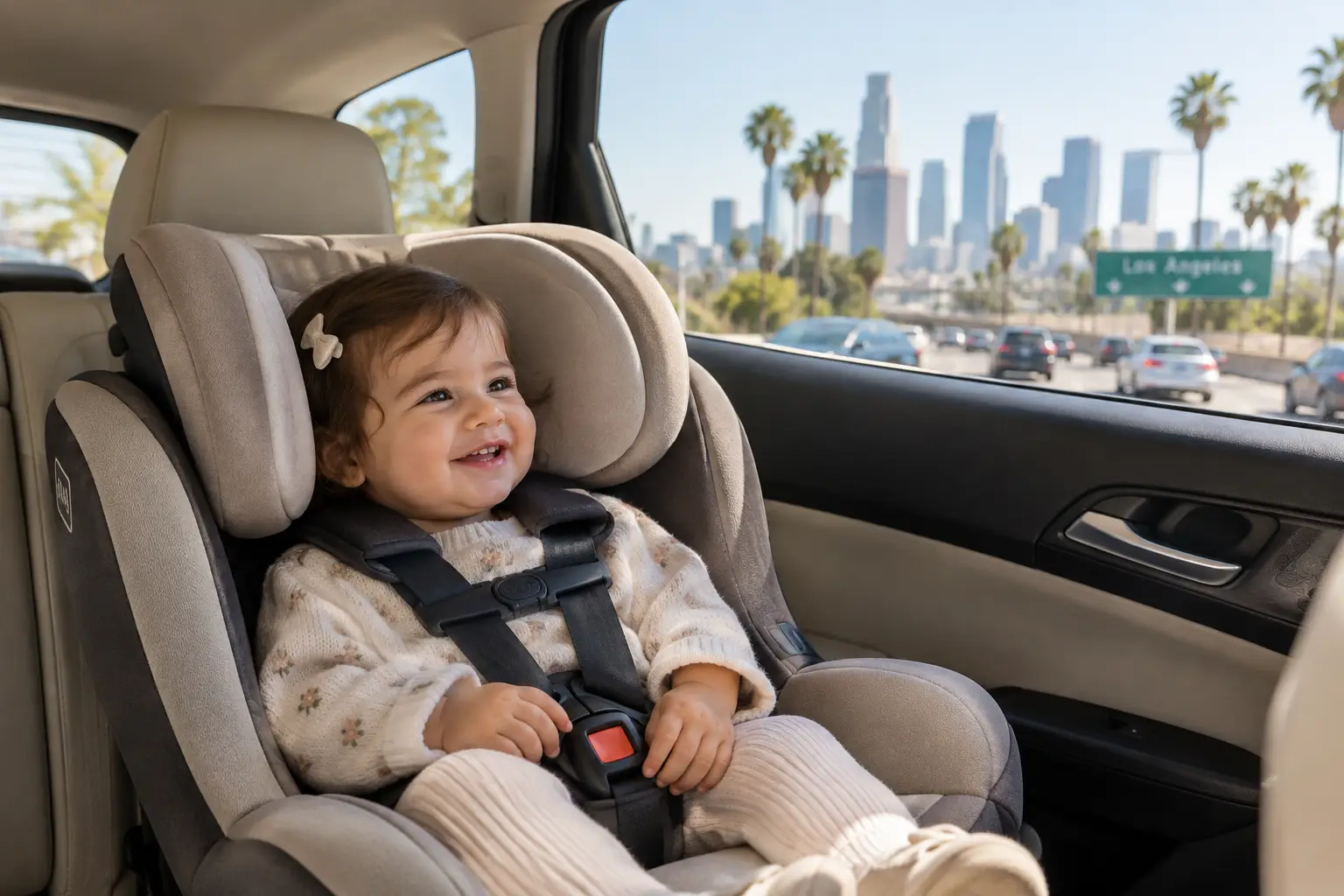
California Car Seat Laws: What LA Parents Need to Know in 2026
Driving with a baby or young child in Los Angeles comes with its own set of challenges, from packed freeways to frequent short trips across the city. California's child passenger safety laws spell out when children need rear-facing seats, car seats, boosters, and seat belts—but knowing the law is only part of keeping little passengers safe. Here's what LA parents need to know about California's current car seat requirements and how to make safer choices as their child grows
Read more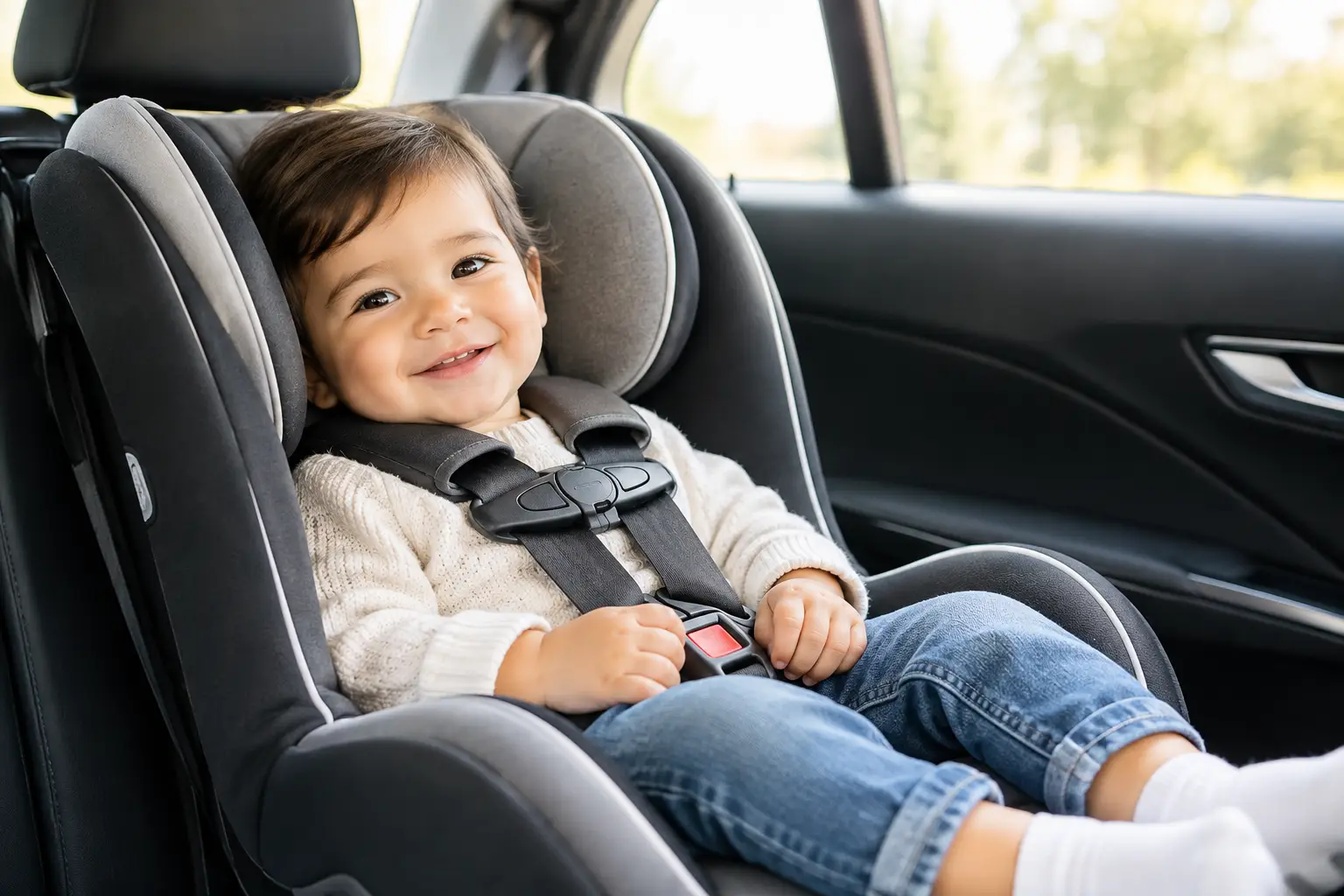
9 Car-Seat Checks Before Your First Fall Road Trip
Car-seat safety can feel straightforward until small details start adding up. A harness that's slightly too loose, a seat that's not installed as securely as it should be, or moving to the next stage too soon can all affect how well a car seat protects your child. This Child Passenger Safety Week, here's a practical look at five mistakes parents may not realize they're making—and what to check before your next drive
Read more
The First-Time Parent Classes in Boston That Are Actually Worth Your Saturday Morning
Boston has no shortage of classes for expecting parents, but not every Saturday workshop is worth giving up your weekend for. From childbirth preparation and newborn care to breastfeeding and infant CPR, here’s how to find the classes that offer genuinely useful skills and information for first-time parents.
Read more
Parents' Day 2026: The Baby Gear That Does the Heavy Lifting for Both of You
The best baby gear doesn't just support your baby, it supports both parents. This Parents Day 2026, discover practical products that encourage teamwork, simplify everyday routines, and help new families navigate parenthood together with greater confidence.
Read more
Hosting a 4th of July BBQ With a Baby in the House
Celebrating the 4th of July with a baby looks different—and that’s okay. From hosting a backyard BBQ around nap schedules to deciding whether fireworks are worth it, this parent-first guide shows you how to enjoy Independence Day while keeping your baby safe, calm, and comfortable.
Read more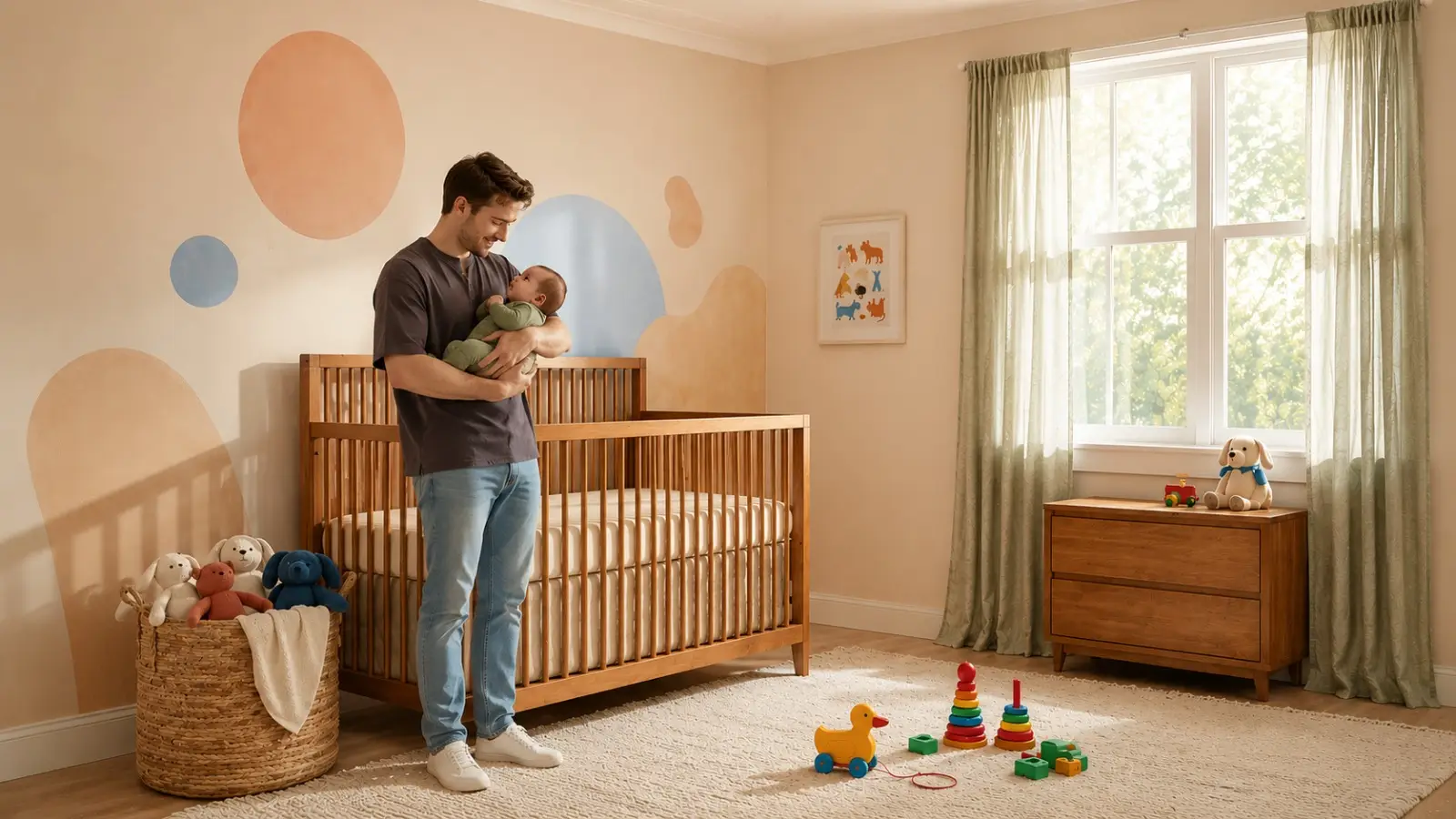
10 Things No One Tells a New Dad (But Should)
Becoming a new dad is life-altering in ways no book, class, or well-meaning advice fully prepares you for. Between the joy, fear, pride, and exhaustion, new fatherhood often unfolds quietly—and confusingly. This guide shares the truths most people never tell new dads, so you can step into fatherhood with clarity, confidence, and compassion for yourself.
Read more


