



Five Nursery Design Rules We’d Actually Break
5–6 minute read
October 1, 2026
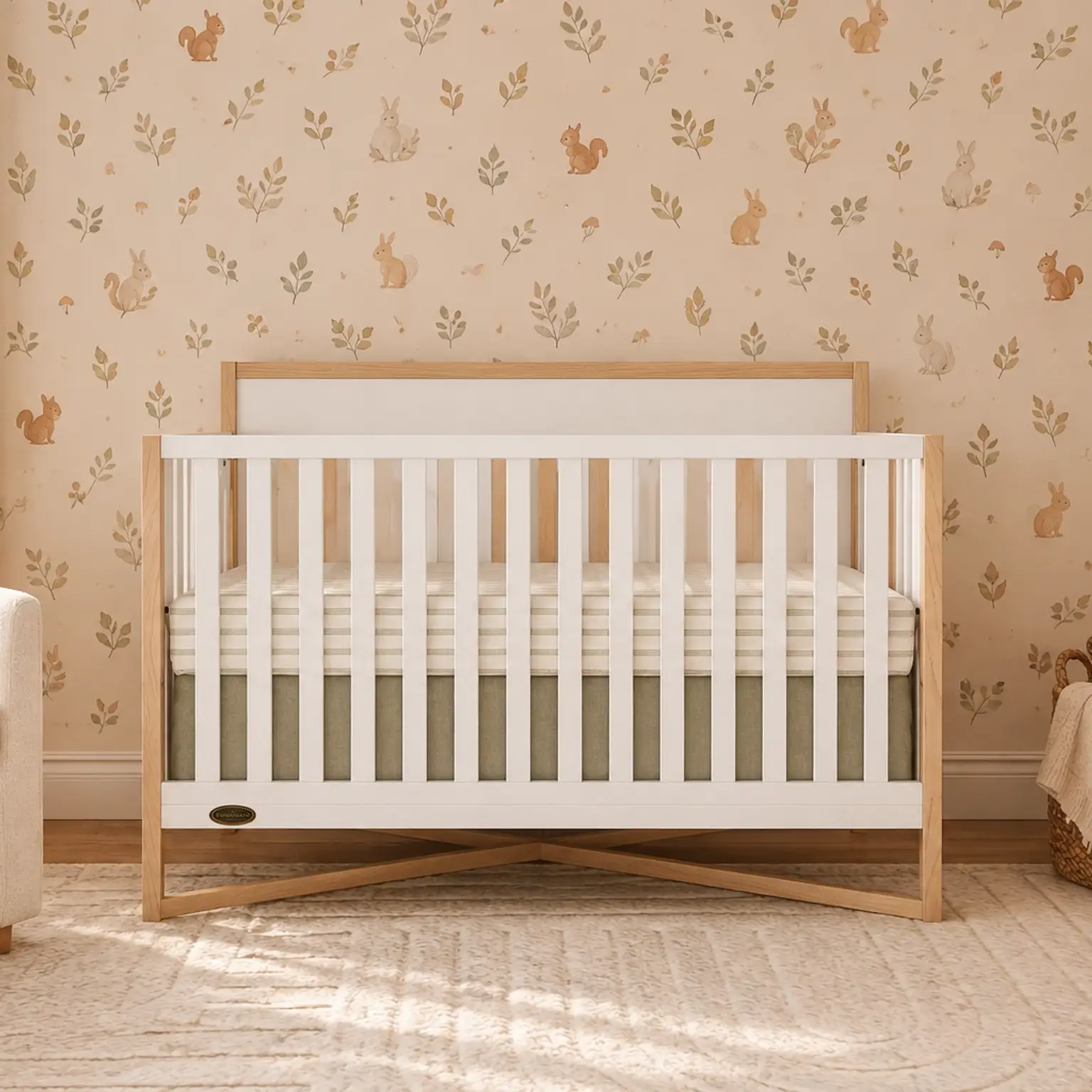
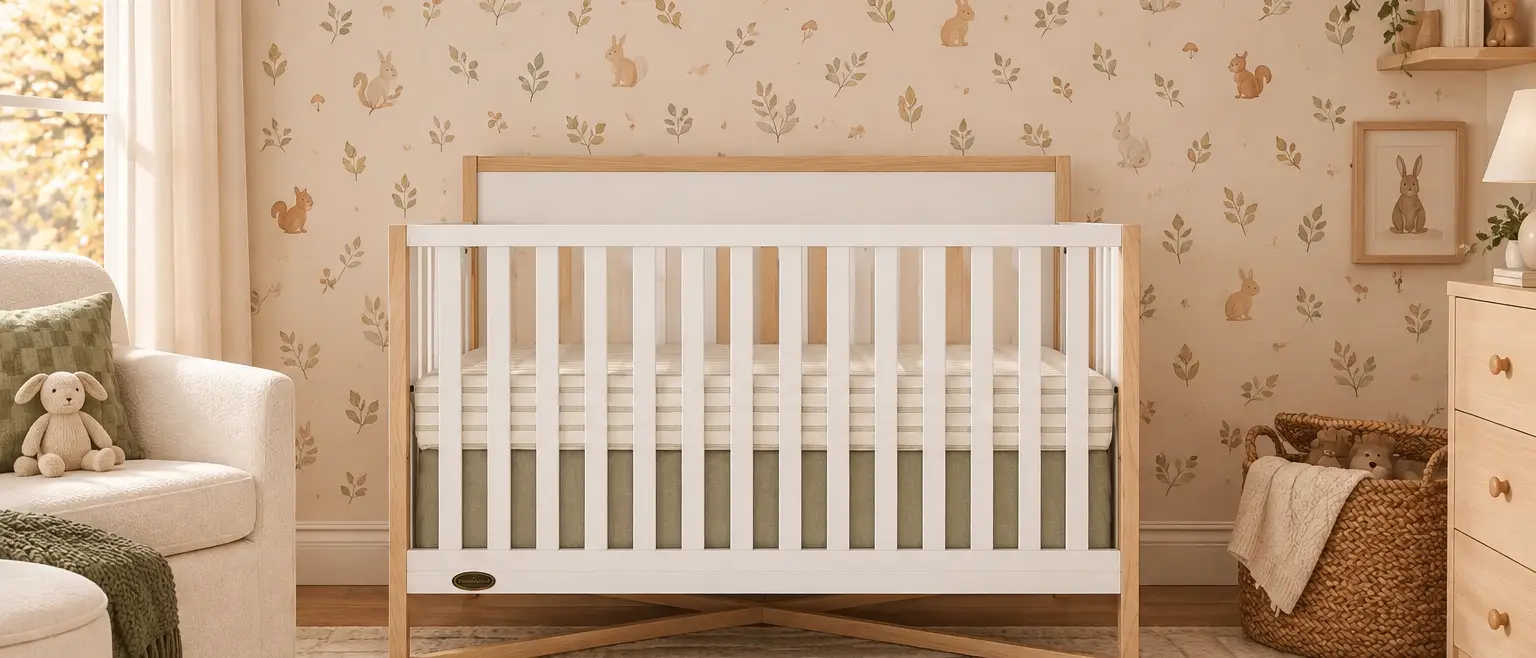
There are plenty of nursery design rules floating around.
Keep everything light. Choose neutrals. Match the crib to the dresser. Keep patterns small if the room is small. Fill empty corners so the space feels finished.
And while there's nothing wrong with any of those choices, they're not exactly requirements.
A nursery is still part of your home. It doesn't have to look like it belongs to a completely separate design universe just because a baby is moving in. Some of the most beautiful spaces are the ones that take the usual rules as suggestions rather than instructions.
So here are five nursery design rules we'd actually break—and what we'd do instead.
A Nursery Should Always Be Light and Neutral
Break It: Go a little moodier.
White, cream, beige, and soft gray are nursery classics for a reason. They're easy to decorate around, they create a calm backdrop, and they tend to work with almost any furniture style.
But a nursery doesn't have to be pale to feel peaceful.
Moody blues, earthy grays, warm browns, muted greens, dusty terracotta, and other deeper shades can make a nursery feel incredibly cozy. Instead of making the room feel smaller or heavier, a richer color can give it more personality and make the furniture feel even more intentional.
You don't have to paint every wall a dramatic shade, either. Try a deeper color on one wall, pair warm brown furniture with soft cream textiles, or use muted green through wallpaper, curtains, artwork, or a rug.
The key is choosing colors with softer undertones rather than colors that feel overly bright or saturated.
And if you love neutrals? Keep them. The point isn't that neutral nurseries are out. It's that they aren't the only option.
Everything in the Nursery Should Match
Break It: Mix and layer.
Matching nursery furniture can make decorating easy, but it isn't the only way to create a cohesive room.
In fact, mixing finishes, textures, shapes, and materials can make a nursery feel more collected and personal. A natural wood crib (https://everandeverbaby.com/collections/cribs-cradles) can sit beautifully beside a painted dresser. A streamlined glider can work with a more traditional rug. Woven baskets, soft textiles, artwork, and vintage-inspired accents can add another layer without making the room feel disconnected.
The trick is to create connections between pieces rather than making them identical.
Maybe several pieces share warm undertones. Maybe the same muted green appears in the wallpaper and a cushion. Maybe a wood finish is repeated in a picture frame or small side table.
You don't need everything to come from one collection to make the room feel like it belongs together.
Think of the furniture as pieces of a larger story rather than a set that has to stay together.
Small Rooms Need Small Patterns
Break It: Let one big pattern take the lead.
There's a common assumption that a small room needs small prints. The thinking makes sense: large patterns might make a compact space feel even more crowded.
But sometimes, the opposite works beautifully.
An oversized floral, botanical, geometric, or whimsical wallpaper can become the focal point of a small nursery and make the room feel deliberately designed rather than simply limited by its size.
The key is giving the pattern somewhere to breathe.
If the wallpaper is making a statement, the furniture can be simpler. If the rug is patterned, keep some of the surrounding textiles quieter. You don't need every surface competing for attention.
A large-scale print can actually make a small nursery feel more confident because it gives the room one clear visual direction.
And you don't have to cover every wall. A single feature wall behind the crib can be enough to bring the idea to life.
Small nursery design isn't necessarily about making everything smaller. Sometimes it's about making one choice bigger and letting everything else support it.
Baby Furniture Should Look Like Baby Furniture
Break It: Choose pieces that could live beyond the nursery.
There's something appealing about furniture that looks unmistakably designed for a baby. Soft colors, playful details, tiny proportions—it all has its place.
But your nursery furniture doesn't have to announce its purpose from across the room.
Some of the most timeless nurseries use furniture that could easily transition into another room of the house later. A well-designed dresser (https://everandeverbaby.com/collections/storage-dressers) can eventually become a child's bedroom dresser. A beautiful glider can move into a reading corner. A crib can transition through different stages when its design allows it.
This is especially useful when you're investing in larger nursery pieces. Instead of asking only, "Does this look good in a nursery?" ask, "Would I still love this piece if the room changed?"
That question can lead you toward cleaner silhouettes, classic finishes, and furniture that works with more than one decorating style.
Every Empty Corner Needs Something
Break It: Leave some space alone.
When you're decorating a nursery, an empty corner can feel like an unfinished project.
Maybe there's room for a little bookshelf. A basket. A floor lamp. A tiny chair. Another piece of artwork. Suddenly, you're shopping simply because there's a blank wall.
But not every empty space needs to be filled.
The breathing room is part of good design. Leaving some floor space open can make the room easier to move through and allow the furniture you actually love to stand out.
It can also keep a nursery from becoming visually overwhelming. Between the crib, dresser, glider, storage, textiles, toys, and all the little things that naturally accumulate once a baby arrives, the room will probably become fuller over time anyway.
So before adding something just because there's space for it, ask whether the room actually needs it.
Sometimes the best decorating decision is stopping.
The Best Nursery Design Rule? Make It Yours
There may never be a single formula for the perfect nursery.
Some families will always love a light, neutral room. Others will want deep green walls, patterned wallpaper, warm wood, and a little more personality. Some will want every piece to coordinate. Others will collect furniture and decor over time.
All of those approaches can work.
The best nursery design ideas aren't necessarily the ones that follow every current trend. They're the ones that make sense for your home, your space, and the way you want the room to feel.
Start with the pieces you genuinely love. Build around the furniture that needs to do the most work. Choose colors that make you happy. Leave a little room for the unexpected.
And don't feel obligated to fill every corner just because Pinterest says you should. A nursery doesn't need to be perfectly styled to be beautiful.
It just needs to feel like home.
FAQs
Does a nursery have to be light and neutral?
No. Light neutrals are a popular nursery choice, but deeper colors such as muted greens, moody blues, warm browns, and earthy grays can also create a cozy and sophisticated space. The right choice depends on the mood and overall design you want.
Can dark colors work in a nursery?
Absolutely. Darker colors can make a nursery feel warm and intimate. If you're concerned about the room feeling too heavy, balance deeper walls with lighter furniture, soft textiles, natural wood, or plenty of visual breathing room.
Should all nursery furniture match?
No. Mixing complementary finishes, textures, and furniture styles can make a nursery feel more collected and personal. Repeating colors, materials, or undertones throughout the room can help different pieces feel connected.
Can you use large patterns in a small nursery?
Yes. A large-scale wallpaper or pattern can work especially well as a focal point in a small nursery. Keep the rest of the room relatively simple so the pattern has room to stand out.
Should nursery furniture be designed to grow with your home?
It can be a smart approach, particularly for larger furniture investments. Choosing timeless silhouettes and versatile pieces can make it easier to reuse furniture as your child grows or as the room changes.
Is it okay to leave parts of a nursery empty?
Definitely. Empty space can help a nursery feel calmer, less crowded, and easier to move through. Not every corner needs furniture or decor simply because there is room for it.
Wrapping Up
Nursery design doesn't have to follow a checklist.
You can choose color instead of beige, mix furniture instead of matching it, use a bold wallpaper in a small room, choose pieces that don't look traditionally "baby," and leave a corner completely empty.
The goal isn't to break every nursery design rule just for the sake of it. It's to know which rules are actually helping your space—and which ones are keeping you from creating a room that feels like yours.
Because the nursery doesn't have to be perfect. It just has to be a place you love coming back to.
Suggested For You
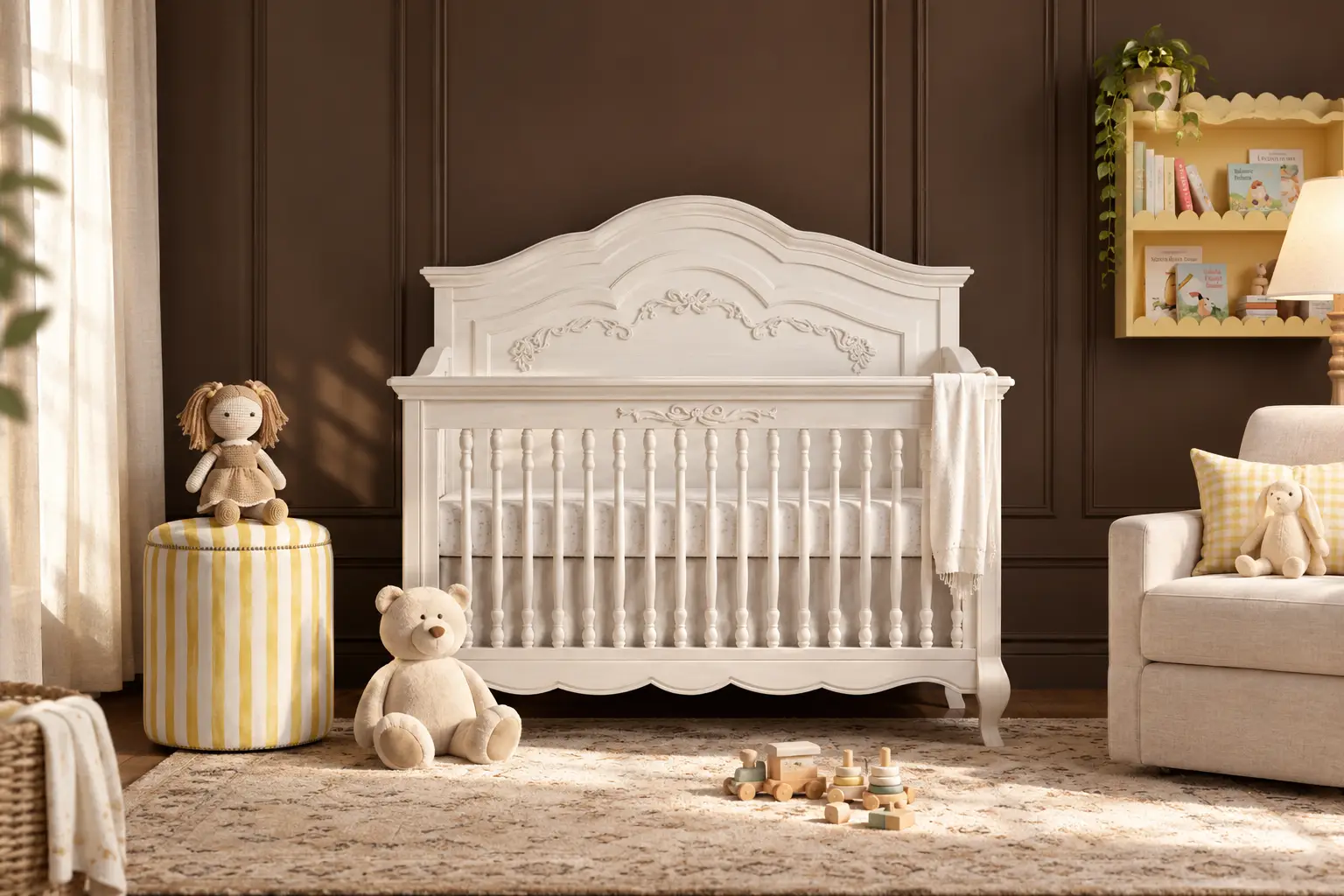
Your Baby’s Nursery Doesn’t Have to Match: How to Mix Vintage, Color & Modern Pieces
The best-looking nurseries don't always come from buying an entire matching furniture set. Mixing a modern crib with a vintage-inspired dresser, colorful artwork, or an heirloom accent can make the room feel more personal and lived-in. Here's how to combine different styles, colors, finishes, and textures without making your nursery feel chaotic.
Read more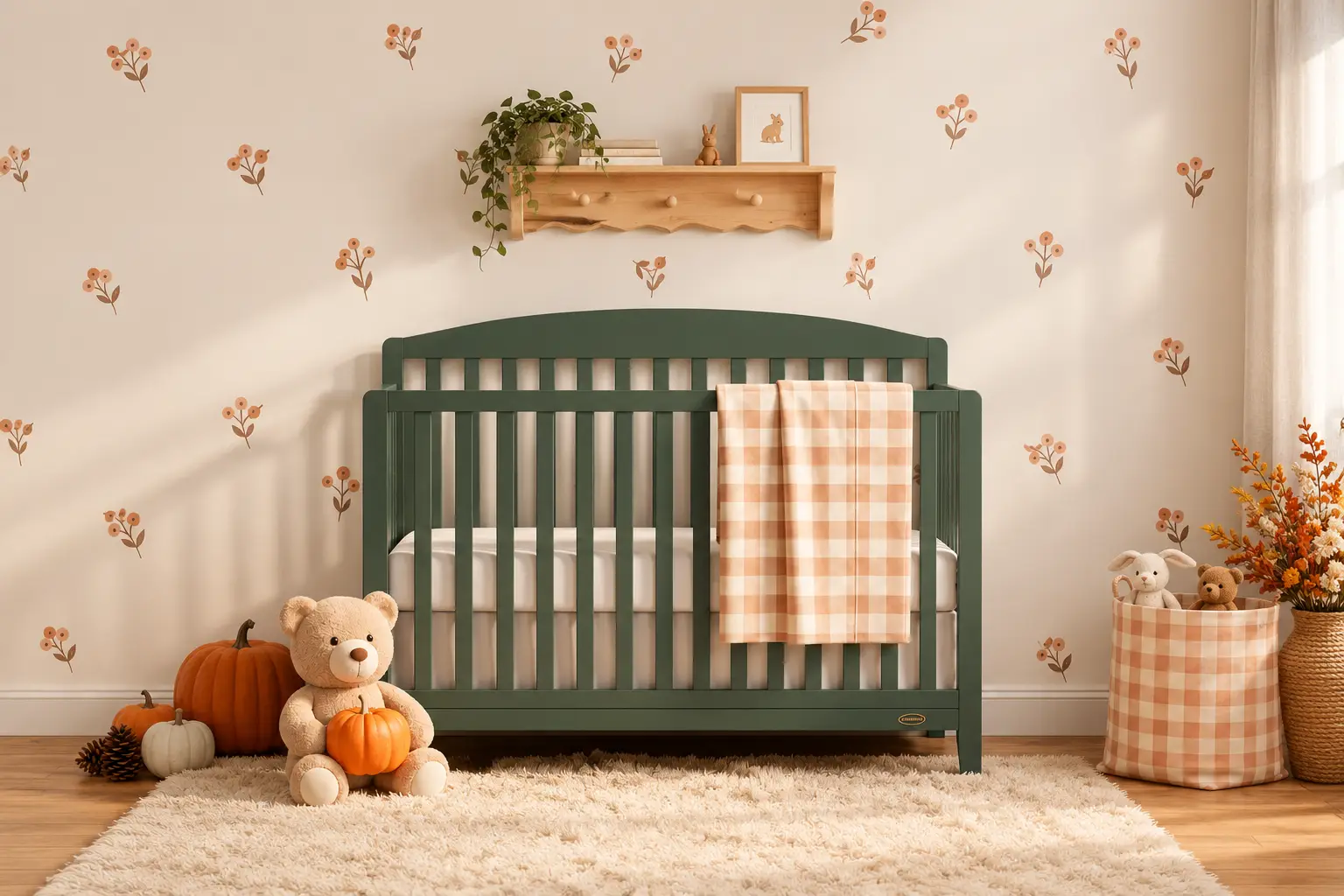
It’s Officially Fall: 8 Nursery Colors That Feel Cozy Without Looking Seasonal
Fall naturally brings warmer, richer colors into our homes—but your nursery doesn't have to look like a seasonal display. From muted terracotta and olive green to warm cream and cocoa brown, these eight nursery colors create a cozy, inviting space that feels right for fall while staying timeless all year long.
Read more


