



Your Baby’s Nursery Doesn’t Have to Match: How to Mix Vintage, Color & Modern Pieces
4-5 minute read
September 27, 2026
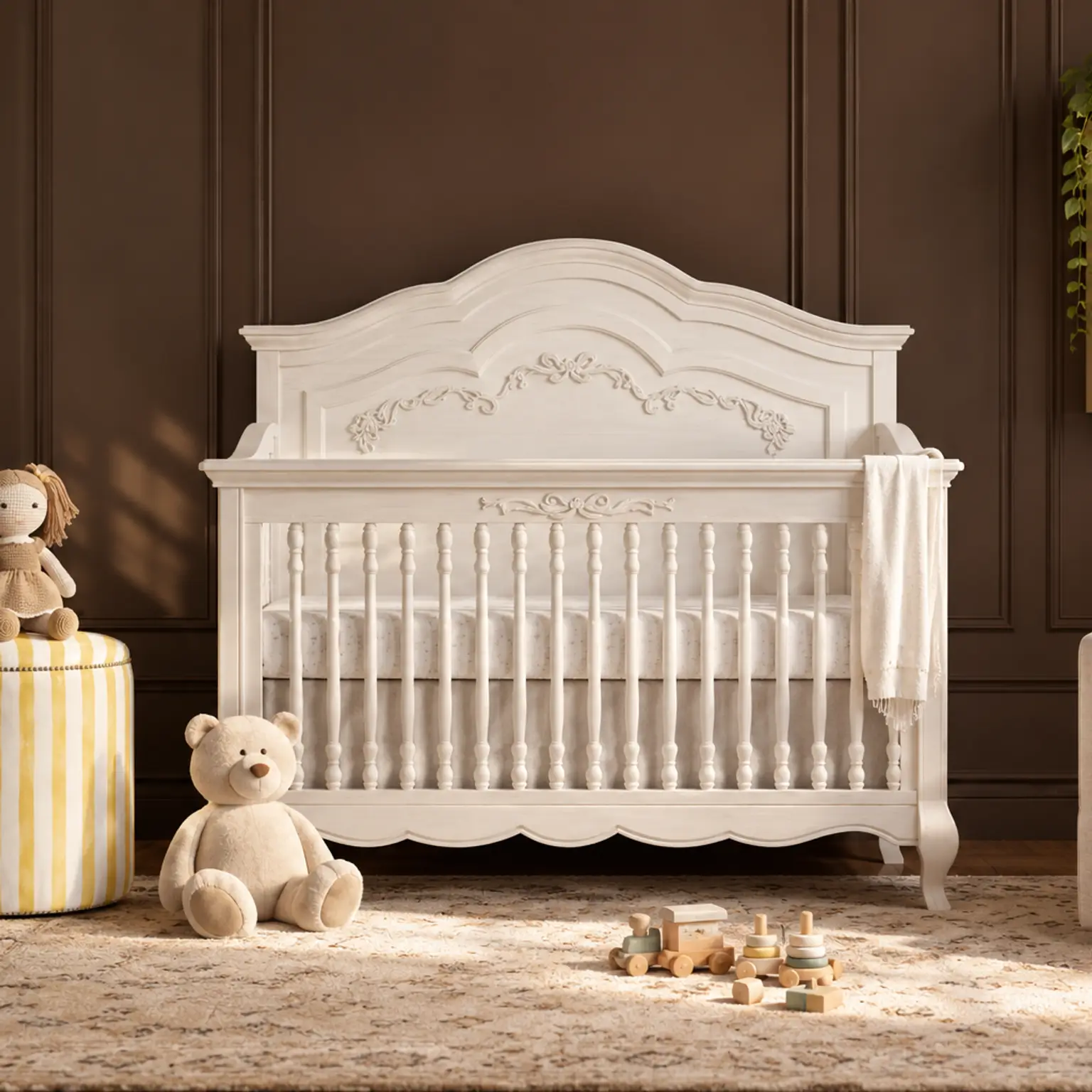
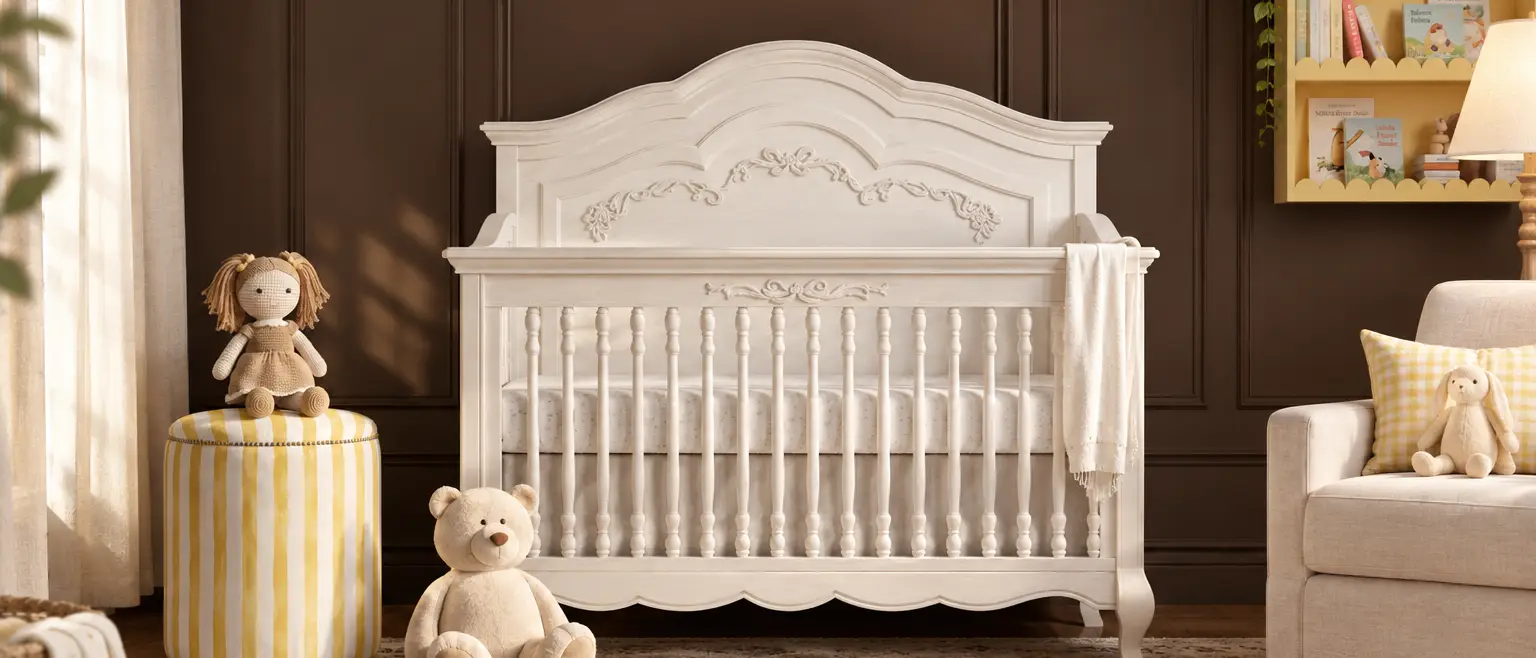
There was a time when designing a nursery meant choosing a furniture collection and buying everything from the same line.
Crib. Dresser. Changing table. Maybe a matching bookshelf for good measure.
But some of the most inviting nurseries don't look like they came out of one catalog. They feel collected over time, with a modern crib (https://everandeverbaby.com/collections/cribs-cradles) alongside a vintage-inspired dresser, a colorful rug, an heirloom piece, or artwork that has nothing to do with the furniture—and somehow, it all works.
The secret isn't making everything match. It's giving the different pieces a few visual connections so the room feels intentional rather than random.
Here's how to mix vintage, color, modern furniture, and personality into a nursery that can grow with your family.
Why a Nursery Looks Better When Everything Doesn't Match
A nursery doesn't need to look like a showroom.
When every piece has the same finish, shape, and design language, the room can sometimes feel overly coordinated. Mixing styles gives the space more depth and creates opportunities to bring in things that actually mean something to you.
Maybe the crib is clean and contemporary while the dresser reminds you of something from your own childhood. Maybe a colorful rug adds personality to otherwise simple furniture. Or perhaps you've inherited a small chair, framed print, or wooden toy that you want your baby to grow up around.
The goal isn't to combine as many styles as possible. It's to create a room where different pieces can have different personalities while still belonging together.
That makes the nursery feel less like a matching set and more like a space your family has actually lived in.
Start With One Modern Anchor Piece
If you're not sure where to begin, start with one substantial piece of modern nursery furniture.
The crib is often the natural choice because it is one of the most important pieces in the room and tends to establish the overall visual direction.
A simple modern crib can act as a neutral foundation for everything around it. From there, you can introduce a dresser in a different finish, a vintage-style rug, patterned curtains, or colorful artwork without making the room feel disconnected.
The same approach works with a glider. A streamlined glider can balance a more traditional dresser or antique-inspired accent, while a classic-looking chair can soften a nursery built around contemporary furniture.
Think of your larger furniture as the framework. The smaller pieces are where you get to have fun.
Bring in Vintage Character With Color, Patterns & Accessories
You don't need actual antique furniture to create a vintage-inspired nursery.
Sometimes, the feeling comes from the details.
A patterned rug, botanical artwork, traditional-style lamp, embroidered textile, woven basket, or stack of vintage children's books can introduce character without overwhelming the room.
Color can do the same thing.
Instead of choosing one theme and repeating it everywhere, choose a palette with a few related shades. A dusty blue might appear in the rug, artwork, and curtains. Warm terracotta could show up in a throw pillow and a small decorative accent. Soft green can connect a botanical print with the rest of the room.
The result feels layered rather than themed.
And don't be afraid of color. A modern nursery doesn't have to mean white walls and beige furniture. Colorful artwork or one statement textile can completely change the mood while keeping the larger pieces timeless.
How to Mix Different Wood Tones Without Making the Room Feel Busy
Different wood finishes can make a nursery feel warm and collected—but too many unrelated tones can make the room feel visually scattered.
The easiest approach is to choose a dominant wood tone and then introduce one or two complementary finishes.
For example, a light wood crib can work with a slightly darker dresser if the rest of the room ties the two together. A woven basket, wooden picture frame, or natural-fiber rug can help bridge the finishes.
You don't need every wood surface to be identical. In fact, slight variation can make the room feel more natural.
What matters is repetition.
If you have a warm wood dresser, repeat that warmth somewhere else through a frame, side table, shelf, or decorative object. Those small connections help different furniture pieces feel like part of the same room.
The 3-Color Rule for a Collected Nursery
When you're mixing furniture styles, color can become the element that brings everything together.
A simple way to keep things cohesive is to work with three main colors:
One dominant color: This might come from the walls, larger furniture, or rug.
One supporting color: Use it through textiles, artwork, or smaller furniture.
One accent color: Keep this for the details that you want to stand out.
For example, a nursery could combine warm white, muted sage, and terracotta. Another might use cream, dusty blue, and mustard. You can even start with a colorful piece you already love and pull the rest of the palette from it.
The colors don't need to appear in exactly equal amounts. In fact, they shouldn't. Let one shade do most of the work and use the others to create visual interest.
This approach is especially helpful when you're mixing modern and vintage-inspired pieces because the shared palette gives different furniture styles something in common.
What Should—and Shouldn't—Be Vintage in a Nursery?
This is where style and safety need to work together.
Vintage-inspired accessories are an easy way to introduce character. Think artwork, rugs, baskets, decorative objects, books, or textiles that complement the room.
When it comes to essential nursery furniture, however, safety should take priority over aesthetics.
A vintage-looking dresser can be beautiful, but older furniture should be carefully evaluated for stability, condition, hardware, and potential hazards before being used around a baby. The same goes for any secondhand crib or sleep product.
The U.S. Consumer Product Safety Commission recommends using cribs that meet current federal safety standards and warns against using older, potentially unsafe cribs. (cpsc.gov)
For the crib and crib mattress (https://everandeverbaby.com/collections/mattresses), prioritize current safety requirements, proper fit, and manufacturer guidance.
You can still bring in the character of another era—just consider getting that character from pieces where safety requirements are less critical.
A vintage-inspired rug is one thing. A decades-old crib is another.
FAQs
Can you mix modern and vintage furniture in a nursery?
Yes. Mixing modern and vintage-inspired pieces can make a nursery feel more personal and layered. Start with one or two larger anchor pieces and use accessories, colors, and textures to connect the different styles.
How do you make mismatched nursery furniture look cohesive?
Use repetition. Similar colors, complementary wood tones, recurring materials, or repeated shapes can help different furniture pieces feel connected even when they don't come from the same collection.
What colors work well in a vintage-modern nursery?
Soft neutrals paired with muted or earthy colors work particularly well, including sage, dusty blue, terracotta, warm yellow, cream, and soft pink. A limited palette helps different furniture styles feel intentional.
Can you mix different wood tones in a nursery?
Yes. Choose one dominant wood tone and introduce one or two complementary finishes. Repeating the warmth or undertone of a wood finish elsewhere in the room can help everything feel connected.
How do you make a colorful nursery feel cohesive?
Choose a small color palette and repeat those colors throughout the room. Instead of matching every item, let the same few shades appear across artwork, rugs, curtains, bedding, and decorative accents.
Is it safe to use vintage furniture in a nursery?
It depends on the piece. Vintage or secondhand furniture should be carefully inspected for stability, damage, unsafe hardware, recalls, and current safety requirements. For products such as cribs and other sleep-related items, current safety standards should take priority over appearance. (cpsc.gov)
Wrapping Up
A nursery doesn't have to look like every piece was chosen at the same time.
In fact, mixing modern furniture with vintage-inspired details, color, patterns, and different textures can create a room that feels much more personal. Start with a few dependable anchor pieces, establish a simple color palette, and let the smaller details bring in character.
The important thing is knowing where to mix and where to be more careful. When it comes to the crib, mattress, and other safety-critical products, follow current safety standards and manufacturer guidance. Everywhere else, there's plenty of room for personality.
Because the nursery you'll remember most probably won't be the one where everything matched perfectly. It will be the one that feels like yours.
Suggested For You
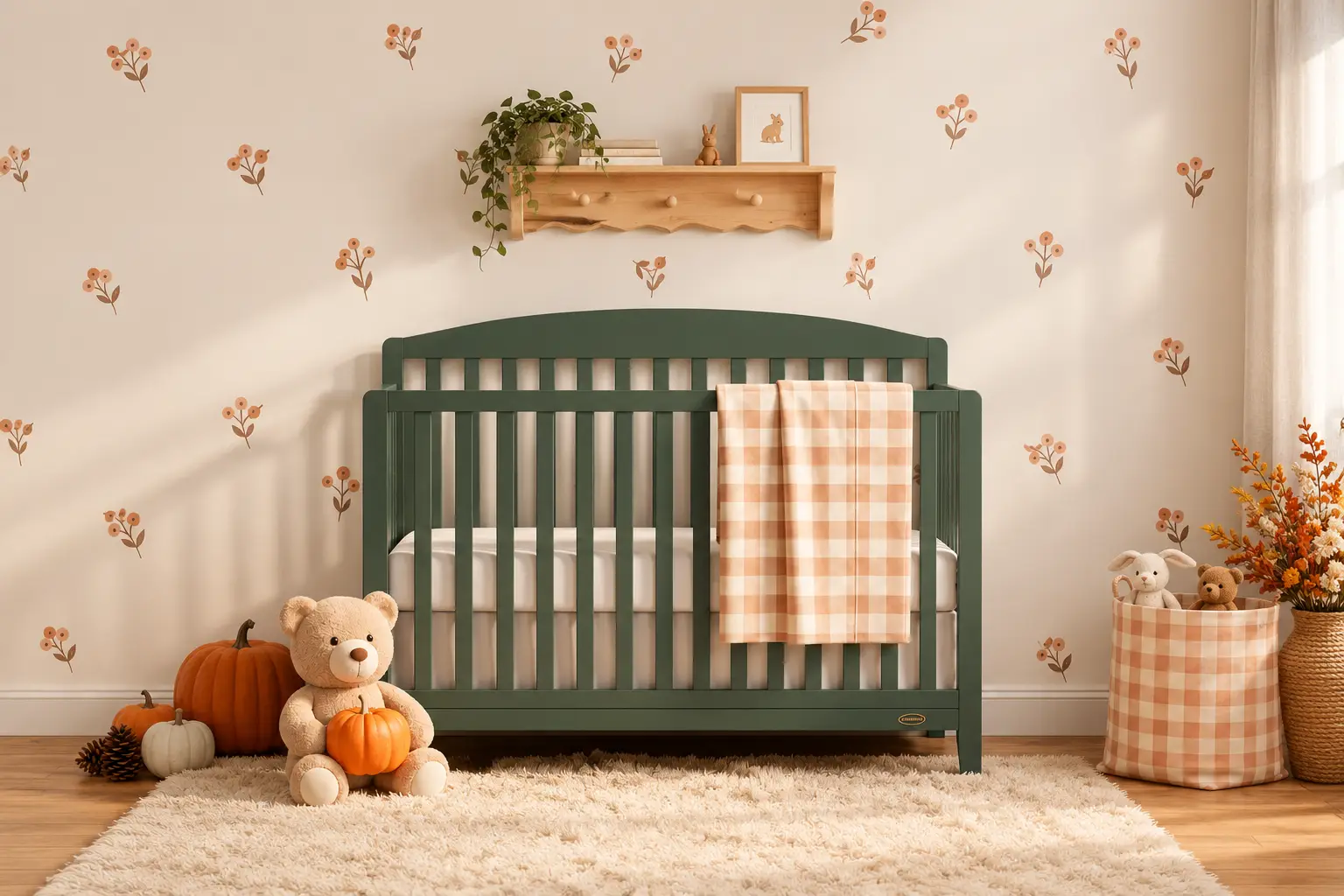
It’s Officially Fall: 8 Nursery Colors That Feel Cozy Without Looking Seasonal
Fall naturally brings warmer, richer colors into our homes—but your nursery doesn't have to look like a seasonal display. From muted terracotta and olive green to warm cream and cocoa brown, these eight nursery colors create a cozy, inviting space that feels right for fall while staying timeless all year long.
Read more


