



It’s Officially Fall: 8 Nursery Colors That Feel Cozy Without Looking Seasonal
6-7 minute read
September 21, 2026
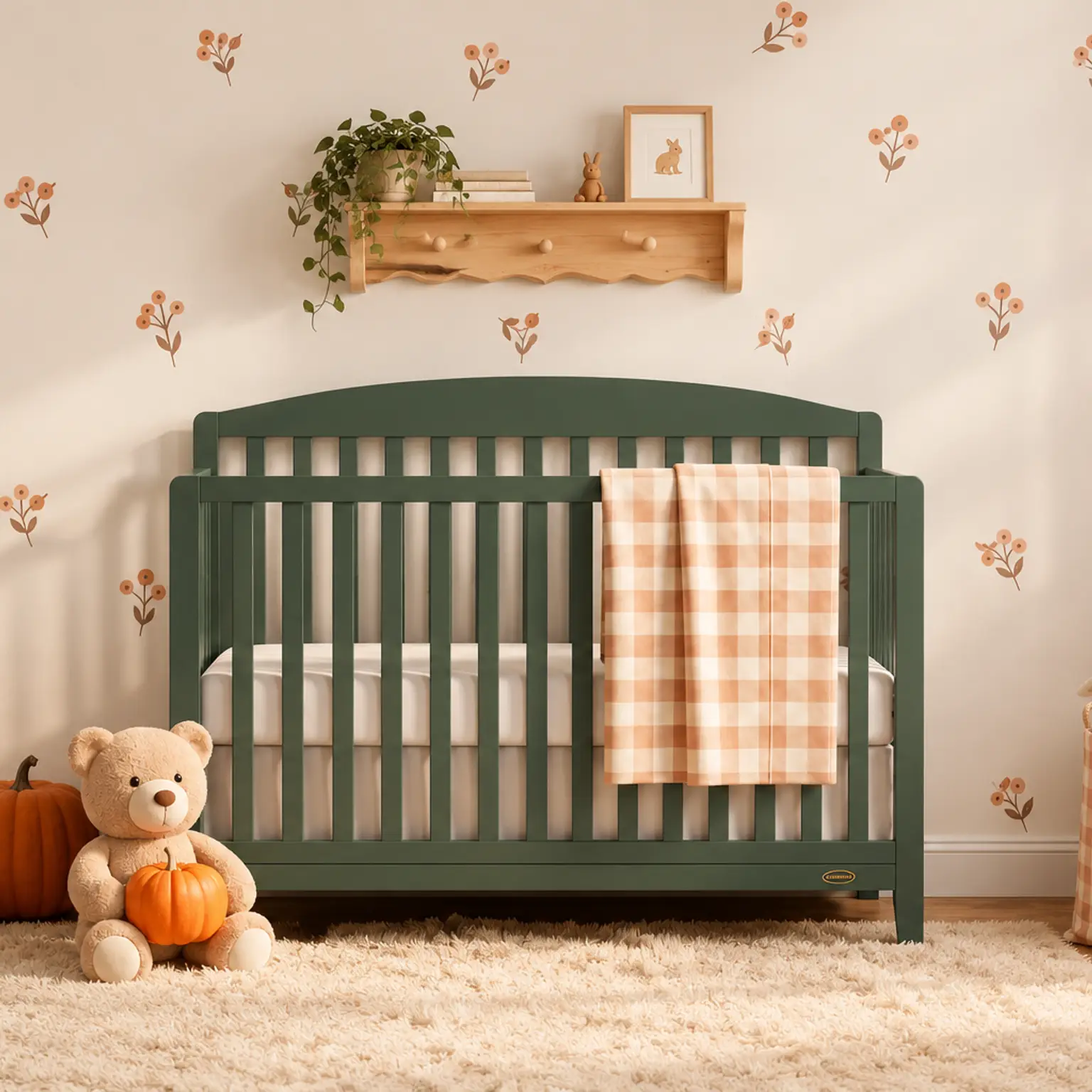
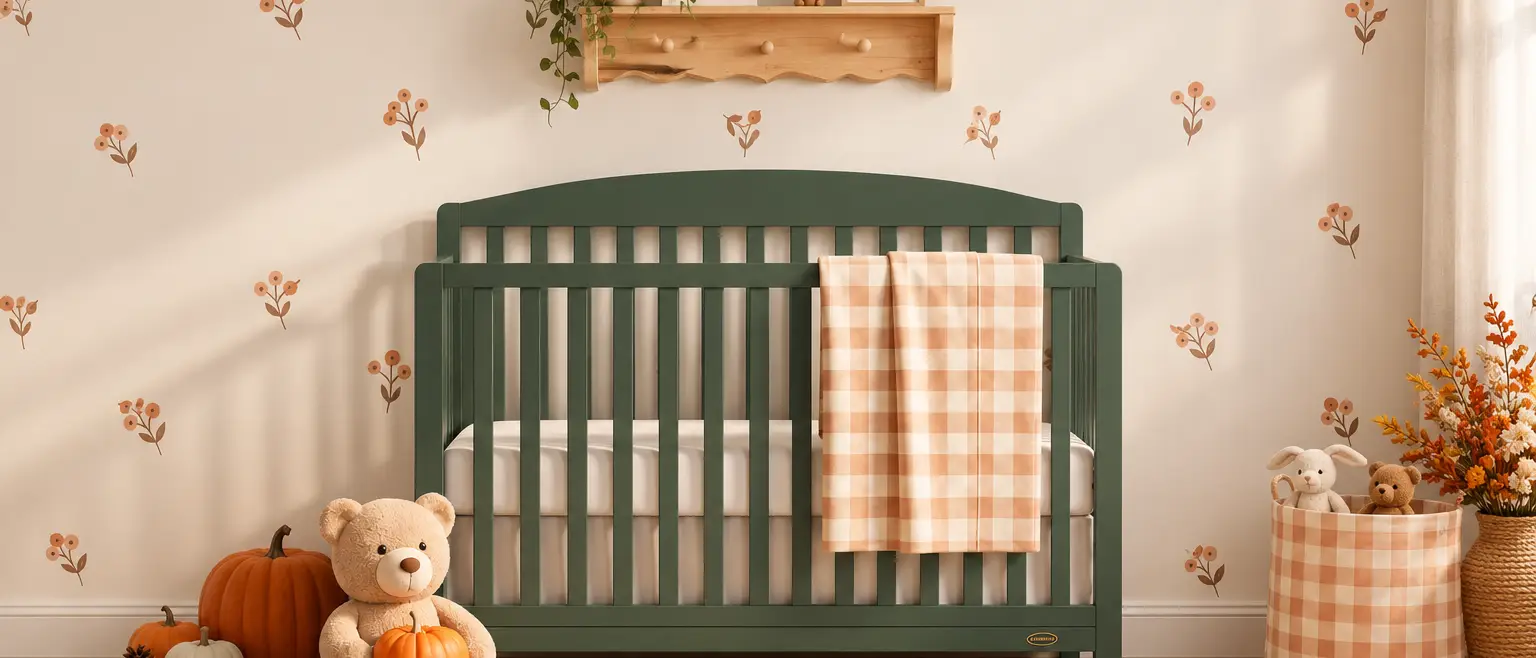
Fall has a way of making us want to bring a little more warmth into our homes. The colors get richer, the textures get softer, and suddenly, even the smallest changes can make a room feel more inviting.
If you're planning your baby's nursery or refreshing the space you've already created, it's a lovely time to think about color. But a fall-inspired nursery doesn't have to mean pumpkins, seasonal decorations, or walls in deep orange.
The secret is choosing warm, timeless shades that feel cozy now but still work beautifully when the seasons change. Think muted terracotta, soft olive green, warm cream, and rich cocoa brown—colors that bring personality into a nursery without making it feel like a seasonal display.
Whether you're starting from scratch or simply looking for a few new nursery color ideas, here are eight shades that can help you create a space you'll love all year long.
What Makes a Nursery Color Feel Cozy?
A cozy nursery isn't necessarily a dark nursery. It's about creating a space that feels comfortable and welcoming through the colors, textures, and finishes you bring together.
Warm undertones, earthy shades, and softer neutrals can make a room feel inviting without overwhelming it. Even a light-colored nursery can have plenty of depth when you pair it with natural wood, textured fabrics, and a few thoughtful accents.
When choosing your nursery color palette, consider:
- Undertones: Creams and beiges with warm undertones can create a softer look than cooler whites and grays.
- Depth: Muted shades add character without making the room feel too busy.
- Natural textures: Wood, linen, and woven details can complement earthy colors beautifully.
- Lighting: A color can look different throughout the day, so consider how natural light changes the room.
You don't need to incorporate every element. Sometimes, a single accent wall or a few carefully chosen accessories are enough to make a nursery feel warmer.
8 Nursery Colors That Bring Fall Warmth Without Looking Seasonal
The beauty of fall-inspired nursery colors is that they don't have to be limited to autumn. These shades can work across different nursery styles, from modern and minimal to soft and traditional.
1. Warm Terracotta
Terracotta brings an earthy, sunbaked warmth into a nursery. It's a lovely way to introduce color without going too bright or bold.
A muted terracotta wall can pair beautifully with warm cream, natural wood, and soft beige. If you're not ready to commit to a painted wall, try introducing the shade through artwork, cushions, or smaller decorative accents.
The result is a nursery that feels warm and full of character without looking overly seasonal.
2. Olive Green
Olive green is a beautiful choice if you want to bring a little nature into your baby's room. It's earthy and understated, making it an easy alternative to traditional nursery pastels.
Pair it with warm white, pale wood, or soft tan for a relaxed look. You can use olive on the walls or introduce it through smaller details if you'd prefer to keep the room light.
It's also a versatile option for a gender-neutral nursery, especially when paired with natural finishes and simple decor.
3. Dusty Rose
Dusty rose offers the warmth of pink with a softer, more muted feel. It's less sugary than brighter pinks and can bring a gentle touch of color into the nursery.
Try pairing it with cream, cocoa brown, or natural wood. These combinations keep the room feeling balanced while allowing the rose shade to add personality.
Dusty rose also works beautifully as an accent, whether through artwork, textiles, or a small decorative detail.
4. Muted Mustard
Muted mustard brings a little sunshine into a nursery without feeling too bright. Its earthy yellow tone adds warmth and can work especially well in a room built around neutral furniture.
Pair it with warm cream, beige, or pale wood to keep the palette soft. If you're unsure about using yellow on the walls, start with smaller accents that can easily be changed later.
A little mustard can bring just enough contrast to a neutral nursery without taking over the space.
5. Clay Beige
If you love neutrals but want something with a little more depth, clay beige is worth considering. It sits between beige and earthy brown, giving the room a warmer feel than a standard pale neutral.
This shade works well across larger surfaces, including walls, and pairs naturally with ivory textiles and wood finishes.
It's also a flexible choice if you want a nursery that can evolve as your baby's room changes over time.
6. Deep Blue
Deep blue brings a different kind of coziness to a nursery. Rather than relying on earthy warmth, it adds depth and contrast.
A muted navy or inky blue can look beautiful on an accent wall, especially when balanced with warm cream, pale wood, and lighter furniture. If you're decorating a smaller room, consider introducing deep blue through artwork or accessories instead.
The key is to let the color add character without making the entire room feel heavy.
7. Cocoa Brown
Cocoa brown is rich, warm, and wonderfully versatile. It brings the feeling of deeper wood tones into a nursery without requiring seasonal decorations or overly bold colors.
Pair it with warm cream, dusty rose, or lighter wood finishes to create a balanced palette. You can use cocoa brown on an accent wall or introduce it through smaller details such as frames and accessories.
It's a lovely option if you want a nursery that feels grounded and cozy while still looking timeless.
8. Warm Cream
Warm cream is proof that a nursery doesn't need bold colors to feel inviting. It creates a soft, light backdrop that works beautifully with almost every other shade on this list.
Layer it with natural wood, textured fabrics, and accents of terracotta, olive, or cocoa brown to give the room more depth.
Warm cream is also a wonderful choice if you'd like the nursery to feel calm and adaptable, without committing to a strong wall color.
How to Pair Warm Nursery Colors Without Overdoing It
Once you've found a few colors you love, the next step is figuring out how to bring them together. The good news is that you don't need a complicated palette to create a thoughtfully designed nursery.
Start with one main shade, choose a complementary color, and finish with a few natural textures or subtle accents.
Here are three combinations to try:
- Terracotta + Warm Cream + Olive Green: Earthy and relaxed, with cream as the foundation and the deeper shades adding character.
- Dusty Rose + Cocoa Brown + Cream: Soft and layered, with cocoa brown bringing depth and dusty rose keeping the palette gentle.
- Deep Blue + Clay Beige + Natural Wood: A little more contrast, balanced by neutral tones and warm wood finishes.
A helpful approach is to let one shade do most of the work. If your walls are already a rich color, keep larger furniture pieces and textiles relatively light. If your nursery is mostly neutral, use smaller accents to introduce color.
The Best Nursery Furniture Colors to Balance Warmer Walls
Once you've settled on a color palette, nursery furniture can help bring everything together. You don't need every piece to match perfectly—in fact, a little variation can make the room feel more personal.
Natural wood finishes are especially versatile with earthy colors. Light wood can soften deeper shades like olive and terracotta, while cream or white furniture can create contrast against richer walls.
Here are a few pieces to consider when planning your nursery:
- Convertible cribs (https://everandeverbaby.com/collections/cribs-cradles): Natural wood, white, or cream finishes can complement a wide range of nursery color palettes.
- Dressers and changing tables: A neutral or wood finish can balance warmer walls while keeping the room visually cohesive.
- Gliders and nursery seating: A soft beige, cream, or muted neutral can add another layer without competing with the rest of the palette.
- Natural wood furniture: Wood tones can connect different colors throughout the room, making the overall design feel more intentional.
The goal isn't to make everything match. It's to choose pieces that work together and create a nursery that feels comfortable, practical, and personal.
How to Make Your Fall-Inspired Nursery Work All Year Long
The easiest way to make a fall-inspired nursery last beyond autumn is to focus on elements that won't need to change when the season does.
Instead of decorating around pumpkins, leaves, or other seasonal motifs, build the room around colors and furniture finishes that you'll continue to enjoy.
A few simple ways to do that:
- Keep the foundation timeless. Choose wall colors and larger furniture finishes that work beyond autumn.
- Layer different textures. Natural wood, woven details, and soft fabrics can add warmth without relying on seasonal decor.
- Switch out smaller accents. Artwork and decorative accessories can change as your tastes evolve, without requiring a complete room makeover.
- Let the room grow with your family. Choose a palette and furniture that can adapt as your baby's needs change.
And remember, nursery design is about more than how the room looks. When choosing furniture, sleep products, and textiles, make sure your design choices don't compromise safety.
The American Academy of Pediatrics recommends keeping a baby's sleep space firm, flat, and free of loose bedding and soft objects. You can read more in its safe sleep guidance (https://www.healthychildren.org/English/ages-stages/baby/sleep/Pages/a-parents-guide-to-safe-sleep.aspx).
A thoughtfully designed nursery can be both beautiful and functional. The key is finding a balance between the atmosphere you want to create and the practical needs of your growing baby.
FAQs
What are the best cozy colors for a nursery?
Warm cream, clay beige, terracotta, olive green, dusty rose, and cocoa brown are all lovely options. The right choice depends on your room's lighting, furniture, and the overall look you're hoping to create.
What colors make a nursery feel warm and inviting?
Earthy shades and warm neutrals can help create an inviting atmosphere. Terracotta, muted mustard, cocoa brown, and warm cream are all colors worth considering.
What are the best gender-neutral nursery colors?
Olive green, clay beige, warm cream, muted mustard, and deep blue are versatile choices for a gender-neutral nursery. They can be paired with different wood finishes and accent colors as your style evolves.
What is the best color for a calming nursery?
There isn't one universally best color. Soft greens, warm creams, muted blues, and gentle neutrals are popular choices for creating a visually restful space. Consider the room's lighting and the overall feeling you want to create.
Can dark colors work in a baby's nursery?
Yes. Deep blue, olive green, and cocoa brown can work beautifully in a nursery. You can use them on an accent wall or through smaller decorative details, then balance them with lighter furniture and textiles.
How can I make a nursery feel cozy without using seasonal decor?
Start with a warm, timeless color palette and layer in natural materials, soft textures, and complementary furniture finishes. You can create a cozy atmosphere without using decorations that are specific to fall.
Wrapping Up
Fall is a lovely reminder that a little warmth and depth can transform a room. But your nursery doesn't have to look like autumn to feel cozy.
Whether you're drawn to earthy terracotta, muted olive, soft dusty rose, or timeless warm cream, the right combination can create a space that feels inviting now and continues to work beautifully throughout the year.
Start with the colors you love, build around furniture and finishes that complement them, and let the nursery come together one thoughtful detail at a time.


