



5 Nursery Color Palettes That Aren't White or Beige
5–6 minute read
August 14, 2026
For years, nursery design has leaned heavily toward white, cream, beige, and every shade in between. They're timeless for a reason—but they aren't the only colors that can create a beautiful space for a baby.
In 2026, nursery design is becoming a little more expressive. Parents are bringing in muted greens, earthy terracottas, dusty blues, warm woods, and softer versions of colors traditionally reserved for other rooms in the home.
The result? Nurseries that feel personal without feeling overwhelming, and spaces that can continue to work as a child grows.
If you're ready to move beyond the standard neutral nursery, these five color palettes are a good place to start.
Why Nursery Colors Are Becoming Warmer in 2026
The nursery is increasingly being treated as part of the home rather than a room that needs to look completely separate from everything else.
That means parents are choosing colors that feel natural alongside existing furniture, flooring, and décor. Warm woods, earthy tones, muted greens, and soft blues can create a sense of calm while still giving the room some personality.
The key is balance.
A nursery doesn't have to be completely neutral to feel peaceful. Softer, desaturated versions of stronger colors can create visual interest without making the room feel too busy.
And instead of matching every element to one exact shade, think in terms of a palette: a main color, a supporting neutral, a wood or metallic finish, and one or two smaller accent colors.
Here are five combinations worth considering.
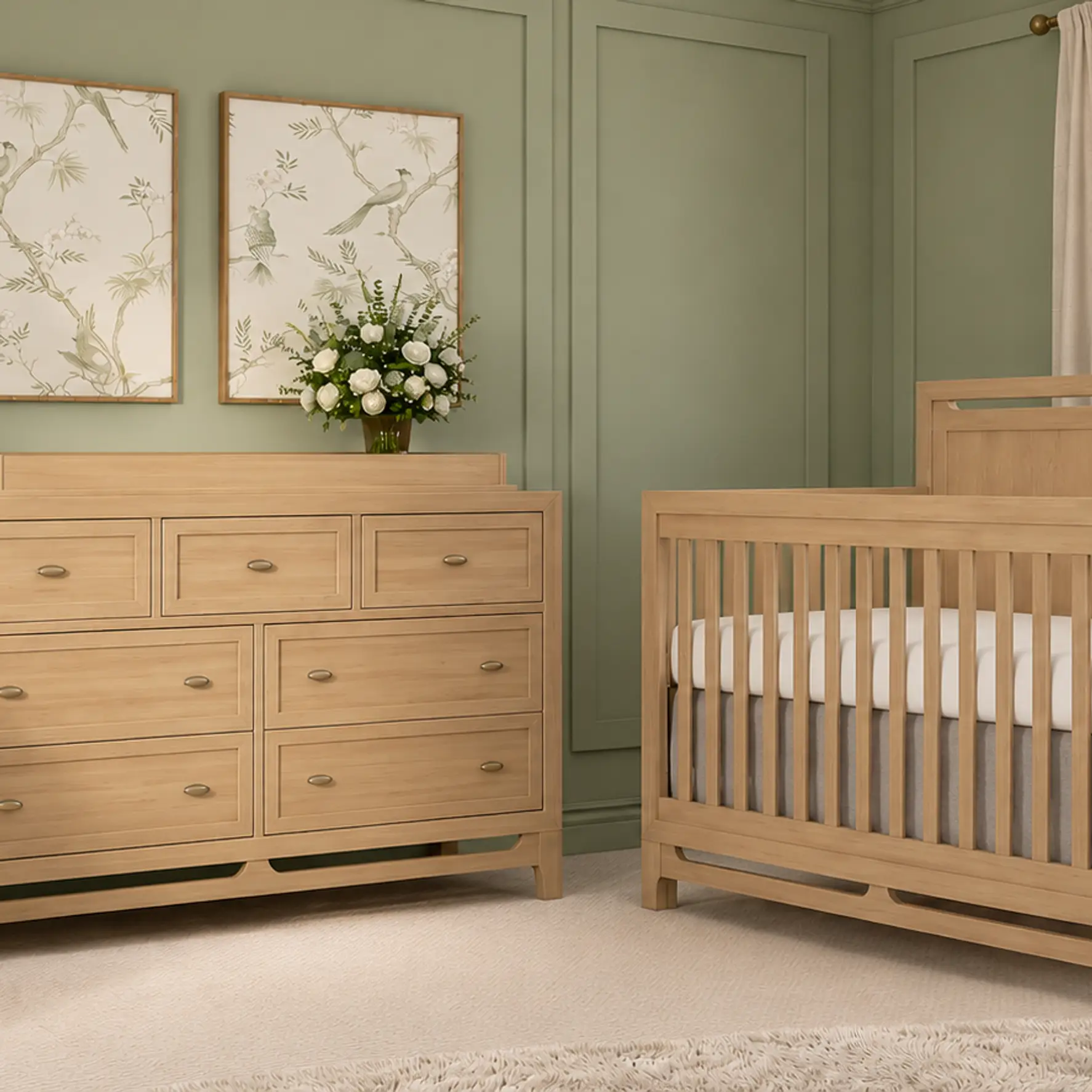
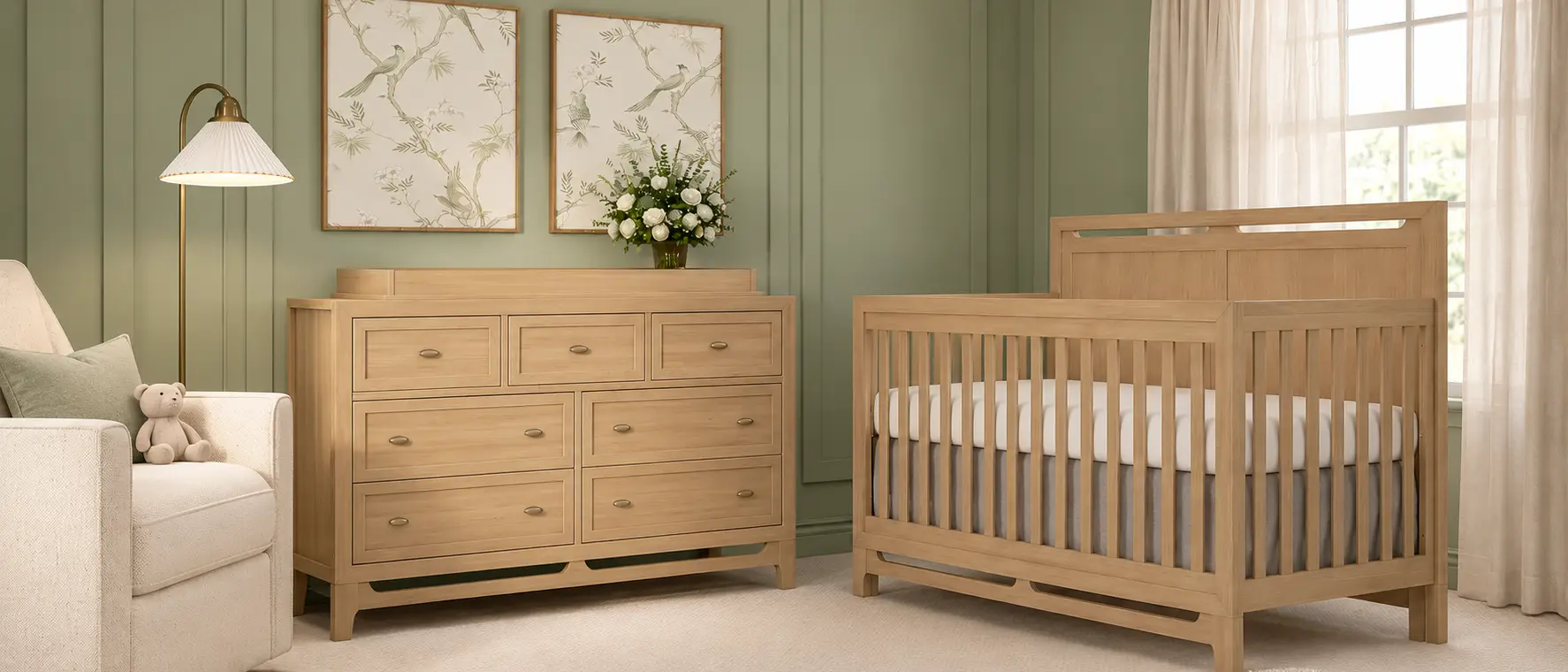
Palette #1: Sage Green & Natural Oak
Sage green has become a nursery favorite because it brings a subtle connection to nature without feeling overly themed.
Pairing a muted sage with natural oak or light wood creates a warm, gender-neutral look that works particularly well with simple furniture and natural textures.
Think:
- Soft sage walls
- Natural oak furniture
- Cream or oatmeal textiles
- Warm white accents
- Small touches of greenery
The beauty of this combination is that it doesn't need much decoration. The natural wood adds warmth while the sage provides enough color to keep the room from feeling flat.
A crib in a natural wood finish can work particularly well within this palette, especially when paired with simple textiles and minimal décor.
Palette #2: Terracotta & Warm Clay
Terracotta might not be the first color that comes to mind when you think about a nursery, but a muted clay version can feel surprisingly soft.
The trick is to avoid overly bright orange or red tones. Instead, look for dusty terracotta, clay, cinnamon, or muted rust.
Pair it with warm wood and softer neutrals for a palette that feels cozy rather than dramatic.
Think:
- Dusty terracotta
- Warm clay
- Light natural wood
- Soft cream
- Muted brown accents
This palette works especially well in rooms with plenty of natural light. The warmer colors can make the space feel inviting without relying on traditional pastel shades.
You can also introduce terracotta without painting the walls. A rug, curtains, artwork, storage baskets, or small decorative accents can bring in the color while keeping the room flexible.
For furniture, warm wood finishes from evolur's nursery collections can complement this palette beautifully.
Palette #3: Dusty Blue & Soft Walnut
Blue doesn't have to mean bright baby blue.
A dusty, muted blue paired with walnut or another medium-to-dark wood creates a more sophisticated nursery that can easily transition into a toddler or child's room.
Think:
- Dusty blue
- Soft walnut
- Warm ivory
- Muted gray
- Brushed metal accents
The contrast between the cool blue and warm wood gives the room depth without making it feel overly formal.
This palette is particularly useful if you already have darker wood flooring or furniture elsewhere in your home and want the nursery to feel connected to the rest of your space.
For a softer effect, keep the blue on the walls and use walnut or dark wood in smaller amounts through furniture and accessories.
Palette #4: Olive, Linen & Brass Accents
For parents looking for something a little more unexpected, olive green offers a beautiful alternative to traditional sage.
Olive has more depth, which means it can create a richer-looking room without requiring bright colors.
Pair it with linen-inspired neutrals and small brass accents to keep the palette balanced.
Think:
- Muted olive
- Natural linen
- Warm cream
- Light or medium wood
- Brushed brass
You don't need a lot of brass to make this combination work. A small lamp, drawer hardware, picture frame, or decorative detail can be enough.
If you're working with a small nursery, consider using olive as an accent rather than covering every wall. A single feature wall can introduce the color while keeping the rest of the room visually open.
And if you're choosing larger furniture pieces, prioritize designs that will work beyond the nursery stage rather than matching everything to the exact color of the room.
Palette #5: Muted Peach & Honey Wood
Soft peach is another way to introduce warmth without creating an overly pink nursery.
A muted peach paired with honey-toned wood creates a cheerful but understated space. It can work beautifully in both traditional and modern nurseries, depending on the furniture and accessories you choose.
Think:
- Muted peach
- Honey wood
- Warm cream
- Soft caramel
- Small touches of dusty rose or sage
The palette can easily be adapted as your child grows. Replace nursery-specific artwork with more age-appropriate pieces, swap out textiles, and introduce new accent colors without having to redesign the entire room.
This is particularly useful for parents who want to avoid creating a nursery that feels like it has an expiration date.
How to Choose a Nursery Color Palette That Grows With Your Child
The easiest way to create a nursery that lasts is to think about the room five years from now—not just five months from now.
That doesn't mean avoiding baby-specific touches altogether. It simply means choosing a foundation that can evolve.
Start with one dominant color and two or three supporting shades. Keep major furniture pieces relatively timeless, then use smaller accessories to introduce trends.
For example, if you love sage green, you don't necessarily need a sage crib, dresser, rug, curtains, and changing pad. Choose one or two places to use the color and let the rest of the room breathe.
Convertible furniture can also help extend the life of your nursery design. A crib that transitions as your child grows can remain part of the room even when the original nursery aesthetic changes.
And remember that color isn't just about paint. You can introduce a palette through:
- Bedding and textiles
- Rugs
- Curtains
- Artwork
- Storage baskets
- Lamps
- Decorative accessories
- Furniture finishes
This makes it much easier to refresh the room later without starting from scratch.
Making Color Work in a Small Nursery
If your nursery is particularly compact, you don't have to avoid color altogether.
Instead, think about where the eye travels.
Lighter shades can help reflect natural light, while deeper colors can add dimension when used intentionally. A single accent wall, colorful artwork, or warm wood furniture can create a focal point without visually filling the entire room.
You can also repeat the same color in small amounts throughout the room. A sage wall paired with a sage cushion and a small piece of artwork, for example, can create cohesion without making everything look overly coordinated.
The goal is to make the room feel intentional rather than matched.
What About Safety When Choosing Nursery Décor?
A beautiful nursery still needs to be a safe nursery.
When designing around a crib, keep decorative items, pillows, loose blankets, stuffed animals, and other soft objects out of the baby's sleep space. The AAP recommends keeping the crib free of these items and using a firm, flat sleep surface with a fitted sheet.
For furniture and décor, make sure larger pieces are securely anchored and that cords and other potential hazards are kept away from areas where your baby will eventually become mobile.
When choosing nursery furniture, you can also look for products that meet applicable safety requirements and certifications.
Frequently Asked Questions
What nursery colors are trending in 2026?
Warm, nature-inspired colors are especially popular, including sage green, olive, terracotta, dusty blue, muted peach, and warm wood tones. These shades offer more personality than traditional white and beige while still creating a calming environment.
What is the most calming color for a nursery?
There isn't one universally best color, but softer, muted shades such as sage green, dusty blue, and warm neutrals can create a calm visual environment. The overall balance of color, lighting, and décor matters just as much as the specific shade.
Are dark nursery colors safe for babies?
The color of the nursery itself doesn't determine whether a space is safe for a baby. Darker shades can be used in nursery design, but parents should continue to prioritize safe sleep practices, appropriate furniture placement, adequate lighting, and a hazard-free environment.
How do I choose a gender-neutral nursery color palette?
Look beyond traditional gender associations and choose colors based on the atmosphere you want to create. Sage, olive, dusty blue, terracotta, warm wood, and muted peach can all work beautifully in gender-neutral nurseries.
Which nursery colors work best in small rooms?
Lighter and softer shades can help reflect light and make a small room feel more open. You can still use deeper colors as accents or on a single wall rather than covering the entire room.
Can bold colors still create a calming nursery?
Absolutely. The key is choosing muted or earthy versions of bold colors and balancing them with softer shades. A deep olive, dusty blue, or muted terracotta can add personality without making the room feel visually overwhelming.
Wrapping Up: Color Beyond the Classics
A nursery doesn't have to be white or beige to feel calm, beautiful, and timeless. From sage and natural oak to dusty blue and warm walnut, the right palette can add personality while still leaving room for your child to grow.
Suggested For You
The Chicago Baby Shower Guide Nobody Had When We Were Planning Ours
Planning a baby shower in Chicago comes with plenty of possibilities, from intimate gatherings at home to stylish celebrations at neighborhood venues. Whether you're planning for a first-time parent or keeping things simple for a growing family, here's a guide to the Chicago-specific details that can make planning easier, more personal, and a lot less stressful.
Read more
The Most Overrated (and Underrated) Items on Every Baby Registry
Every parent wants a baby registry that covers the essentials without filling the nursery with products that barely get used. Yet with endless "must-have" lists online, it's easy to overspend on trendy gadgets while overlooking items you'll rely on every single day. Before you click "Add to Registry," here's how to separate the baby gear you'll truly use from the products you may be better off skipping.
Read more
The Subway Stroller Checklist: 6 Features That Matter More Than You'd Think
City parenting comes with its own set of challenges—stairs, crowded platforms, narrow sidewalks, elevators that aren't always working, and public transportation. Whether you're riding the subway every day or simply exploring a busy downtown, the right stroller can make every outing smoother. Here's a practical checklist of six stroller features that matter far more than most parents realize.
Read more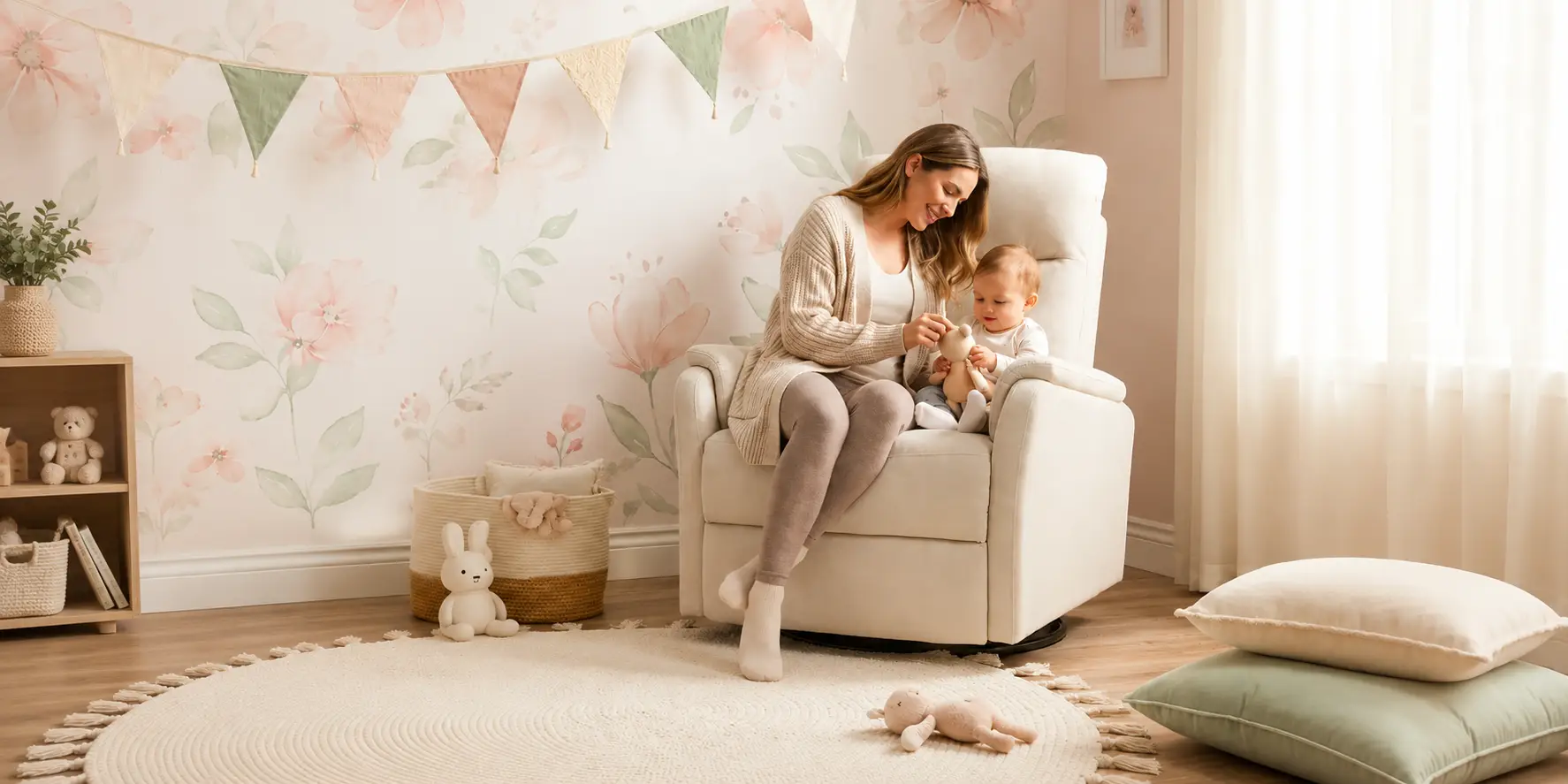
First Mother’s Day? Here’s How to Make It Truly Memorable
A first Mother’s Day is different from any other. It’s quieter, more emotional, and deeply meaningful. Whether you’re celebrating yourself or honoring a new mom in your life, this guide shares heartfelt ways to make her first Mother’s Day feel personal, supported, and truly unforgettable.
Read more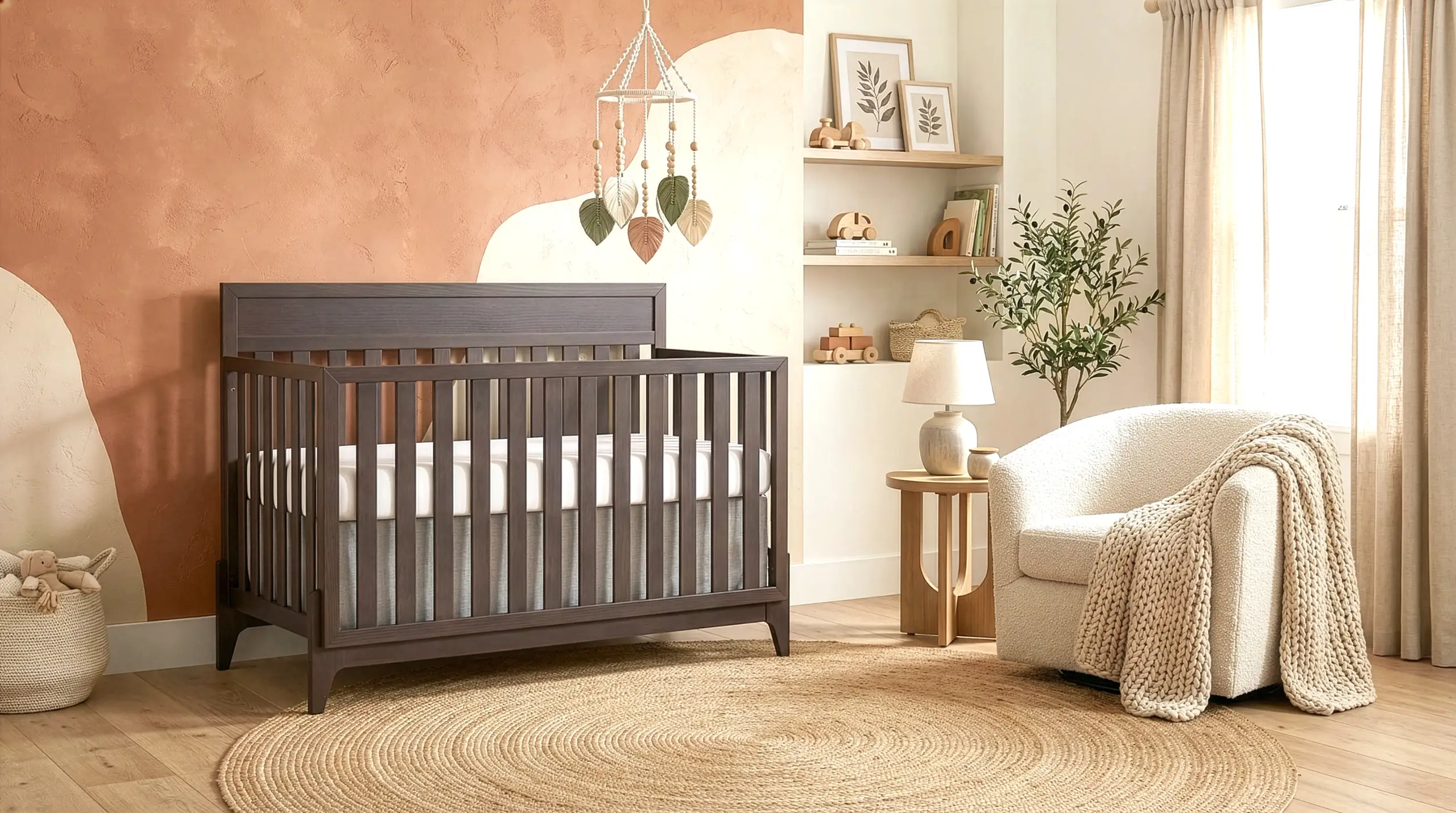
Summer Nursery Design Trends 2026: Warm Tones, Airy Spaces & Aesthetic Setups
Designing a nursery in summer 2026 is about more than aesthetics, it’s about creating a space that feels light, breathable, safe, and emotionally grounding for both baby and parents. From sun-washed color palettes to thoughtfully chosen furniture that supports safe sleep for newborns, this season’s nurseries are evolving into serene, adaptable spaces that grow with your family, without sacrificing style.
Read more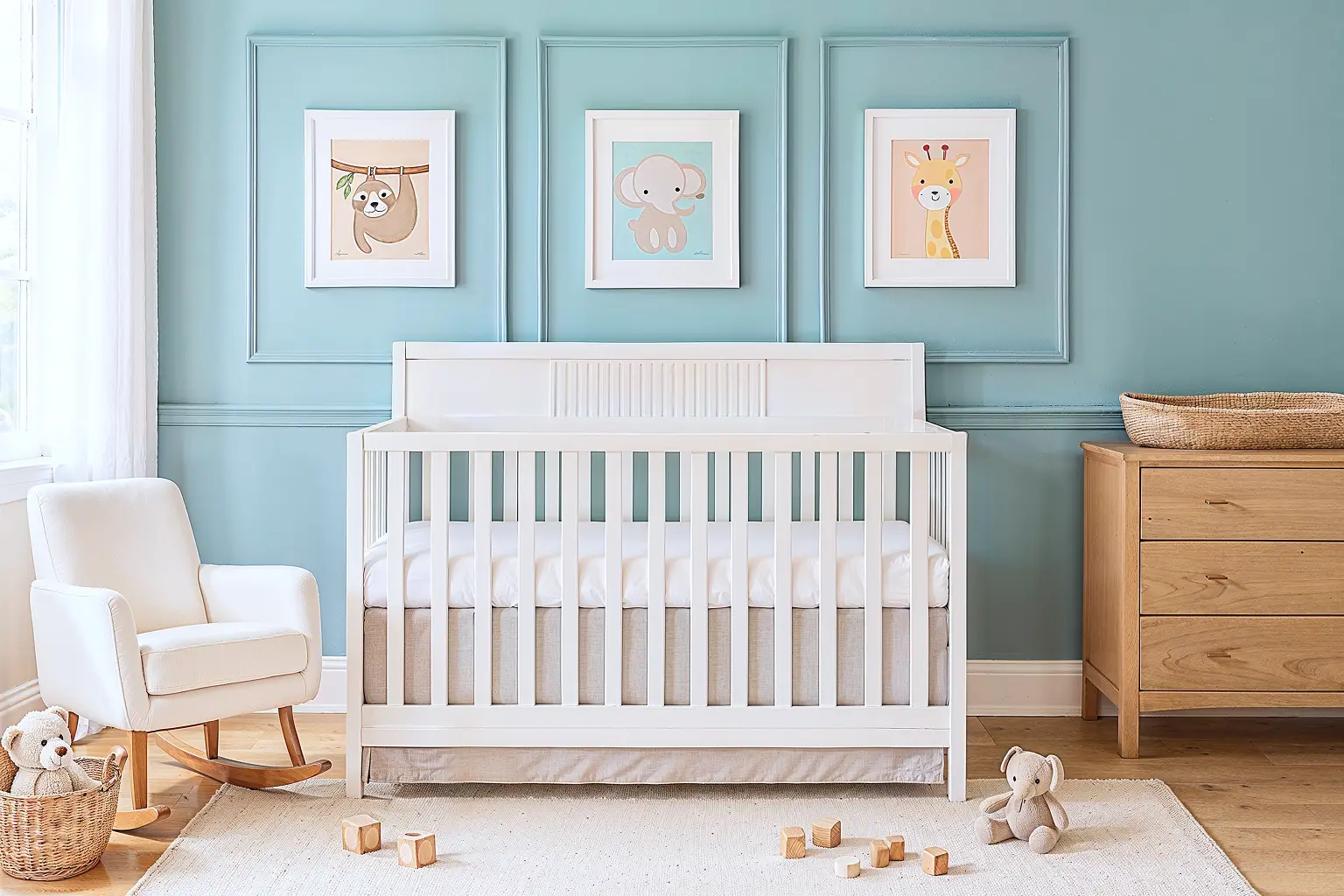
Baby Registry Guide – Best Baby Shower Registry Ideas for 2026
Creating the ultimate baby registry is one of the most exciting—and at times overwhelming—tasks for expectant parents. Whether it's your first baby or you're growing your family, a baby registry is a must-have to get the essentials you need and to make the baby shower gift-giving experience simpler for everyone involved. In this Ever & Ever guide, we’ll break down everything you need to know to create the best baby registry for 2026!
Read more


